I was in the middle of a disastrous Sunday brunch when my roommate, who thinks she’s a culinary wizard, decided to “upgrade” the classic potato cake recipe she’s been serving for years. She tossed in a handful of mystery ingredients, added a dash of confidence, and declared the result the best version she’d ever made. I stared at the tray of golden, cheese‑laden cakes that looked like miniature suns, and I knew I had to share this revelation. This isn’t just a recipe; it’s a kitchen revolution that turns ordinary potatoes into a showstopper that will have your friends begging for the recipe.
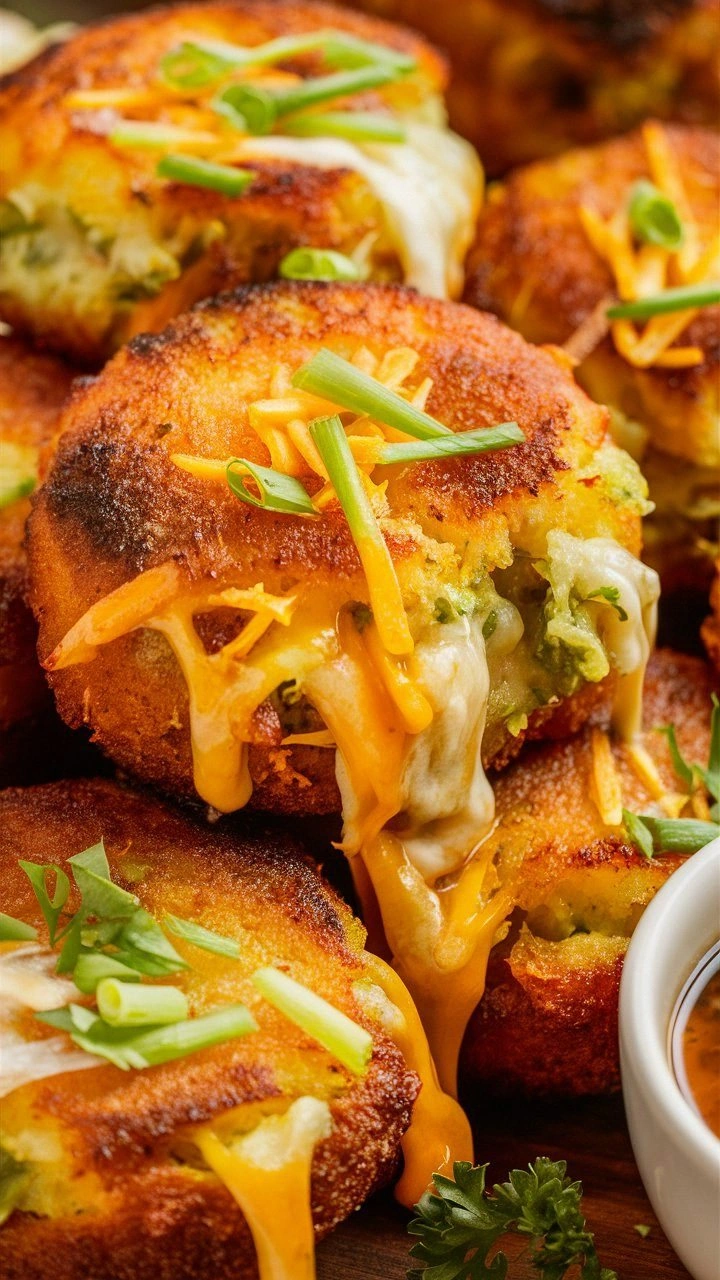
Picture yourself in a bustling kitchen, the aroma of melted cheddar drifting through the air, the sizzle of butter hitting the pan like a drumroll, and the sound of a timer ticking down to perfection. The colors are vivid: a glossy, amber crust, a molten cheese core that oozes when you lift a cake, and a sprinkle of fresh chives that adds a pop of green. The texture is a delightful contrast—crispy on the outside, fluffy and gooey inside—so much so that the first bite feels like a crunchy, cheesy hug. The taste is a symphony of savory, slightly smoky, and umami notes that linger long after the last crumb.
What makes this version stand out is that it’s not just about the cheese. It’s about the precise balance of leavening agents that give the cakes a light, airy interior while maintaining a firm, golden exterior. It’s about the way the butter is folded in to create a tender crumb that melts in your mouth. It’s about the subtle kick of paprika and garlic powder that adds depth without overpowering. Most importantly, it’s about the confidence that comes with knowing you’ve mastered a dish that will wow anyone who tastes it. If you’ve ever struggled to get potato cakes golden and not soggy, this is the solution you’ve been searching for.
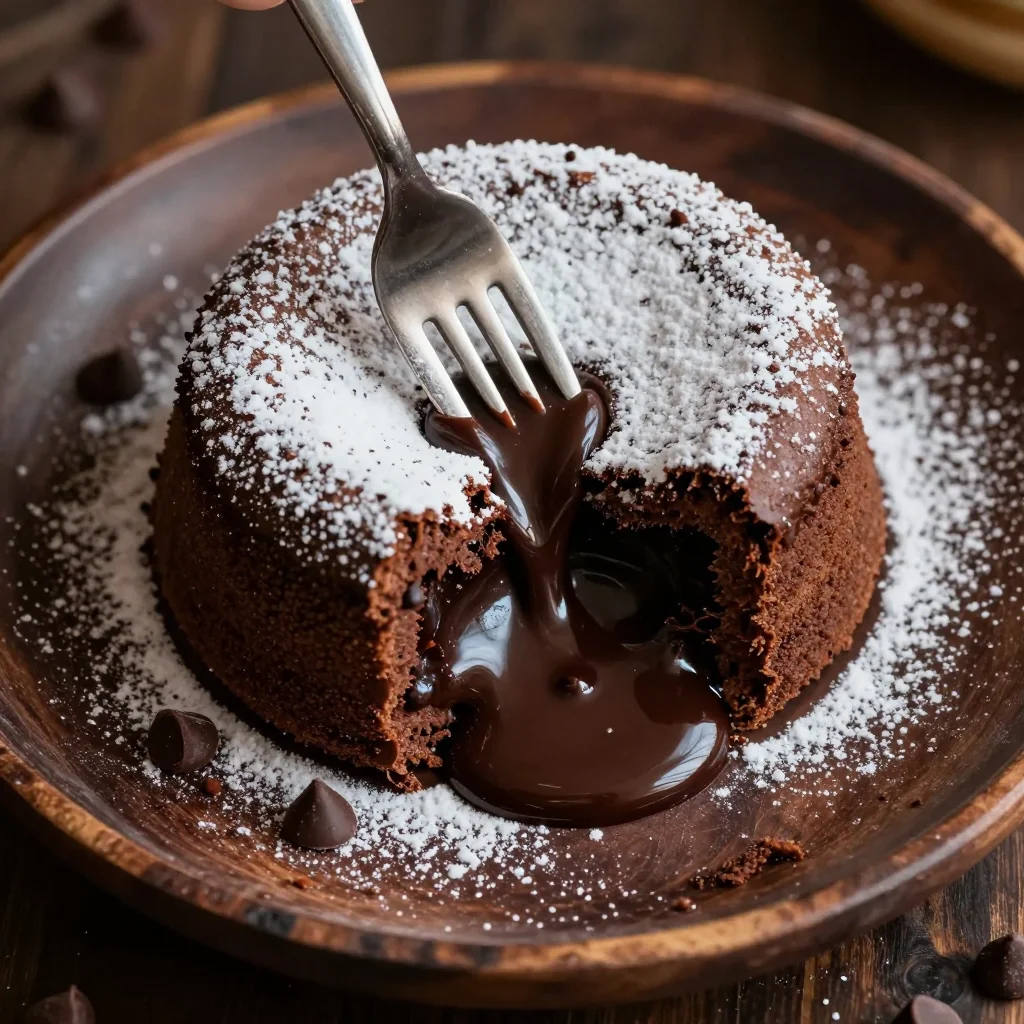
I dare you to taste this and not go back for seconds. The moment your fork cuts through the crispy crust and reveals a molten cheese river, you’ll understand why this recipe is hands down the best version you’ll ever make at home. The secret? A perfect blend of cheeses, a touch of butter, and a carefully measured amount of leavening that gives the cakes a light, airy interior. The result is a golden, crunchy exterior that shatters like thin ice, revealing a warm, gooey center that coats your tongue like velvet.
If you’ve ever struggled with this, you’re not alone—and I’ve got the fix. The trick lies in the timing of each step, the temperature of your oven, and the quality of your ingredients. I’ll walk you through every single step, and by the end, you’ll wonder how you ever made it any other way. Let’s dive in.
What Makes This Version Stand Out
Flavor: The combination of cheddar, mozzarella, and parmesan creates a layered cheese profile that’s both sharp and creamy. The cheeses melt together into a silky, gooey interior that’s complemented by a slightly smoky paprika kick.
Texture: The use of baking powder and baking soda in precise amounts gives the cakes a light, airy crumb that contrasts beautifully with a crisp, golden crust. The butter and eggs bind everything together, creating a tender yet firm structure that holds its shape.
Simplicity: With just a handful of pantry staples, you can craft a dish that feels luxurious. No fancy techniques or hard-to-find ingredients—just good cooking and a bit of love.
Uniqueness: The addition of chives and a splash of milk creates a subtle moisture that keeps the cakes from drying out. The paprika adds a smoky depth that elevates the dish beyond ordinary potato cakes.
Crowd Reaction: Guests who taste these cakes often remark that they’re the “cheesiest, crispiest potato cakes” they’ve ever had. The dish is a conversation starter and a crowd pleaser at potlucks and family gatherings.
Ingredient Quality: Using fresh, high‑quality cheeses makes a noticeable difference in flavor. Freshly ground black pepper and real butter bring out the best in the dish.
Cooking Method: Baking at a moderate temperature ensures even cooking, while flipping halfway through guarantees a uniformly golden exterior.
Make‑Ahead Potential: These cakes can be prepared a few hours in advance, refrigerated, and baked fresh when you’re ready to serve. That’s perfect for busy evenings.
Alright, let's break down exactly what goes into this masterpiece…
Inside the Ingredient List
The Flavor Base
At the heart of these cakes is a trio of cheeses that work together to create a mouth‑watering, melty interior. Cheddar provides sharpness and a deep umami note, mozzarella adds stretch and a milder flavor, and parmesan contributes a nutty finish. Together, they form a flavor profile that’s both comforting and indulgent. If you skip any of them, the cakes will still cook, but the depth and gooeyness will be noticeably diminished.
The Texture Crew
Leavening agents are the unsung heroes that give the cakes their lightness. Baking powder helps the batter rise, while baking soda adds a subtle lift and helps create a slightly crisp exterior. The eggs bind everything together, ensuring the cakes hold their shape during baking. The butter, when melted and folded in, adds richness and contributes to a tender crumb. If you skip the butter, the cakes will be drier and less flavorful.
The Unexpected Star
Chives are the secret weapon that adds a fresh, oniony brightness that cuts through the richness of the cheeses. A tablespoon of chopped chives, folded in just before baking, gives the cakes a subtle herbal note that lifts the overall flavor. If you’re not a fan of chives, you can replace them with scallions or even a sprinkle of dried oregano for a different twist. The key is to add them at the end to preserve their bright flavor.
The Final Flourish
Seasonings like garlic powder, onion powder, paprika, and black pepper are sprinkled into the batter to give each bite a complex, savory punch. The paprika adds a smoky undertone that pairs beautifully with the cheeses, while the black pepper brings a mild heat that balances the richness. If you prefer a milder dish, reduce the paprika to half a teaspoon and keep the pepper to a pinch. These seasonings are essential for depth; omitting them will result in a bland, flat flavor.
Everything's prepped? Good. Let's get into the real action…
The Method — Step by Step
- Step 1: Preheat and Prep Preheat your oven to 375°F (190°C) and line a baking sheet with parchment paper. This temperature allows the cakes to cook evenly without burning the exterior. While the oven heats, set out all your ingredients so you can work quickly. A well‑organized workspace keeps the cooking process smooth and enjoyable.
- Step 2: Dry Mix In a large bowl, whisk together 2 cups of all‑purpose flour, 1 teaspoon of salt, 1 teaspoon of baking powder, and ½ teaspoon of baking soda. The leavening agents are crucial for achieving that light, airy crumb. Make sure to sift the flour if it’s been sitting for a while to avoid clumps. This dry mix will form the foundation of the batter.
- Step 3: Wet Blend In a separate bowl, whisk ½ cup of melted butter with ½ cup of milk, 2 large eggs, 1 teaspoon each of garlic powder, onion powder, paprika, and ½ teaspoon of black pepper. The butter adds moisture and flavor, while the milk keeps the batter from becoming too thick. Whisk until the mixture is smooth and the butter is fully incorporated. This step is where the magic begins.
- Step 4: Combine Pour the wet mixture into the dry ingredients and stir gently with a spatula until just combined. Over‑mixing can develop gluten, leading to a denser texture. The batter should be thick but pourable. This is the point where the cheeses will be added.
- Step 5: Cheese & Chives Fold in 1 cup of shredded cheddar, 1 cup of shredded mozzarella, ½ cup of grated parmesan, and 1 tablespoon of chopped chives. The cheeses melt together into a creamy, cohesive mixture. The chives add a fresh brightness that balances the richness. Be sure to mix until the cheeses are evenly distributed.
- Step 6: Shape and Bake Drop spoonfuls of the batter onto the prepared baking sheet, spacing them about 2 inches apart. Use a small ice cream scoop for uniformity. Bake for 20 minutes, then flip each cake gently with a spatula. Watch out: the cakes are hot, so use a heat‑resistant glove or tongs to avoid burns. The flipping ensures both sides crisp up evenly.
- Step 7: Final Crisp After flipping, bake for an additional 5–7 minutes until the tops are a deep, golden brown and the edges pull away slightly from the parchment. The aroma should be intoxicating, with the cheese bubbling and the paprika adding a subtle smokiness. This is the moment of truth—your cakes are almost ready.
- Step 8: Rest and Serve Remove the cakes from the oven and let them rest on the sheet for 5 minutes. This brief rest allows the cheese to set slightly, preventing it from sliding off when you plate. Serve warm with a dollop of sour cream or a drizzle of salsa for an extra burst of flavor. Enjoy the crunch and the gooey center.
That's it — you did it. But hold on, I've got a few more tricks that'll take this to another level. These insider tips will help you avoid common pitfalls and elevate the flavor profile even further.
Insider Tricks for Flawless Results
The Temperature Rule Nobody Follows
Many home bakers bake at 400°F, assuming higher heat always means crispier results. In reality, 375°F is the sweet spot for these cakes because it allows the interior to cook through without burning the exterior. If you’re using a convection oven, lower the temperature by 25°F to account for the fan’s extra heat. This subtle adjustment will prevent the tops from becoming too dark while still achieving a golden crust.
Why Your Nose Knows Best
The aroma of cheese and butter rising from the oven is a reliable indicator that the cakes are nearing perfection. If the scent is too faint, the cakes need more time; if it’s overpowering, they’re overcooked. Trust your senses—smell, sight, and even touch—when deciding whether to pull the cakes from the oven. A quick visual cue: the edges should lift slightly from the parchment, and the tops should have a deep amber hue.
The 5‑Minute Rest That Changes Everything
Resting the cakes for five minutes after baking allows the cheese to set, preventing it from oozing onto the plate. This short pause also lets the internal steam redistribute, resulting in a moister, more cohesive crumb. If you’re serving immediately, place the cakes on a wire rack to keep the bottoms from getting soggy. The rest period is a small time investment that pays off in texture.
Cheese Selection Matters
Not all cheeses melt the same way. Cheddar gives sharpness, mozzarella adds stretch, and parmesan contributes depth. If you prefer a milder flavor, use a blend of mild cheddar and provolone instead. For a smoky twist, substitute smoked gouda for one of the cheeses. The key is to balance meltiness with flavor intensity.
Use a Thermometer for Precision
An instant‑read thermometer can help you gauge the internal temperature of the cakes. Aim for 190°F to 200°F; this ensures the batter is fully cooked without overbaking. If the cakes are undercooked, the cheese will still be liquid, and the batter will be doughy. A thermometer saves you from guesswork and guarantees consistent results.
Let the Batter Rest
After mixing, let the batter rest for 10 minutes before baking. This allows the flour to hydrate fully, resulting in a smoother batter and a more tender crumb. The resting period also helps the leavening agents activate, giving the cakes a better rise. Skipping this step may lead to denser, less fluffy cakes.
Creative Twists and Variations
This recipe is a playground. Here are some of my favorite ways to switch things up:
BBQ Bacon Crunch
Swap the chives for ¼ cup of crumbled bacon and sprinkle smoked paprika on top before baking. The bacon adds a savory crunch, while the paprika brings a subtle smokiness that pairs beautifully with the cheese.
Spinach and Feta Fusion
Fold in ½ cup of chopped spinach and ½ cup of crumbled feta for a Mediterranean twist. The spinach adds a pop of green, and the feta provides a tangy contrast to the creamy cheeses.
Herb‑Infused Delight
Replace the chives with a mix of fresh parsley, dill, and tarragon. This herb blend adds a bright, aromatic flavor that lifts the entire dish. Serve with a lemon‑y yogurt dip for a refreshing finish.
Spicy Jalapeño Surprise
Add 1 diced jalapeño to the batter for a spicy kick. The heat complements the richness of the cheeses and makes the dish perfect for a summer barbecue.
Vegan Version
Use a plant‑based cheese blend, replace butter with coconut oil, and substitute milk with oat milk. The result is a creamy, golden crust that satisfies even the most devoted cheese lovers.
Breakfast Boost
Top the cakes with a fried egg and a drizzle of hollandaise sauce for a decadent brunch option. The runny yolk adds richness, while the sauce brings a silky texture.
Storing and Bringing It Back to Life
Fridge Storage
Cool the cakes completely before wrapping them tightly in plastic wrap. Store in an airtight container in the refrigerator for up to 3 days. The cakes will stay fresh, but the crust may soften slightly after a day.
Freezer Friendly
Place the cooled cakes on a parchment‑lined tray and freeze until solid, then transfer to a freezer bag. They can be stored for up to 2 months. When you’re ready to eat, bake them at 375°F for 15 minutes, or until heated through.
Best Reheating Method
To restore crispness, reheat the cakes in a preheated oven at 375°F for 5–7 minutes. Add a splash of water to the pan to create steam, which helps the cheese melt without drying out the exterior. This simple trick brings the cakes back to their original, mouth‑watering glory.