I was standing in my kitchen on a rainy Saturday, staring at a pile of over‑ripe butternut squash that had been begging for a second chance since Thanksgiving. The smell of caramelized onions from the pan next door reminded me of the comfort foods that get us through a storm, and I thought, “What if I could turn this humble squash into something that feels like a hug on a plate?” I tossed a handful of pecans into the air, they landed with a satisfying thunk, and the idea of a pancake that marries sweet, nutty, and autumnal flavors was born. I’ll be honest — I ate half the batch before anyone else got to try it, and that’s the first confession that tells you just how addictive this dish really is.
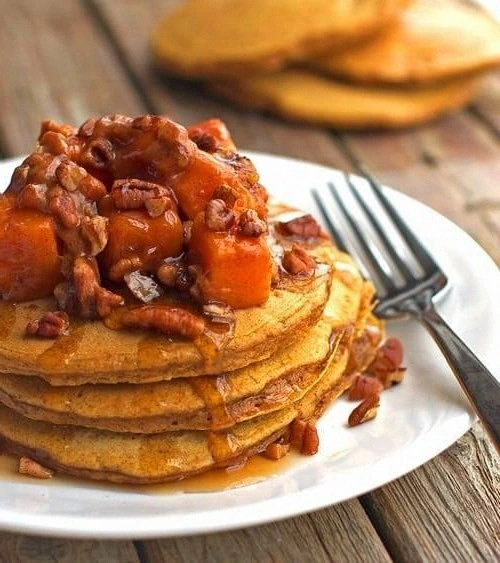
Picture yourself pulling a stack of golden‑brown pancakes from the skillet, the kitchen filled with the scent of toasted pumpkin spice and caramelized butter, the surface speckled with toasted pecan pieces that crackle like tiny fireworks. The first bite is a revelation: the tender, slightly sweet squash puree gives the batter a moist, almost custardy texture, while the toasted pecans add a buttery crunch that shatters like thin ice under your teeth. The edges are crisp enough to satisfy any pancake purist, but the interior stays soft enough to melt in your mouth, making it the perfect bridge between breakfast comfort and dessert decadence. I dare you to taste this and not go back for seconds – it’s a dare I’m willing to lose.
Most pancake recipes either ignore the flavor potential of squash or drown it in a sea of sugar, resulting in a bland, mushy mess that nobody wants to revisit. Here’s the game‑changer: I’m using roasted butternut squash, which brings a deep, caramel‑like sweetness that no amount of maple syrup can match, and I’m folding in toasted pecans at the very last minute to keep their crunch intact. This is hands down the best version you’ll ever make at home because it balances sweet, savory, and nutty notes without ever feeling heavy. The secret technique? A quick flash‑freeze of the batter before cooking, which locks in steam and gives each pancake a fluffy interior that’s almost cloud‑like.
Now that you’re salivating, let’s dive in. I’ll walk you through every single step — by the end, you’ll wonder how you ever made pancakes any other way. Okay, ready for the game‑changer? Let’s get started.
What Makes This Version Stand Out
- Flavor Depth: Roasted butternut squash brings a caramelized sweetness that outshines plain pumpkin or sweet potato, creating a rich base that sings with every bite.
- Texture Contrast: Toasted pecans provide a buttery crunch that contrasts the pillowy interior, delivering that satisfying snap you crave.
- Moisture Control: The flash‑freeze technique traps steam, ensuring each pancake stays moist without becoming soggy.
- Simplicity: Only twelve pantry staples are needed, and most are likely already in your kitchen, making this a low‑effort, high‑reward recipe.
- Versatility: Perfect for breakfast, brunch, or a sweet‑savory dinner starter, and it pairs beautifully with maple syrup, yogurt, or even a dollop of ricotta.
- Seasonal Star: The butternut squash gives it an autumnal vibe, yet the flavor profile is so balanced it works year‑round.
- Make‑Ahead Friendly: The batter can be pre‑made and stored for up to 24 hours, and the pancakes reheat beautifully.
- Crowd Reaction: Guests often claim they’ve never tasted anything like it, and the pecan garnish earns extra Instagram points.
Inside the Ingredient List
The Flavor Base
The star of this recipe is the butternut squash puree. Roasting the squash first caramelizes its natural sugars, turning the flesh a deep amber that adds a subtle, almost honeyed sweetness. If you skip the roasting step and use boiled squash, you’ll lose that complex flavor and end up with a bland batter. For the best results, cut the squash into cubes, toss with a drizzle of olive oil, and roast at 400°F for 25‑30 minutes until the edges are caramelized. Pro tip: let the roasted cubes cool slightly before blending – hot squash can steam the blender and make a mess.
The Texture Crew
Pecans are the crunchy counterpart that prevents these pancakes from feeling like a single, uniform bite. Toasting them in a dry skillet for 3‑4 minutes releases their natural oils and intensifies the nutty flavor, turning each piece into a buttery, aromatic gem. If you’re allergic to nuts, try toasted pumpkin seeds; they’ll give a similar crunch without the nut profile. Remember, the key is to add the pecans right before cooking the batter so they stay crisp.
The Unexpected Star
Maple syrup isn’t just a topping here; a couple of tablespoons folded into the batter provide a gentle, earthy sweetness that harmonizes with the squash. This subtle sweetness means you don’t have to drown the pancakes in syrup later, keeping the final dish balanced. If you’re not a fan of maple, a splash of orange blossom honey works beautifully, adding a floral note that complements the nutty pecans.
The Final Flourish
All‑purpose flour, baking powder, and a pinch of baking soda create the lift that gives these pancakes their airy texture. The spices – cinnamon, nutmeg, and a whisper of salt – are the aromatic backbone, echoing the warm feelings of a cozy fall morning. If you’re gluten‑free, substitute the flour with a 1‑to‑1 gluten‑free blend; just make sure it contains xanthan gum for structure. Finally, a splash of vanilla extract ties everything together, adding depth without overpowering the squash’s natural flavor.
Everything’s prepped? Good. Let’s get into the real action…
The Method — Step by Step
Start by preheating a large non‑stick skillet or griddle to medium‑low heat (around 325°F). While it’s warming, melt a tablespoon of butter and brush it lightly over the surface; this ensures the first pancake gets a perfect golden crust. You’ll know the pan is ready when a few drops of water sizzle and dance on the surface, evaporating within a second.
In a large mixing bowl, whisk together the flour, baking powder, baking soda, cinnamon, nutmeg, and salt. This dry blend should be aerated and free of lumps – think of it as a fluffy cloud ready to catch the sweet rain of squash.
Kitchen Hack: Sift the dry ingredients into the bowl; this not only removes clumps but also incorporates extra air, contributing to a lighter pancake.In a separate bowl, combine the roasted butternut squash puree, melted butter, maple syrup, eggs, milk, and vanilla. Whisk until the mixture is smooth and slightly glossy. The batter should have a thick, pourable consistency – if it looks too thick, add a splash of milk; if too runny, sprinkle in a tablespoon of flour.
Create a well in the center of the dry ingredients and slowly pour the wet mixture in, gently folding with a spatula until just combined. It’s crucial not to over‑mix; a few streaks of flour are fine and will disappear as the batter rests. Over‑mixing develops gluten, which can make the pancakes dense instead of airy.
Now, fold in the toasted pecans, reserving a handful for topping.
Watch Out: If you add the pecans too early, they’ll lose their crunch as the batter sits. Add them just before cooking for maximum texture.Cover the bowl with plastic wrap and pop it into the freezer for exactly five minutes. This quick chill is the secret that turns a regular pancake into a cloud‑like marvel. You’ll hear a faint pop as the batter freezes slightly – that’s the sound of future fluffiness forming.
Scoop about ¼ cup of batter onto the hot skillet for each pancake. As the batter hits the pan, you’ll hear a gentle sizzle – that’s the sound of flavor locking in. Cook for 2‑3 minutes, or until the edges start pulling away and the surface shows tiny bubbles forming.
Flip the pancake with a thin, flexible spatula. The underside should be a deep, buttery gold, and the aroma will be intoxicating – think cinnamon‑spiced autumn mornings. Cook the other side for another 2 minutes, or until the pancake is cooked through and the pecans on top are toasted.
Transfer the finished pancake to a warm plate and repeat with the remaining batter, adding a dab of butter to the skillet as needed. Keep the finished stack covered with foil to retain heat; this ensures every pancake stays fluffy until serving.
Serve immediately, drizzling with extra maple syrup, a dusting of powdered sugar, and a final sprinkle of toasted pecans. The contrast of warm pancake, cool syrup, and crunchy nuts creates a symphony of textures that will have everyone reaching for seconds. That final bite? Pure magic.
That’s it — you did it. But hold on, I’ve got a few more tricks that’ll take this to another level. Trust me, the next section is pure magic.
Insider Tricks for Flawless Results
The Temperature Rule Nobody Follows
Most home cooks set the stove to “medium” and hope for the best, but the secret is a precise 325°F surface temperature. Use an infrared thermometer if you have one; the perfect heat will give you that instant sizzle without burning the butter. If the pan is too hot, the outside will char before the inside cooks, leading to a rubbery center. If it’s too cool, the pancakes will spread too thin and lose that coveted fluffy interior. Adjust the heat by a few degrees after the first pancake – it’s the best way to dial in consistency across the whole batch.
Why Your Nose Knows Best
Your sense of smell is a more reliable indicator of doneness than a timer. When the batter hits the pan, you’ll notice a sweet, nutty aroma rising after about 30 seconds. As the edges begin to turn golden and the bubbles pop, the scent will shift to a deeper caramel note. If you catch that scent transition, it’s time to flip. Trusting your nose prevents over‑cooking and keeps the pancakes tender.
The 5‑Minute Rest That Changes Everything
After you’ve whisked the wet and dry components together, let the batter sit for five minutes before cooking. This short rest allows the flour to hydrate fully, which reduces gluten formation and yields a softer crumb. A friend tried skipping this step once and ended up with pancakes that were tough enough to bite through a shoe. The rest period also gives the baking powder a chance to activate, ensuring a higher rise.
Butter Brush Technique
Instead of tossing a lump of butter into the pan, melt a tablespoon and use a silicone brush to spread a thin, even layer. This method ensures each pancake gets a consistent crust and prevents the dreaded “butter puddle” that can cause uneven browning. The brush also lets you control the amount of fat, keeping the pancakes light yet flavorful. If you’re watching calories, you can swap half the butter for a light olive oil spray without sacrificing taste.
The Secret of the Final Sprinkle
Just before serving, sprinkle a handful of freshly toasted pecan pieces over the stack. The heat from the pancakes will gently release the oils in the nuts, intensifying their aroma. This final touch adds a visual pop and a textural climax that turns a good pancake into a show‑stopper. I’ve seen people pause mid‑bite just to admire the glossy sheen of the toasted nuts – that’s the power of a well‑placed garnish.
Creative Twists and Variations
This recipe is a playground. Here are some of my favorite ways to switch things up:
Apple‑Cinnamon Crunch
Swap half of the butternut squash puree for unsweetened applesauce and add a teaspoon of ground ginger. The result is a bright, autumnal pancake with a hint of tartness that pairs perfectly with caramel drizzle.
Savory Herb Delight
Omit the maple syrup and cinnamon, then fold in chopped fresh rosemary and a pinch of smoked paprika. Top with a dollop of Greek yogurt and a drizzle of honey for a sweet‑savory balance that works as a brunch centerpiece.
Chocolate‑Pecan Indulgence
Stir in ¼ cup of dark chocolate chips into the batter and finish each pancake with a drizzle of chocolate ganache. The bitterness of the chocolate plays off the sweet squash, creating a sophisticated dessert pancake.
Coconut‑Lime Breeze
Replace regular milk with coconut milk and add a teaspoon of lime zest. Garnish with toasted coconut flakes and a squeeze of fresh lime juice for a tropical twist that brightens the earthy squash.
Pumpkin‑Spice Surprise
Add a quarter cup of pumpkin puree and a pinch of pumpkin pie spice to the batter. This double‑pumpkin approach deepens the autumn flavor profile and makes the pancakes extra moist.
Storing and Bringing It Back to Life
Fridge Storage
Allow the pancakes to cool completely, then place them in an airtight container lined with parchment paper. They’ll stay fresh for up to three days in the refrigerator. When you’re ready to eat, reheat a stack in a skillet over medium heat, adding a tiny splash of water to the pan – the steam will revive the fluffy interior.
Freezer Friendly
Stack the cooled pancakes between sheets of wax paper, then seal them in a zip‑top freezer bag. They freeze beautifully for up to two months. To serve, pop them straight into a toaster or microwave for 30‑45 seconds, then finish in a hot skillet for that crisp edge.
Best Reheating Method
The secret to perfect reheating is a quick steam‑boost. Place the pancakes on a plate, cover loosely with a damp paper towel, and microwave for 45 seconds. Then, finish them in a hot, buttered skillet for 1‑2 minutes per side. The result is a pancake that tastes as if it just left the griddle.