Picture this: I’m standing in my tiny kitchen, the timer on the old oven ticking like a metronome, and a half‑finished batch of a classic pound cake sits on the counter, looking as flat as a pancake. I had just tried a “quick” version from a popular blog, and the result was a dense brick that could double as a doorstop. I swear I heard my neighbor’s dog bark in disappointment as the aroma barely escaped the oven door. That moment sparked a dare—if I could turn that culinary catastrophe into something that sings, I’d prove that the humble pound cake can be a show‑stopper. So I rolled up my sleeves, grabbed a tub of cream cheese, and set out to create the ultimate caramel‑kissed marvel.
The kitchen quickly transformed into a sensory playground. The buttery scent of softened butter and cream cheese mingled with the sweet, buttery caramel, creating a perfume that made my nose do a little happy dance. The sound of the mixer whirring was like a low‑rumble thunderstorm, promising rain of flavor. My hands felt the cool, silky cream cheese against the warm, glossy caramel sauce as I folded them together, a tactile reminder that textures matter as much as taste. And when the batter finally hit the pan, the golden edges began to rise, casting a warm glow that made the whole room feel like a cozy bakery at sunrise.
What makes this version stand out isn’t just the caramel drizzle or the cream cheese swirl—though both are undeniably addictive. It’s the balance of a tender crumb that melts on your tongue, the caramel’s deep, buttery notes that don’t overpower but instead hug every bite, and the subtle tang of cream cheese that cuts through the sweetness like a perfect jazz solo. Most recipes either drown the cake in sugar or forget the importance of a buttery crust. I’ve cracked the code with a few simple tricks that elevate every crumb, making this the hands‑down best version you’ll ever make at home. And yes, I dare you to taste this and not go back for seconds.
But here’s the kicker: the secret isn’t a fancy gadget or an exotic spice; it’s a humble technique—creaming the butter and cream cheese together until they form a light, airy cloud before the sugar even sees the light. This creates pockets of steam that lift the cake, giving it that coveted, pillow‑soft interior while the caramel caramelizes the top into a caramelized crown. I’ll be honest — I ate half the batch before anyone else got a chance to try it, and I’m still not over it. Let me walk you through every single step — by the end, you’ll wonder how you ever made it any other way.
What Makes This Version Stand Out
- Flavor Fusion: The caramel’s buttery depth intertwines with the tangy cream cheese, creating a symphony that dances on the palate without overwhelming sweetness.
- Texture Triumph: A tender, melt‑in‑your‑mouth crumb meets a slightly crisp, caramelized crust—think of it as a gentle hug that turns into a firm handshake.
- Simplicity: Only pantry‑friendly ingredients, no exotic spices or hard‑to‑find components, making it accessible for any home cook.
- Unique Swirl: The cream cheese isn’t just mixed in; it’s swirled in a way that creates marbled ribbons, adding visual drama and bite‑size bursts of tang.
- Crowd Magnet: This cake has a reputation for clearing plates at parties; guests often ask for the recipe before the first slice even hits the table.
- Ingredient Quality: Using real butter and a good quality caramel sauce elevates the flavor profile dramatically over margarine or artificial syrups.
- Method Mastery: The creaming technique and careful temperature control guarantee a uniform rise and prevent a dense, gummy center.
- Make‑Ahead Magic: The cake stores beautifully, and the caramel glaze can be refreshed with a quick drizzle, making it perfect for make‑ahead desserts.
Inside the Ingredient List
The Flavor Base
The caramel sauce is the heart‑throb of this cake. Made from brown sugar, butter, and a splash of heavy cream, it delivers a buttery, toffee‑like richness that seeps into the crumb as it bakes. Skipping the caramel or using a store‑bought version that’s overly sugary will leave the cake tasting flat. If you’re feeling adventurous, swap half the brown sugar for a touch of maple syrup for a subtle, earthy undertone that pairs beautifully with the cream cheese.
The Texture Crew
All‑purpose flour provides the structure, while baking powder adds a gentle lift without making the cake too airy. The unsalted butter and cream cheese together create a buttery‑rich base; the butter contributes flavor, and the cream cheese introduces a slight tang and extra moisture. If you replace the butter with margarine, you’ll lose that luxurious mouthfeel, and the cake may turn crumbly. For a gluten‑free twist, use a 1‑to‑1 blend of rice flour and almond flour, but expect a slightly denser crumb.
The Unexpected Star
Vanilla extract is the quiet hero that ties the flavors together, enhancing both caramel and cream cheese without stealing the spotlight. A splash of vanilla bean paste can elevate the aroma, making the cake smell like a boutique bakery. If you run out of vanilla, a teaspoon of almond extract works, but use half the amount—almond is potent and can dominate the palate.
The Final Flourish
Eggs act as the binding agent, trapping air and ensuring the cake rises evenly. Room‑temperature eggs blend more seamlessly, preventing a curdled batter that can cause uneven texture. A pinch of sea salt, while optional, amplifies the sweetness and balances the caramel’s richness. If you’re on a low‑sodium diet, you can omit it, but the flavor depth will be a shade less vibrant.
Everything's prepped? Good. Let's get into the real action...
The Method — Step by Step
Preheat your oven to 350°F (175°C) and grease a 9‑inch bundt pan with butter, then dust it lightly with flour. This step is crucial; a well‑prepared pan ensures the cake releases cleanly, preventing those dreaded “stuck‑to‑the‑pan” moments that ruin the presentation. While the oven warms, line a second rack with parchment for easy cleanup later. The air inside the oven should feel warm, like a gentle hug, and you’ll hear a faint hiss as the heat settles—trust that sound, it’s a good sign.
Kitchen Hack: Place a thin sheet of parchment at the bottom of the bundt pan before greasing; it prevents the caramel from scorching and makes unmolding a breeze.In a large mixing bowl, combine 1 cup softened unsalted butter and 8 oz softened cream cheese. Beat on medium‑high speed for 3‑4 minutes until the mixture is pale, fluffy, and almost whipped. This is the moment of truth—if the mixture looks glossy and airy, you’re on the right track; if it looks clumpy, keep beating. The creaming creates tiny air pockets that will expand during baking, giving the cake its signature lightness.
Gradually add 1 ½ cups granulated sugar to the butter‑cream cheese blend, continuing to beat until the sugar dissolves and the batter looks smooth. The sugar will dissolve partially, creating a glossy texture that signals the batter is ready for the next stage. This step also helps to incorporate a subtle caramelization even before the oven does its work.
Crack in 4 large eggs, one at a time, beating well after each addition. The batter should thicken slightly with each egg, forming a silky ribbon when the beaters are lifted. Watch Out: If the batter curdles, it means the butter‑cream cheese mixture was too cold; gently warm the bowl over a bain‑marie for 10 seconds and continue beating.
Stir in 2 teaspoons pure vanilla extract and ½ teaspoon salt, mixing just until incorporated. The vanilla should perfume the batter, and the salt will enhance the caramel’s depth. At this point, the batter will have a light, airy consistency—think of it as a cloud ready to be folded into flour.
Sift together 2 cups all‑purpose flour and 1 teaspoon baking powder. Gently fold the dry ingredients into the wet mixture using a spatula, turning the bowl over and over until no streaks remain. Over‑mixing can develop gluten, leading to a tough crumb, so stop as soon as the flour disappears. The batter will look slightly thick but still pourable.
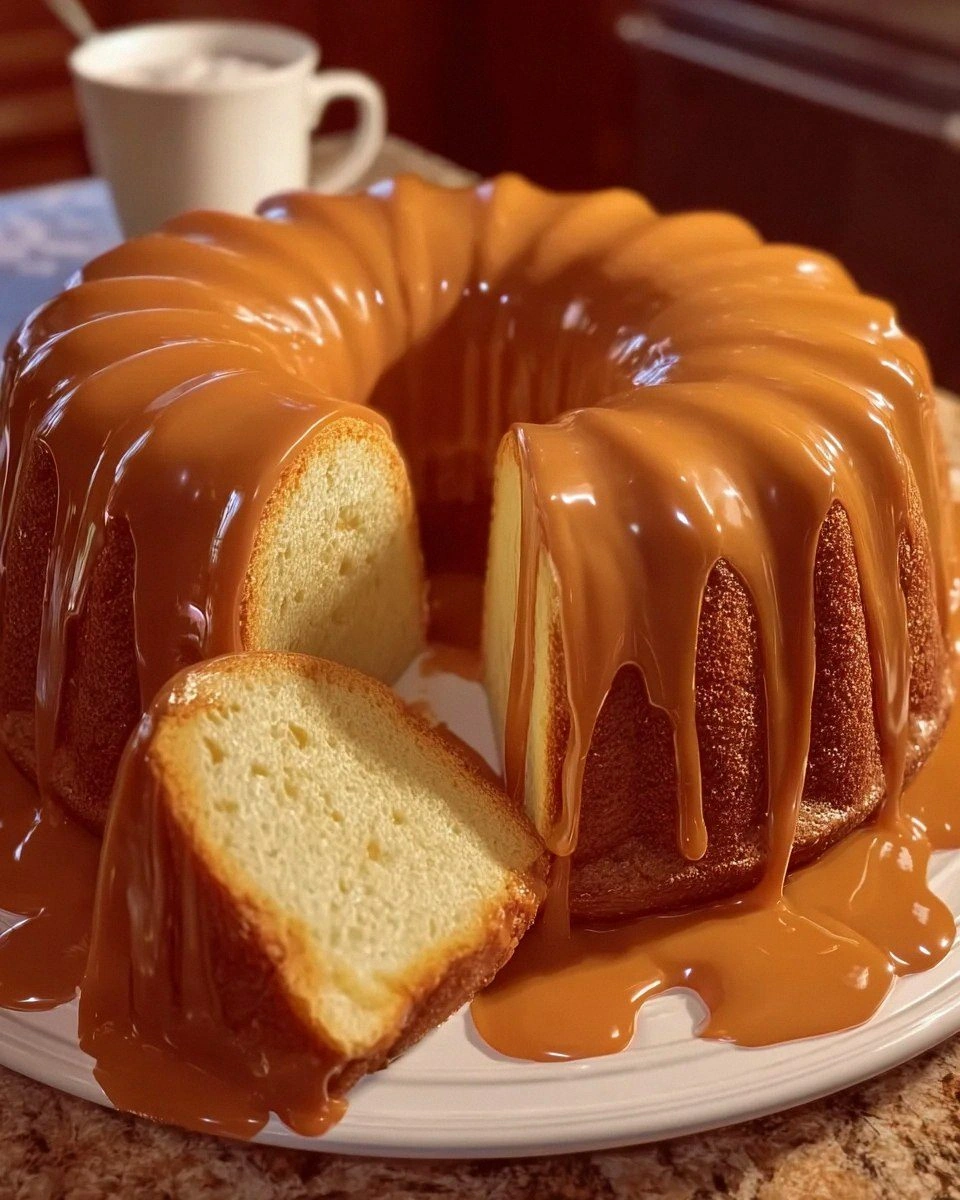
Now, the caramel swirl! Warm ½ cup caramel sauce until it’s fluid but not boiling. Drizzle half of the caramel over the batter in the pan, then use a knife or skewer to swirl it gently, creating marble ribbons. This technique ensures caramel pockets throughout the cake, not just on the surface.
Kitchen Hack: For a more dramatic swirl, pour the caramel in a spiral pattern from the center outward before using the skewer.Place the bundt pan on the middle rack and bake for 30‑35 minutes, or until a toothpick inserted into the thickest part comes out clean and the top is a deep golden brown. Around the 20‑minute mark, you’ll hear a faint crackle as the caramel begins to caramelize—listen for that sound; it’s the cake’s way of saying “I’m almost there.” Rotate the pan halfway through for an even bake.
Allow the cake to cool in the pan for 15 minutes, then invert onto a wire rack. While it’s still warm, drizzle the remaining caramel sauce over the top, letting it cascade into the crevices. For an extra glossy finish, whisk together 1 tablespoon heavy cream with a pinch of sea salt and brush it over the caramel glaze. This final touch adds a silky sheen and a whisper of salty contrast that makes the flavor pop.
That's it — you did it. But hold on, I've got a few more tricks that'll take this to another level. Stay with me here — this is worth it.
Insider Tricks for Flawless Results
The Temperature Rule Nobody Follows
Never underestimate the power of room‑temperature ingredients. Butter, cream cheese, and eggs should sit out for at least 30 minutes before you start. Cold butter will create lumps, and cold eggs can cause the batter to seize, resulting in a dense cake. I once tried to rush the process and ended up with a crumbly mess; the lesson? Patience is the secret ingredient.
Why Your Nose Knows Best
During baking, trust your sense of smell more than the timer. When the caramel starts to emit a buttery, toasty aroma, you’re approaching the perfect caramelization point. If the smell turns slightly burnt, the cake is likely over‑browning—cover the top loosely with foil to finish cooking without scorching.
The 5‑Minute Rest That Changes Everything
After removing the cake from the oven, let it rest in the pan for exactly five minutes before flipping. This short pause allows the steam to settle, preventing the cake from cracking or collapsing. I once flipped it immediately and the center sank like a deflated balloon—never skip this micro‑pause.
Glaze Boost
For an extra glossy finish, warm a tablespoon of heavy cream with a pinch of sea salt, then whisk it into the remaining caramel before the final drizzle. The cream adds a silk‑smooth texture, and the salt creates a flavor contrast that makes each bite pop. This is pure magic, especially if you love the sweet‑salty combo.
Pan Choice Matters
A non‑stick bundt pan can be a double‑edged sword. While it releases the cake easily, it can also cause the caramel to stick if the pan isn’t well‑greased. I recommend a well‑seasoned cast‑iron bundt pan for even heat distribution and a crispier crust. The caramel will caramelize beautifully, and the cake will release like a dream.
Creative Twists and Variations
This recipe is a playground. Here are some of my favorite ways to switch things up:
Salted Caramel Pecan Crunch
Add ½ cup toasted pecans to the batter before baking, and sprinkle flaky sea salt over the final caramel drizzle. The nuts add a buttery crunch, while the salt intensifies the caramel’s depth, making each bite a textural adventure.
Chocolate Swirl Delight
Replace half of the caramel with a dark chocolate ganache (equal parts chocolate and heavy cream). Swirl the ganache in after the batter is poured, creating a marbled chocolate‑caramel masterpiece that satisfies both sweet and cocoa cravings.
Maple‑Brown Sugar Fusion
Swap half the brown sugar in the caramel sauce for pure maple syrup. The maple adds a subtle woodsy note that pairs wonderfully with the cream cheese tang, perfect for a fall‑themed dessert.
Coffee‑Infused Version
Stir 1 tablespoon of instant espresso powder into the batter for a mocha‑caramel twist. The coffee’s bitterness balances the sweetness, turning the cake into a sophisticated after‑dinner treat.
Vegan Adaptation
Use coconut oil in place of butter, dairy‑free cream cheese, and a flax‑egg mixture (1 tbsp ground flaxseed + 3 tbsp water per egg). The result is a slightly denser cake but still incredibly moist, with the caramel providing the same rich finish.
Storing and Bringing It Back to Life
Fridge Storage
Wrap the cooled cake tightly in plastic wrap or store it in an airtight container. It will stay fresh for up to 5 days in the refrigerator. The caramel may harden a bit, but a quick microwave zap (10‑15 seconds) will melt it back to a glossy sheen.
Freezer Friendly
Slice the cake, then wrap each piece in parchment and foil before placing them in a zip‑top freezer bag. Frozen slices retain their flavor for up to 3 months. To thaw, let them sit at room temperature for 30 minutes, then reheat gently.
Best Reheating Method
Preheat your oven to 300°F (150°C). Place a slice on a baking sheet, add a tiny splash of water (about a teaspoon) around the edges, and cover loosely with foil. Heat for 8‑10 minutes; the steam revives the crumb, and the caramel glistens anew. This trick is a lifesaver for those who love leftovers.