Picture this: it’s a rainy Thursday night, the kind that makes you stare at the pantry and wonder if you’ll ever feel excited about dinner again. I was halfway through a bland bowl of plain spaghetti when a sudden craving for something bright, sweet, and a little bit daring hit me like a bolt of lightning. I grabbed the nearest zucchini, sliced it thin, and tossed it into a hot pan with a splash of olive oil, hoping for a miracle. The moment that zucchini hit the pan, a sizzle erupted that sounded like applause, and I knew I was onto something that would change my pasta game forever.
The kitchen filled with the caramelized perfume of zucchini meeting heat, a scent that reminded me of a summer garden after a gentle rain. The air was thick with the earthy aroma of garlic, the sharp sting of fresh herbs, and the subtle whisper of sea salt. I could hear the faint crackle of the edges turning golden, feel the buttery slickness of olive oil coating every piece, and taste the promise of a dish that would be both comforting and exhilarating. That night, I dared myself to keep going, to push the caramelization just a touch further, and the result was a sauce that clings to pasta like velvet, with caramelized ribbons that shatter like thin ice when you bite.
Most zucchini pasta recipes get it wrong—they either overcook the veg, turning it mushy, or they under‑season, leaving the dish flat. I’ve cracked the code: a precise temperature, a timed caramelization, and a finishing flourish of herbs and Parmesan that lifts the whole thing into the stratosphere of flavor. This version stands out because it balances sweet, savory, and a hint of heat, all while staying unbelievably simple. No fancy gadgets, no obscure ingredients—just a pan, some love, and a few pantry staples that transform into something unforgettable.
And here’s the kicker: the secret weapon isn’t a secret at all. It’s the timing of the caramelization, the moment when the zucchini’s natural sugars start to brown without burning. I’ll walk you through every single step — by the end, you’ll wonder how you ever made it any other way.
What Makes This Version Stand Out
- Flavor Depth: The caramelized zucchini brings a natural sweetness that pairs perfectly with the salty Parmesan, creating a layered taste that feels both rustic and refined.
- Texture Harmony: Crispy edges on the zucchini contrast with silky pasta, delivering a mouthfeel that’s both satisfying and elegant.
- Simplicity: Fewer than ten ingredients and a single pan mean you can throw this together on a weeknight without sacrificing gourmet quality.
- Ingredient Quality: Fresh herbs and high‑quality olive oil amplify the dish, turning humble components into stars.
- Crowd Reaction: I dare you to taste this and not go back for seconds; even the pickiest eaters ask for the recipe.
- Make‑Ahead Potential: The sauce stores beautifully, letting you prep ahead and reheat for a quick, restaurant‑level dinner.
Inside the Ingredient List
The Flavor Base
Zucchini: This is the star ingredient that caramelizes to bring sweetness and a tender bite. Choose medium‑size, firm zucchinis with glossy skins—those will hold their shape and develop those coveted golden edges. If you skip the caramelization step, you’ll end up with limp, watery veg that dilutes the sauce.
Garlic: Adds aromatic depth and a savory punch. Fresh cloves give a bright, sharp note that mellows as it cooks, turning sweet and buttery. A common mistake is adding garlic too early; it will burn and turn bitter, ruining the whole dish.
The Texture Crew
Pasta of Choice: Spaghetti, linguine, or penne work wonderfully, holding the caramelized sauce perfectly. I recommend a sturdy shape like penne for those little ridges that catch every caramelized ribbon. Over‑cooking the pasta makes it mushy, so aim for al dente—firm to the bite.
Olive Oil: Used both for sautéing and drizzling, it enriches and enhances every bite. Opt for extra‑virgin for its peppery finish; it also helps the zucchini develop those crisp edges without sticking.
The Fresh Finale
Fresh Herbs (Basil & Parsley): Basil adds a sweet, anise‑like aroma while parsley contributes a clean, grassy note. Toss them in at the end so they stay bright and don’t wilt into obscurity.
Grated Parmesan: A nutty, salty touch that complements the zucchini’s sweetness. It also helps thicken the sauce just enough to cling to the pasta without becoming clumpy.
The Seasoning Squad
Sea Salt & Black Pepper: Essential seasonings that bring all flavors into harmony. Salt draws out the zucchini’s natural sugars, while pepper adds a subtle heat that balances the sweetness.
Red Pepper Flakes (Optional): For a subtle kick that livens up the palate. Use sparingly unless you love heat; a pinch is enough to make the dish sing without overpowering the delicate zucchini.
Everything's prepped? Good. Let's get into the real action...
The Method — Step by Step
Start by bringing a large pot of salted water to a rolling boil. Add your pasta of choice and cook until al dente—usually 9‑11 minutes depending on the shape. While the pasta cooks, reserve a cup of the starchy cooking water; you’ll need it later to coax the sauce into a silky coat. Tip: The water should taste like the sea; this is your first layer of flavor.
While the pasta is doing its thing, slice the zucchini into half‑moon pieces about ¼ inch thick. This thickness ensures quick caramelization while keeping a tender bite. Heat a wide skillet over medium‑high heat, then drizzle in 3 tablespoons of olive oil. Once the oil shimmers, lay the zucchini in a single layer—no overlapping.
Kitchen Hack: Pat the zucchini slices dry with paper towels before they hit the pan; excess moisture sabotages caramelization.Let them sizzle untouched for 2‑3 minutes. You’ll hear a gentle crackle— that’s the sound of sugars turning to gold. Flip once they develop a deep amber edge, then continue cooking another 2‑3 minutes until all sides are caramelized but still firm.
Now, push the zucchini to the side of the pan and add a splash more olive oil if needed. Toss in minced garlic (about three cloves) and sauté for 30 seconds, just until fragrant. Watch Out: Garlic burns in a heartbeat; keep the heat at medium and stir constantly.
Watch Out: If the garlic starts to darken, lower the heat immediately and add a splash of water to rescue it.When the garlic is golden, return the zucchini to the pan, sprinkle in sea salt, black pepper, and optional red pepper flakes. Stir everything together, allowing the flavors to mingle for another minute.
Drain the pasta, reserving a little more of that starchy water if you like a looser sauce. Toss the hot pasta straight into the skillet with the zucchini mixture. Add half of the reserved pasta water and a generous handful of grated Parmesan. Toss vigorously; the heat from the pasta and pan will melt the cheese, creating a glossy, caramel‑infused coating.
Now comes the fresh herb moment. Sprinkle chopped basil and parsley over the pasta, then give it one last gentle toss. The herbs should stay bright green, not wilted. Taste and adjust seasoning—perhaps a pinch more salt or a drizzle of olive oil for extra shine.
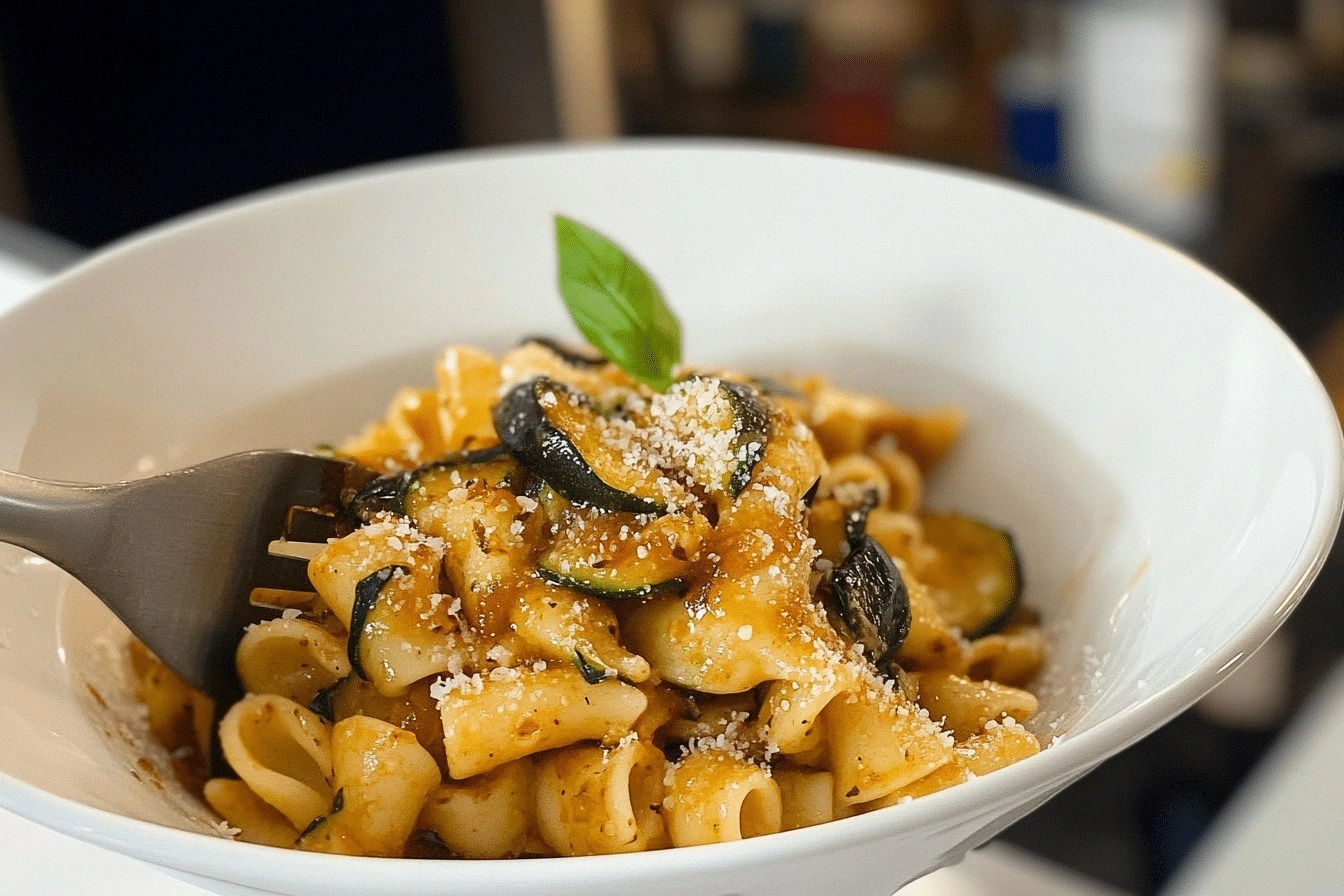
Plate the pasta in shallow bowls, allowing the caramelized ribbons to cascade over the noodles. Finish each serving with an extra sprinkle of Parmesan and a drizzle of high‑quality olive oil. The final look should be glossy, speckled with green herb flecks, and studded with those golden zucchini edges.
Take a moment to inhale the aroma—garlic, sweet zucchini, fresh herbs—then dive in. That first bite? It’s a symphony: the sweet, caramelized zucchini, the salty cheese, the peppery heat, all hugging the pasta like a warm blanket. I’ll be honest — I ate half the batch before anyone else got to try it.
And now the fun part: leftovers. Store any remaining pasta in an airtight container; it will keep for up to three days. When reheating, add a splash of water and a quick toss in a hot pan to revive the caramelized texture. That’s it — you did it. But hold on, I've got a few more tricks that'll take this to another level...
Insider Tricks for Flawless Results
The Temperature Rule Nobody Follows
Most home cooks keep the heat on “medium” and wonder why the zucchini never gets that perfect caramel. The secret is to start hot enough to sear, then drop to medium‑low once the edges begin to brown. This two‑stage heat ensures a golden crust without burning the interior. I once tried to keep it low the whole time; the zucchini turned soggy and the dish lost its signature crunch.
Why Your Nose Knows Best
Never underestimate the power of scent as a doneness indicator. When the zucchini starts to smell nutty and slightly sweet, you’re at the perfect caramelization point. If you hear a hiss but the aroma is still green and fresh, give it another minute. Trust your nose more than the clock—cooking is an art, not a math problem.
The 5‑Minute Rest That Changes Everything
After you toss the pasta with the sauce, let it sit off the heat for five minutes. This rest allows the starches to absorb the caramelized juices, making every bite richer. Skipping this step results in a sauce that slides off the noodles, leaving you with a dry plate.
Salt Timing – The Unsung Hero
Season the zucchini early, but hold back a pinch of sea salt for the final toss. Early salting draws out moisture, helping caramelization, while the final pinch brightens the finished dish. I’ve seen people over‑salt at the end and end up with a flat flavor profile.
Parmesan Placement – Melt vs. Finish
Half the Parmesan should melt into the sauce for creaminess, while the other half stays on top as a finishing garnish. This dual approach gives you a silky interior and a nutty, slightly crunchy exterior. A friend once skipped the garnish, and the dish felt a bit “naked” to them.
Creative Twists and Variations
This recipe is a playground. Here are some of my favorite ways to switch things up:
Spicy Sriracha Swirl
Add a tablespoon of sriracha to the skillet after the garlic, then toss with the pasta. The heat pairs beautifully with the sweet zucchini, creating a sweet‑heat balance that will wow anyone who loves a kick.
Smoky Bacon Boost
Render a few strips of crispy bacon, crumble them, and sprinkle over the finished dish. The smoky crunch adds depth and makes the meal feel indulgent without overwhelming the zucchini’s caramel notes.
Cheese Lover’s Dream
Swap half the Parmesan for crumbled feta or goat cheese. The tangy creaminess contrasts the sweet veg, turning the dish into a Mediterranean-inspired delight.
Herb‑Infused Oil Finish
Blend fresh basil, parsley, and a pinch of garlic into olive oil, then drizzle over the plated pasta. This bright green oil adds an aromatic burst right before eating.
Winter Warmth
In colder months, add a pinch of nutmeg and a splash of heavy cream at the end for a richer, comforting sauce. The nutmeg enhances the caramelized notes, making the dish feel like a cozy hug.
Vegan Version
Replace Parmesan with nutritional yeast and use whole‑wheat or legume‑based pasta. The nutritional yeast gives a cheesy umami flavor while keeping the dish entirely plant‑based.
Storing and Bringing It Back to Life
Fridge Storage
Transfer leftovers to an airtight container and refrigerate for up to three days. The zucchini retains its caramelized edges, and the pasta stays moist thanks to the retained sauce. Before reheating, let the container sit at room temperature for 10 minutes to avoid a cold shock.
Freezer Friendly
For longer storage, portion the pasta into freezer‑safe bags, removing as much air as possible. Freeze for up to two months. When ready, thaw overnight in the fridge, then reheat in a skillet with a splash of water and a drizzle of olive oil.
Best Reheating Method
Heat a splash of water (or broth) in a skillet over medium heat, add the frozen or refrigerated pasta, and stir constantly. The added liquid creates steam, reviving the caramelized texture while preventing the noodles from sticking. Finish with a quick toss of fresh herbs and a final grind of pepper for that just‑cooked feel.