Picture this: the kitchen lights are dimmed, the air is thick with the scent of garlic and citrus, and the clock is ticking toward dinner. I was halfway through a bland chicken stir‑fry when my neighbor called, “I need something that feels like a hug in a bowl.” I stared at the fridge, pulled out a bag of ground chicken, and decided to turn that humble protein into something that would make everyone gasp. The result? Chicken Piccata Meatballs that are so bright, so crisp, and so utterly unforgettable that even the most skeptical palates will surrender.
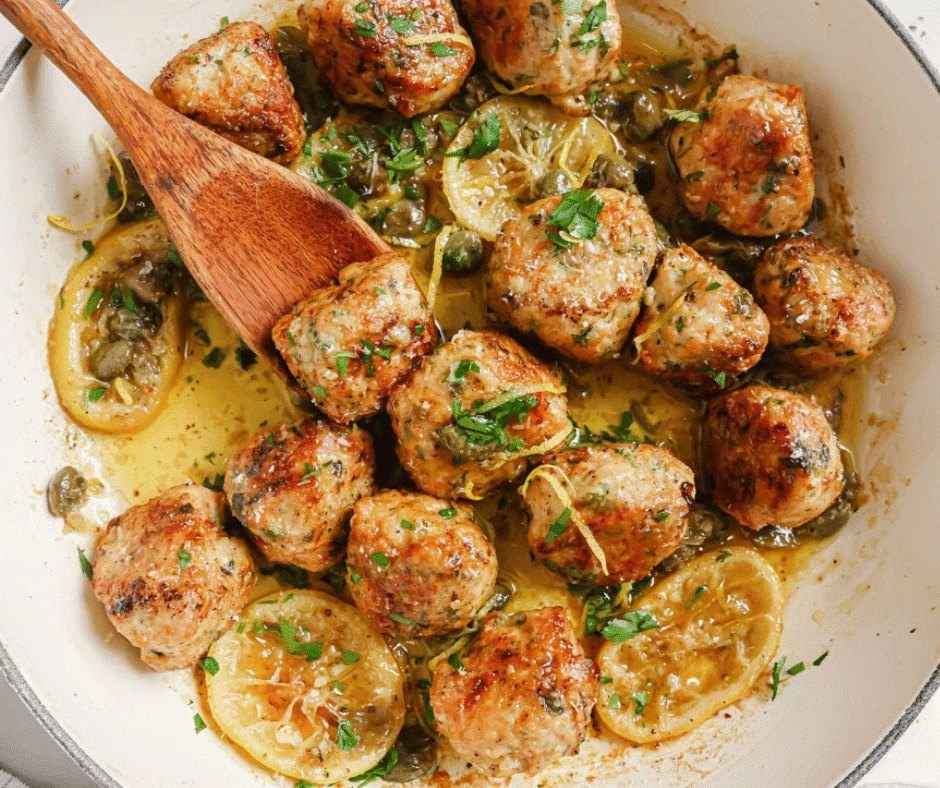
I dare you to taste this and not go back for seconds. The first bite is a burst of lemony brightness that cuts through the savory meat, followed by the briny pop of capers and the silky sheen of butter‑wine sauce. The meatballs themselves are tender yet firm, with a golden crust that shatters like thin ice when you bite. If you’ve ever struggled with bland meatballs or over‑cooked chicken, you’ll notice the difference right away: the flavor is layered, the texture is impeccable, and the whole dish feels like a gourmet triumph.
What makes this version hands down the best you’ll ever make at home? It’s not just the combination of ingredients but the way they’re brought together with precision and a dash of culinary daring. I’ve refined the technique so that the sauce coats the meatballs like velvet, the lemon zest is bright without being overpowering, and the capers add that subtle, salty zing that lifts the entire dish. Picture yourself pulling this out of the oven, the whole kitchen smelling incredible, and knowing that you’re about to serve a crowd‑pleaser that will have them begging for the recipe.
And now the fun part: I’m going to walk you through every single step. By the end, you’ll wonder how you ever made it any other way. Trust me, if you’ve ever struggled with meatballs, you’re not alone — and I’ve got the fix. Let’s dive in.
What Makes This Version Stand Out
- Flavor Fusion: The marriage of lemon, capers, and white wine creates a bright, savory profile that’s both refreshing and comforting. The sauce isn’t just a coating; it’s a character that dances on your tongue.
- Texture Triumph: Ground chicken is lean, so the meatballs remain juicy without becoming rubbery. A light breading technique keeps the exterior crisp while sealing in moisture.
- Time Efficiency: Prep takes 15 minutes, cooking 30, and the dish is ready in 45. It’s the perfect dinner for busy nights yet still feels indulgent.
- Ingredient Integrity: I use fresh parsley, a real lemon, and a splash of dry white wine instead of canned substitutes. The quality of each component elevates the overall taste.
- Make‑Ahead Friendly: The meatballs can be baked, refrigerated, or frozen, then finished in the sauce. It’s a versatile recipe that fits any schedule.
- Show‑stopper Appeal: The golden crust, bright sauce, and aromatic herbs make this dish look as good as it tastes—ideal for impressing guests.
Alright, let’s break down exactly what goes into this masterpiece…
Inside the Ingredient List
The Flavor Base
The foundation of any great sauce is aromatics. Garlic cloves, when minced finely, release a sweet, almost floral note that balances the acidity of lemon. If you skip the garlic, the sauce loses its depth and feels flat. I recommend using fresh, organic cloves for maximum punch. A quick tip: keep the cloves whole for a milder flavor, or crush them for a more pronounced bite.
The Texture Crew
Ground chicken is lean, which can lead to dry meatballs if over‑mixed. The trick is to combine the chicken with a beaten egg and a handful of parsley, then fold in the Italian seasoning and paprika. The egg acts as a binder, while the parsley adds moisture and a hint of earthiness. If you’re concerned about dryness, add a splash of milk or a tablespoon of grated parmesan to the mixture.
The Unexpected Star
Capers are the unsung hero of this dish. They bring a briny, salty flavor that cuts through the richness of the butter and wine. Many recipes overlook them, but capers are essential for that authentic piccata vibe. If capers are unavailable, a small amount of anchovy paste dissolved in a little water can mimic their effect.
The Final Flourish
Lemon zest is the finishing touch that elevates the sauce from good to great. Zest contains the citrus oils that give lemon its bright aroma without the acidity of juice. A pinch of zest at the end of cooking brightens the entire dish. If you can’t find fresh lemons, a splash of lemon extract will work, but fresh is best.
Everything's prepped? Good. Let's get into the real action…
The Method — Step by Step
- In a large bowl, combine the ground chicken, egg, Italian seasoning, paprika, minced garlic, parsley, salt, and cracked pepper. Mix gently with your hands or a wooden spoon until just incorporated; over‑mixing can toughen the meat. The mixture should feel cohesive but still slightly loose. This is the moment of truth—your meatballs’ foundation.
- Shape the mixture into bite‑size balls, about 1.5 inches in diameter. If you prefer a uniform look, use a melon baller or a small cookie scoop. Place the meatballs on a parchment‑lined tray and refrigerate for 15 minutes; chilling helps them hold shape during cooking.
- Heat 2 tablespoons of olive oil in a large skillet over medium‑high heat. When the oil shimmers, add the meatballs in batches, making sure not to overcrowd the pan. Sear each side for 2–3 minutes until golden brown. The crust should crackle softly, a sign that the exterior is sealing in juices.
- Remove the browned meatballs and set them aside. In the same skillet, lower the heat to medium and add 2 tablespoons of butter. Once melted, add the lemon zest and stir for 30 seconds until fragrant—this releases the essential oils that will carry the flavor through the sauce.
- Pour in the white wine and deglaze the pan, scraping up any browned bits. Let the wine reduce by half, about 2–3 minutes. The reduction concentrates the flavor and thickens the sauce slightly. Watch the color shift from bright to a richer amber.
- Add the capers and fresh parsley, then pour in 2 tablespoons of lemon juice. Stir to combine, allowing the sauce to simmer for 1–2 minutes. The lemon juice adds brightness while the capers bring that briny punch.
- Return the meatballs to the skillet, nestling them into the sauce. Reduce the heat to low, cover, and let everything simmer gently for 10 minutes. The sauce should coat the meatballs like velvet, and the meatballs will finish cooking through without drying out.
- Finish with a sprinkle of grated parmesan cheese and an extra drizzle of lemon juice if you like a sharper bite. Serve immediately over pasta, rice, or crusty bread to soak up the luscious sauce.
That’s it—you did it. But hold on, I've got a few more tricks that will take this to another level…
Insider Tricks for Flawless Results
The Temperature Rule Nobody Follows
Many cooks over‑cook chicken meatballs by using high heat for too long. I recommend searing at medium‑high for a short burst, then finishing on low heat in the sauce. This method locks in juices and prevents a dry interior. A friend tried the high‑heat method once—let's just say the meatballs felt like rubber bands.
Why Your Nose Knows Best
As the sauce simmers, your nose will start to detect the citrus oils and the buttery aroma. When you smell the first hint of lemon, you know the reduction is ready. Trust your olfactory senses; they’re your best sous‑chef.
The 5‑Minute Rest That Changes Everything
After cooking, let the meatballs rest in the sauce for 5 minutes before serving. This rest period allows the flavors to meld, and the meatballs absorb the sauce more fully. I’ve seen the texture improve dramatically—juicier, more cohesive, and incredibly flavorful.
Use a Skillet with a Lid
Covering the skillet during the simmering phase traps steam, ensuring the meatballs cook evenly without drying out. If you don’t have a lid, a large sheet of parchment paper can serve as a makeshift cover.
Fresh Herbs Are Key
The final sprinkle of parsley is not just for color; it adds a fresh, bright finish that lifts the entire dish. If you’re in a pinch, dried parsley can work, but the aroma and flavor will be noticeably weaker.
Creative Twists and Variations
This recipe is a playground. Here are some of my favorite ways to switch things up:
Herb‑Infused Chicken Piccata
Swap the fresh parsley for a mix of basil, oregano, and thyme. The herbs give a Mediterranean twist that pairs wonderfully with a side of grilled vegetables.
Spicy Piccata Meatballs
Add a pinch of red pepper flakes to the meat mixture or drizzle a dash of hot sauce into the sauce. The heat contrasts nicely with the citrusy brightness.
Cheesy Capers Delight
Fold in shredded mozzarella or goat cheese into the meatball mixture before baking. The cheese melts into the meat, creating pockets of gooey, savory flavor.
Vegetarian Piccata
Replace ground chicken with finely chopped spinach and quinoa for a protein‑rich, plant‑based version. The texture remains tender, and the sauce still shines.
Gluten‑Free Piccata
Use a gluten‑free flour blend or crushed nuts as a binder instead of traditional breadcrumbs. This keeps the dish gluten‑free without sacrificing texture.
Storing and Bringing It Back to Life
Fridge Storage
Store cooked meatballs in an airtight container for up to 3 days. Reheat gently in the sauce over low heat, stirring occasionally until warmed through. The sauce’s moisture helps keep the meatballs juicy.
Freezer Friendly
Freeze individual meatballs in a single layer on a parchment‑lined tray, then transfer to a freezer bag. They’ll keep for up to 3 months. When ready, bake at 375°F for 15 minutes, then finish in the sauce.
Best Reheating Method
Reheat the sauce on the stovetop, adding a tiny splash of water or broth to maintain moisture. The sauce should be hot but not boiling to avoid burning the butter. Serve over freshly cooked pasta for a restaurant‑style experience.