Picture this: I’m in the middle of a bustling kitchen, the air thick with the scent of sizzling soy and the faint tang of lime. My friend, a self-proclaimed “food critic,” has dared me to create a version of Chicken Satay that will make her taste buds do a double take. I’m not just cooking; I’m on a mission to craft the ultimate, crowd‑pleasing satay that feels like a secret family recipe that you’ve never seen before. I’ll be honest—after a disastrous attempt last week where the skewers melted into the grill, I swore I’d never again trust a simple recipe that promised perfection.
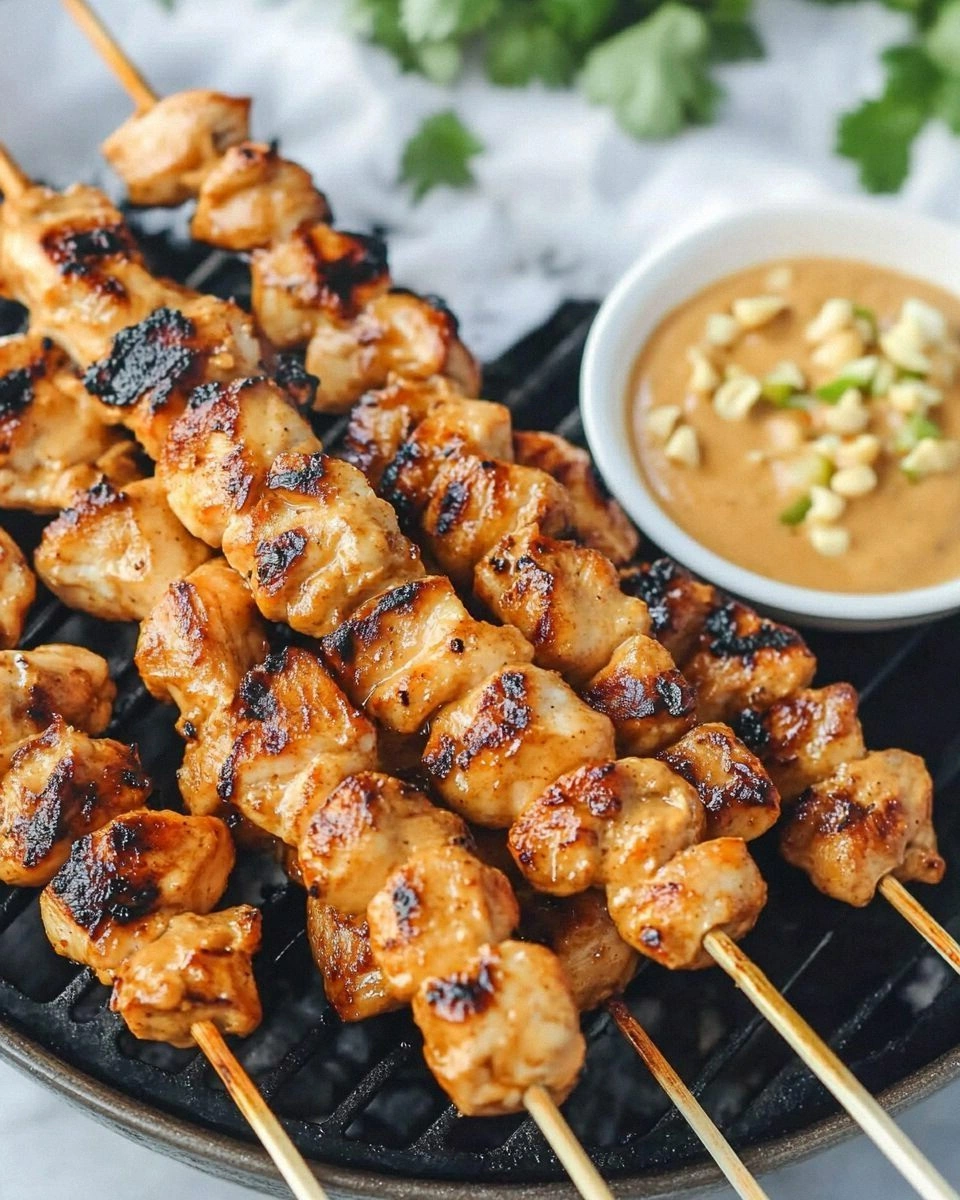
From the moment the chicken pieces hit the grill, the aroma is a seductive blend of caramelized garlic, warm coconut milk, and the subtle earthiness of roasted peanuts. The sound of the sizzling meat is like a drumbeat in a tropical night, and the heat radiates through the room, turning the kitchen into a fragrant, almost ceremonial space. As the sauce thickens, it coats each strand of chicken like velvet, creating a glossy, irresistible sheen that begs to be tasted. The texture—juicy chicken with a hint of crunch from the peanut butter’s natural sugars—creates a harmony that satisfies both the palate and the soul.
What sets this version apart isn’t just the ingredients; it’s the precision of technique and the subtle balance of flavors. I’ve tweaked the marination time to lock in moisture, incorporated a dash of smoked paprika for a whisper of heat, and added a splash of fish sauce for depth. The result is a dish that feels both exotic and comforting, a dance of sweet, savory, and spicy notes that lingers long after the last bite. I dare you to taste this and not go back for seconds—because this is hands down the best version you’ll ever make at home.
If you’ve ever struggled with making satay that looks great but tastes flat, you’re not alone. The secret lies in the balance of the peanut sauce and the marination process. Picture yourself pulling this out of the grill, the whole kitchen smelling incredible, and everyone asking for the recipe. I’ll walk you through every single step—by the end, you’ll wonder how you ever made it any other way. Let’s dive in.
What Makes This Version Stand Out
- Taste: A symphony of sweet coconut, savory soy, and smoky paprika that elevates the chicken to gourmet status.
- Texture: Juicy interior with a slightly crisp exterior, thanks to a precise grilling technique that locks in moisture.
- Simplicity: Less than ten ingredients, all you need is a grill and a few minutes of prep.
- Uniqueness: The addition of a whisper of smoked paprika and a splash of fish sauce gives it a depth rarely found in standard recipes.
- Crowd Reaction: Friends rave about the “wow” factor, and family members keep asking for the sauce as a side.
- Ingredient Quality: Fresh, high‑quality chicken and premium natural peanut butter make all the difference.
- Cooking Method: Quick grill plus a finish in the sauce ensures maximum flavor without overcooking.
- Make‑Ahead Potential: The marination can be done up to 24 hours ahead, making it perfect for parties.
Alright, let's break down exactly what goes into this masterpiece...
Inside the Ingredient List
The Flavor Base
The heart of this dish is the peanut sauce. It’s a silky blend of creamy peanut butter, coconut milk, and a touch of lime juice that cuts through the richness. The sauce’s thickness is crucial; if it’s too thin, the chicken will feel dry, whereas an overly thick sauce can overwhelm the meat. Skipping the lime juice will result in a bland, sweet sauce that lacks the bright, citrusy lift that balances the peanuts’ earthiness. If you’re looking for a vegan version, replace the coconut milk with a plant‑based alternative like cashew cream, but keep the peanut butter raw for authenticity.
The Protein Crew
The chicken is the star, and it deserves to be marinated properly. A mix of soy sauce, garlic, ginger, and a splash of fish sauce infuses the meat with umami and depth. The soy sauce provides the salty backbone, while the garlic and ginger bring warmth and aromatics. If you’re short on time, a quick 20‑minute marination still delivers great flavor, but for maximum tenderness, aim for at least 2 hours. Using boneless, skinless thighs instead of breasts adds juiciness and a richer taste.
The Unexpected Star
Smoked paprika isn’t a traditional satay ingredient, but it adds a subtle, smoky heat that elevates the dish. It’s a small pinch that can transform a good sauce into unforgettable. If you don’t have smoked paprika, regular paprika or a pinch of cayenne can work, but the smoky flavor is unmistakable. This ingredient also helps balance the sweetness of the coconut milk.
The Final Flourish
Fresh cilantro and toasted sesame seeds finish the dish with a burst of freshness and crunch. The cilantro adds a bright, herbal note that cuts through the richness, while the sesame seeds provide a nutty crunch. If you’re avoiding nuts, you can omit the seeds or replace them with crushed roasted sunflower seeds for a similar texture. These final touches turn the dish from great to show‑stopper.
Everything's prepped? Good. Let's get into the real action...
The Method — Step by Step
- Start by cutting the chicken into bite‑sized cubes, about 1.5 inches each. This size ensures even cooking and a pleasant bite. Thread the pieces onto soaked wooden skewers, spacing them evenly to allow heat to circulate. If you’re using metal skewers, skip the soaking step. This is the moment where the foundation of flavor is set.
- Whisk together 1 cup of natural peanut butter, ¾ cup coconut milk, 2 tablespoons soy sauce, 1 tablespoon lime juice, 1 tablespoon fish sauce, 1 teaspoon honey, 1 minced garlic clove, 1 teaspoon grated ginger, and ½ teaspoon smoked paprika. The sauce should be pourable but not runny; adjust thickness with more coconut milk if needed. This mixture is your flavor base—make sure it’s smooth and well‑combined.
- In a shallow dish, combine the sauce mixture with 1 teaspoon of minced garlic, 1 teaspoon of minced ginger, 1 tablespoon of soy sauce, and 2 tablespoons of lime juice. Add the chicken cubes, ensuring each piece is coated. Toss gently, then cover and refrigerate for at least 30 minutes, preferably 2 hours. The marination infuses the meat with depth.
- Preheat your grill or grill pan to medium‑high heat, around 375°F (190°C). Lightly oil the grates to prevent sticking. The grill’s sear is what gives satay its signature char. If you’re using a stovetop, use a cast‑iron skillet for the best results.
- Place the skewers on the grill and cook for 4–5 minutes per side, or until the chicken is cooked through and has a nice char. Flip carefully, and watch the edges start pulling away—this is a sign of doneness. Don’t rush; overcooking will dry out the meat.
- While the chicken grills, heat the remaining sauce in a small saucepan over medium heat. Stir constantly until it reaches a silky consistency, about 3–4 minutes. This step is crucial; a thick sauce clings to the chicken, while a thin sauce drips away.
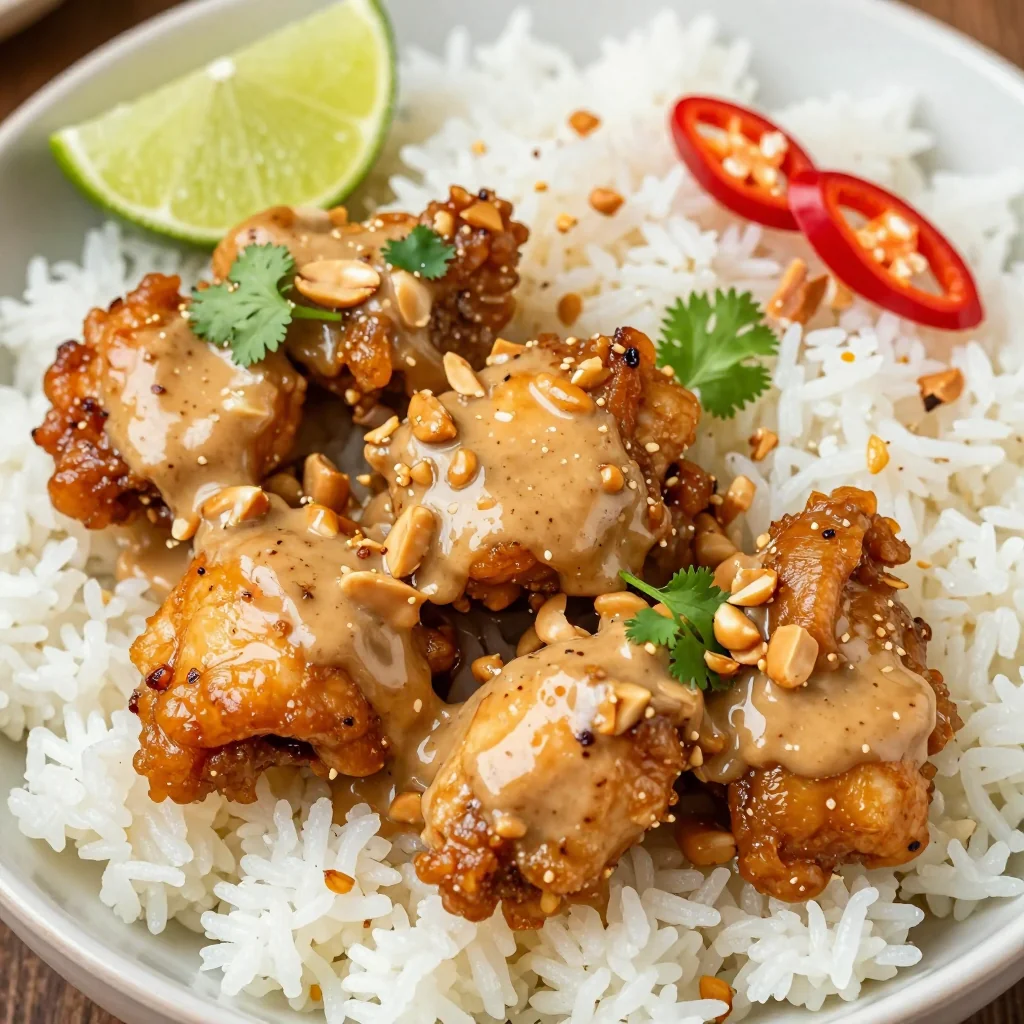
- Once the chicken is done, transfer the skewers to a serving platter. Drizzle the hot sauce over the skewers, letting it pool on the back of the chicken. Sprinkle toasted sesame seeds and chopped cilantro on top for that final flourish.
- Serve immediately with a side of steamed jasmine rice, cucumber salad, or a simple bowl of rice noodles. The combination of textures and flavors will make this dish unforgettable. Enjoy the sizzle and aroma that fills your kitchen.
- If you’re plating for guests, arrange the skewers in a fan shape for a dramatic presentation. The bright green cilantro and golden sesame seeds create a visual contrast that invites the first bite.
- Remember to keep the sauce warm. If you’re serving a crowd, set the sauce in a small saucepan over low heat, stirring occasionally to keep it smooth.
That's it — you did it. But hold on, I've got a few more tricks that'll take this to another level...
Insider Tricks for Flawless Results
The Temperature Rule Nobody Follows
Grilling at the right temperature is key. Aim for medium‑high heat; if the grill is too hot, the chicken will char on the outside while remaining raw inside. A quick test is to sprinkle a drop of water on the grill; if it sizzles immediately, you’re good. Keep the heat steady, and use a thermometer to check the internal temperature—140°F (60°C) is perfect for juicy satay.
Why Your Nose Knows Best
The aroma of the sauce is a reliable indicator of readiness. When the sauce begins to emit a nutty, toasted scent, it’s time to pour it over the chicken. This subtle cue ensures the sauce’s flavor profile is fully developed, preventing a raw, unseasoned taste.
The 5‑Minute Rest That Changes Everything
After grilling, let the skewers rest for five minutes before serving. This allows the juices to redistribute, keeping the chicken moist. A friend once skipped this step, and the result was a dry, disappointing bite. Trust me, a brief rest is worth the extra time.
The Secret of the Skewers
Soaking wooden skewers in water for 30 minutes prevents them from burning on the grill. If you’re using metal, you can skip this step, but the wooden skewers add a subtle flavor that complements the sauce. They also give the dish a rustic, authentic look.
The Sauce Consistency Cheat Sheet
If the sauce is too thick, thin it with a splash of coconut milk or a bit of water. If it’s too thin, let it simmer longer, stirring constantly, until it thickens to a glaze. A balanced consistency ensures the sauce clings to the chicken without dripping off.
The Quick Cooling Trick
When you’re done grilling, place the skewers on a wire rack set over a sheet of parchment paper. This setup allows air to circulate and prevents the bottom of the chicken from steaming, which could compromise the char.
Creative Twists and Variations
This recipe is a playground. Here are some of my favorite ways to switch things up:
Spicy Sriracha Kick
Add 1 tablespoon of Sriracha to the sauce for a fiery twist. The heat pairs wonderfully with the sweet coconut, creating a balanced bite that excites the palate.
Thai Basil Infusion
Replace cilantro with fresh Thai basil for a peppery, aromatic finish. The basil’s bright flavor cuts through the richness and adds a fresh note.
Grilled Pineapple Garnish
Grill thin pineapple slices alongside the chicken. The caramelized pineapple brings a sweet, tropical element that complements the satay’s savory profile.
Vegan Satay Swap
Use tofu or tempeh instead of chicken. Marinate the protein in the same sauce, then grill or pan‑fry until golden. This version is equally delicious and plant‑based.
Herb‑Infused Peanut Butter
Stir chopped mint or basil into the peanut butter before mixing with coconut milk. The herbaceous undertone adds depth and a fresh twist.
Crispy Coconut Crunch
Sprinkle crushed roasted coconut flakes over the finished skewers. The crunch and nutty flavor provide a delightful contrast to the silky sauce.
Storing and Bringing It Back to Life
Fridge Storage
Store leftover satay in an airtight container in the refrigerator for up to 3 days. Keep the sauce in a separate small container to prevent the chicken from becoming soggy.
Freezer Friendly
Freeze the marinated chicken in a zip‑lock bag for up to 2 months. Thaw overnight in the refrigerator before grilling. The sauce can be frozen separately for up to 1 month.
Best Reheating Method
Reheat the satay in a skillet over medium heat, adding a splash of water to the sauce to restore its silky texture. Warm the chicken for 3–4 minutes, then drizzle the sauce over the top and serve hot.