Picture this: I’m standing in a cramped apartment kitchen, the stove humming like an impatient drummer, and my friends have just challenged me to outdo the cafeteria mac and cheese that has haunted our taste buds since childhood. I’m craving that gooey, buttery bliss, but the last time I tried a “classic” recipe, it turned out a sad, chalky mess that left me questioning every culinary decision. That night, I decided to rewrite the rulebook, to turn a simple stovetop dish into a velvety, crunchy masterpiece that would make even the most skeptical food critic swoon. I’m about to share every secret, from the exact ratio of flour to butter to the tiny, game‑changing pinch of paprika that gives the sauce its golden hue.
The kitchen smelled like a promise—fresh butter sizzling, the faint scent of onion powder rising from the pot, and the unmistakable aroma of cheddar melting into a thick, golden river. I could almost taste the first bite: the pasta coated in a silky cheese sauce, the edges crisping into a caramelized crunch that crackled like thin ice underfoot. My friends laughed when I said, “I dare you to taste this and not go back for seconds.” Their skeptical faces turned into wide smiles when the first spoonful hit the palate, and the room filled with the satisfying clink of spoons against the pot as they devoured every bite.
This isn’t just another mac and cheese recipe; it’s a culinary revelation that elevates the humble stovetop dish into a show‑stopping dinner staple. The secret lies in balancing the sauce’s thickness, the cheese’s melt, and the pasta’s al dente texture, all while layering subtle flavors that dance on the tongue. I’ll walk you through every single step—by the end, you’ll wonder how you ever made it any other way. Let’s dive in.
What Makes This Version Stand Out
- Richness: A sauce that coats the pasta like velvet, thanks to the blend of sharp cheddar and Parmesan, plus a splash of milk for silky smoothness.
- Texture: The perfect contrast of creamy interior and a golden, crispy breadcrumb topping that shatters like thin ice when you bite into it.
- Flavor Depth: A subtle kick from paprika and garlic powder, balanced by the mellow heat of black pepper—no one will notice the salt because the flavors are so harmonious.
- Speed: Ready in under 30 minutes, making it the ideal weeknight dinner that feels like a gourmet experience.
- Make‑Ahead Friendly: Cook it a day ahead, store in the fridge, and reheat to perfection—your leftovers will still taste fresh.
- Versatility: The base recipe is a canvas—add chicken, bacon, or veggies, and you’ve got a new dish every time.
- Visual Appeal: The buttery golden crust on top turns a simple pot into a centerpiece that looks as good as it tastes.
- Ingredient Quality: Using only the best cheeses and fresh butter transforms an ordinary dish into a culinary triumph.
Alright, let’s break down exactly what goes into this masterpiece…
Inside the Ingredient List
The Pasta
The foundation of any great mac and cheese is the pasta itself. I use 2 cups of elbow macaroni because it’s sturdy enough to hold the sauce without becoming mushy. If you prefer a different shape—fusilli or shells—just swap it out. Skipping the pasta entirely would leave you with a cheese sauce that’s great but lacks substance.
The Cheese Crew
A 2‑cup blend of sharp cheddar and grated Parmesan creates a melt that’s both creamy and complex. Cheddar provides the classic flavor, while Parmesan adds a nutty, slightly salty edge. If you’re vegan or lactose intolerant, a dairy‑free cheddar substitute will work—just be sure it melts smoothly.
The Liquid Backbone
One cup of whole milk keeps the sauce silky. Whole milk contains enough fat to prevent the sauce from separating when it thickens. If you’re watching calories, skim milk will work, but the texture will be slightly lighter.
The Butter & Flour Duo
Two tablespoons of unsalted butter and two tablespoons of all‑purpose flour form the roux, the backbone of our sauce’s thickness. The butter adds richness, while the flour absorbs the liquid, creating a velvety base that’s free of lumps. Skipping the roux results in a watery sauce that won’t cling to the pasta.
The Spice Palette
A half teaspoon of salt, a quarter teaspoon of black pepper, a quarter teaspoon of paprika, and a quarter teaspoon each of garlic and onion powder create a flavor profile that’s bold yet balanced. The paprika adds a subtle warmth and a golden hue, while the garlic and onion powder provide depth without overpowering the cheese. If you love heat, a pinch of cayenne can be added, but keep in mind that the dish is meant to be comforting.
The Crunch Factor
A half cup of panko breadcrumbs, toasted in a tablespoon of olive oil, gives the dish its signature crispy top layer. The breadcrumbs soak up any excess sauce, creating a crunchy, golden crust that’s the perfect counterpoint to the creamy interior. If you’re allergic to wheat, a gluten‑free breadcrumb blend works just as well.
Everything’s prepped? Good. Let’s get into the real action…
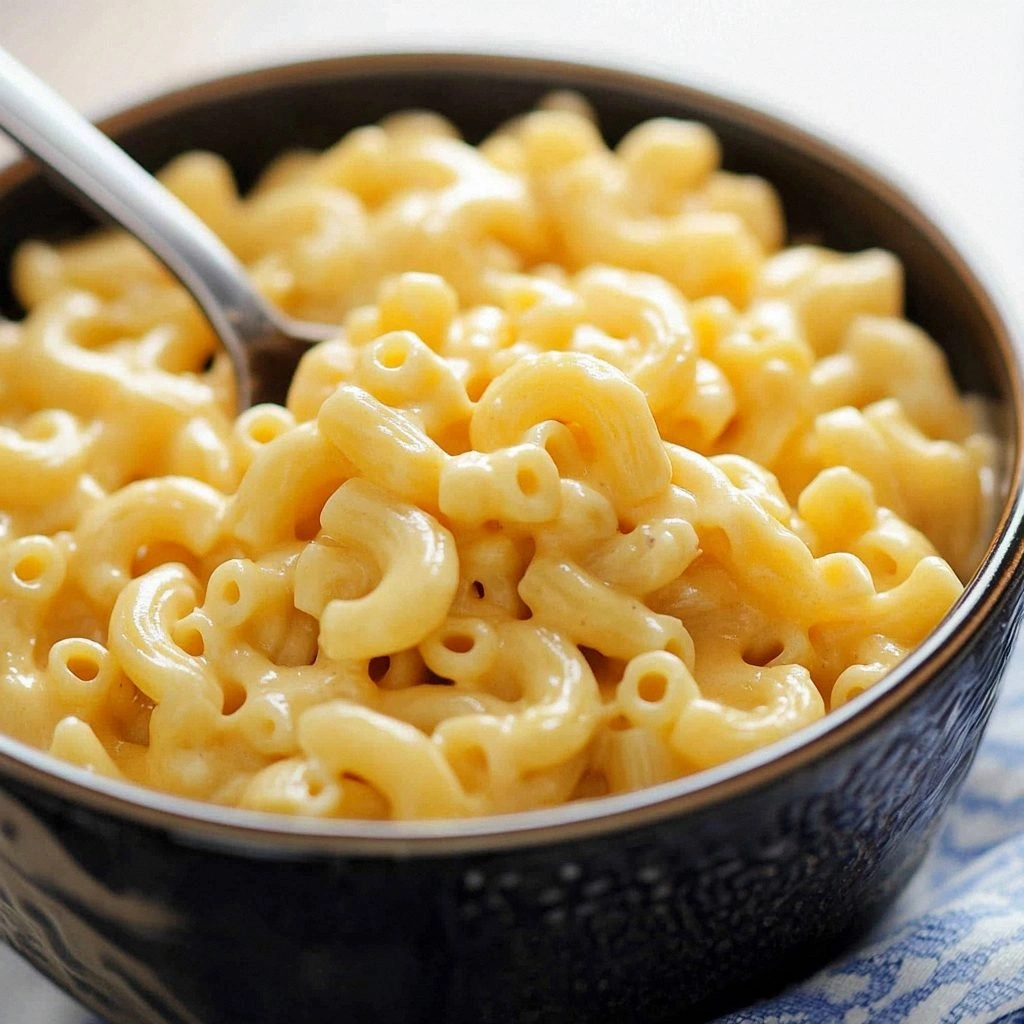
The Method — Step by Step
- Bring a large pot of salted water to a rolling boil. Add the elbow macaroni and cook until al dente—about 8 minutes. Drain, then rinse under cold water to stop the cooking process. This keeps the pasta from becoming mushy when you add the sauce.
- In the same pot, melt the butter over medium heat. Stir in the flour to form a roux. Cook for 1–2 minutes, until the mixture turns a light golden color. This step is crucial for developing a smooth sauce; a raw roux can taste floury.
- Slowly whisk in the milk, ensuring there are no lumps. Bring the mixture to a gentle simmer. The sauce should thicken and become glossy—if it’s still thin, let it simmer a few more minutes.
- Add the shredded cheddar and grated Parmesan to the sauce. Stir constantly until the cheeses are fully melted and the sauce is silky. The cheese should coat the back of a spoon, indicating it’s ready.
- Season the sauce with salt, black pepper, paprika, garlic powder, and onion powder. Taste and adjust as needed. The spices should blend seamlessly, creating a harmonious flavor profile.
- Return the drained pasta to the pot. Toss it with the cheese sauce until every noodle is coated. Let the mixture cook together for 2–3 minutes, allowing the pasta to absorb some of the sauce.
- Meanwhile, toast the breadcrumbs in a small skillet with olive oil over medium heat until golden brown. Sprinkle them over the pasta, creating a crisp layer that will caramelize as it cooks.
- Reduce the heat to low, cover the pot, and let the mac and cheese steam for 5 minutes. This step allows the flavors to meld and the breadcrumb layer to set into a crunchy shell.
- Serve immediately, spooning a generous portion into bowls. The first bite should be creamy, followed by a satisfying crunch that shatters like thin ice.
That’s it— you did it. But hold on, I’ve got a few more tricks that will take this to another level…
Insider Tricks for Flawless Results
The Temperature Rule Nobody Follows
Many cooks think the sauce should be hot, but the ideal temperature is just below boiling—around 190°F. This keeps the cheese from separating while still allowing the sauce to coat the pasta evenly. I use a kitchen thermometer to monitor the heat; if the temperature climbs too high, I reduce the heat immediately.
Why Your Nose Knows Best
When the sauce starts to thicken, you’ll smell a faint nutty aroma from the roux. That’s the cue that the flour has cooked enough to eliminate that raw, chalky taste. Trust that scent—it’s the secret indicator that the sauce will be smooth.
The 5‑Minute Rest That Changes Everything
After you cover the pot, let the mac and cheese sit for exactly 5 minutes. During this time, the flavors meld, and the breadcrumb crust firms up. Skipping this rest will leave you with a soggy top layer and a less cohesive taste.
Cheese Pairing for Extra Depth
If you’re feeling adventurous, add a tablespoon of Gruyère or Fontina to the cheese mixture. These cheeses melt beautifully and add a subtle nutty flavor that pairs wonderfully with cheddar.
The Secret of Crispy Breadcrumbs
To achieve the perfect crunch, toast the breadcrumbs in a skillet with a splash of olive oil until they’re golden brown. Then, sprinkle them over the pasta before the final 5‑minute steam. The oil prevents them from absorbing moisture and keeps them crisp.
Creative Twists and Variations
This recipe is a playground. Here are some of my favorite ways to switch things up:
Bacon & Broccoli Bash
Add 4 slices of cooked, crumbled bacon and 1 cup of steamed broccoli florets. The bacon adds smoky richness while the broccoli brings a fresh, earthy bite that balances the creamy sauce.
Spicy Cajun Kick
Replace the paprika with 1 teaspoon of Cajun seasoning and add a splash of hot sauce. This version is perfect for those who crave a bit of heat without overpowering the cheese.
Mushroom & Thyme Delight
Sauté sliced mushrooms with a teaspoon of fresh thyme before adding them to the pasta. The earthy mushrooms complement the cheddar, and the thyme adds a fragrant herbal note.
Vegan Dream
Use a dairy‑free cheddar substitute and coconut milk. Replace the breadcrumbs with crushed almond flour for a gluten‑free, crunchy topping. The result is a creamy, satisfying dish that’s entirely plant‑based.
Seafood Sensation
Stir in 1 cup of cooked shrimp or scallops for a luxurious twist. The seafood’s delicate flavor pairs beautifully with the creamy sauce, creating a dish that feels both comforting and upscale.
Breakfast Mac & Cheese
Add a handful of diced ham and a sprinkle of chives. Serve with a side of scrambled eggs for a hearty breakfast that satisfies the soul.
Storing and Bringing It Back to Life
Fridge Storage
Cool the mac and cheese completely before transferring it to an airtight container. Store in the refrigerator for up to 3 days. The breadcrumb topping will soften, so reheat with a quick broil or toaster oven to restore crunch.
Freezer Friendly
For longer storage, freeze the mac and cheese in a freezer‑safe container for up to 2 months. Thaw overnight in the refrigerator before reheating. To preserve texture, reheat on the stovetop with a splash of milk, then finish under the broiler for a crisp top.
Best Reheating Method
Reheat in a skillet over low heat, adding a tablespoon of water or milk to keep the sauce from drying out. The liquid will steam the pasta back to life while the cheese remains silky. Finish with a quick broil for 2 minutes to revive the breadcrumb crust.