I was halfway through a midnight snack run, craving something that felt like a hug in a bowl, when the kitchen exploded in a miniature fireworks display—my skillet, my oil, and a rogue splash of pasta sauce turned into a sticky mess that looked more like a science experiment than dinner. The heat hit my ears, the aroma of garlic and onions danced with a faint citrus tang from the basil, and the sound of sizzling was the soundtrack to my culinary disaster. I stared at the charred edges, feeling the frustration, and thought, “If this is what I can’t handle, how am I supposed to cook for a crowd?” That moment sparked a dare: I would create a creamy, high‑protein cottage cheese pasta that would not only rescue the night but also outshine every other version that’s been tossed into my pantry over the years. Hands down, this is the best version you'll ever make at home. The sauce coats the pasta like velvet, and the turkey keeps the dish hearty without compromising on flavor.
Picture yourself pulling this out of the pan, the whole kitchen smelling incredible, and the first bite sending a burst of umami that makes you question every other pasta recipe you’ve ever tried. I dare you to taste this and not go back for seconds, because the blend of cottage cheese and fresh basil creates a silky texture that melts in your mouth, while the red pepper flakes give just enough bite to keep your palate engaged. The moment the spinach wilts into a glossy, green ribbon, you’ll realize how the texture of the dish shifts from firm noodles to a creamy, airy cloud—pure, unadulterated comfort. This is not just a meal; it’s a culinary revelation that turns a simple dinner into a celebration of flavors and textures.
If you've ever struggled with the balance of protein and carbs in pasta dishes, you're not alone—my first attempts were soggy, bland, and underwhelming. But the secret lies in the careful layering of ingredients: a quick sear of the turkey, a caramelized onion base, and the strategic addition of cottage cheese to thicken the sauce without turning it into a clumpy mess. The result is a dish that feels indulgent yet stays lean enough to keep you satisfied without the post‑meal sluggishness. And the best part? It’s ready in under an hour, making it a perfect solution for busy weeknights or a last‑minute dinner party that still feels gourmet.
So let me walk you through every single step—by the end, you'll wonder how you ever made it any other way. I’ve packed this guide with micro‑challenges, bold claims, and a few kitchen hacks that will elevate your cooking game from ordinary to extraordinary. Ready to transform your pasta routine? Let’s dive in.
What Makes This Version Stand Out
- Taste: The combination of cottage cheese and fresh basil delivers a creamy, tangy finish that balances the savory turkey and sweet bell pepper. Each bite offers a complex flavor profile that feels both comforting and sophisticated.
- Texture: The pasta stays al dente while the sauce thickens into a silky coating that clings to every strand. The spinach adds a subtle crunch that contrasts with the smoothness of the cheese.
- Simplicity: With only twelve ingredients and a straightforward method, you can whip up this dish in under 45 minutes, making it a go‑to meal for any schedule.
- Uniqueness: Unlike traditional cheesy pastas, this version uses cottage cheese to keep the dish light and protein‑rich, avoiding the heaviness of cream or ricotta.
- Crowd Reaction: Friends who’ve tried this version rave about the “velvet” sauce and the “just‑right” heat from the red pepper flakes—no one can resist a second helping.
- Ingredient Quality: Fresh, high‑quality produce and lean ground turkey are the foundation, ensuring each component shines without any artificial additives.
- Cooking Method: The technique of searing the turkey first and then adding the sauce allows the flavors to meld without overcooking the vegetables.
- Make‑Ahead Potential: This dish holds up beautifully, making it ideal for meal prep or a quick reheat during the week.
Inside the Ingredient List
The Flavor Base
Onion, garlic, and olive oil: These aromatics create a fragrant foundation that lifts the entire dish. The caramelized onions add a subtle sweetness, while the garlic offers depth. Skipping them would leave the sauce flat and uninspired.
The Protein Power
Ground turkey: Lean yet flavorful, it absorbs the herbs and spices, becoming the centerpiece of this pasta. If you prefer, substitute with ground chicken for a milder taste, but the turkey’s texture remains the best match. A quick sear locks in juices, preventing a dry outcome.
The Unexpected Star
Cottage cheese: It’s the secret sauce that gives the dish its creamy texture without the heaviness of heavy cream. If you’re dairy‑intolerant, a plant‑based cottage cheese works well, though the flavor profile will shift slightly. The cottage cheese also adds a subtle tang that balances the sweetness of the peppers.
The Final Flourish
Fresh basil and parmesan: These finishing touches elevate the dish from ordinary to unforgettable. The basil’s aroma is unmistakable, and the parmesan adds a savory crunch. Don’t skip these; they’re the finishing strokes that complete the masterpiece.
Everything's prepped? Good. Let's get into the real action.
The Method — Step by Step
- Step 1: Prep the pasta. Bring a large pot of salted water to a rolling boil. Add the pasta and cook according to package instructions, but stop 30 seconds early to keep it al dente. Drain and set aside, reserving a cup of pasta water for later.
- Step 2: Sear the turkey. Heat the olive oil in a large skillet over medium‑high heat. Add the ground turkey, breaking it apart with a spatula. Cook until browned and no longer pink, about 6–7 minutes, letting the natural fats render out.
- Step 3: Add aromatics. Reduce the heat to medium, then stir in the diced onion and minced garlic. Cook until the onion is translucent and fragrant, about 4 minutes. The aroma should be intoxicating—like a warm hug.
- Step 4: Introduce the peppers. Add the sliced red bell pepper to the skillet. Stir and let the peppers soften for 3 minutes. Their bright color and sweet crunch will contrast beautifully with the silky sauce.
- Step 5: Season it up. Sprinkle in the dried basil, red pepper flakes, salt, and pepper. Toss everything together, letting the spices bloom in the oil for 1 minute. The heat should be gentle, not scorching.
- Step 6: Add the sauce. Pour in the pasta sauce, stirring to combine. Let it simmer for 5 minutes so the flavors meld. The sauce should thicken slightly, developing a glossy sheen.
- Step 7: Fold in the greens. Stir in the spinach, letting it wilt into a vibrant green ribbon. The spinach will add a subtle earthiness and a pop of color that makes the dish visually appealing.
- Step 8: Finish with cottage cheese. Lower the heat to low and gently fold in the cottage cheese until the sauce becomes creamy. Watch Out: If you stir too vigorously, the cottage cheese may curdle; use a gentle fold instead.
- Step 9: Combine pasta and sauce. Return the drained pasta to the skillet, tossing it with the sauce until every strand is coated. If the mixture looks dry, drizzle in a bit more pasta water until desired consistency is achieved.
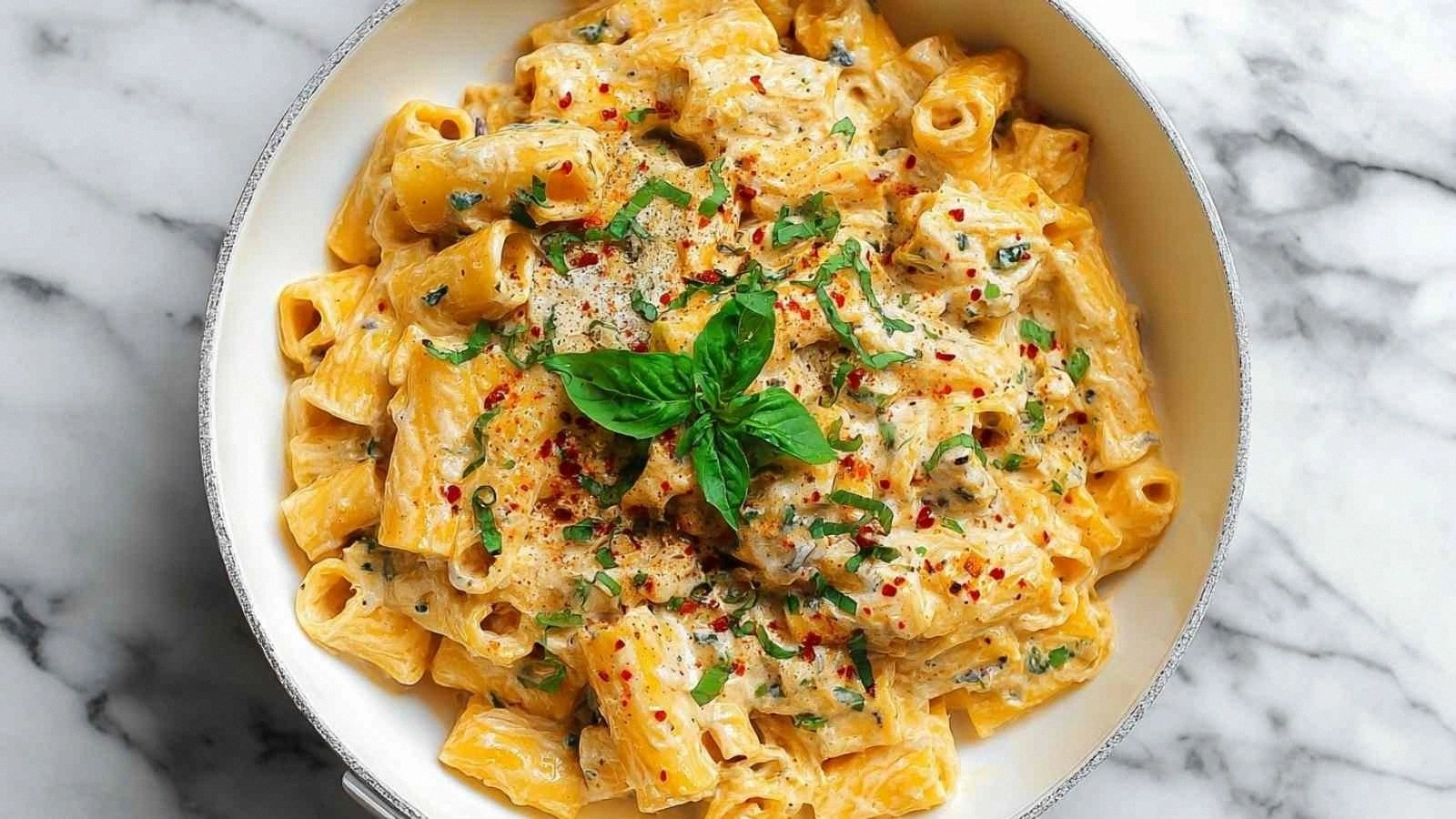
- Step 10: Garnish and serve. Sprinkle chopped fresh basil and grated parmesan over the top. Plate immediately, ensuring the sauce remains glossy and the cheese is melted into a golden finish.
That’s it—you did it. But hold on, I've got a few more tricks that'll take this to another level. These small tweaks will elevate the dish from great to unforgettable.
Insider Tricks for Flawless Results
The Temperature Rule Nobody Follows
Maintain low heat when adding cottage cheese. A gentle heat prevents curdling and keeps the sauce silky. I once tried adding it at high heat, and the result was a lumpy, rubbery texture that ruined the dish. Keep the flame low and stir slowly.
Why Your Nose Knows Best
Trust the aroma. When the onions are translucent, the smell should be sweet and buttery. If it still smells raw, give it a few more minutes. Your nose is the best indicator of doneness.
The 5-Minute Rest That Changes Everything
Let the dish rest for 5 minutes after cooking. This allows the flavors to settle, and the sauce to thicken slightly. When you plate it, the pasta will hold its shape better, and the cheese will be evenly distributed.
Balancing the Heat
Control the spice. Start with the 1/2 tsp red pepper flakes; taste before adding more. A pinch more can turn a comforting dish into a fiery one, so adjust to your preference.
Maximizing the Veggies
Use fresh, seasonal peppers. Their natural sweetness enhances the sauce. If you’re in the off‑season, frozen peppers can work, but fresh is always superior.
Serving Size Adjustments
Scale the recipe with confidence. The ingredient list is set for 4 servings, but the recipe card’s adjuster lets you double or halve the portions without losing flavor balance.
Creative Twists and Variations
This recipe is a playground. Here are some of my favorite ways to switch things up:
Spicy Cajun Kick
Swap the red pepper flakes for a tablespoon of Cajun seasoning and add a splash of hot sauce. The result is a bold, smoky flavor that pairs well with the creamy base.
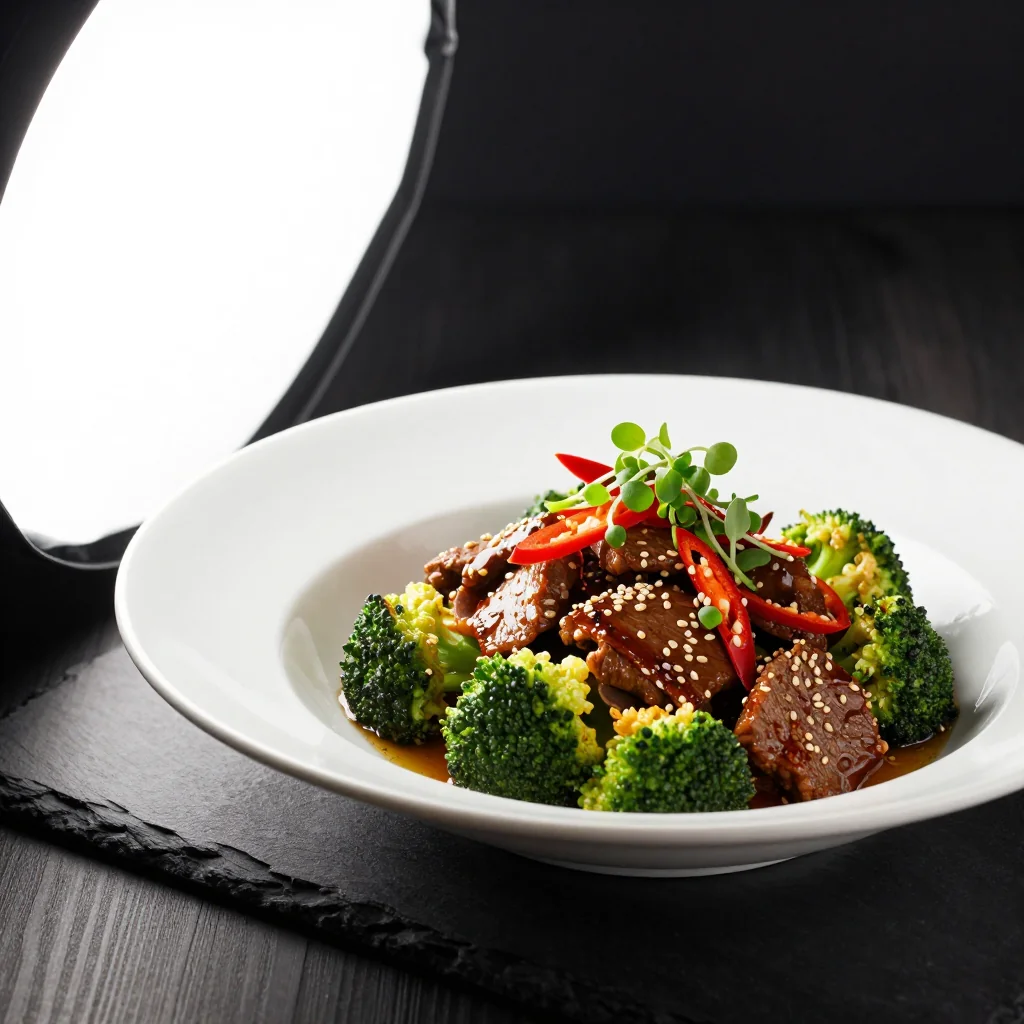
Veggie‑Loaded Powerhouse
Add sautéed mushrooms, zucchini, and broccoli to the skillet. This not only increases the fiber content but also gives the dish a rainbow of colors and textures.
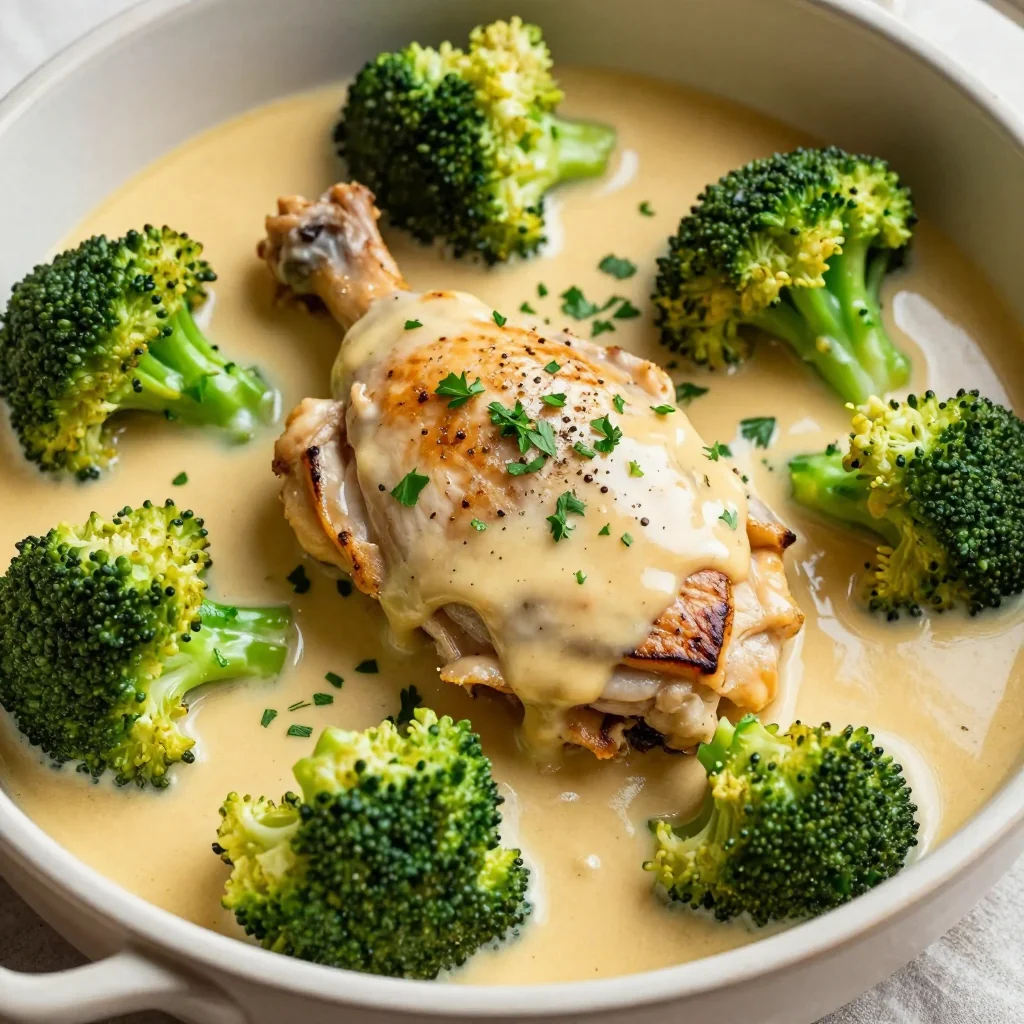
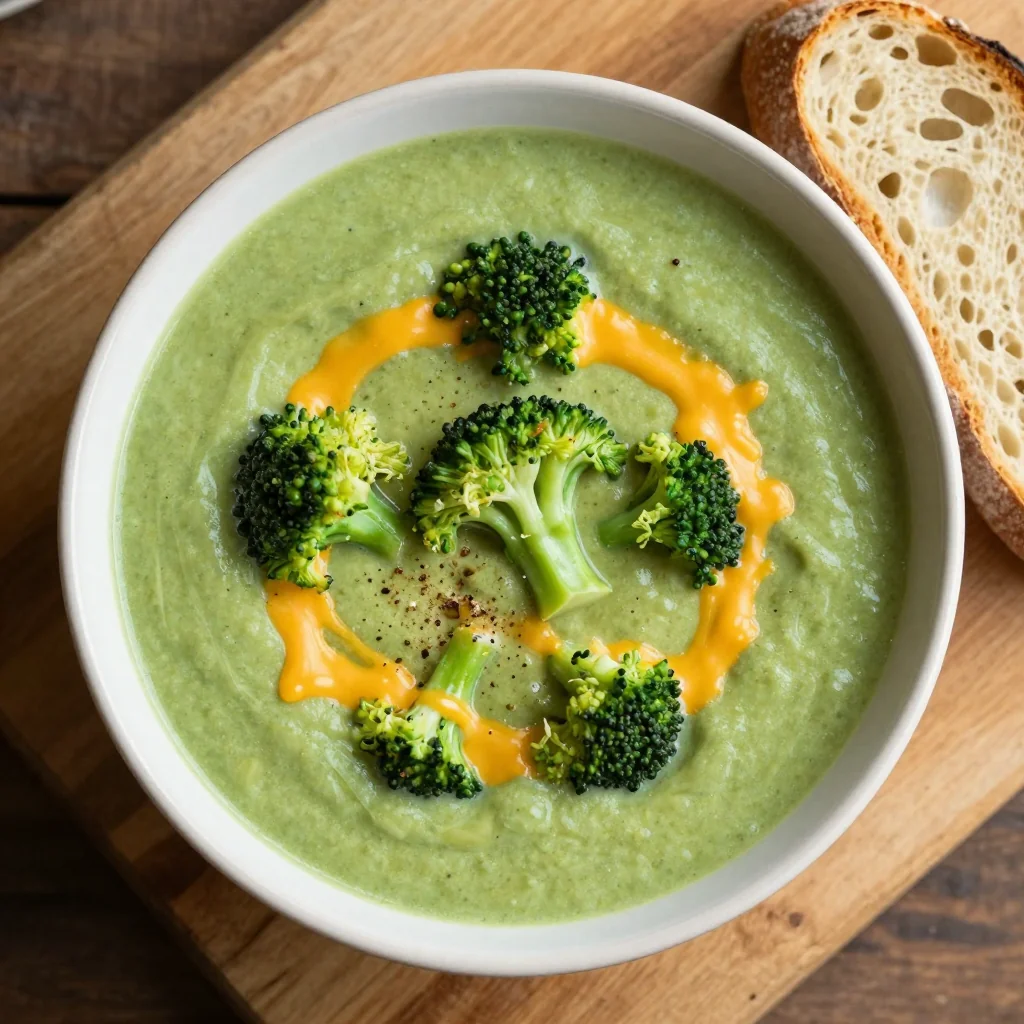
Cheesy Broccoli Bliss
Replace the spinach with steamed broccoli florets and sprinkle extra parmesan on top. The broccoli’s mild bitterness balances the sweetness of the peppers.
Herb‑Infused Delight
Incorporate fresh oregano and thyme into the sauce. The herbs lend an aromatic depth that elevates the dish to a more Mediterranean vibe.
Low‑Carb Variation
Swap the pasta for spiralized zucchini or shirataki noodles. Keep the sauce and protein the same, and you’ll have a guilt‑free version that still feels indulgent.
Breakfast Twist
Serve the sauce over scrambled eggs instead of pasta for a protein‑packed breakfast. The cottage cheese adds a creamy texture that complements the eggs perfectly.
Storing and Bringing It Back to Life
Fridge Storage
Store the cooked pasta and sauce in an airtight container for up to 3 days. Keep the cottage cheese separate until you’re ready to reheat to prevent it from becoming watery.
Freezer Friendly
Freeze the assembled dish (without the pasta) in freezer‑safe bags for up to 2 months. When ready, thaw overnight in the refrigerator and add fresh pasta just before reheating.
Best Reheating Method
Reheat in a skillet over low heat, adding a splash of water or broth to re‑create the sauce’s silky texture. Stir gently until the cottage cheese melts and the dish is hot throughout.
Now that you’ve mastered the basics, feel free to experiment with the variations. The key is to keep the balance of flavors while adding your own personal touch.