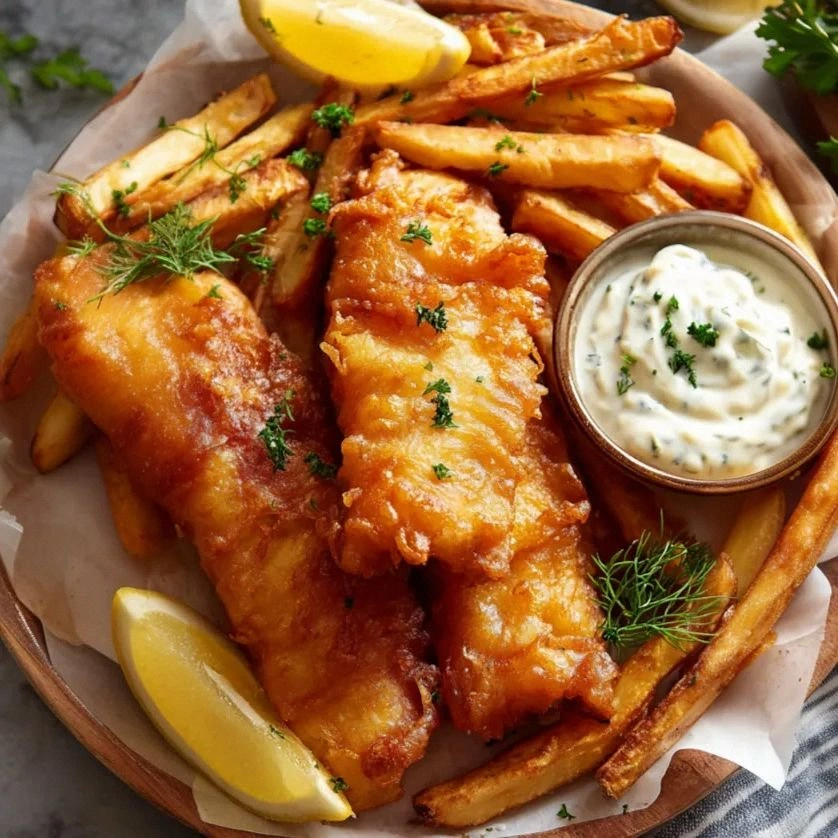
Picture this: I was in the middle of a midnight snack raid, the fridge humming, and I decided to throw together something that would satisfy my craving for crunch. I grabbed a bag of frozen cod, a bottle of beer, and a handful of flour, thinking I could make a quick batch of fish and chips. The result was a soggy disappointment that left my kitchen smelling like a failed experiment. That night, I vowed to find the secret to crispy, beer‑battered fish that would make my friends gasp. Fast forward to today, and I’ve cracked the code.
First, the sight of golden batter glistening in the pan is a promise of a perfect crunch. Then, the aroma of toasted beer and fresh cod rises, filling the room with a savory, almost buttery scent. As the fish sizzles, the sound of bubbling oil becomes a rhythmic drumbeat that signals impending delight. When you take a bite, the exterior shatters like thin ice, revealing a tender, flaky interior that melts in your mouth. The final touch is a sprinkle of sea salt that elevates every bite to pure satisfaction.
This version is hands down the best you’ll ever make at home because it marries the lightness of beer with the robust flavor of cod. The batter is airy thanks to baking powder, yet it clings to the fish like a second skin. The use of cornstarch gives the crispness that lasts even after the chips finish cooking. Every element—from the potato cut to the oil temperature—is calibrated for maximum flavor and texture. No other recipe will deliver this level of crunch without sacrificing taste.
I dare you to taste this and not go back for seconds, because the first bite will have you hooked. The secret lies in the beer’s carbonation, which creates a light, airy batter that rises in the oil. Another twist is the subtle addition of black pepper, which gives a gentle kick that balances the sweetness of the beer. I’ll let you in on the trick that keeps the batter from drying out during the long fry. Trust me, this is a game‑changer you’ll want to repeat.
Let me walk you through every single step, from selecting the freshest cod to mastering the oil temperature. By the end, you’ll wonder how you ever made it any other way. I’ll share the exact measurements, timing, and techniques that make this recipe flawless. And if you’re ready to elevate your fish‑and‑chips game, keep reading. This is going to be a culinary adventure that you’ll want to remember.
What Makes This Version Stand Out
- Flavor: The beer batter delivers a subtle malty sweetness that complements the natural brininess of cod. The carbonation creates a light, airy coating that doesn’t overpower the fish. This balance turns each bite into a harmony of savory and sweet notes. The result is a dish that feels both comforting and adventurous. No other batter offers this duality without compromising texture.
- Texture: The combination of flour, cornstarch, and baking powder produces a crisp shell that holds its shape even after the chips finish cooking. The batter’s airy structure keeps the fish tender inside while giving a satisfying crunch on the outside. Every bite offers a contrast that satisfies both texture lovers and flavor seekers. The result is a mouth‑watering experience that keeps you coming back for more.
- Speed: With a prep time of only fifteen minutes, this recipe is a quick solution for hungry crowds. The method skips unnecessary steps, allowing you to focus on the key elements that make the dish shine. Even novice cooks can master the technique with minimal fuss. It’s the perfect choice for week‑night dinners or spontaneous gatherings.
- Versatility: The batter works beautifully with a variety of fish, from cod to haddock to salmon. The same technique can be applied to shrimp or even plant‑based proteins for a vegetarian twist. The recipe’s simplicity encourages experimentation without sacrificing flavor. It’s a kitchen staple that adapts to your preferences.
- Ingredient Quality: Fresh cod is the star, and its mild flavor pairs perfectly with the beer batter. Using a light, crisp beer enhances the batter’s lightness and adds depth. Each ingredient is chosen for its role in creating the ideal balance of taste and texture. The result is a dish that feels premium yet approachable.
- Crowd Reaction: Friends and family are amazed by the professional‑looking crispness and depth of flavor. The dish is perfect for parties, game nights, or a casual Sunday meal. It’s the kind of recipe that turns an ordinary evening into a memorable event. The reaction is always a resounding “yes, more please.”
- Make‑ahead Potential: The batter can be prepared in advance and kept in the fridge for up to a day. The fish can be dipped and fried fresh, ensuring maximum crispness. The chips can be baked or fried later, allowing flexibility in timing. This feature makes it ideal for entertaining or meal prepping.
Inside the Ingredient List
Flavor Base
Beer is the beating heart of this batter, infusing the coating with a subtle malt sweetness and a touch of bitterness that balances the fish’s natural flavor. The carbonation creates tiny bubbles that lift the batter, giving it an airy, almost cloud‑like texture that crisps beautifully. If you skip the beer, the batter becomes heavy and dense, losing that signature lightness. A lighter, pilsner or lager works best; avoid dark, stout beers that overpower the cod.
Salt is essential for seasoning the batter and the fish itself. A teaspoon of fine sea salt in the batter ensures every bite is evenly seasoned, while an additional pinch for the chips adds that finishing crunch. Too little salt and the dish feels flat; too much and it tastes like a salt lick. The key is balance—start with the recommended amount and adjust to taste after frying.
Black pepper provides a subtle heat that complements the beer’s sweetness. A half teaspoon of freshly ground pepper gives a gentle kick without overwhelming the delicate cod. If you prefer a spicier version, add a pinch of cayenne or smoked paprika. Pepper also enhances the aroma of the batter as it fries, adding depth to the overall flavor profile.
Texture Crew
All‑purpose flour is the base of the batter, giving structure and helping the coating adhere to the fish. Using a cup of flour ensures the batter is thick enough to hold the beer’s carbonation yet thin enough to fry evenly. If you have a gluten‑free option, you can substitute with a gluten‑free blend, but the texture may vary slightly.
Cornstarch is the secret to the batter’s crispness. It absorbs excess moisture and creates a barrier that prevents the coating from becoming soggy. If you don’t have cornstarch, you can use an additional tablespoon of flour, but the result will be less crunchy. Cornstarch also helps the batter maintain its airy structure during frying.
Baking powder is the leavening agent that expands the batter as it heats. One teaspoon is enough to give the coating a light, airy quality that shatters when you bite. Skipping baking powder will produce a denser, less crispy result. If you’re looking for a lower‑fat version, try reducing the amount slightly but keep at least half a teaspoon.
Unexpected Star
Cod is the star of the show—its mild flavor and flaky texture make it an ideal partner for the beer batter. Fresh cod should have a mild aroma and firm flesh that holds together when cooked. If you’re using frozen cod, thaw it fully and pat dry before battering to avoid excess moisture. The fish’s natural oils help the batter adhere and create a golden crust.
Final Flourish
Russet potatoes are the classic choice for chips, offering a fluffy interior and crisp exterior. Two pounds of potatoes sliced into ¼‑inch sticks provide the right balance of texture. If you prefer a healthier alternative, try sweet potatoes, but the flavor profile will shift slightly toward sweetness.
Vegetable oil is the medium that brings everything together. The high smoke point of canola or peanut oil ensures a stable frying temperature and a clean, non‑oily finish. Use enough oil to fully submerge the fish and chips—about 2 inches of depth is ideal. The oil’s neutral flavor allows the beer batter and cod to shine.
An extra pinch of salt for the chips adds that final burst of flavor. Season the fries immediately after frying while they’re still hot and slightly oily. This step locks in moisture and enhances the overall taste. A light dusting of smoked paprika can add a smoky undertone if you’re feeling adventurous.
Everything's prepped? Good. Let's get into the real action…
The Method — Step by Step
- Start by rinsing the cod fillets under cold water and patting them dry with paper towels. Trim any pin bones and cut the fillets into bite‑sized pieces, about 1½ inches thick. The drier the fish, the better the batter will adhere. Set aside on a plate lined with a towel to absorb any excess moisture.
- Peel the russet potatoes and cut them into ¼‑inch sticks for classic chips. Rinse the sticks in cold water to remove excess starch, then pat them dry with a clean towel. A dry surface ensures a crisp exterior when fried. Keep the potatoes in a bowl of cold water until you’re ready to cook.
- In a large mixing bowl, combine the all‑purpose flour, cornstarch, baking powder, sea salt, and black pepper. Whisk the dry ingredients together until evenly distributed. This dry mix forms the backbone of your batter, creating the structure that holds the beer’s carbonation.
- Gradually pour in the cold beer, whisking continuously to avoid lumps. The batter should be thick enough to coat the fish but thin enough to flow around the edges. Allow the mixture to sit for 5 minutes; the carbonation will rise, giving the batter its airy quality. This step is crucial for achieving that signature crunch.
- Heat the vegetable oil in a deep‑fry pot or a heavy‑bottomed saucepan to 350°F (175°C). Use a thermometer to monitor the temperature; this is the sweet spot for a golden, crisp coating. If the oil is too hot, the batter will burn before the fish cooks; if too cool, the fish will absorb oil and become greasy. Keep the temperature steady by adjusting the heat as needed.
- Dip each fish piece into the batter, letting excess drip off before placing it in the hot oil. Gently lower the fish into the oil, ensuring not to overcrowd the pan; too many pieces at once will drop the temperature and lead to soggy coating. Fry the fish for 4–5 minutes, flipping once, until the batter is golden brown and the fish flakes easily with a fork. Remove with a slotted spoon and set on a paper towel to drain.
- While the fish rests, heat the oil to 375°F (190°C) for the chips. Remove the potatoes from the water and pat them dry. Fry the chips in batches, turning them halfway through, until they’re golden and crisp, about 5–6 minutes. Drain on paper towels and sprinkle with salt immediately.
- Plate the fish and chips on a warm platter, arranging the fish on top of the chips for a classic presentation. Squeeze a wedge of fresh lemon over the fish to brighten the flavors. Serve immediately, or keep the fish in a low‑heat oven (200°F) while you finish cooking the chips for a truly hot experience.
That’s it — you did it. But hold on, I've got a few more tricks that'll take this to another level…
Insider Tricks for Flawless Results
Temperature Rule Nobody Follows
Oil temperature is the holy grail of crispy batter. Use a thermometer to keep the oil at 350°F for the fish and 375°F for the chips. If the oil drops below 340°F, the batter will absorb oil and become soggy. If it climbs above 380°F, the coating will burn before the fish is cooked through. Consistency is key; a steady temperature means a perfect crunch every time.
Why Your Nose Knows Best
The aroma of frying batter is a reliable indicator of doneness. When the batter starts to emit a toasted, nutty scent, it’s time to flip the fish. A faint smell means it’s still cooking; a strong, almost burnt scent indicates it’s overdone. Trust your nose to avoid under‑ or over‑cooking.
The 5‑Minute Rest That Changes Everything
Letting the fried fish rest for five minutes on a wire rack allows excess oil to drip off, keeping the coating crisp. A quick rest also lets the internal juices redistribute, preventing a dry mouthfeel. Skipping this step often leaves the fish greasy and flat. Even a short pause can elevate the overall texture.
Oil Clarification Trick
After frying the fish, strain the oil through a fine‑mesh sieve and let it cool. Reuse the clarified oil for the chips to save money and reduce waste. The oil will retain its high smoke point and flavor, ensuring consistent results. Just remember to discard the oil after three uses to avoid off flavors.
Seasoning Timing
Season the fish just before battering to lock in moisture. If you season too early, the salt draws out water, making the fish soggy. After frying, a quick sprinkle of sea salt adds a burst of flavor that balances the beer’s sweetness. This two‑step seasoning ensures a perfectly seasoned bite.
Serving Temperature
Serve the fish and chips immediately while they’re still hot and crispy. If you need to hold them, place the fish on a warm plate and the chips on a separate rack to keep them from steaming. The heat keeps the batter crisp, preventing it from becoming soggy over time. Freshness is the secret to a memorable dish.
Creative Twists and Variations
This recipe is a playground. Here are some of my favorite ways to switch things up:
Spicy Kick
Add a tablespoon of crushed red pepper flakes to the batter for a fiery edge. The heat pairs well with the beer’s maltiness, creating a bold flavor profile. Serve with a cool yogurt dip to balance the spice. Friends who love a punch will love this version.
Herb‑Infused
Stir a handful of fresh dill or parsley into the batter before frying. The herbs release their aroma, giving the fish a fresh, green note. Pair with a lemon‑butter sauce for a classic European twist. This variation works well for a brunch or summer gathering.
Cheesy Crunch
Mix grated cheddar or parmesan into the batter for a savory, melty coating. The cheese melts into the batter, creating a gooey interior with a crisp exterior. Serve with a side of marinara or a creamy dip. This version is a hit with kids and adults alike.
Mediterranean Twist
Replace the beer with a dry white wine for a lighter, fruitier batter. Add a pinch of cumin and smoked paprika to the dry mix for a smoky flavor. Finish with a drizzle of olive oil and a squeeze of fresh lemon. This version brings a Mediterranean flair to the classic dish.
Asian Fusion
Use a light soy sauce in place of beer to create a sweet, umami batter. Add grated ginger and a splash of rice vinegar for depth. Serve with a spicy sriracha mayo and a sprinkle of sesame seeds. This fusion takes the dish to a whole new cultural plane.
Low‑Fat Version
Swap the vegetable oil for a high‑heat, low‑fat cooking spray. Reduce the amount of batter by half and fry the fish at a slightly lower temperature. The result is a lighter, yet still satisfying, version that cuts calories without sacrificing flavor. Perfect for a health‑conscious crowd.
Storing and Bringing It Back to Life
Fridge Storage
Store leftover fish and chips in an airtight container in the refrigerator for up to two days. Keep the fish and chips separate to prevent moisture from making the chips soggy. When ready to eat, reheat in a preheated oven at 350°F for 5 minutes to restore crispness. The fish will stay moist and the chips will regain their crunch.
Freezer Friendly
Flash‑freeze the fried fish and chips on a parchment‑lined tray before transferring them to a freezer bag. This prevents clumping and preserves texture. Freeze for up to a month. When reheating, bake at 400°F for 10 minutes, then finish in a skillet for extra crispness.
Best Reheating Method
To revive the batter’s crispness, add a tiny splash of water to the pan before reheating. The steam helps the coating re‑crisp without drying out the fish. Reheat on medium heat, flipping halfway, until the fish is heated through. This trick keeps the dish as close to fresh as possible.