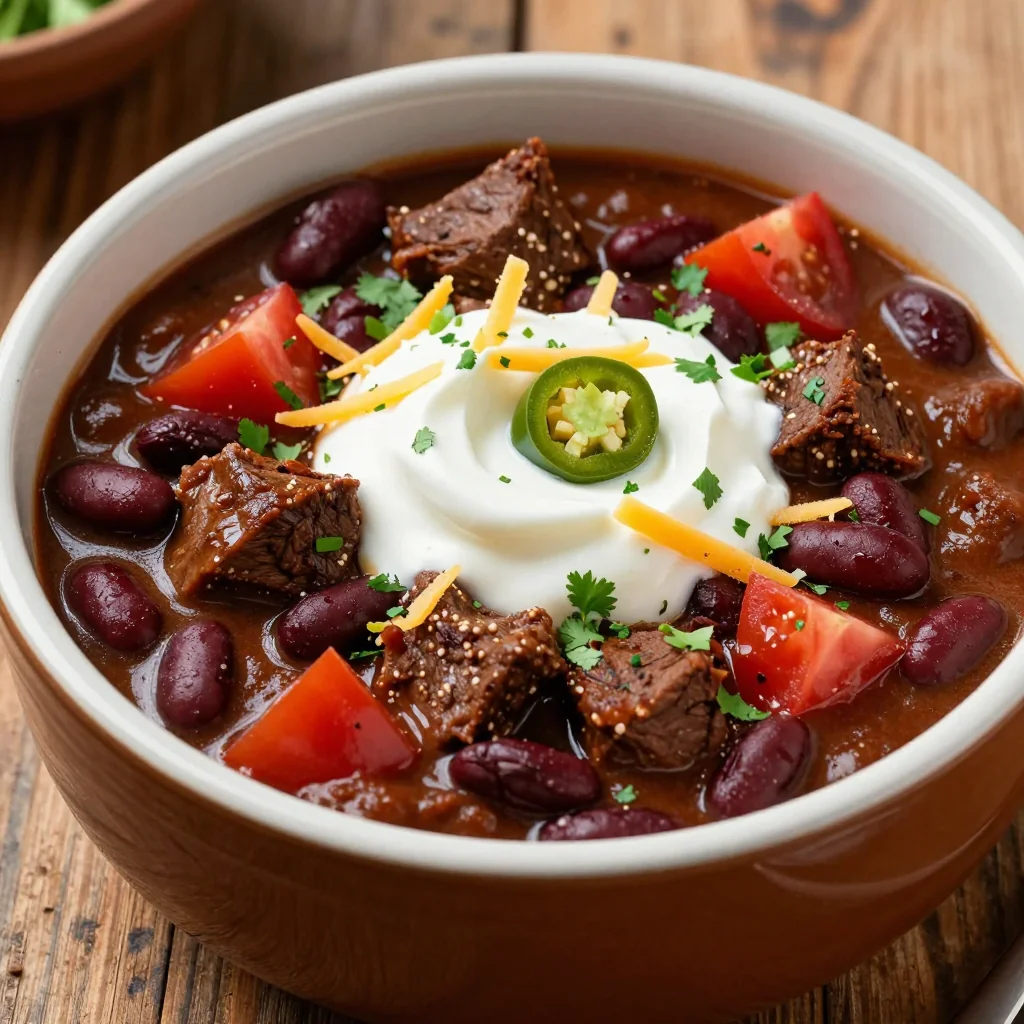
Introduction
Picture this: you’re in the middle of a storm‑y Sunday afternoon, the radio is playing some old‑school soul, and your fridge is a sad, lonely place that has seen more onions than a salad bar. You’ve got a craving that’s not just for comfort food but for something that feels like a warm hug wrapped in a peppery, tomato‑rich blanket. That craving turned into a kitchen disaster when I tried a standard stuffed pepper soup recipe that was, frankly, a sad, over‑cooked mess with no flavor punch. The broth was watery, the peppers were mushy, and the ground beef had a taste of “meh.” I swear I almost threw the pot away, but then I remembered a dare from a friend: “I dare you to taste this and not go back for seconds.” That challenge lit a spark, and I set out to create the ultimate version of this dish.
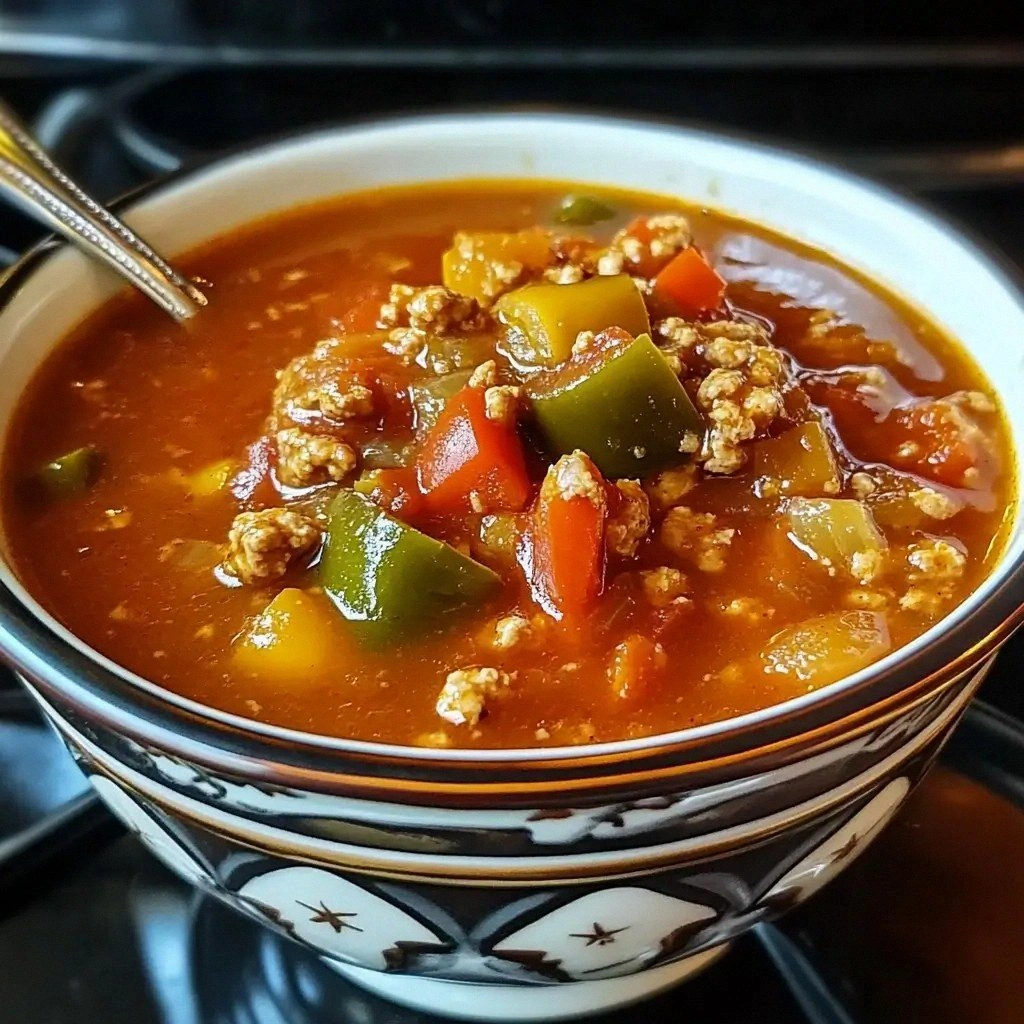
From the moment the ingredients hit the pan, the kitchen filled with an aroma that could make even the most disciplined food critic swoon. The bell peppers released their sweet, earthy fragrance, the onions caramelized into a golden caramel, and the cumin and paprika kicked in with a subtle smoky undertone. The sound of the sizzling oil was like a drumbeat, the sizzle telling you that something delicious was about to happen. When the broth finally hit the pot, it was a deep, comforting red that made the room feel like a cozy cabin in the woods. And the texture—oh, the texture—was a delightful mix of tender peppers, fluffy rice, and a hint of chew from the meat, all wrapped in a velvety tomato sauce that coated the bowl like velvet.
This version stands out because I didn’t just follow a recipe; I rewrote the playbook. I added a secret ingredient that brings depth—smoked paprika—so the soup has a subtle, smoky undertone that makes it feel like it’s been simmering for days. I used a blend of both diced tomatoes and tomato sauce to give the soup a richer, thicker body that doesn’t feel like a thin broth. I also incorporated a touch of fresh parsley at the end to bring brightness and a pop of color. These tweaks might seem small, but they transform the dish from ordinary to unforgettable. And trust me, when you take the first spoonful, you’ll wonder how you ever made it any other way.
Picture yourself pulling this out of the crock pot, the whole kitchen smelling incredible, the steam curling up like a cloud of savory perfume. You’ll hear the gentle hiss of the simmering broth, feel the comforting heat radiating from the pot, and see the peppers glistening with a glossy sheen. The first taste will hit you with a burst of savory, sweet, and slightly smoky flavors that dance on your tongue. I dare you to taste this and not go back for seconds. If you’ve ever struggled with the texture or flavor balance of stuffed pepper soup, you’re not alone—and I’ve got the fix.
Now, let’s walk through every single step. By the end, you’ll wonder how you ever made it any other way. This isn’t just a recipe; it’s a culinary revelation that will elevate your comfort‑food game to new heights.
What Makes This Version Stand Out
- Flavor Depth: The addition of smoked paprika and a blend of diced tomatoes and tomato sauce gives this soup a layered, complex flavor that feels like it’s been simmering for days.
- Texture Balance: The rice stays fluffy, the peppers remain firm yet tender, and the beef is juicy—no mushy mess.
- Easy Assembly: All the ingredients are pre‑cut and pre‑measured, so you can throw them in the crock pot and let the magic happen.
- Time‑Saving: The entire cooking process takes just 45 minutes from prep to finish, with the crock pot doing the heavy lifting.
- Make‑Ahead Potential: You can prep the ingredients a day ahead, store them in the fridge, and pop the pot into the crock pot in the morning.
- Versatile: Swap ground beef for turkey or plant‑based crumbles, and you’ll still get that same comforting flavor.
- Kid‑Friendly: The mild spice level and hearty texture make it a hit with even picky eaters.
- Budget‑Friendly: Using pantry staples keeps the cost low while still delivering a gourmet experience.
Alright, let’s break down exactly what goes into this masterpiece…
Inside the Ingredient List
The Flavor Base
The foundation of any great soup is a robust flavor base, and this recipe starts with a classic sauté of onions, garlic, and olive oil. The onions, once caramelized, release a sweet, buttery aroma that lingers in every spoonful. Garlic adds a punch that cuts through the richness of the beef and the acidity of the tomatoes. Olive oil not only keeps the mixture from sticking but also adds a silky mouthfeel. Skipping this step will leave the soup feeling flat and underdeveloped.
When selecting onions, opt for a sweet variety like Vidalia or yellow onions; they’ll give you a milder, sweeter flavor compared to the sharpness of red onions. If you’re short on time, a pre‑minced garlic jar will do, but fresh garlic gives a brighter, more vibrant taste. A quick tip: toast the garlic for just a few seconds before adding the onions to bring out its natural sweetness.
Remember, this base is the backbone of the soup. If you skip it, you’ll miss out on the depth that makes each spoonful feel like a comforting hug. The sautéed aromatics create a flavor canvas that the rest of the ingredients will paint upon.
The Protein Power
Ground beef is the star that gives the soup substance and protein. I recommend using a lean cut (80% lean) to keep the dish from becoming greasy. The beef should be browned in a hot pan before adding it to the crock pot to develop a savory crust. This step adds a meaty umami flavor that cannot be replicated with unbrowned meat.
For a lighter version, swap the beef with ground turkey or a plant‑based crumbled meat. The cooking time remains the same, but the texture will be slightly different—lighter and less fatty. If you prefer a richer, more decadent dish, use a higher fat content beef or add a splash of heavy cream at the end.
Don’t skip the browning step. A raw, unbrowned ground meat will taste bland and have a raw edge that can ruin the overall flavor profile.
The Unexpected Star
Smoked paprika isn’t just a garnish; it’s the secret sauce that elevates the entire soup. Its deep, smoky flavor mimics the taste of a slow‑cooked barbecue, giving the broth a complex, almost earthy undertone. This spice is a game‑changer because it adds depth without requiring additional cooking time.
If you’re allergic to paprika or simply don’t have it on hand, try a pinch of smoked salt or a dash of liquid smoke. The key is to bring that smoky aroma without overpowering the other flavors. Use it sparingly—one teaspoon is enough to transform the dish.
Without smoked paprika, the soup would lack that signature smoky edge, making it feel like a plain tomato soup with added vegetables. The subtle smokiness is the difference between ordinary and unforgettable.
The Final Flourish
Fresh parsley, sprinkled at the end, adds a bright, herbaceous note that balances the richness of the beef and the sweetness of the peppers. It also brings a pop of color that makes the soup visually appealing. If you’re not a fan of parsley, fresh cilantro or basil can be used as substitutes.
Parsley’s mild, peppery flavor complements the smoky paprika without competing with it. The final flourish is essential for that fresh finish that keeps the soup from feeling heavy or cloying.
Skipping the fresh herbs will leave the soup feeling flat and less vibrant. They’re the finishing touch that ties everything together.
Everything’s prepped? Good. Let’s get into the real action…
The Method — Step by Step
- First, heat a splash of olive oil in a large skillet over medium heat. Add the diced onions and sauté until translucent and slightly caramelized, about 5 minutes. This caramelization unlocks the onions’ natural sweetness, giving the soup a deep, savory base. When the onions look golden, add the minced garlic and cook for another minute until fragrant. The aroma will fill the kitchen, setting the stage for the rest of the dish.
- While the aromatics are cooking, brown the ground beef in a separate pan. Break it up with a wooden spoon until it’s no longer pink and has a nice brown crust. This browning step creates a rich umami flavor that’s essential. Once browned, transfer the beef to the crock pot and reserve the pan drippings for extra flavor.
- Add the diced bell peppers to the skillet and cook for 3-4 minutes until they start to soften but still retain some bite. The peppers will release a sweet, slightly tangy flavor that balances the richness of the beef. If you’re using canned peppers, simply rinse them to reduce excess sodium.
- Transfer the sautéed vegetables, browned beef, and the reserved pan drippings to the crock pot. Stir in the uncooked rice, diced tomatoes, tomato sauce, beef broth, smoked paprika, cumin, oregano, salt, and pepper. Mix everything until well combined. The mixture should look like a hearty, tomato‑rich stew.
- Cover the crock pot and set it to low for 4 hours or high for 2 hours. The slow cooking process melds the flavors together, allowing the rice to absorb the broth and the spices to infuse the meat. The low setting is ideal for a tender, melt‑in‑your‑mouth texture.
- Halfway through the cooking time, give the soup a gentle stir. This ensures even cooking and prevents the rice from sticking to the bottom of the pot. The aroma at this point will be intoxicating, and you’ll feel like you’re about to win a culinary award.
- Once the cooking time is complete, taste the soup. If it needs a bit more salt or a touch of acidity, add a splash of vinegar or a squeeze of lemon juice. This final adjustment will brighten the flavors and bring a lively finish.
- Serve hot, topped with a generous sprinkle of fresh parsley. The parsley adds a bright, herbaceous note that cuts through the richness. If you like, add shredded cheddar cheese for an extra layer of creaminess. The cheese will melt into the hot soup, creating a gooey, indulgent experience.
That’s it — you did it. But hold on, I’ve got a few more tricks that will take this to another level…
Insider Tricks for Flawless Results
The Temperature Rule Nobody Follows
Most people think that crock pot recipes are all about “set it and forget it,” but the temperature setting can make or break the texture. Cooking on low for 4 hours gives the beef a tender, fall‑apart texture, while high for 2 hours keeps it firmer. If you’re in a hurry, use high, but keep a close eye on the rice; it can overcook quickly. I’ve found that a low setting is the safest bet for consistent results.
Why Your Nose Knows Best
The first cue you should trust is the aroma. A well‑seasoned soup will emit a complex bouquet of tomato, pepper, and smoked paprika. If it smells flat or overly acidic, adjust with a pinch of salt or a splash of broth. Your nose is your best judge of flavor balance.
The 5-Minute Rest That Changes Everything
After the crock pot finishes cooking, let the soup rest for 5 minutes before serving. This allows the flavors to settle and the rice to finish absorbing the broth. The rest also helps the soup thicken slightly, giving it a richer mouthfeel. Trust me, the difference is subtle but noticeable.
Keep the Peppers Crisp
If you prefer your peppers to have a bit of bite, add them in the last 30 minutes of cooking instead of at the beginning. This trick keeps the peppers from becoming mushy and adds a pleasant crunch.
Use a Mix of Diced and Whole Peppers
For a dramatic presentation, mix diced bell peppers with a few whole peppers. The whole peppers act as floating garnishes, adding visual interest and a burst of flavor when cut open. It’s a simple trick that makes the dish look like a gourmet creation.
Reheat with a Splash of Water
When reheating leftovers, add a splash of water or broth to restore moisture. The soup can dry out during storage, so this small step brings it back to its original, luscious state.
Creative Twists and Variations
This recipe is a playground. Here are some of my favorite ways to switch things up:
Spicy Mexican Twist
Swap the ground beef for ground pork and add a diced jalapeño or a splash of hot sauce. Finish with chopped cilantro and a squeeze of lime for a fresh, zesty finish. This version brings a bold, spicy kick that pairs well with tortilla chips.
Vegetarian Delight
Replace the ground meat with lentils or crumbled tofu. Use vegetable broth instead of beef broth and add a handful of chopped spinach in the last 10 minutes. The result is a hearty, protein‑rich soup that satisfies even the most carnivorous palates.
Mediterranean Flair
Use feta cheese instead of cheddar and sprinkle chopped kalamata olives on top. Add a pinch of oregano and a drizzle of olive oil after serving. The salty feta and olives bring a Mediterranean vibe to the dish.
Cheesy Mac & Cheese Soup
Add cooked macaroni and a splash of milk to create a creamy, cheesy version. Top with extra shredded cheddar and a breadcrumb crust baked in the oven for a crunchy finish. This version feels like comfort food in a bowl.
Asian Inspired
Replace the tomato base with a mixture of coconut milk and curry paste. Add sliced carrots, mushrooms, and a handful of bok choy in the last 10 minutes. Garnish with chopped green onions and a splash of soy sauce for an Asian twist.
Breakfast Bowl
Serve the soup in a bowl with a fried or poached egg on top. Sprinkle with chives and a dash of hot sauce. The egg adds a protein boost and a velvety texture that makes the soup breakfast‑ready.
Storing and Bringing It Back to Life
Fridge Storage
Store leftover soup in an airtight container in the refrigerator for up to 4 days. The flavors will deepen overnight, making the soup even more delicious. When ready to eat, reheat on the stovetop over medium heat, stirring occasionally.
Freezer Friendly
Freeze the soup in freezer‑safe containers for up to 3 months. Thaw in the refrigerator overnight before reheating. Add a splash of water or broth to compensate for any moisture loss during freezing.
Best Reheating Method
Reheat on the stovetop with a splash of water or broth and a quick stir. This method preserves the soup’s texture and ensures it doesn’t dry out. Finish with a fresh sprinkle of parsley to bring back that bright, herbaceous note.