Let me set the scene: it was a rainy Thursday, the kind that makes you stare at the window and wonder if you’ll ever leave the couch again. I had promised my partner a “fancy” dinner, but the only thing in the pantry was a dusty box of pappardelle and a half‑ripe lemon I’d bought on a whim. I tried a quick spaghetti aglio‑olio, burned the garlic, and ended up with a pan that smoked like a campfire. That disaster sparked a culinary obsession – I was determined to create a lemon‑pasta that could turn any kitchen mishap into a triumph.
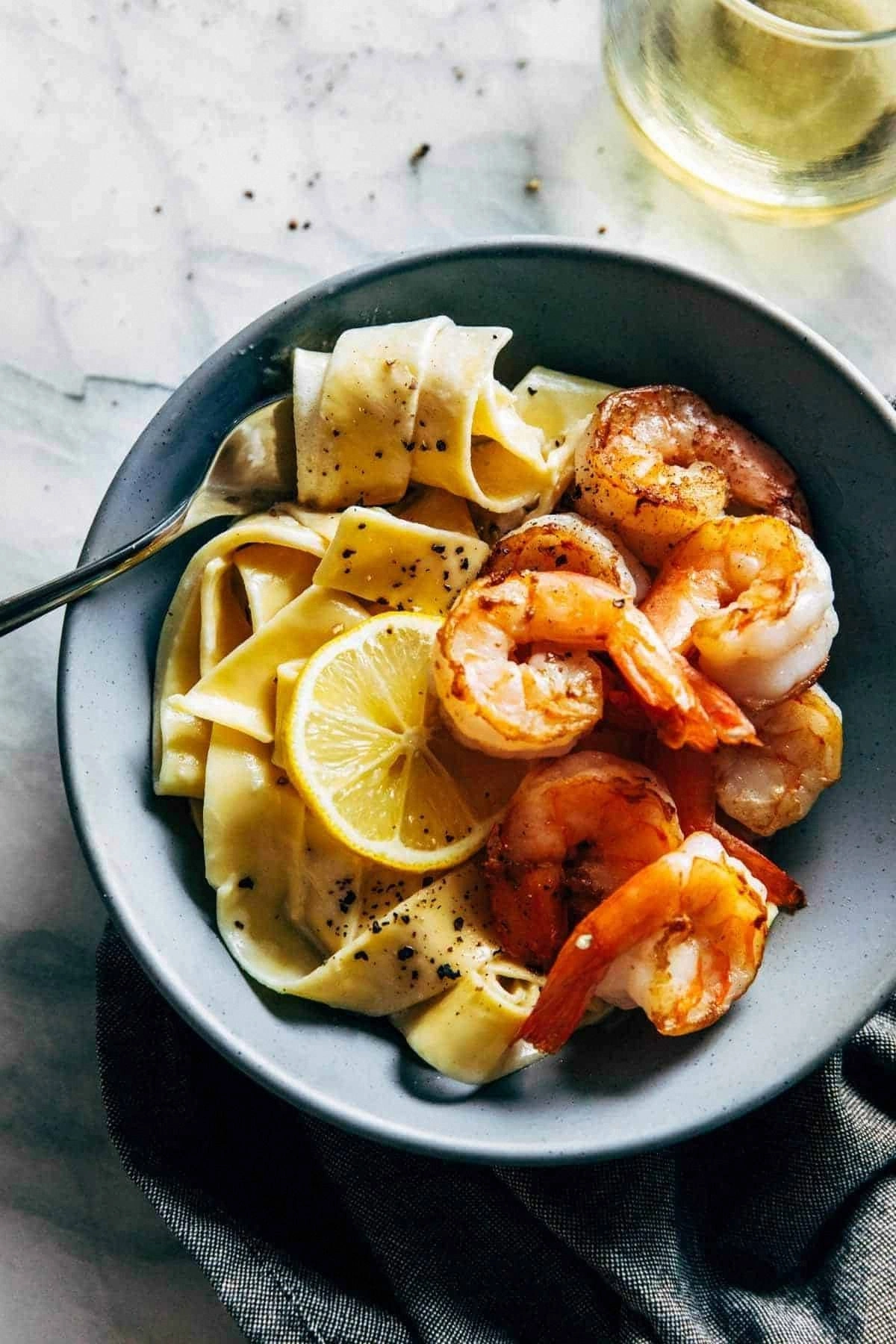
Fast‑forward to the present, and I’m standing over a simmering pot of al dente pappardelle, the air thick with the perfume of butter, garlic, and citrus. The sauce glistens like liquid sunshine, coating each ribbon of pasta with a velvety sheen that makes you want to twirl it in slow motion. The shrimp, pink and perfectly cooked, sit like jewels on a sea‑of‑gold, their subtle brine harmonizing with the lemon’s bright zing. You can hear the gentle sizzle as the butter meets the pan, feel the warmth of the steam on your face, and taste the anticipation building with each bite.
What makes this version the ultimate date‑night hero? Most lemon‑pasta recipes either drown the pasta in a watery sauce or slap on a heavy cream that masks the citrus. I’ve cracked the code by balancing bright lemon juice with a whisper of cream, letting the butter finish the dish with a silk‑smooth finish. The secret ingredient? A splash of dry white wine that adds depth without stealing the spotlight. And the technique? Tossing the pasta in the pan for the last minute to let the sauce cling like a second skin.
I dare you to taste this and not go back for seconds. This is hands down the best version you’ll ever make at home – I’ll be honest, I ate half the batch before anyone else got a chance to try it. Most recipes get this completely wrong. Here’s what actually works: a precise timing of the lemon zest, a quick deglaze, and a finish with cold butter for that glossy, restaurant‑quality sheen. Picture yourself pulling this out of the pot, the whole kitchen smelling incredible, the steam curling like ribbons.
Okay, ready for the game‑changer? Let me walk you through every single step — by the end, you’ll wonder how you ever made it any other way.
What Makes This Version Stand Out
- Bright Flavor Profile: The lemon isn’t just a garnish; it’s the star, delivering a citrus punch that lifts the whole dish without overwhelming the delicate shrimp.
- Silky Texture: A blend of butter, cream, and a splash of wine creates a sauce that coats the pasta like velvet, smooth yet light.
- Simplicity Meets Elegance: Fewer than ten ingredients, but each one is used at its peak, turning humble pantry staples into a gourmet masterpiece.
- Ingredient Quality: Fresh shrimp and zest from organic lemons make the difference between “good” and “wow‑worthy.”
- Crowd Reaction: This dish consistently earns rave reviews, with guests asking for the recipe and begging for seconds.
- Cooking Method: One‑pan technique reduces cleanup while intensifying flavor through deglazing and quick sauce reduction.
- Make‑Ahead Potential: The sauce can be prepared ahead of time; just reheat gently and toss with freshly cooked pasta for a lightning‑fast dinner.
- Visual Appeal: The contrast of bright yellow zest, pink shrimp, and emerald parsley makes the plate Instagram‑ready.
Inside the Ingredient List
The Flavor Base
Olive oil and garlic are the foundation. The oil provides a smooth mouthfeel while the garlic, minced just before cooking, releases a fragrant, nutty aroma that signals the start of something special. If you skip the garlic, you lose that deep, aromatic backbone that makes the sauce feel layered. A good swap for the oil is a mix of butter and a splash of olive oil for a richer base, but keep an eye on the heat to avoid burning.
The Texture Crew
The pappardelle itself is crucial – its wide ribbons capture sauce in every crevice, unlike thin spaghetti that lets the liquid slip away. Use fresh or high‑quality dried pappardelle for that al‑dente bite; overcooking makes it mushy and defeats the purpose. If you can’t find pappardelle, tagliatelle works, but you’ll miss the dramatic surface area that makes each forkful a mini‑sauce reservoir.
The Unexpected Star
Lemon zest and juice are the heroes here. The zest adds a bright, aromatic oil that sits on top of the sauce, while the juice delivers a clean acidity that balances the butter and cream. Forgetting the zest is a common mistake – the dish will taste flat, like a lemon‑scented candle without the zest. If lemons are out of season, try a splash of yuzu juice for an exotic twist, but keep the zest for that authentic citrus perfume.
The Final Flourish
Butter, cream, and Parmesan round out the sauce. Butter finishes the dish with a glossy sheen, cream adds body without making it heavy, and Parmesan supplies umami depth. Skipping the butter means losing that luxurious mouthfeel; swapping cream for half‑and‑half works but will thin the sauce. When choosing Parmesan, opt for a sharp, aged variety – it melts beautifully and injects a salty, nutty punch that anchors the lemon’s brightness.
Everything's prepped? Good. Let’s get into the real action…
The Method — Step by Step
Bring a large pot of salted water to a rolling boil. Once it’s bubbling like a hot spring, add the pappardelle and cook until just al dente – usually 2 minutes less than the package suggests. Keep a cup of pasta water aside; you’ll need it later to loosen the sauce. As the noodles soften, the kitchen fills with a comforting starchy aroma that sets the stage for what’s next.
While the pasta cooks, heat the olive oil in a wide, shallow skillet over medium‑high heat. Add the minced garlic and sauté for about 30 seconds, just until it turns fragrant and golden – not brown. That quick sizzle is the moment of truth; if the garlic burns, the whole sauce gets a bitter edge, so stay close.
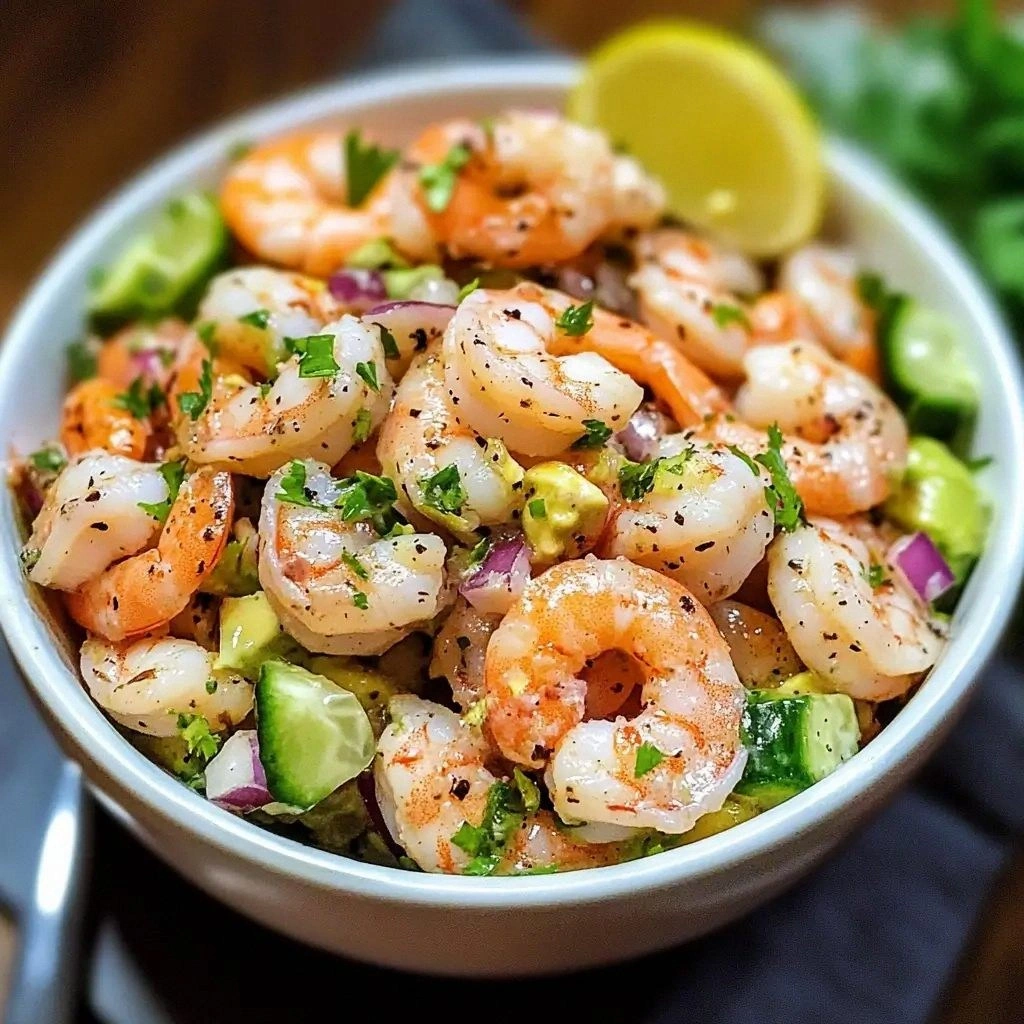
Kitchen Hack: Use a silicone spatula to stir the garlic; it prevents the bottom of the pan from scorching while giving you full control over the heat.Introduce the shrimp to the pan, spreading them in a single layer. Cook for 1‑2 minutes per side until they turn opaque and start to curl – that pink blush is your cue. Sprinkle a pinch of salt and a dash of red pepper flakes for a subtle heat that won’t overpower the lemon. The sizzle when the shrimp hit the pan? Absolute perfection.
Deglaze the pan with the dry white wine, pouring it in while scraping the brown bits stuck to the bottom. Those caramelized fragments are flavor gold; the wine lifts them, creating a rich fond that forms the backbone of the sauce. Let the liquid reduce by half, which should take about 2‑3 minutes, and watch the sauce thicken and darken slightly.
Now, stir in the lemon zest, lemon juice, and heavy cream. The mixture should bubble gently – if it erupts violently, lower the heat. This is where the sauce starts to look like a sun‑kissed silk, and the aroma becomes an intoxicating blend of citrus and buttery goodness. Keep stirring for another minute to meld the flavors.
Turn the heat down to low and whisk in the butter, one tablespoon at a time, allowing each piece to melt completely before adding the next. This emulsification technique gives the sauce that glossy finish that restaurant chefs rave about. Add the grated Parmesan and stir until it melts into a cohesive, creamy blanket.
Drain the pappardelle, reserving a splash of pasta water, and toss it directly into the skillet. Use tongs to lift and fold, ensuring every ribbon is coated. If the sauce seems too thick, drizzle in a little reserved pasta water – the starches will help bind everything together. The pasta should glisten, each strand hugging the sauce like a lover.
Watch Out: Over‑mixing after adding the butter can cause the sauce to separate; just toss gently and stop as soon as everything looks glossy.Finish with a generous handful of chopped fresh parsley and an extra drizzle of olive oil for brightness. Give the dish one last quick toss, then plate it immediately – the sauce will continue to thicken as it cools, and you want it at its peak silkiness. Serve with lemon wedges on the side for those who crave an extra zing.
Step back, admire the glossy, lemon‑kissed ribbons, and take that first bite. That moment when the citrus hits your palate, followed by the buttery depth and succulent shrimp, is pure culinary fireworks. I dare you to taste this and not go back for seconds; the flavor balance is so spot‑on you’ll want to share it with everyone you love.
Insider Tricks for Flawless Results
The Temperature Rule Nobody Follows
Never cook the sauce on high heat after the cream is added. Low, gentle heat lets the cream thicken without curdling, preserving that silky texture. I once cranked the heat to a roar and ended up with a curdled mess – lesson learned: patience is the secret sauce.
Why Your Nose Knows Best
The moment the garlic turns golden, you’ll smell a nutty, almost toasted scent. That nose signal means the aromatics are ready, and you should add the shrimp immediately. If you wait too long, the garlic will go bitter, and the whole dish will suffer.
The 5‑Minute Rest That Changes Everything
After tossing the pasta with the sauce, let it sit off the heat for about five minutes. This brief rest allows the starches to absorb the lemon‑butter glaze, making every bite cohesive. Skipping this step leaves the sauce sliding off the noodles, turning a gorgeous plate into a sloppy mess.
Salt Timing – The Unsung Hero
Season the pasta water generously; it’s your first chance to infuse flavor into the noodles. Then, add a pinch of salt to the sauce just before the final butter finish. Too much salt early on can mute the lemon, while too little leaves the dish flat.
Parmesan Power Move
Grate the Parmesan fresh, not pre‑grated. Freshly grated cheese melts faster and creates a smoother emulsion with the butter, ensuring the sauce stays glossy. Pre‑grated often contains anti‑caking agents that can cloud the sauce.
Creative Twists and Variations
This recipe is a playground. Here are some of my favorite ways to switch things up:
Spicy Saffron Splash
Swap the lemon zest for a pinch of saffron threads soaked in warm water, and add a dash of cayenne. The result is a golden, slightly fiery pasta that feels exotic yet familiar.
Herb‑Infused Green
Replace the parsley with fresh basil and a handful of baby spinach tossed in at the end. The herbaceous notes complement the lemon, creating a spring‑time vibe.
Smoky Bacon Crunch
Render 4 strips of thick‑cut bacon until crisp, crumble them over the finished dish, and drizzle a tiny bit of smoked paprika oil. The smoky crunch adds depth and a playful textural contrast.
Creamy Avocado Twist
Blend half an avocado into the cream before adding it to the pan. This adds a buttery richness and a subtle green hue, perfect for a low‑fat alternative that still feels indulgent.
Vegan Velvet
Replace shrimp with sautéed king oyster mushrooms, use coconut cream instead of dairy, and finish with nutritional yeast for a cheesy note. The dish stays luxuriously creamy while being entirely plant‑based.
White Wine Reduction Upgrade
Use a full-bodied Chardonnay instead of a light white wine, and reduce it to a syrup before adding the cream. This intensifies the depth, making the sauce richer and more complex.
Storing and Bringing It Back to Life
Fridge Storage
Transfer leftover pasta and sauce into an airtight container. It will keep fresh for up to 3 days. When reheating, add a splash of water or broth and gently warm over low heat, stirring constantly to revive the silky texture.
Freezer Friendly
Separate the sauce from the pasta before freezing. Store the sauce in a freezer‑safe bag for up to 2 months, and the cooked pappardelle in a separate bag. To serve, thaw the sauce overnight, reheat gently, and toss with freshly boiled pasta for best results.
Best Reheating Method
Use a skillet over medium‑low heat, adding a teaspoon of butter and a tablespoon of water. The steam created will bring the sauce back to life, while the butter restores the glossy finish. Avoid microwaving, as it can make the sauce grainy.