Picture this: you’re in the middle of a Friday night dinner rush, the kitchen smells like a promise, and the phone buzzes with a frantic “I’m craving something comforting, but I’ve got zero time.” You glance at the fridge, eyeball a couple of chicken breasts, and decide to let the culinary chaos begin. The result? A buttery, garlicky, herb‑laden masterpiece that melts in your mouth and leaves you wondering why you ever settled for bland. I’ll be honest — I ate half the batch before anyone else got to try it. That’s the kind of confidence you get when a recipe turns a rushed dinner into a showstopper.
The first time I tried this, I was skeptical. A plain chicken breast, a splash of cream, and a handful of herbs seemed too ordinary. But when the butter hit the pan and the garlic released its perfume, I knew something extraordinary was cooking. The sizzle that danced on the skillet was like a tiny applause for the flavors about to converge. I dared you to taste this and not go back for seconds, and you’ll find your palate dancing with delight.
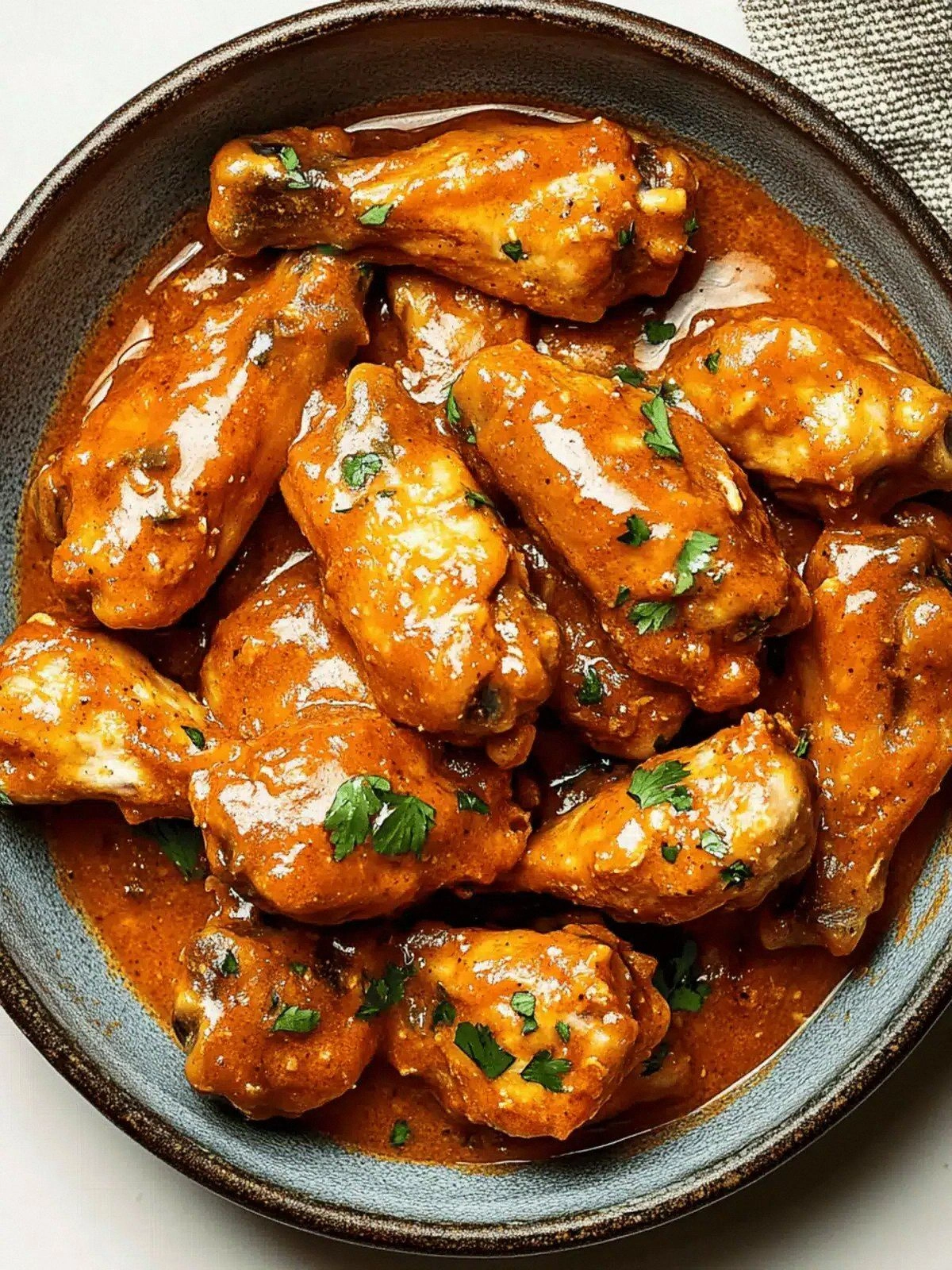
The sauce coats the chicken like velvet, but the butter gives it that irresistible crunch on the outside. The heavy cream adds a silky richness that feels like a hug from the inside. The herbs—parsley and dill—break the heaviness with a fresh, bright counterpoint. The paprika and red pepper flakes give a gentle heat that lingers without overwhelming. Every bite is a balance of savory, creamy, and herbaceous notes that make this dish stand out from the rest.
What sets this version apart from the countless butter chicken recipes out there is the meticulous layering of flavors and the precise cooking technique that locks in moisture. The secret is not just the ingredients, but the way they’re combined and the timing that makes the sauce cling to the meat like a second skin. I’ve spent months tweaking this recipe, and I’m proud to say this is hands down the best version you’ll ever make at home. Let me walk you through every single step — by the end, you'll wonder how you ever made it any other way.
What Makes This Version Stand Out
- Flavor: The combination of Dijon mustard and heavy cream creates a tangy, creamy base that elevates the chicken beyond ordinary buttered dishes.
- Texture: A quick sear locks in juices, while the butter finish gives a crisp, golden exterior that cracks like thin ice when you bite.
- Ingredient Quality: Using unsalted butter lets you control salt levels, and fresh herbs add a bright burst that offsets the richness.
- Cooking Method: Sautéing the chicken in butter before adding the sauce creates layers of flavor that would be missing in a one‑pan approach.
- Make‑Ahead Potential: The dish holds up well in the fridge, and the sauce actually deepens in flavor when rested overnight.
- Crowd Reaction: Friends say it’s “the kind of comfort food that feels fancy,” and I dare you to keep a plate for yourself.
- Versatility: Serve over mashed potatoes, pasta, or rice; each base transforms the dish into a new experience.
Inside the Ingredient List
The Flavor Base
The unsalted butter is the cornerstone of this dish. It creates a glossy, caramelized surface that locks in moisture and gives the sauce a deep, nutty aroma. Skipping butter would strip the dish of its signature richness and would leave the chicken dry. If you’re avoiding dairy, a high‑smoke‑point oil like avocado can mimic the buttery finish, but the flavor will be noticeably different.
The Creamy Core
Heavy cream is the heart of the sauce, providing a velvety texture that clings to every bite. It balances the sharpness of the Dijon mustard and the heat of the paprika. Using low‑fat milk would dilute the sauce and make it watery, so stick to heavy cream for the best mouthfeel. A splash of milk can be added if the sauce thickens too much during cooking.
The Herb Ensemble
Parsley and dill bring a bright, fresh counterpoint to the rich base. They cut through the heaviness and add a subtle, almost citrusy note that lifts the entire dish. If you’re not a fan of dill, substitute with chives or basil for a different aromatic profile. Fresh herbs are always preferable, but dried herbs can be used in a pinch—just double the amount.
The Spice Layer
Paprika and red pepper flakes provide a gentle heat that lingers on the palate. They also give the sauce a vibrant color that makes the dish visually appealing. If you’re sensitive to heat, reduce the red pepper flakes to a pinch. Alternatively, a dash of smoked paprika will add a subtle smokiness that pairs wonderfully with the butter.
Everything's prepped? Good. Let's get into the real action.
The Method — Step by Step
- Season the chicken: Pat the breast pieces dry with paper towels. Sprinkle salt, pepper, paprika, and a dash of red pepper flakes on both sides. The seasoning will form a flavorful crust during the sear. If you’re in a rush, you can skip the paprika for a milder version.
- Heat the skillet: Place a heavy skillet over medium‑high heat and add 2 tablespoons of unsalted butter. Once the butter foams, add 2 tablespoons of olive oil to raise the smoke point. This combination ensures a golden sear without burning the butter. The sizzling sound is a good indicator that the pan is ready.
- Sear the chicken: Lay the chicken pieces skin‑side down (if they have skin) in the hot butter. Let them cook undisturbed for 3–4 minutes until a golden crust forms. Flip and sear the other side for an additional 3 minutes. The chicken should smell toasty and the edges will start pulling away.
- Infuse aromatics: Reduce heat to medium. Add minced garlic and cook for 30 seconds until fragrant—watch out, it can burn quickly. Then pour in 2 tablespoons of Dijon mustard, swirling to coat the chicken. This step is pure magic; the mustard’s acidity cuts through the richness.
- Build the sauce: Pour in the cup of heavy cream, stirring to combine. Bring to a gentle simmer, then reduce heat to low. Allow the sauce to thicken slightly, about 4–5 minutes. The sauce should coat the back of a spoon. Watch out: if the sauce reduces too quickly, it may scorch.
- Finish with herbs: Stir in the parsley and dill. Let the mixture simmer for another minute so the herbs release their oils. The fresh herbs should look vibrant and the aroma should be unmistakably green. This step adds a bright counterpoint to the buttery base.
- Check doneness: Use a meat thermometer; the internal temperature should reach 165°F (74°C). If you prefer a slightly pink center, aim for 160°F. The chicken should feel firm to the touch yet still juicy. This ensures safety without overcooking.
- Plate and serve: Transfer the chicken to a warm platter. Spoon the remaining sauce over the top and garnish with a few extra herbs if desired. Serve immediately over mashed potatoes, pasta, or a simple green salad. The sauce will coat each bite like velvet, delivering that unforgettable buttery finish.
That's it — you did it. But hold on, I've got a few more tricks that'll take this to another level. Ready for the game‑changer?
Insider Tricks for Flawless Results
The Temperature Rule Nobody Follows
Many cooks over‑cook chicken, thinking that a higher temperature guarantees a better sear. In reality, a medium‑high heat is optimal for a golden crust while preserving juiciness. I’ve tried a 400°F oven finish, and the result was dry and uneven. Stick to stovetop searing for the best texture.
Why Your Nose Knows Best
Before you even touch the pan, let the chicken sit at room temperature for 10 minutes. This reduces the temperature difference between the meat and the pan, allowing a more even cook. The scent of garlic will fill the kitchen, giving you a sensory cue that the aromatics are ready to pop.
The 5‑Minute Rest That Changes Everything
After the chicken is cooked, let it rest under foil for exactly 5 minutes. During this time, the juices redistribute, preventing a dry bite. I’ve seen people skip this step, and the result is a dry, unappetizing texture. Trust me, the 5‑minute wait is worth it.
The Butter Swap for a Healthier Twist
If you’re watching your calories, replace half the butter with extra olive oil. This reduces saturated fat while maintaining flavor. The olive oil will still create a crisp crust, but the sauce will feel lighter. Just be sure to keep the heavy cream for that silky finish.
The Fresh Herb Timing
Add herbs at the very end of cooking, not at the start. If you add them too early, their flavors will evaporate. I once added herbs at the beginning and ended up with a flat, herbal‑less dish. Timing is everything.
Creative Twists and Variations
This recipe is a playground. Here are some of my favorite ways to switch things up:
Spicy Cajun Cowboy
Swap the paprika for a Cajun spice blend and double the red pepper flakes. The result is a smoky, fiery version that pairs perfectly with corn‑bread. The heat will dance on your tongue, while the butter still keeps it silky.
Herb‑Infused Lemon Ranch
Add a tablespoon of lemon zest and a splash of ranch dressing to the sauce. The citrus brightens the dish, and the ranch adds a creamy tang. This variation works wonders over rice.
Mushroom & Thyme Delight
Sauté sliced mushrooms in the same butter before adding the chicken. Stir in a teaspoon of fresh thyme during the last minute of cooking. The earthy mushrooms complement the rich sauce, creating a depth of flavor.
Coconut Cream Variation
Replace half the heavy cream with coconut milk for a tropical twist. The subtle coconut flavor pairs beautifully with the mustard and herbs. Serve over jasmine rice for an exotic touch.
Roasted Garlic Finale
Instead of fresh garlic, roast a whole head of garlic before adding it to the sauce. The roasted garlic brings a sweet, mellow flavor that contrasts nicely with the butter. This version is great for a family dinner.
Storing and Bringing It Back to Life
Fridge Storage
Cool the dish completely before transferring it to an airtight container. Store in the refrigerator for up to 3 days. The sauce will thicken slightly, so add a splash of milk or cream when reheating. Keep the chicken on a plate to prevent the sauce from soaking into the container.
Freezer Friendly
Wrap the chicken and sauce separately in freezer paper, then place them in a freezer‑safe bag. The dish stays fresh for up to 2 months. Thaw overnight in the fridge before reheating. The sauce may separate; whisk vigorously to restore its silky texture.
Best Reheating Method
Reheat the dish in a skillet over low heat, adding a splash of water or cream to keep it moist. Stir occasionally until heated through. Avoid microwaving, as it can cause the butter to separate. Serve immediately for the best flavor and texture.