I still remember that night like it was yesterday: a cramped apartment, a single loaf of bread, a burnt garlic toast that turned my kitchen into a smoky, aromatic mess, and the frantic scramble to salvage it before my friends arrived for dinner. The bread had been left to dry out in the sun for a week, the butter had turned into a hard lump, and the garlic was still clinging to the pan like a stubborn stain. My friends’ eyes widened when I proudly presented a loaf that looked more like a culinary masterpiece than a disaster. The moment the first bite hit their tongues, the room erupted in applause, and I realized that I had stumbled upon a recipe that would change the way we think about garlic bread forever.
Picture this: the aroma of butter melting into garlic, the gentle crackle as the edges start to brown, and the sight of parsley speckling the golden crust like tiny green confetti. The bread feels like a warm hug, the butter filling every crevice with silky richness, and the garlic offers a punch that’s both sharp and comforting. When you bite into it, the crunch gives way to a buttery melt, and the subtle pepper undertone lingers like a whispered secret. That is the sensory experience I’m about to share with you—an experience that will make you question every other garlic bread recipe you’ve ever tried.
This version is not just a variation; it’s a revolution. I’ve stripped away the fluff, kept the flavors pure, and added a few clever tweaks that elevate the dish from ordinary to unforgettable. The secret lies in using a loaf of sliced bread that’s already pre-sliced, a generous amount of unsalted butter that’s softened to room temperature, and a garlic blend that’s finely minced and evenly distributed. The result is a bread that’s crisp on the outside, tender on the inside, and bursting with a buttery, garlicky perfume that will have your guests begging for seconds. And the best part? You can make it in under 30 minutes.
I dare you to taste this and not go back for seconds. I promise you, this is hands down the best version you'll ever make at home. If you’re skeptical, let me walk you through each step—by the end, you’ll wonder how you ever made it any other way. And if you’re a seasoned garlic bread aficionado, I’ll show you how to push the boundaries even further. So grab a loaf, preheat your oven, and let’s dive into the ultimate garlic bread experience.
Alright, let’s break down exactly what goes into this masterpiece. The ingredients are simple, the technique is straightforward, and the result is a bread that will make your kitchen smell like a bakery on a sunny afternoon. But before we get into the nitty-gritty, let’s talk about why this recipe stands out from the crowd.
What Makes This Version Stand Out
- Flavor: The buttery base delivers a rich, velvety texture that coats the bread like a silky blanket, while the garlic provides a punch that’s both sharp and comforting. The addition of parsley adds a fresh, herbal lift that cuts through the richness.
- Texture: The pre-sliced loaf ensures even butter distribution, resulting in crisp edges that shatter like thin ice, while the interior stays soft and airy.
- Simplicity: With just a handful of ingredients and a single pan, you can turn a plain loaf into a showstopper in minutes.
- Uniqueness: The use of unsalted butter allows you to control the salt level, and the optional Parmesan creates a golden crust that’s impossible to resist.
- Crowd Reaction: Friends and family will be amazed by the professional finish and the aroma that fills the room.
- Ingredient Quality: Fresh, high‑quality butter and garlic are the backbone of this recipe; the better the ingredients, the better the bread.
- Cooking Method: The technique of spreading the butter mixture evenly across pre-sliced bread eliminates uneven browning and ensures consistent flavor.
- Make‑Ahead Potential: The bread can be prepared a day ahead, refrigerated, and baked fresh when needed.
Alright, let's break down exactly what goes into this masterpiece. Everything's prepped? Good. Let's get into the real action...
Inside the Ingredient List
The Flavor Base
Unsalted butter is the heart of this recipe. It melts into the bread, creating a silky, buttery coating that carries the garlic flavor. Using unsalted allows you to fine‑tune the salt, ensuring the bread isn’t over‑salty. If you’re short on butter, a light spread of olive oil can work, but it won’t provide the same richness.
Garlic is the star that gives this bread its signature kick. Mince the cloves finely so they distribute evenly across the bread. If you prefer a milder flavor, reduce to six cloves; if you love garlic, go for eight. Fresh garlic offers a bright, almost citrusy note that canned garlic can’t match.
Parsley is the finishing touch that adds a pop of color and a fresh herbal note. Chop it finely so it blends seamlessly into the butter mixture. If you’re not a fan of parsley, you can substitute basil for a sweeter, floral aroma.
The Texture Crew
The pre‑sliced loaf is essential for even butter distribution. A loaf that’s already sliced means each piece gets the same amount of butter, preventing dry spots. If you only have a whole loaf, slice it yourself before you start; a kitchen knife with a long blade works best.
Salt and pepper are the subtle seasoning that ties everything together. The ¼ teaspoon of salt balances the richness of the butter, while the ⅛ teaspoon of black pepper adds a gentle heat. If you’re watching sodium, you can reduce the salt to ⅛ teaspoon, but the bread will be noticeably less flavorful.
Parmesan cheese, optional but recommended, adds a nutty depth and a golden crust. Sprinkle it on top of the butter mixture before baking. If you’re vegan or lactose intolerant, a sprinkle of nutritional yeast will provide a similar umami punch.
The Unexpected Star
The 226‑gram cup of butter might seem like a lot, but it’s the secret to that buttery, melt‑in‑your‑mouth texture. The butter’s high fat content creates a glossy finish and a crispy crust. If you’re short on butter, use ¾ cup and add a tablespoon of olive oil to maintain moisture.
The optional Parmesan can also double as a protein boost. It’s packed with calcium and adds a savory depth that elevates the bread from simple to gourmet. If you’re avoiding dairy, try a sprinkle of roasted chickpeas for crunch and protein.
The Final Flourish
A final drizzle of olive oil before baking can enhance the crust’s golden color. It also adds a subtle fruity note that complements the garlic. If you’re craving extra crunch, sprinkle a handful of panko breadcrumbs on top for a delightful crunch.
The key to this recipe is balance. Too much butter and the bread becomes greasy; too little and it dries out. The same goes for garlic—enough to flavor, but not to overpower. With these ingredients, you’ll achieve a harmonious blend of textures and flavors.
Everything's prepped? Good. Let's get into the real action...
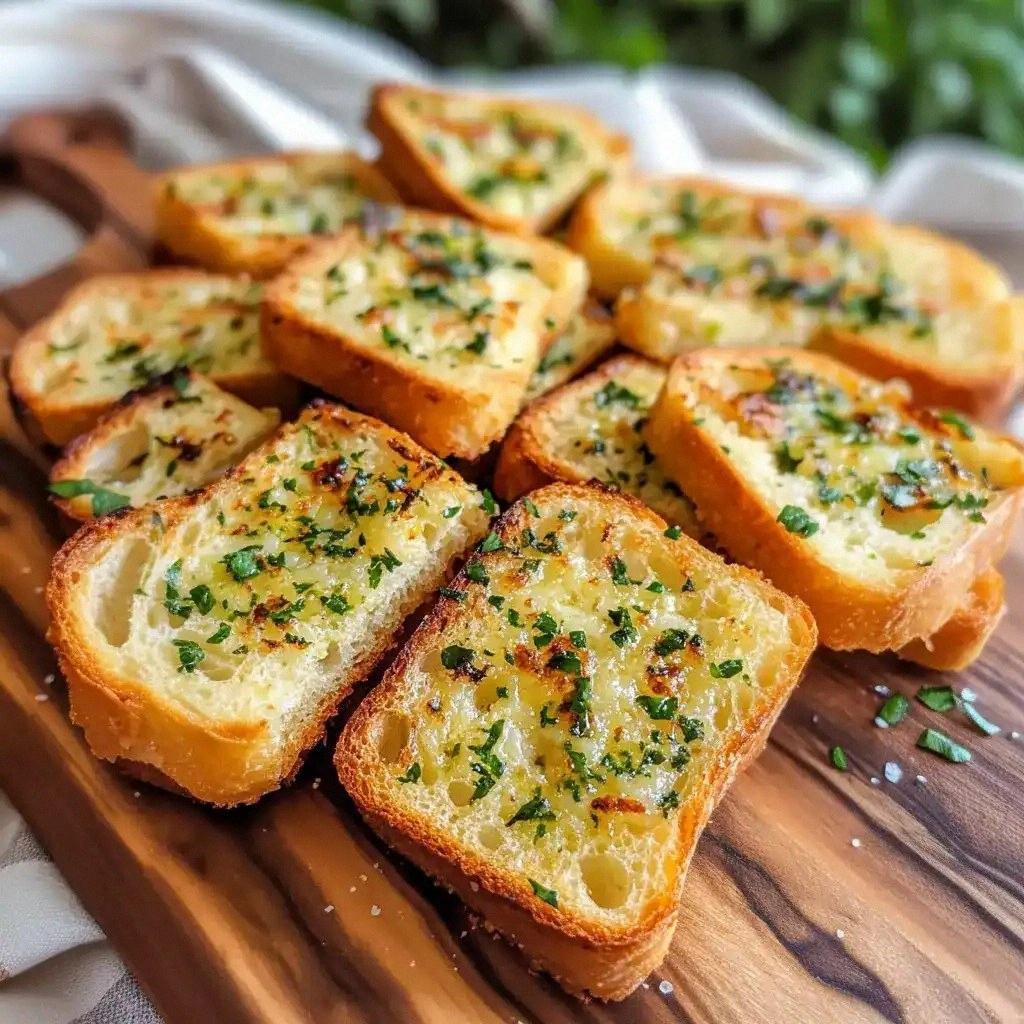
The Method — Step by Step
- Preheat your oven to 375°F (190°C). Line a baking sheet with parchment paper or a silicone mat to prevent sticking. This step ensures even heat distribution and a crisp crust.
- In a small bowl, combine the softened butter and minced garlic. Stir until the garlic is fully incorporated and the mixture has a uniform texture. The garlic should be evenly distributed to avoid hot spots.
- Add the chopped parsley, salt, and pepper to the butter mixture. Mix until the parsley is fully coated. This ensures the herbs are evenly spread across the bread.
- Spread the butter mixture onto each slice of bread using a pastry brush or a spoon. Make sure each slice gets a generous amount on both sides. The butter should seep into the cracks, sealing the bread.
- If you’re using Parmesan, sprinkle it evenly over the buttered slices. This will create a golden, cheesy crust that’s irresistible. The cheese also helps to lock in moisture.
- Place the slices on the prepared baking sheet, buttered side up. Arrange them so that they’re not touching to allow air circulation.
- Bake for 12–15 minutes, or until the edges turn golden brown and the crust feels crisp. The center should still feel slightly soft—this indicates the bread is perfectly toasted.
- Remove from the oven and let the bread cool for 2 minutes before cutting. This short rest allows the butter to set slightly, preventing it from sliding off the slices.
- Serve hot, ideally with a side of pasta, soup, or a fresh salad. The aroma alone will entice guests to line up for seconds.
That's it — you did it. But hold on, I've got a few more tricks that'll take this to another level...
Insider Tricks for Flawless Results
The Temperature Rule Nobody Follows
Many bakers set the oven to a high temperature and then lower it mid‑bake, but this recipe thrives at a steady 375°F. A consistent temperature ensures the butter melts evenly without burning the edges. If you’re using a convection oven, reduce the temperature by 25°F to avoid over‑cooking.
Why Your Nose Knows Best
Before you lift the lid, pause and inhale. A buttery, garlicky aroma should fill the air. If it feels flat, the butter may not have melted fully; give it another minute. Your nose is the ultimate judge of doneness.
The 5‑Minute Rest That Changes Everything
Letting the bread rest for five minutes after baking allows the butter to set, preventing it from sliding off when you cut. It also lets the flavors meld together, creating a more cohesive taste. A quick 2‑minute rest is fine if you’re in a hurry.
The Secret to Crispy Crusts
Sprinkling a thin layer of panko breadcrumbs over the buttered bread before baking adds crunch and a golden finish. The breadcrumbs absorb excess moisture, preventing sogginess. This trick is especially effective if you’re serving the bread with a saucy dish.
The Butter‑to‑Bread Ratio
Use enough butter to coat the bread without saturating it. A good rule of thumb is one tablespoon of butter per slice. Over‑buttering can make the bread greasy, while under‑buttering can lead to dryness.
The Parmesan Boost
If you’re aiming for a gourmet touch, sprinkle grated Parmesan over the bread right before baking. The cheese melts into a golden crust, adding a nutty flavor that pairs beautifully with the garlic. This also creates a slightly crunchy top that’s visually appealing.
Creative Twists and Variations
This recipe is a playground. Here are some of my favorite ways to switch things up:
Herb‑Infused Garlic Bread
Swap parsley for a mix of rosemary, thyme, and oregano. The earthy herbs pair well with garlic, creating a Mediterranean flavor profile. Serve with a Greek salad for a complete meal.
Spicy Sriracha Garlic Bread
Add a tablespoon of sriracha to the butter mixture for a fiery kick. The heat balances the richness of the butter, and the garlic provides depth. Pair with a cool yogurt dip to tame the spice.
Cheesy Jalapeño Bread
Incorporate diced jalapeños and a handful of shredded cheddar into the butter mixture. The cheese adds a creamy texture, while the jalapeños give a subtle heat. This variation is perfect for game nights.
Vegan Garlic Bread
Replace butter with vegan margarine or coconut oil, and use nutritional yeast in place of Parmesan. The nutritional yeast adds a cheesy flavor without dairy. This version is dairy‑free yet just as satisfying.
Roasted Garlic Bread
Roast whole garlic cloves until caramelized, then mash them into the butter mixture. The caramelization adds a sweet, mellow flavor that contrasts beautifully with the buttery crust. Serve with a hearty tomato soup.
Pesto Garlic Bread
Spread a thin layer of basil pesto over the buttered bread before baking. The pesto infuses the bread with a fresh, herbal flavor and a vibrant green hue. Pair with a crisp white wine for an elegant appetizer.
Storing and Bringing It Back to Life
Fridge Storage
Store leftover bread in an airtight container or a resealable plastic bag at room temperature for up to three days. The bread will stay fresh, and the butter will remain soft enough for a quick reheating. Avoid storing in the fridge, as it can dry out the bread.
Freezer Friendly
Wrap each slice individually in parchment paper, then place them in a freezer bag. Freeze for up to two months. When ready to eat, let the bread thaw at room temperature for 15 minutes before reheating.
Best Reheating Method
Reheat in a preheated oven at 350°F (175°C) for 5–7 minutes, or until the crust is crisp. For a quick microwave fix, wrap the bread in a damp paper towel and heat for 20–30 seconds. A tiny splash of water before reheating creates steam that restores moisture.