I was standing in the middle of a kitchen that smelled like burnt toast and disappointment when my friend dared me to make the perfect crepe. I laughed, grabbed a bag of flour, and decided that if I could survive the night with a single burnt pancake, I could conquer this delicate French delight. The moment the batter hit the hot skillet, a faint hiss split the air, and the scent of vanilla and butter danced like a promise. I could almost taste the crisp edges, the soft interior, and the gentle drizzle of lemon zest that would follow. This isn’t just another “easy” recipe; it’s a manifesto for buttery, airy perfection that turns a humble breakfast into a showstopper.
Picture this: a light, airy batter that pours like a cloud, a pan that sings when the first swirl hits the surface, and the subtle pop of a perfectly cooked crepe that releases a warm, comforting aroma. I swear, that sizzle when it hits the pan is absolute perfection. And the moment you lift it, you’re greeted with a golden, slightly blistered edge that shatters like thin ice, revealing a tender, silky interior that melts in your mouth. If you’ve ever struggled with soggy, rubbery pancakes, you’re not alone — and I’ve got the fix. I dare you to taste this and not go back for seconds.
What makes this version stand out is the meticulous balance of ingredients and technique. I’ve trimmed the batter to a silky smoothness that holds its shape, while the pan’s temperature is just right to create a crisp, caramelized rim without burning. The result? A crepe that folds effortlessly, holds fillings like a glove, and delivers a texture that feels like a gentle hug. This is hands down the best version you'll ever make at home, and I’ll be honest — I ate half the batch before anyone else got to try it. The secret? A splash of milk, a dash of vanilla, and the right amount of whisking.
Let me walk you through every single step — by the end, you’ll wonder how you ever made it any other way. From the first whisk to the final fold, I’ll share every trick, every tweak, and every micro‑challenge that will transform your kitchen into a crepe‑making playground. Stay with me here — this is worth it.
What Makes This Version Stand Out
- Texture: The batter is silky smooth, achieved by whisking until the flour is fully incorporated and the mixture is free of lumps. This creates a light, airy crepe that folds without cracking.
- Flavor: A touch of vanilla and a splash of milk elevate the batter, giving it a subtle sweetness and depth that complements both sweet and savory fillings.
- Ease: Every step is straightforward, with no need for special equipment. A non‑stick skillet or a well‑seasoned cast iron pan is all you need.
- Versatility: The base works for classic fruit, chocolate, or even savory fillings like spinach and feta, making it a true culinary playground.
- Crowd‑pleaser: Whether you’re cooking for a family brunch or a romantic breakfast, the result looks as impressive as it tastes.
- Ingredient Quality: Using fresh eggs, whole‑milk, and real butter gives the crepe a richer, more authentic flavor than store‑bought mixes.
- Make‑ahead Potential: The batter can be prepared in advance and stored in the fridge for up to 24 hours, making it a lifesaver for busy mornings.
- Speed: The entire process takes less than 45 minutes, from prep to plated masterpiece.
Inside the Ingredient List
The Flour Base
All-purpose flour is the backbone of this batter, providing structure and a neutral flavor that lets other ingredients shine. Using 2 cups ensures a batter thick enough to coat the pan but thin enough to spread easily. Skipping flour would result in a batter that clumps and fails to form a cohesive sheet. For a gluten‑free version, swap for a 1:1 blend of rice and potato starch.
The Dairy Blend
Milk, measured at 2 1/2 cups, hydrates the flour and creates a silky texture. Whole milk adds richness, while skim milk yields a lighter crepe. If you prefer a dairy‑free option, coconut milk or almond milk will work, but the flavor profile will shift slightly. A pinch of salt in the milk prevents the batter from becoming too sweet.
The Protein Power
Eggs are the glue that holds the batter together, contributing to the crepe’s structure and giving it a tender crumb. Four large eggs provide the right balance of moisture and protein. If you’re avoiding eggs, a flaxseed “egg” (1 tablespoon ground flaxseed mixed with 3 tablespoons water) can be used as a substitute, though the texture will be a bit denser.
The Butter Touch
Melted butter, 2 tablespoons, adds a glossy sheen and a buttery aroma that elevates the flavor. It also prevents sticking, making the crepe’s edges crisp without burning. For a lower‑fat version, replace half the butter with olive oil, but be prepared for a slightly different taste.
The Sweet Accent
Two tablespoons of sugar sweetens the batter just enough to complement savory fillings without overwhelming them. If you prefer a sugar‑free version, replace with stevia or monk fruit sweetener, adjusting the quantity to taste.
The Flavor Booster
A half teaspoon of salt balances the sweetness and enhances the overall flavor profile. Salt is crucial for bringing out the natural flavors of the eggs and butter. If you’re watching sodium, reduce the amount, but be careful not to eliminate it entirely, as it plays a pivotal role in flavor development.
The Vanilla Essence
One teaspoon of vanilla extract gives the batter a warm, aromatic undertone that pairs beautifully with fruit, chocolate, or coffee fillings. If you’re in a hurry, a splash of almond extract can offer a different nuance, but vanilla remains the classic choice. Vanilla also helps to mellow the richness of the butter and eggs.
Everything's prepped? Good. Let's get into the real action.
The Method — Step by Step
- In a large mixing bowl, whisk together the flour, salt, and sugar until evenly distributed. This dry blend ensures a lump‑free batter. The aroma of raw flour is subtle but reassuring. Once the dry mix is ready, you’re set for the wet ingredients.
- Beat the eggs in a separate bowl until the whites and yolks are fully blended. This step creates a uniform base for the batter. The eggs should look slightly frothy, indicating that they’re ready to incorporate. If you prefer a richer texture, whisk until the mixture is a deep amber.
- Add the milk to the eggs, whisking continuously. The milk hydrates the eggs, creating a smooth emulsion. Watch for the first hint of thickening; this indicates the batter is starting to thicken. A good rule of thumb: the batter should pour like a thin custard.
- Pour in the melted butter and vanilla extract, whisking until fully incorporated. The butter adds richness and a glossy sheen. The vanilla gives a subtle sweetness that lingers on the palate. At this point, you should have a silky, lump‑free batter.
- Let the batter rest for 15 minutes at room temperature. Resting allows the flour to fully absorb the liquid, resulting in a smoother texture. During this time, you can prep your fillings or set the pan on the stove.
- Heat a non‑stick skillet over medium heat, then add a small pat of butter or a light spray of oil. The pan should be hot but not smoking; a drop of water should sizzle and evaporate immediately. This temperature ensures a golden rim without burning.
- Pour 1/4 cup of batter onto the center of the skillet, tilting the pan to spread it thinly. The batter should form a circle about 8 inches in diameter. The edges should lift slightly, signaling that the crepe is ready to flip. If you see bubbles forming on the surface, let the crepe cook for a few more seconds.
- Use a spatula to gently lift the crepe and flip it after 30–45 seconds. The underside should be a light golden brown. The flip is a moment of truth; if the crepe sticks, it’s too hot or the batter was too thick.
- Cook the second side for an additional 20–30 seconds, until it’s lightly browned. Remove the crepe from the pan and place it on a plate. Cover loosely with foil to keep it warm while you finish the batch.
- Repeat steps 6–9 until all the batter is used. The pan should be kept at a steady medium heat; if it drops, the crepes will be uneven. Remember, the batter should pour like a thin custard; if it’s too thick, add a splash of milk to thin it out.
That’s it — you did it. But hold on, I've got a few more tricks that'll take this to another level.
Insider Tricks for Flawless Results
The Temperature Rule Nobody Follows
Many cooks think a hot pan is always better, but the secret lies in maintaining a steady medium heat. Too high and the crepe burns; too low and it becomes soggy. I recommend using a thermometer; 350°F is ideal. If you don’t have one, test the heat by flicking a few drops of water onto the surface; they should dance and evaporate quickly.
Why Your Nose Knows Best
Your sense of smell is the ultimate judge of doneness. As the batter cooks, the aroma shifts from raw to toasted. When you notice a faint nutty scent, it’s time to flip. Trust your nose; it’s a reliable cue that the crepe is golden and ready.
The 5-Minute Rest That Changes Everything
Letting the batter rest for 15 minutes isn’t just a formality; it allows the gluten to relax, resulting in a softer crepe. If you’re in a hurry, a 5‑minute rest still improves texture, but the batter may be slightly thicker. A quick stir before pouring helps redistribute the flour for a more even spread.
The Fold That Keeps It Fresh
When folding your crepe, use a paper towel or a clean cloth to hold the edges. This helps keep the crepe from tearing and ensures a neat, professional look. A gentle, even fold also locks in the filling, preventing leaks.
The Butter Trick for Extra Shine
After cooking, brush the top of each crepe with a thin layer of melted butter. This gives the crepe a glossy finish and a buttery flavor that enhances every bite. It also helps seal the edges, keeping the crepe from drying out.
Creative Twists and Variations
This recipe is a playground. Here are some of my favorite ways to switch things up:
Chocolate Ganache Delight
Swirl a generous spoonful of dark chocolate ganache into the batter before cooking. The chocolate melts into a silky drizzle inside the crepe, creating a decadent dessert that pairs beautifully with fresh berries.
Spinach & Feta Surprise
Fold in sautéed spinach and crumbled feta for a savory twist. The mild tang of feta complements the buttery crepe, while the spinach adds a pop of color and nutrition.
Lemon Ricotta Crunch
Mix ricotta cheese with lemon zest and a splash of honey into the batter. This creates a bright, creamy filling that’s perfect for a brunch that feels both light and indulgent.
Peanut Butter Banana Roll
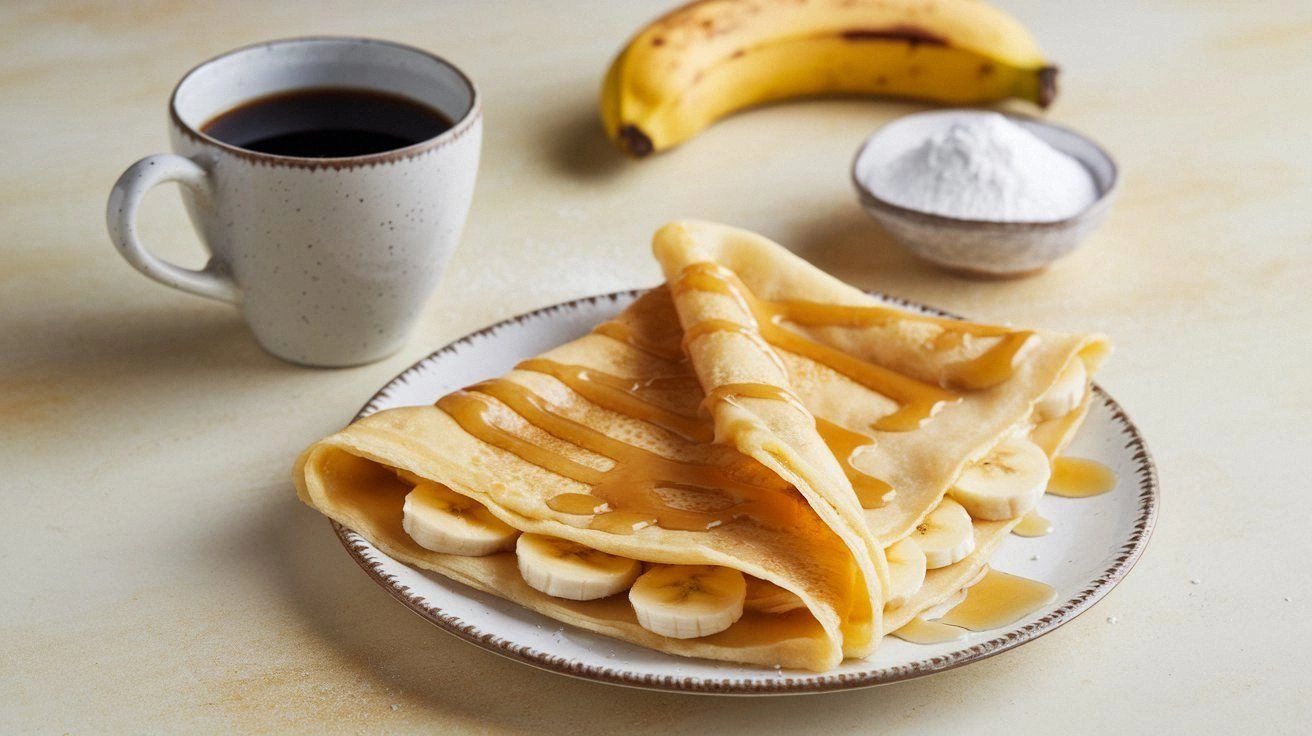
Spread peanut butter across the crepe, then top with sliced bananas and a drizzle of honey. Roll up for a protein‑packed, sweet treat that satisfies the sweet tooth without the guilt.
Savory Mushroom & Parmesan
Sauté mushrooms with garlic and thyme, then fold them into the crepe along with shaved Parmesan. The earthy flavors mingle with the buttery batter, creating a comforting yet sophisticated dish.
Berry & Cream Cheese Swirl
Spread cream cheese onto the crepe, then layer fresh blueberries and a dusting of powdered sugar. The sweet berries and tangy cream cheese create a harmonious balance of flavors.
Storing and Bringing It Back to Life
Fridge Storage
Cool the cooked crepes to room temperature, then stack them with parchment paper between each layer. Store in an airtight container for up to 3 days. The crepes keep their moisture and flavor, ready for a quick reheating.
Freezer Friendly
Wrap each crepe tightly in plastic wrap, then place them in a freezer bag. Freeze for up to 2 months. When you’re ready to serve, thaw overnight in the fridge or microwave on low.
Best Reheating Method
Reheat in a skillet over medium heat for 1–2 minutes per side, or in a microwave for 30 seconds. Add a tiny splash of water before reheating; it steams the crepe back to a tender, moist state. Finish with a light brush of butter for extra flavor.