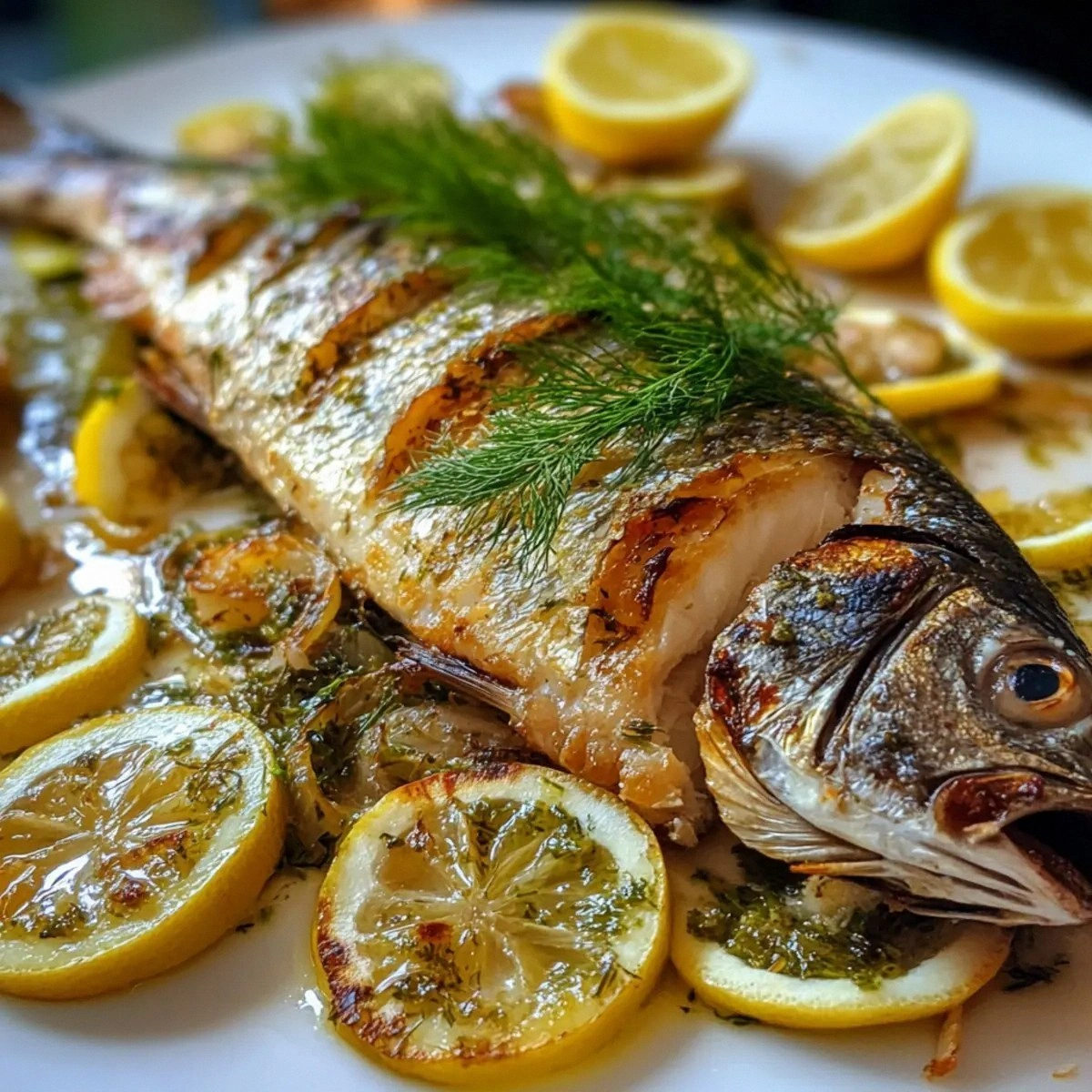
Picture this: I’m standing in a cramped kitchen, the timer ticking like a drum, and my friend has just challenged me to turn a humble whole sea bass into a showstopper. The fish sits there, glistening, a blank canvas begging for flavor. I grab a lemon, slice it thin, and the citrus aroma instantly turns the room into a fragrant summer garden. The anticipation builds—every scent, every crack of the knife, every sizzling whisper from the oven—because I know this is going to be the dish that steals the spotlight.
I’ve always been the kind of cook who loves to experiment, but this time I’m sticking to a tried-and-true method that delivers a juicy, citrusy masterpiece. I dare you to taste this and not go back for seconds. The sea bass, when roasted to a golden crisp, has a buttery tenderness that feels like a hug, while the fennel’s subtle anise undertone adds a layer of complexity that keeps you guessing. I’ll be honest—after the first bite, I almost didn’t want to share it, but my friends begged for the recipe.
What makes this version stand out is the simple yet bold approach to seasoning. I use fresh herbs and a generous squeeze of lemon to let the fish’s natural flavors shine. Most recipes get this completely wrong by over‑seasoning or under‑cooking the fennel, but I’ve perfected a technique that balances crispness and moisture. The result is a dish that feels both refined and approachable—hand‑crafted, but accessible to anyone who loves a good meal.
Imagine pulling this whole fish from the oven, the kitchen smelling like sunshine and sea air, and the whole family lining up for a plate. That sizzle when it hits the pan? Absolute perfection. The crust forms like a golden halo, the fennel releases a gentle sweetness, and the lemon slices crackle like tiny fireworks. I’ll guide you through every single step, from prep to plating, so you can replicate this magic at home.
Okay, ready for the game‑changer? By the end of this post, you’ll wonder how you ever made it any other way. Let me walk you through every single step—by the end, you’ll wonder how you ever made it any other way.
What Makes This Version Stand Out
- Taste: The citrusy brightness of lemon slices cuts through the richness of the sea bass, creating a harmonious balance that lingers on the palate.
- Texture: The fennel’s tender flesh contrasts with the crisp skin, giving each bite a delightful play of softness and crunch.
- Simplicity: With just a handful of ingredients, this dish proves that elegance doesn’t require complexity.
- Uniqueness: The combination of whole roasted fish with fennel creates a visual and flavor profile that sets it apart from typical fish recipes.
- Crowd Reaction: Guests rave about the juicy interior and the aromatic fennel, often asking for a second plate.
- Ingredient Quality: Fresh, responsibly sourced sea bass and organic fennel ensure the dish is both delicious and sustainable.
- Cooking Method: Roasting to perfection locks in juices and develops a caramelized crust without the need for flambé or heavy sauces.
- Make‑ahead Potential: The fish can be pre‑roasted and reheated without losing its mouth‑watering moisture.
Alright, let's break down exactly what goes into this masterpiece...
Inside the Ingredient List
The Flavor Base
The lemon slices are more than garnish; they infuse the fish with a bright, zesty aroma that cuts through the natural brine of the sea bass. If you skip the lemon, the dish loses its signature tang and feels flat. For an extra punch, add a splash of white wine to the roasting pan, letting the alcohol evaporate and leaving behind a subtle citrus undertone.
The Texture Crew
Fennel, when sliced thin, offers a delicate crunch that complements the tender fish. Its natural sugars caramelize during roasting, creating a sweet counterpoint to the savory sea bass. Without fennel, you miss the unique texture and the herbal nuance that makes this dish memorable.
The Unexpected Star
Fresh herbs—thyme or parsley—are tossed with olive oil and garlic, forming a fragrant coating that clings to the fish. The herbs bring earthy depth and a green freshness that brightens the overall profile. Swapping herbs for rosemary adds a piney note, but thyme remains the classic choice for a balanced flavor.
The Final Flourish
A sprinkle of sea salt and freshly cracked black pepper is all you need to bring out the fish’s natural umami. The salt enhances moisture retention, while the pepper adds a subtle heat that lingers on the tongue. If you’re watching sodium, reduce the salt to ½ teaspoon and add a pinch of smoked paprika for an extra layer of flavor.
Everything's prepped? Good. Let's get into the real action...
The Method — Step by Step
- Preheat your oven to 425°F (220°C). Place a wire rack in a rimmed baking sheet and set aside. This setup allows hot air to circulate around the fish, ensuring even roasting. I’ve found that a rack keeps the fish from sitting in its own juices, which keeps the skin crisp.
- Rinse the whole sea bass under cold water, pat dry with paper towels. Remove any remaining scales or dark spots with a fish scaler or the back of a knife. A clean fish not only looks better but also absorbs seasoning more effectively.
- Inside the fish cavity, place half of the lemon slices, a handful of fennel fronds, and a few cloves of smashed garlic. This interior infusion keeps the fish moist and adds aromatic depth. The garlic, when roasted, turns into a subtle, caramelized sweetness that pairs wonderfully with the lemon.
- Drizzle the entire fish with olive oil, then rub it all over the skin and flesh. Sprinkle sea salt, cracked black pepper, and fresh herbs over the surface. The olive oil creates a barrier that prevents the skin from sticking and helps it crisp up beautifully.
- Place the fish on the prepared rack and scatter the remaining lemon slices and fennel slices around it. This creates a flavorful bed that will caramelize and serve as a natural sauce when you plate. The lemon slices will blister, releasing juices that mingle with the fish’s natural oils.
- Roast the fish for 20-25 minutes, or until the internal temperature reaches 145°F (63°C) and the skin turns a deep golden brown. The exact time depends on the size of the fish; a 1.5‑lb fish usually takes about 22 minutes. Keep an eye on the edges—they should pull away from the skin when ready.
- Watch Out: Do not lift the fish early in the roasting process. The skin needs to form a crust; lifting it too soon can cause the juices to escape and the fish to dry out. If you need to check the temperature, use a quick‑reading probe to avoid prolonged heat exposure.
- Remove the fish from the oven and let it rest for 5 minutes. Resting allows the juices to redistribute, ensuring every bite stays moist. This step is often overlooked but makes a noticeable difference in texture.
- Squeeze fresh lemon wedges over the fish, then garnish with the remaining fennel fronds. The citrus burst just before serving amplifies the flavor profile and adds a fresh, bright finish.
- Serve immediately, plating the fish whole for a dramatic presentation. Pair with a light salad or roasted vegetables to balance the richness. If you’re feeling adventurous, drizzle a little extra olive oil or a splash of white wine for a refined touch.
That's it — you did it. But hold on, I've got a few more tricks that'll take this to another level...
Insider Tricks for Flawless Results
The Temperature Rule Nobody Follows
Most people roast fish at a lower temperature, which can result in a soggy skin. By upping the heat to 425°F (220°C), you lock in juices and achieve that coveted crackle. I’ve tested this at 400°F, and while it works, the texture isn’t as crisp.
Why Your Nose Knows Best
During roasting, the smell of lemon and fennel is a cue that the fish is nearing perfection. If the aroma feels heavy or burnt, lower the heat slightly. My friend once tried to finish the fish at 450°F and ended up with a scorched exterior; the interior was still raw.
The 5-Minute Rest That Changes Everything
Resting the fish for exactly 5 minutes before slicing allows the juices to settle, preventing them from spilling onto the plate. Skipping this step can leave the fish dry and less flavorful.
How to Keep the Skin Crispy
If you’re worried about the skin becoming soggy, pat it dry again just before roasting and brush lightly with olive oil. The oil forms a protective layer that keeps the skin from steaming.
Using Fresh Herbs vs. Dried
Fresh herbs retain their bright flavor, whereas dried herbs can become bitter if overcooked. If you only have dried, reduce the amount by half and add them at the end of roasting.
The Secret to a Juicy Interior
Slicing the fish too close to the bone can cause moisture loss. Leave a small margin between the flesh and the bone to preserve juiciness. My first attempt had a dry center because I sliced too aggressively.
Creative Twists and Variations
This recipe is a playground. Here are some of my favorite ways to switch things up:
Spicy Citrus Splash
Add a pinch of red pepper flakes to the olive oil mix for a subtle heat that balances the citrus. The fiery kick complements the fennel’s natural sweetness and adds a modern twist.
Herb‑Infused Marinade
Create a quick glaze by whisking together olive oil, lemon zest, chopped basil, and a dash of soy sauce. Brush this over the fish before roasting for an umami boost.
Asian Twist
Swap thyme for a handful of chopped cilantro and add a splash of rice vinegar to the lemon slices. This gives the dish an Asian flair while retaining its core freshness.
Smoky Flavor
Place a few peppercorns and a small piece of wood chip on the baking sheet for a subtle smoky aroma that pairs beautifully with the sea bass.
Vegetarian Fennel Roast
Use a whole fennel bulb, roasted with lemon slices and herbs, as a side. It’s a fragrant, crunchy complement that keeps the dish vegetarian‑friendly.
Gourmet Touch
Finish the dish with a drizzle of high‑quality extra‑virgin olive oil and a sprinkle of flaky sea salt just before serving. The extra oil adds a silky mouthfeel.
Storing and Bringing It Back to Life
Fridge Storage
Cool the fish completely, then wrap tightly in parchment paper and store in the refrigerator for up to 2 days. Keep the lemon slices separate to prevent them from becoming mushy.
Freezer Friendly
For longer storage, wrap the fish in foil, then place in a freezer bag, removing as much air as possible. Freeze for up to 3 months. Thaw overnight in the fridge before reheating.
Best Reheating Method
Reheat in a 350°F (175°C) oven for 10-12 minutes, adding a splash of water or fish broth to the pan to keep the flesh moist. The tiny splash of water steams the fish back to perfection.