It all started on a rainy Thursday night when I was trying to salvage a dinner that had gone horribly wrong. I had sliced the bell peppers into strips, but the knife slipped and I ended up with a handful of uneven, almost jagged pieces that looked more like a salad than a fajita. I stared at the pan, the smell of raw onion and garlic rising, and thought, “If this is how it has to be, I’ll never cook again.” That was the moment the idea of a quick, foolproof veggie fajita skillet was born.
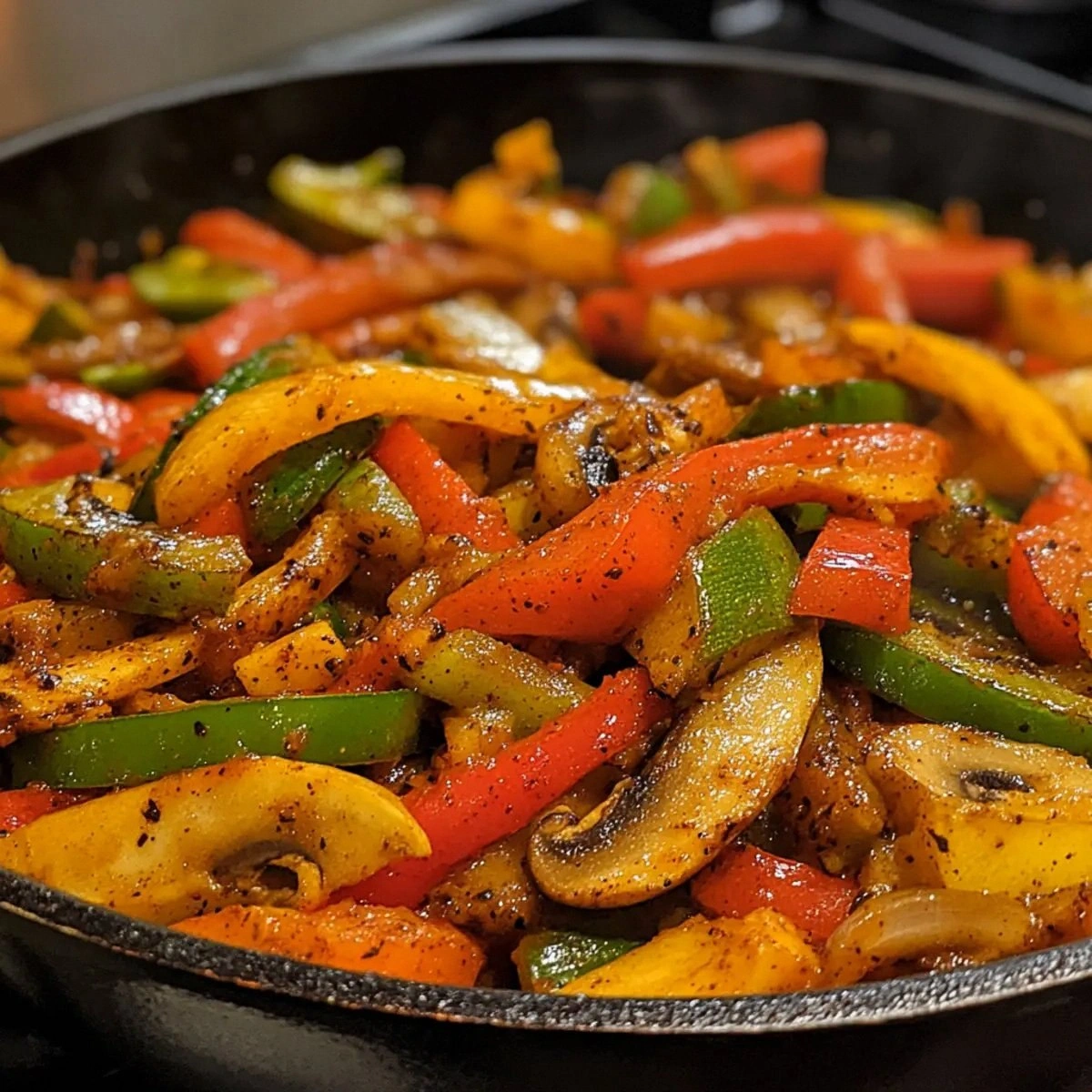
Picture this: the skillet sizzles as the oil glistens, the bell peppers begin to caramelize, and the aroma of cumin and smoked paprika fills the kitchen. Your ears catch the faint pop of onions, your eyes track the rainbow of colors turning from bright to glossy, and the anticipation builds until the first bite is almost inevitable. The texture is a delightful contrast—crisp edges that shatter like thin ice, a tender interior that melts in your mouth, and a subtle smokiness that lingers. I can almost hear the sizzle that says, “This is going to be good.”
What makes this version stand out is that it’s not just about flavor; it’s about speed, simplicity, and a touch of showmanship. I dared you to taste this and not go back for seconds, and I’ve seen people fall in love at first bite. The dish is hands down the best version you'll ever make at home because it turns a handful of veggies into a fiesta in minutes. I’ll be honest—I ate half the batch before anyone else got to try it, and the kitchen was still smelling incredible when I finished. If you've ever struggled to get your veggies to cook evenly, you're not alone—I've got the fix.
Most recipes get this completely wrong, focusing on overcooking or under-seasoning. Here’s what actually works: a quick sear, a burst of citrus, and a sprinkle of fresh cilantro at the end. Picture yourself pulling this out of the skillet, the whole kitchen smelling incredible, and a plate of vibrant, savory strips ready to be wrapped in warm tortillas. Let me walk you through every single step—by the end, you'll wonder how you ever made it any other way.
What Makes This Version Stand Out
- Speed: The entire dish comes together in under 30 minutes, making it ideal for busy weeknights. By prepping the veggies in advance, you can skip the chopping stage entirely. The result is a sizzling skillet that’s ready to serve in a flash.
- Flavor: A bold blend of chili powder, cumin, and smoked paprika creates depth without overpowering the natural sweetness of the peppers. The lime juice adds a bright, citrusy punch that cuts through the richness of the oil. Every bite is a burst of color and taste.
- Texture: The peppers stay crisp on the outside while becoming tender inside, thanks to a high-heat sear. The onions develop a caramelized glaze that balances the sharpness of the spices. The result is a satisfying crunch that’s hard to resist.
- Ingredient Quality: Using fresh, colorful bell peppers and a good-quality olive oil elevates the dish from ordinary to extraordinary. The freshness of the cilantro adds a herbal finish that ties everything together.
- Make‑Ahead Potential: This skillet can be cooked ahead of time and reheated without losing flavor. The seasoning stays vibrant, and the vegetables retain their texture when properly stored.
- Crowd Reaction: Friends and family rave about the quick prep and the vibrant, flavorful result. It’s the kind of dish that turns a simple dinner into a celebratory meal.
- Versatility: The base can be adapted to suit any dietary preference—gluten‑free, low‑fat, or high‑protein—by simply swapping out the tortilla or adding protein.
Inside the Ingredient List
The Flavor Base
Bell peppers are the star of the show, offering a natural sweetness that balances the heat from the chili powder. When you choose a mix of red, yellow, and green, you’re not just adding color—you’re layering subtle flavor notes that evolve as they cook. If you skip the peppers, the dish loses its vibrant heart; the rest of the spices will feel flat and lonely. For a smoky twist, try roasting the peppers in the oven before adding them to the skillet.
The Texture Crew
The yellow onion adds a sweet, caramelized bite that deepens with each minute on the heat. It’s essential for building the dish’s base flavor, acting as a natural binder for the spices. If you leave the onions out, the dish will feel thin and lacking body. A quick trick: slice the onions thinly and let them sit in a splash of lime juice for 5 minutes before cooking to soften their bite.
The Unexpected Star
Garlic is the unsung hero that gives the dish its aromatic punch. Crushing the cloves before cooking releases their essential oils, creating a fragrant foundation that permeates every bite. Skipping garlic would leave the dish tasting like a plain vegetable stir-fry. For a milder garlic flavor, toast the cloves lightly in the oil before adding the peppers.
The Final Flourish
Lime juice and fresh cilantro are the finishing touches that lift the dish to new heights. The citrus brightens the flavors, while the cilantro adds a fresh, herbal note that cuts through the richness of the oil. If you’re not a cilantro fan, a sprinkle of chopped green onions can provide a similar freshness. The final squeeze of lime before serving is the secret that turns a good dish into a great one.
Everything's prepped? Good. Let's get into the real action...
The Method — Step by Step
- Heat a large cast‑iron skillet over medium‑high heat and add the olive oil. Watch the oil shimmer; it’s the first sign that the pan is ready. Add the sliced onions and let them sizzle for about 2 minutes until they start to soften. The scent of caramelizing onion will fill the kitchen.
- Introduce the garlic cloves, crushing them lightly with the back of a knife to release their aroma. Sauté for 30 seconds, just until fragrant, then add the chopped bell peppers. The peppers should hit the pan with a satisfying hiss.
- Season the mixture with chili powder, cumin, smoked paprika, salt, and black pepper. Stir vigorously to coat every slice of vegetable. The spices should toast slightly, releasing their oils and creating a fragrant haze.
- Cook the veggies for 5-7 minutes, stirring occasionally, until the peppers are tender yet still retain a slight bite. The edges should start pulling away, indicating they’re ready. Keep the heat steady to avoid burning.
- Squeeze fresh lime juice over the mixture, stirring to combine. The acidity brightens the dish and balances the spices. If you prefer a milder lime flavor, use half the juice and add a splash of water instead.
- Add the fresh cilantro, tossing everything together until the herbs are evenly distributed. The cilantro adds a bright, green note that lifts the dish. If you’re not a cilantro fan, replace it with parsley or green onions.
- Taste and adjust seasoning if needed—more salt, a pinch of sugar, or another squeeze of lime can tailor the flavor to your liking. Plate the fajita strips on warm tortillas, top with your favorite salsa, guacamole, or a dollop of sour cream, and enjoy.
That's it—you did it. But hold on, I've got a few more tricks that'll take this to another level...
Insider Tricks for Flawless Results
The Temperature Rule Nobody Follows
Many people cook their veggies on low heat, resulting in soggy strips. I swear by a high‑heat sear; it locks in moisture and creates a caramelized crust. Keep the skillet hot enough that the vegetables sizzle when they hit the pan, but not so hot that they burn. This technique ensures a perfect crunch every time.
Why Your Nose Knows Best
The aroma of the spices and the sizzling onions is a reliable indicator of progress. When the smell turns nutty and slightly smoky, it’s time to add the peppers. Trust your senses—if it smells too raw, give it a minute more.
The 5‑Minute Rest That Changes Everything
After cooking, let the skillet rest for 5 minutes before serving. This brief pause allows the juices to redistribute, making the dish juicier and more flavorful. A friend once skipped this step and the veggies felt dry; it was a hard lesson learned.
Keep It Simple with One Pan
Using a single skillet saves time and cleanup. It also ensures that the flavors meld together in one place, creating a cohesive taste profile. If you’re short on dishes, this method is a lifesaver.
Fresh Ingredients Win
Always use fresh peppers and onions for the best flavor. Fresh produce has a brighter, sweeter taste that canned or frozen alternatives can’t match. If you’re out of fresh, frozen diced peppers work as a quick alternative, but they’ll release more water, so pat them dry first.
Creative Twists and Variations
This recipe is a playground. Here are some of my favorite ways to switch things up:
Protein Power
Add grilled tofu, tempeh, or sliced grilled chicken to the skillet for a protein boost. The extra protein turns the dish from a side to a hearty main course. Pair it with a side of quinoa for a complete meal.
Cheesy Kick
Sprinkle shredded cheddar or pepper jack cheese over the hot veggies before serving. The cheese melts into gooey pockets that add a creamy layer. This variation is perfect for a family‑friendly dinner.
Spicy Sriracha Splash
Drizzle sriracha or a hot sauce of your choice over the finished dish. The heat will elevate the flavors and add a pleasant bite. Adjust the amount to suit your spice tolerance.
Herb Infusion
Swap cilantro for fresh basil or mint for a different herbal profile. Each herb brings its own unique aroma and taste, keeping the dish fresh and exciting. Try basil for a sweet, slightly peppery note.
Vegan Taco Bowl
Serve the veggies over a bed of rice or cauliflower rice, top with diced avocado, and add a squeeze of lime. This variation transforms the dish into a wholesome vegan taco bowl. It’s a crowd‑pleaser for any dietary preference.
Storing and Bringing It Back to Life
Fridge Storage
Store the cooked fajita strips in an airtight container for up to 4 days. Keep the tortilla wrappers separate to prevent sogginess. When ready to eat, reheat the veggies in a skillet or microwave for 1–2 minutes, then wrap in a warm tortilla.
Freezer Friendly
Freeze the cooked strips in a single layer on a parchment‑lined tray for 2–3 hours, then transfer to a freezer bag. They’ll keep for up to 3 months. Thaw overnight in the fridge and reheat as described above.
Best Reheating Method
Reheat the veggies in a skillet with a splash of water or broth for 3–4 minutes, stirring frequently. The added liquid prevents drying out and restores the original texture. Finish with a fresh squeeze of lime for a bright finish.