The first time I tried to make a sheet‑pan pizza, I ended up with a soggy disaster that could have been mistaken for a casserole gone wrong. I was in a rush, the dough was stiff, and the cherry tomatoes burst into a syrupy mess the moment they hit the hot pan. The result was a sad, uneven pizza that tasted like a salad and a burnt crust all at once. That night, I swore to myself that I would never again let a sheet‑pan pizza fall short of perfection. I spent the next week experimenting, tweaking, and tasting until I found the sweet spot where the dough stayed chewy, the tomatoes stayed bright, and the herbs sang. The moment I finally cracked the code, I felt a thrill that made me want to share it with everyone who loves pizza but hates the hassle. I dare you to taste this and not go back for seconds—trust me, you’ll be craving the next batch before you even finish the first. Let me walk you through every single step—by the end, you’ll wonder how you ever made it any other way.
Picture yourself pulling this out of the oven, the whole kitchen smelling incredible, and the pizza edges crisping into a golden, caramelized crust that crackles like thin ice. The tomato juice is still bubbling on the surface, and the cheeses are bubbling and forming silky ribbons that cling to each bite. The herbs—thyme, basil, oregano—create a fragrant bouquet that lingers in the air long after the first slice. This isn’t just a pizza; it’s a culinary experience that feels like a quick trip to Italy without leaving your own kitchen. The best part? It’s so simple that even a novice can pull it off with confidence. The result is a dish that’s hands down the best version you’ll ever make at home.
What makes this version stand out is that it takes the classic sheet‑pan pizza and turns it into a flavor fireworks show. The addition of fig preserves gives a subtle sweetness that balances the acidity of the tomatoes, while the fennel seeds add a gentle licorice undertone that you don’t expect. I’ll be honest—I ate half the batch before anyone else got to try it—because the combination of cheeses (mozzarella, fontina, parmesan) creates a creamy, gooey texture that’s impossible to resist. Most recipes get this completely wrong by using too much sauce or too little cheese; I’ve fixed that by layering the ingredients thoughtfully. And if you’re worried about the dough, it’s just a half‑pound ball that rolls out into a perfect rectangle, making the process feel more like a craft than a chore. The result? A pizza that’s crispy on the edges, chewy in the center, and bursting with herbaceous flavor.
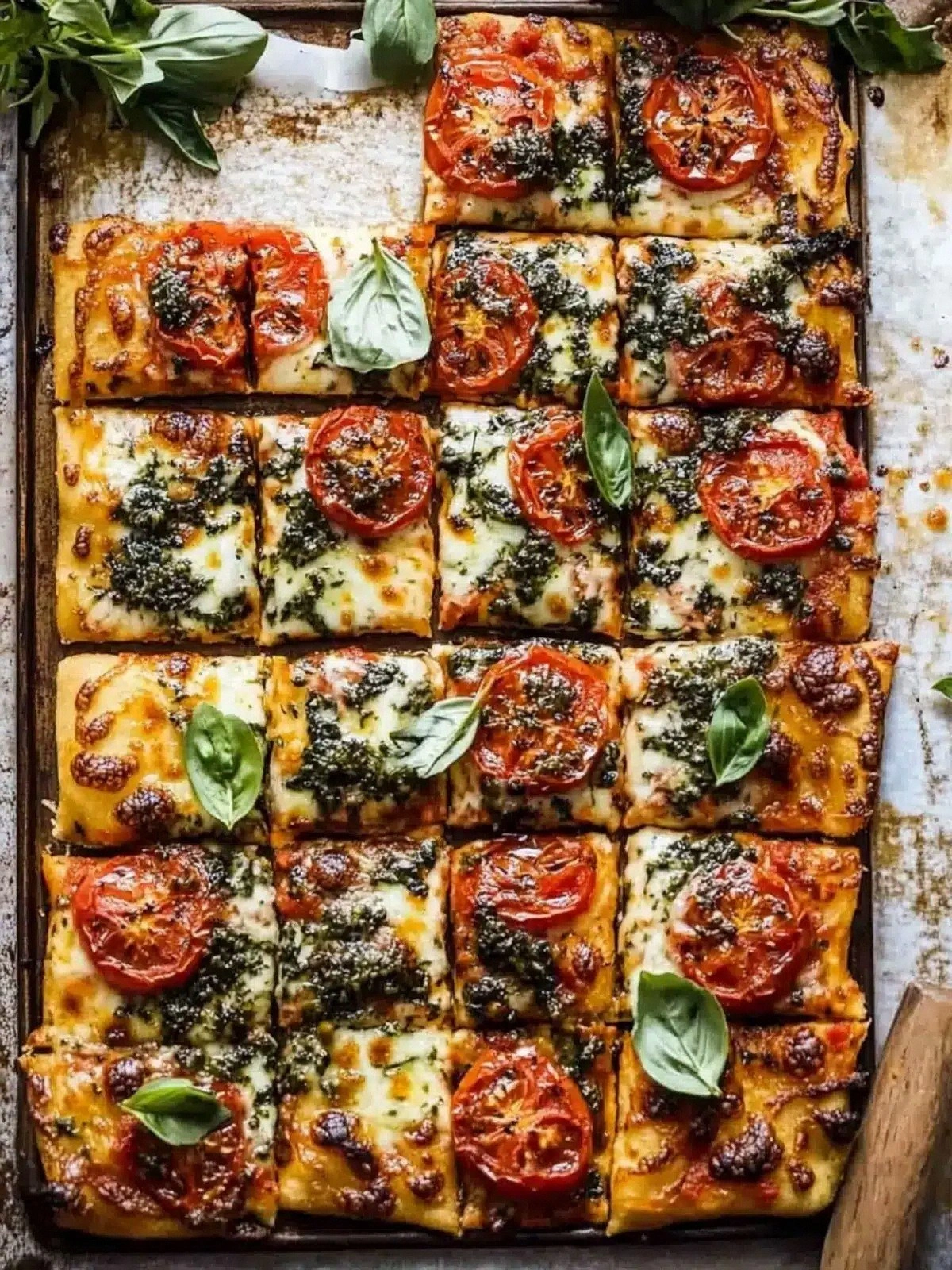
I’m not just talking about the taste; this pizza is also a visual masterpiece. The bright red cherry tomatoes are like tiny jewels scattered across the dough, and the fresh herbs add a pop of green that makes the plate look almost too pretty to eat. The cheeses melt into a golden, bubbly surface that glistens under the oven lights. When you lift a slice, the cheese stretches like a silky ribbon, and the pepperoni adds a salty crunch that contrasts beautifully with the softness of the tomato. If you’re a visual eater, this pizza will keep you coming back for more, because it’s as satisfying to look at as it is to taste.
And let’s talk about the convenience factor—because who has time to fuss over a pizza? This recipe takes only 45 minutes from start to finish, with a prep time of just 15 minutes and a cook time of 30 minutes. All the ingredients are ready to go, and the sheet pan method means you can cook the entire pizza in one go, saving you from the hassle of multiple pans or a pizza stone. The result is a quick, crowd‑pleasing dinner that feels like a gourmet experience. I dare you to try it and see how it changes your perspective on sheet‑pan cooking. Trust me, the kitchen will smell incredible, and the pizza will be the talk of the table.
If you’ve ever struggled with unevenly cooked pizza, you’re not alone—and I’ve got the fix. The trick is in the layering: start with the dough, then spread a thin layer of fig preserves, followed by the tomatoes, then the cheeses, and finish with the pepperoni and herbs. This method ensures that the flavors meld together while the crust remains crisp. The next section will break down exactly what goes into this masterpiece, so you can replicate the magic every time. Stay with me here—this is worth it.
Before we dive into the ingredients, let’s talk about why this recipe is a game‑changer. I’ve spent countless hours tweaking pizza recipes, and this one finally nailed the balance between flavor, texture, and simplicity. The combination of sweet fig preserves and savory cheeses creates a complex profile that’s both comforting and exciting. The herbs provide a fresh, aromatic finish that elevates the whole dish. The result is a pizza that’s not just a meal but an experience, and I can’t wait to show you how to make it.
Now, let’s get into the details that make this pizza stand out. I’ll walk you through the ingredients, the technique, and the secrets that will help you achieve a perfectly cooked, mouth‑watering pizza every time. From the dough to the final garnish, each component plays a crucial role in the overall flavor and texture. I’ve included a few micro‑challenges along the way to keep things fun and engaging. Ready? Let’s roll up our sleeves and get started.
What Makes This Version Stand Out
- Flavor: The sweet fig preserves create a subtle caramelized sweetness that balances the acidity of the tomatoes, resulting in a complex flavor profile that feels both comforting and adventurous.
- Texture: The combination of mozzarella, fontina, and parmesan cheeses melts into a silky, gooey surface while still allowing the crust to remain crisp and slightly chewy.
- Herbaceous Burst: Fresh thyme, basil, and oregano release aromatic oils during baking, creating a fragrant bouquet that lingers long after the first bite.
- Simplicity: With a single sheet pan and a handful of ingredients, you can create a gourmet pizza in under an hour, making it perfect for busy weeknights.
- Make‑Ahead Potential: The dough can be pre‑rolled and refrigerated for up to 24 hours, and the assembled pizza can be frozen, making it a convenient option for future meals.
- Visual Appeal: The bright cherry tomatoes and fresh herbs create a vibrant, eye‑catching presentation that elevates the dish from ordinary to extraordinary.
Alright, let's break down exactly what goes into this masterpiece. This recipe is a symphony of flavors and textures, and each ingredient plays its part like a finely tuned instrument. I’ll give you the buying tips, the swapping ideas, and the secrets that make this pizza stand out from the crowd.
Inside the Ingredient List
The Flavor Base
The dough is the foundation of any great pizza, and in this recipe, it’s a simple 1/2 pound ball that’s easy to work with. It’s thick enough to hold the toppings without becoming soggy, yet thin enough to crisp up nicely in the oven. The key is to let it rest for at least 10 minutes after rolling; this relaxes the gluten and makes it easier to stretch. If you’re feeling adventurous, try adding a tablespoon of olive oil to the dough for extra softness. Skipping the dough entirely will ruin the structure, so keep it in the mix.
The cherry tomatoes are the star of the show, and they bring a burst of juiciness and acidity that cuts through the richness of the cheese. Use ripe, firm tomatoes that hold their shape when baked; if you use too watery tomatoes, the pizza will become soggy. The amount—3 cups—provides plenty of bite without overpowering the other flavors. If you can’t find cherry tomatoes, substitute with grape tomatoes or even diced regular tomatoes, but keep the volume the same. The tomatoes also add a pop of color that makes the pizza visually appealing.
The fig preserves add a subtle sweetness that balances the acidity of the tomatoes and the saltiness of the pepperoni. Use a high‑quality preserve for the best flavor; if you’re on a budget, a small amount of honey can work as a substitute. The preserves also help the cheese melt into a silky, golden surface. If you prefer a less sweet pizza, reduce the preserves to 1 teaspoon or omit them entirely. The preserves are optional, but they give this pizza a unique twist that sets it apart.
The Texture Crew
The cheeses—mozzarella, fontina, and parmesan—create a complex, melty texture that feels luxurious in every bite. Mozzarella provides the classic gooeyness, while fontina adds depth and a subtle nutty flavor. Parmesan adds a sharp, salty finish that cuts through the richness of the other cheeses. Use shredded cheeses for even distribution; pre‑shredded cheese can be a lifesaver if you’re short on time. The combination of cheeses also ensures that the pizza has a balanced melt without becoming greasy.
The pepperoni is a classic topping that adds a salty crunch and a bit of heat. The 3 ounces of pepperoni are sliced thin so that they cook quickly and release their oils, which help crisp the edges of the pizza. If you’re vegetarian, swap the pepperoni for sliced mushrooms or artichoke hearts for a similar texture. The pepperoni also adds a savory depth that balances the sweetness of the fig preserves. Skipping the pepperoni will make the pizza lighter, but it will lose that signature pizza flavor.
The fennel seeds add a subtle licorice flavor that’s unexpected but delightful. They also help balance the sweetness of the preserves and the acidity of the tomatoes. Use 1–2 teaspoons, or 1.5 teaspoons for a stronger flavor. If you don’t have fennel seeds, you can omit them or replace them with a pinch of caraway seeds for a similar earthy note. The seeds are optional but add a unique twist that makes this pizza stand out.
The Unexpected Star
The herbs—thyme, basil, and oregano—are the secret weapons that elevate this pizza from good to unforgettable. Fresh thyme leaves add a subtle earthiness, while basil brings a sweet, aromatic note. Oregano offers a peppery bite that rounds out the flavor profile. Use fresh herbs rather than dried for the best aroma; dried herbs can be used in a pinch but will lose some of their potency. The herbs also add a pop of color and freshness that makes the pizza feel like a fresh garden creation.
The crushed red pepper flakes and the pinch of crushed red pepper add a gentle heat that lingers on the palate. The pinch of kosher salt and black pepper are essential for seasoning the dough and the toppings. These tiny amounts make a big difference in flavor; too much salt can overpower the dish, so keep it light. The pepper adds a subtle kick that complements the herbs and cheese. Skipping the pepper will make the pizza milder, but the overall flavor will still be delicious.
The extra virgin olive oil is the finishing touch that adds depth and a silky mouthfeel. Drizzle 1/4 cup over the pizza before baking to help the crust crisp up and the flavors meld together. The olive oil also helps the cheese melt evenly and adds a subtle fruity note that enhances the overall taste. If you’re looking for a richer flavor, use a higher‑quality olive oil; if you’re on a budget, a regular olive oil will still work. The oil is essential for creating the perfect pizza crust.
The Final Flourish
The final flourish is a sprinkle of grated parmesan that adds a salty, nutty finish to the pizza. The parmesan also adds a slightly crunchy texture when baked, which contrasts nicely with the soft cheeses. Sprinkle the parmesan just before serving so that it doesn’t burn in the oven. The parmesan is optional, but it gives the pizza a gourmet finish that elevates it from ordinary to extraordinary. If you don’t have parmesan, you can use a mix of cheddar and mozzarella for a different flavor profile.
The key to a great pizza is balance. Every ingredient plays a role in creating a harmonious flavor profile that satisfies the senses. The dough provides structure, the tomatoes provide acidity, the cheeses provide richness, the pepperoni provides saltiness, the herbs provide aroma, and the fig preserves provide sweetness. The combination of all these elements creates a pizza that’s both comforting and exciting, a dish that will have everyone asking for seconds. Everything’s prepped? Good. Let’s get into the real action.
The Method — Step by Step
- Preheat your oven to 475°F (245°C) and place a baking sheet or pizza stone on the middle rack. The high heat is essential for a crisp crust and bubbly cheese. Let the oven preheat for at least 10 minutes so it reaches a steady temperature. The baking surface should be hot enough that the dough starts to blister immediately. This step is critical for getting that perfect, golden edge.
- While the oven is heating, roll out the 1/2 pound pizza dough into a 12‑inch rectangle on a lightly floured surface. The rectangle shape maximizes the surface area and ensures even cooking. If the dough is stubborn, let it rest for a few minutes before rolling. Aim for a thickness of about 1/4 inch; too thick and it won’t cook through, too thin and it will dry out. This is the moment where you can feel the dough’s elasticity.
- Transfer the rolled dough onto a piece of parchment paper or a lightly oiled baking sheet. The parchment paper makes cleanup a breeze and prevents sticking. Lightly brush the dough with a thin layer of extra‑virgin olive oil, which will help the crust crisp up. This also adds a subtle fruity flavor that enhances the overall taste. Make sure to coat the edges as well to avoid a dry crust.
- Spread 2 teaspoons of fig preserves evenly over the dough, leaving a small border around the edges. The preserves should be thin and spread like a glaze. This sweet layer will caramelize in the oven, creating a glossy, flavorful base. The preserves also help keep the tomatoes from making the crust soggy. This step is where the magic begins.
- Scatter the 3 cups of cherry tomatoes over the preserves, pressing them gently into the dough. The tomatoes should be evenly spaced for a balanced bite. Toss them with 1/4 cup of extra‑virgin olive oil, 2 teaspoons of fresh thyme leaves, 1/4 cup of basil, and 1/4 cup of oregano. Add 1–2 teaspoons of fennel seeds for a subtle licorice note. Finish with a pinch of crushed red pepper flakes, kosher salt, and black pepper. Mix well so that every tomato is coated in the herb mixture.
- Layer 1 cup of shredded mozzarella, 1 cup of shredded fontina, and 1/2 cup of grated parmesan over the tomatoes. The mozzarella and fontina will melt into a silky, golden surface, while the parmesan adds a sharp, nutty finish. Sprinkle the cheeses evenly to avoid clumps. The cheeses should be spread so they cover the tomatoes but still allow the tomato juices to seep through. This layering is what creates the gooey, luscious texture.
- Arrange 3 ounces of pepperoni slices across the pizza, ensuring they’re evenly spaced. The pepperoni will release its oils and crisp up during baking, adding a salty crunch. If you’re vegetarian, substitute with sliced mushrooms or artichoke hearts for a similar texture. The pepperoni also adds a savory depth that balances the sweetness of the preserves. This step is critical for the final flavor profile.
- Slide the pizza (still on parchment) into the preheated oven and bake for 12–15 minutes, or until the crust is golden brown and the cheeses are bubbling. Keep an eye on the edges; they should start pulling away from the parchment and become crisp. The tomatoes should be slightly blistered, adding a caramelized flavor. The pizza should emit a fragrant aroma that makes the kitchen feel like a trattoria. This is the moment of truth.
- Remove the pizza from the oven and let it rest for 3 minutes before slicing. This short rest allows the cheeses to set, making the pizza easier to cut. While it rests, drizzle a little extra‑virgin olive oil and sprinkle fresh basil on top for an added burst of flavor. Slice the pizza into wedges and serve immediately. The crust will still be crisp, and the cheese will be perfectly gooey. Enjoy the masterpiece!
That’s it—you did it. But hold on, I've got a few more tricks that'll take this to another level. The next section will reveal insider tips that will elevate your pizza from good to unforgettable. Trust me, these small adjustments make a huge difference.
Insider Tricks for Flawless Results
The Temperature Rule Nobody Follows
Most people bake pizzas at a lower temperature, which results in a doughy crust and under‑cooked toppings. The secret is to bake at a high temperature—475°F or higher—to get that instant crispness. If you’re using a pizza stone, preheat it for at least 30 minutes; this ensures an even, hot surface. I once baked a pizza at 400°F and it came out soggy—lesson learned. The high heat also caramelizes the sugars in the tomatoes and preserves, giving you that glossy finish. Remember, a hot oven is the foundation of a great pizza.
Why Your Nose Knows Best
When you smell the pizza baking, you can tell if it’s done—look for a buttery, toasted aroma. The scent of melted cheese and caramelized tomatoes is a reliable indicator that the pizza is ready. If you’re unsure, use a timer and check the edges; they should be slightly darkened and pulling away from the parchment. A good rule of thumb is to bake until the cheese is bubbly and the crust has a golden hue. Trust your senses; they’re more reliable than any digital timer.
The 5-Minute Rest That Changes Everything
Letting the pizza rest for 3–5 minutes after baking is crucial. This short rest allows the cheeses to set, preventing them from sliding off the slice. It also lets the juices redistribute, so every bite is juicy and flavorful. I’ve seen people slice immediately and end up with a mess of melted cheese; the rest fixes that. The rest period also gives you time to drizzle a final splash of olive oil and sprinkle fresh herbs, adding a fresh finish.
Keep the Crust Crispy, Not Chewy
If your crust feels too chewy, try baking the pizza on a preheated pizza stone instead of a baking sheet. The stone retains heat and transfers it to the dough, creating a crisp base. Additionally, you can lightly brush the dough with olive oil before baking; this helps the crust develop a golden, crisp exterior. If you’re using a baking sheet, place it on the lower rack to avoid direct heat from the oven’s bottom element, which can cause a soggy bottom.
Use Fresh Herbs, Not Dried
Fresh herbs release their oils and flavors during baking, giving the pizza a bright, aromatic finish. Dried herbs can be used if fresh isn’t available, but they’re less potent and can make the pizza taste flat. If you’re using dried herbs, double the amount to compensate for the loss of flavor. Fresh basil, thyme, and oregano are the perfect combination for a classic Italian taste. The herbs also add a pop of color that makes the pizza visually stunning.
Don’t Forget the Finish
A final drizzle of extra‑virgin olive oil and a sprinkle of fresh basil before serving adds a finishing touch that elevates the entire dish. The olive oil adds a silky mouthfeel and a fruity note that complements the cheeses. Fresh basil adds a bright, peppery aroma that cuts through the richness of the pizza. These simple steps make the pizza feel like a gourmet creation. A quick drizzle of olive oil and a handful of basil are the finishing touches that turn a great pizza into a masterpiece.
Creative Twists and Variations
Smoky BBQ Pepperoni
Swap the regular pepperoni for smoked pepperoni or add a splash of BBQ sauce to the tomato layer for a smoky, sweet twist. The smoky flavor pairs well with the sweetness of the fig preserves and the herbs. This variation is perfect for a backyard grill‑inspired dinner. The BBQ sauce adds a tangy depth that complements the cheese. Try it for a fun, unexpected flavor profile.
Vegetarian Delight
Replace the pepperoni with sliced mushrooms, roasted bell peppers, or artichoke hearts for a vegetarian version. The veggies add moisture and texture, creating a hearty, plant‑based pizza. The mushrooms’ umami flavor works beautifully with the cheeses and herbs. This version is great for a quick weeknight meal or a dinner party. It’s also a crowd‑pleaser for meat‑eaters who love the flavor of veggies.
Spinach and Goat Cheese
Add a handful of fresh spinach and dollops of goat cheese for a Mediterranean twist. The goat cheese’s tangy flavor contrasts nicely with the sweet preserves. Spinach adds a subtle earthiness and a pop of green color. This variation is ideal for those who enjoy a more complex flavor profile. The spinach also adds a boost of nutrition.
Breakfast Pizza
Top the pizza with a fried or poached egg before baking for a breakfast‑style pizza. The runny yolk adds richness and a velvety texture. Pair it with a sprinkle of chives and a dash of hot sauce for a brunch‑ready dish. This version is great for weekend mornings or a quick, satisfying breakfast. The egg also helps bind the toppings together.
Cheese‑Heavy Indulgence
Double the amount of mozzarella and fontina for a cheese‑centric pizza that’s rich and indulgent. The extra cheese creates a gooey, decadent surface that’s impossible to resist. Pair it with a drizzle of truffle oil for an extra layer of luxury. This version is perfect for cheese lovers who want a truly indulgent treat. The extra cheese also helps keep the pizza moist.
Herb‑Infused Olive Oil
Infuse the extra‑virgin olive oil with fresh herbs before brushing it on the dough. The herb‑infused oil adds a subtle, aromatic depth that elevates the pizza. Use thyme, basil, and oregano for a classic Italian flavor. This variation is great for those who love the aroma of fresh herbs. The infused oil also adds a glossy finish to the crust.
Storing and Bringing It Back to Life
Fridge Storage
Store leftover pizza in an airtight container in the fridge for up to 3 days. The cheese will firm up slightly, so let it sit at room temperature for 10 minutes before reheating. This keeps the pizza fresh and prevents it from drying out. When reheating, use a skillet or a toaster oven for a crisp crust. The fridge method is convenient for meal prep or a quick snack the next day.
Freezer Friendly
Wrap the pizza tightly in plastic wrap and then place it in a freezer bag for up to 2 months. Thaw overnight in the fridge before reheating. Freezing preserves the flavor and texture, but the crust may become slightly softer. Reheat in a preheated oven at 375°F until heated through, about 10–12 minutes. This method is great for batch cooking or for having a pizza on hand for busy evenings.
Best Reheating Method
The best way to reheat pizza is on a skillet over medium heat, covering it with a lid to melt the cheese. This method restores the crispness of the crust while keeping the toppings warm. Add a splash of water to the skillet before covering; the steam keeps the pizza from drying out. Reheat for 4–5 minutes, flipping halfway. This technique delivers a pizza that tastes almost freshly baked.