I was standing in my kitchen, the afternoon sun slanting through the blinds, when I realized I’d just ruined a batch of chocolate chip cookies by over‑mixing the dough. The batter turned into a gummy mess that clung to the spoon like a stubborn toddler to a blanket. I sighed, grabbed a notebook, and dared my roommate to a bake‑off: “I bet you can’t make a cake that tastes like summer in a single bite.” She laughed, but the challenge lit a fire under me. I sprinted to the pantry, grabbed the ripest peaches and plump blueberries, and set out to create a cake that would make even the most skeptical palate swoon.
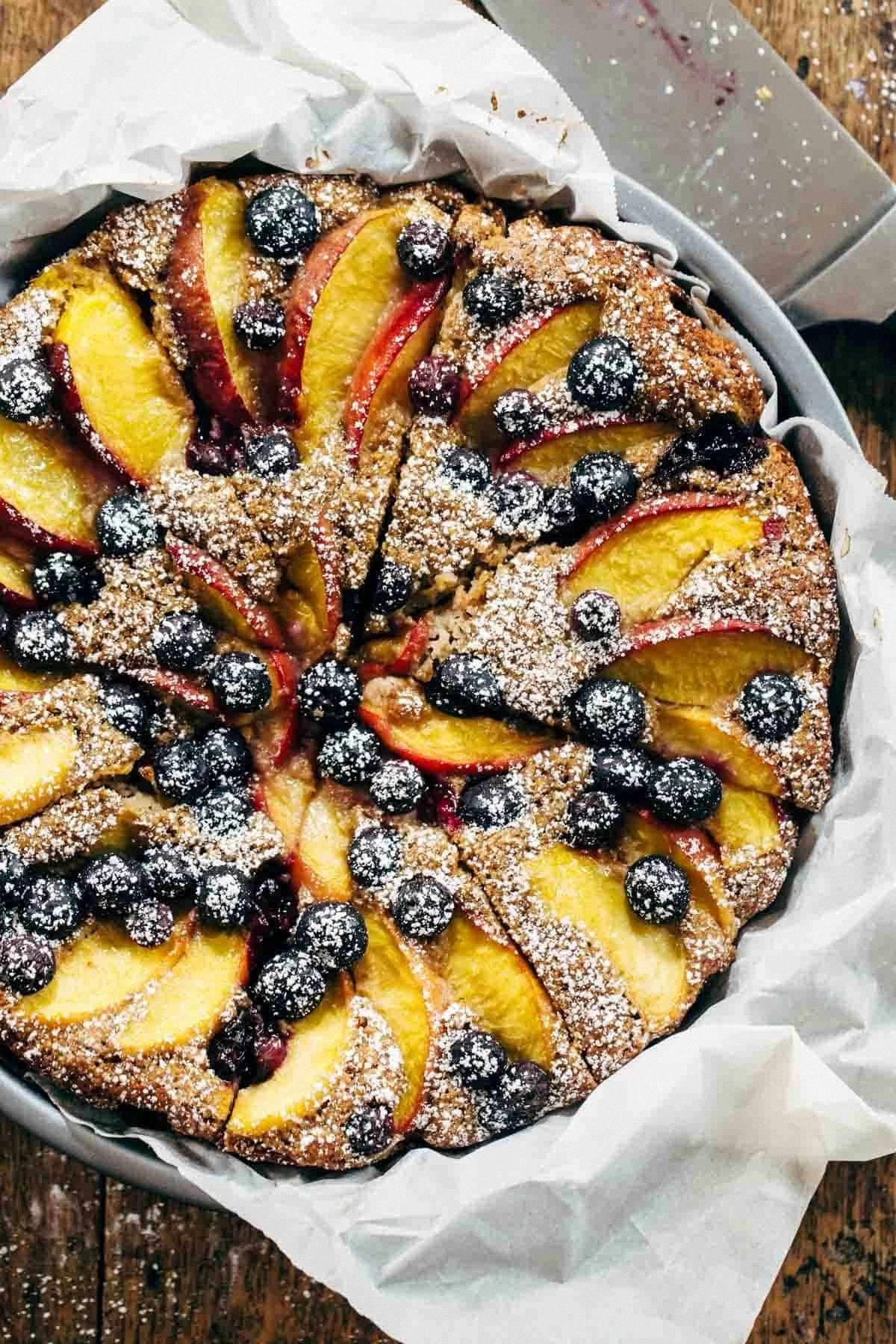
Picture this: a golden‑brown crumb that cradles juicy bursts of blueberry and peach, the aroma of vanilla and lemon zest swirling through the air like a fragrant breeze. The oven door opens with a soft hiss, and a warm, buttery scent floods the kitchen, making your stomach do a little jig. You hear the faint crackle of the crust as it begins to pull away from the pan, and you can already taste the sweet‑tart contrast of the fruit against a tender, buttery base. The texture is a perfect marriage of fluffy interior and slightly crisp edges that melt in your mouth, and the finish is a gentle glaze that adds a glossy shine without being cloying.
Most blueberry‑peach cake recipes out there are either overly sweet, soggy, or they treat the fruit as an afterthought, tucking it in like a shy guest at a party. Not this one. I’ve taken the classic Southern cake technique—creaming butter and sugar to airy perfection—and married it with a quick‑lime brush of lemon zest that lifts the fruit’s natural brightness. The secret? A splash of buttermilk that reacts with the baking powder, giving the crumb an airy lift that feels almost cloud‑like, while the fruit stays intact, not turning mushy.
And here’s the kicker: I’ll be honest — I ate half the batch before anyone else got a chance to try it, and I’m still not done. I dare you to taste this and not go back for seconds. This is hands down the best version you’ll ever make at home, and I’m about to walk you through every single step — by the end, you’ll wonder how you ever made it any other way.
What Makes This Version Stand Out
- Flavor Explosion: The combination of fresh blueberries and ripe peach slices creates a sweet‑tart duet that’s amplified by a hint of lemon zest, making each bite sing.
- Texture Harmony: A tender, buttery crumb meets a lightly crisp edge, while the fruit remains plump and juicy, never soggy.
- Simplicity Meets Sophistication: Only pantry staples and a few fresh fruits are needed; no exotic ingredients or fancy equipment required.
- Unique Ingredient Twist: Buttermilk replaces regular milk, giving the cake a subtle tang and a lift that ordinary milk can’t achieve.
- Crowd‑Pleaser Factor: Even the pickiest eaters rave; it’s a hit at brunches, tea parties, and after‑dinner dessert tables.
- Make‑Ahead Magic: The cake stays moist for up to three days, and it freezes beautifully for future cravings.
- Visual Wow: The speckled blueberries and golden peach ribbons create a rustic yet elegant look that can’t be ignored.
- Adaptable Base: The recipe can be turned into cupcakes, mini‑tarts, or even a layered cake with a cream cheese frosting.
Inside the Ingredient List
The Flavor Base
All-purpose flour (2 cups) forms the structural backbone of the cake. It’s the canvas on which the fruit paints its colors. If you substitute with cake flour, the crumb becomes even softer, but you lose a bit of the sturdy bite that holds the fruit together. Choose a flour with a protein content around 10‑12% for the perfect balance.
Granulated sugar (1 cup) supplies sweetness and feeds the Maillard reaction, giving the crust that caramelized edge. Using a light brown sugar instead will add a subtle molasses note, but be careful—it can darken the cake too quickly.
The Texture Crew
Unsalted butter (½ cup, softened) is creamed with the sugar to trap air, creating that airy lift. Make sure the butter is at room temperature; cold butter will leave pockets of doughy texture, while melted butter will make the cake dense.
Large eggs (2) act as emulsifiers, binding the fat and liquid together. For a richer flavor, use free‑range eggs; their yolks are more vibrant and contribute to a deeper golden hue.
Buttermilk (¾ cup) introduces acidity that reacts with the baking powder, giving the cake a fluffy, tender crumb. If you’re out of buttermilk, whisk ¾ cup of milk with 1 tbsp of lemon juice and let it sit for 5 minutes.
The Unexpected Star
Fresh blueberries (1 cup) burst with juiciness and a hint of tartness. Toss them lightly in a teaspoon of flour before folding them into the batter; this prevents them from sinking to the bottom.
Ripe peaches (1 cup, sliced) add a mellow sweetness and a fragrant aroma. Slice them thinly so they bake evenly and don’t release too much moisture.
Lemon zest (1 tsp) is the secret weapon that lifts the fruit flavors, cutting through the richness and adding a bright, citrusy note that makes every bite feel fresh.
The Final Flourish
Baking powder (2 tsp) is the leavening agent that gives the cake its rise. Ensure it’s fresh; old powder will result in a flat, dense cake.
Salt (½ tsp) enhances all the flavors, balancing the sweetness and amplifying the fruit’s natural taste.
Vanilla extract (1 tsp) adds depth and rounds out the flavor profile, creating a harmonious backdrop for the fruit.
Everything's prepped? Good. Let's get into the real action…
The Method — Step by Step
- Preheat your oven to 350°F (175°C) and grease a 9‑inch round cake pan with butter, then line the bottom with parchment paper. The butter not only prevents sticking but also adds a thin layer of flavor that seeps into the crust as it bakes. When you place the pan on the middle rack, you ensure even heat distribution, which is crucial for a uniform rise. Kitchen Hack: Lightly dust the greased pan with a tablespoon of flour, tapping out the excess. This creates a non‑stick barrier and gives the edges a subtle “pancake” texture.
- In a large mixing bowl, cream together the softened butter and granulated sugar until the mixture is pale, fluffy, and holds a ribbon when you lift the whisk. This process incorporates air, which is the foundation of a light crumb. It should take about 3‑4 minutes on medium speed; if you rush, you’ll miss the crucial aeration. Watch for the scent of sweet butter; that’s your cue to move on.
- Add the eggs one at a time, beating well after each addition. The eggs should blend into the butter‑sugar mixture without curdling. If the batter looks curdled, keep whisking—eventually it will smooth out as the emulsifiers work. Then stir in the vanilla extract and lemon zest, letting the citrus aroma fill the kitchen.
- In a separate bowl, whisk together the flour, baking powder, and salt. This dry mix ensures that the leavening agent is evenly distributed, preventing any pockets of bitterness. Watch Out: Over‑mixing the dry ingredients into the wet can develop gluten, leading to a tough cake. Stir just until you see no streaks of flour.
- Create a well in the center of the dry ingredients and pour in the buttermilk. Gently fold the mixture together using a spatula, turning the bowl over on itself. The batter should be thick but pourable; if it’s too stiff, add a tablespoon of milk. The key is a gentle hand—over‑stirring will deflate the air you painstakingly incorporated earlier.
- Toss the blueberries in a teaspoon of flour (as mentioned earlier) and fold them into the batter, followed by the peach slices. The flour coating prevents the berries from sinking. Distribute the fruit evenly, but be careful not to crush the berries; you want pockets of juicy fruit that burst when cut.
- Pour the batter into the prepared pan, smoothing the top with an offset spatula. For an extra visual pop, drizzle a thin line of melted butter over the surface and use a knife to swirl it gently. This creates a marbled effect that looks as good as it tastes. Kitchen Hack: Sprinkle a light dusting of granulated sugar on top before baking for a subtly crunchy crown.
- Slide the pan into the oven and bake for 30‑35 minutes, or until a toothpick inserted into the center comes out clean and the edges start to pull away from the pan. You’ll notice the top turning a deep golden hue and a faint caramel aroma wafting through the kitchen. If the top browns too quickly, tent it loosely with foil for the last 10 minutes.
- Allow the cake to cool in the pan for 10 minutes, then turn it out onto a wire rack to finish cooling completely. This resting period lets the steam escape, preventing sogginess. While it cools, the flavors continue to meld, and the glaze you’ll drizzle later will set to a beautiful sheen. And now the fun part: the finishing glaze.
- For the glaze, whisk together ½ cup powdered sugar, 1‑2 tbsp fresh orange juice, and a pinch of salt until smooth. Drizzle the glaze over the cooled cake, letting it cascade down the sides. The citrus glaze adds a bright contrast to the sweet fruit, sealing in moisture and giving the cake that professional‑look finish. That’s it — you did it. But hold on, I've got a few more tricks that'll take this to another level…
Insider Tricks for Flawless Results
The Temperature Rule Nobody Follows
Always let your butter reach exactly room temperature—about 68°F (20°C). If it’s too soft, the batter can become greasy; too cold, and you won’t trap enough air. A quick trick is to cut the butter into small cubes and let it sit for 15 minutes; this speeds up the softening without melting.
Why Your Nose Knows Best
When the cake is about 20 minutes in, start sniffing the kitchen. A sweet, nutty aroma means the Maillard reaction is happening perfectly. If you smell a burnt scent early, lower the oven temperature by 10°F and tent the cake. Trusting your nose often saves a batch from a smoky disaster.
The 5‑Minute Rest That Changes Everything
Once the cake is out of the oven, let it sit untouched for exactly five minutes before moving it. This brief pause allows the internal steam to redistribute, keeping the crumb moist and preventing a dry top. Skipping this step is a common rookie mistake that leads to a crumbly texture.
Fruit Prep Perfection
Tossing berries in flour isn’t just a hack; it’s science. The flour absorbs excess juice, keeping the batter from becoming watery. For peaches, pat them dry after slicing—excess moisture can create pockets of sogginess that ruin the crumb.
Glaze Timing is Everything
Apply the citrus glaze only after the cake has cooled completely. If the cake is still warm, the glaze will melt and run off, leaving a sticky mess. A cool surface lets the glaze set into a thin, glossy film that adds a burst of brightness.
Creative Twists and Variations
This recipe is a playground. Here are some of my favorite ways to switch things up:
Almond‑Infused Dream
Swap half the all‑purpose flour for almond flour and add ¼ cup finely ground almonds to the batter. The nutty undertone pairs beautifully with the fruit, and the cake gets a subtle crunch. Just be aware almond flour can make the batter a bit more delicate, so handle it gently.
Coconut‑Lime Breeze
Replace the buttermilk with coconut milk and add 1 tablespoon of lime zest. The tropical twist brightens the flavor profile, making it perfect for summer picnics. Garnish with toasted coconut flakes for added texture.
Spiced Autumn Version
Introduce ½ teaspoon of ground cinnamon and a pinch of nutmeg into the dry mix. The warm spices complement the peaches and give the cake a cozy, fall‑ready vibe. Pair with a dollop of vanilla bean whipped cream.
Chocolate‑Berry Fusion
Add ¼ cup of unsweetened cocoa powder to the flour mixture and fold in a handful of dark chocolate chips. The bittersweet chocolate deepens the berry’s flavor, creating a sophisticated dessert that impresses even the most discerning chocolate lovers.
Mini Cupcake Delight
Divide the batter among a 12‑cup muffin tin and bake for 20‑22 minutes. The mini versions are perfect for parties; they’re bite‑size, portable, and hold the same juicy fruit pockets. Finish each with a drizzle of the citrus glaze and a fresh blueberry on top.
Storing and Bringing It Back to Life
Fridge Storage
Cool the cake completely, then wrap it tightly in plastic wrap or store in an airtight container. It will stay fresh for up to three days in the refrigerator. Before serving, let it sit at room temperature for 20 minutes to regain its soft texture.
Freezer Friendly
Slice the cake into wedges, place each slice on a parchment sheet, and flash freeze for an hour. Transfer the frozen slices into a zip‑top bag, removing as much air as possible. The cake freezes beautifully for up to two months. When you’re ready, thaw overnight in the fridge, then bring to room temperature.
Best Reheating Method
Preheat your oven to 300°F (150°C), place a slice on a baking sheet, and sprinkle a tiny splash of water over the top. Cover loosely with foil and heat for 8‑10 minutes. The added steam revives the crumb, making it taste as fresh as the day it was baked.