I never thought a kitchen mishap could lead to a culinary revelation. Picture this: I was whipping up a simple roast chicken, the scent of garlic and herbs already dancing in the air, when the timer buzzed and the bird emerged from the oven looking… well, a little undercooked. I was about to abandon ship and call it a day, but a sudden craving for something bold and comforting sparked a midnight experiment. I tossed in a splash of dry white wine, a handful of fresh rosemary, thyme, and a generous knob of butter, then slid the chicken back in, hoping for a miracle.
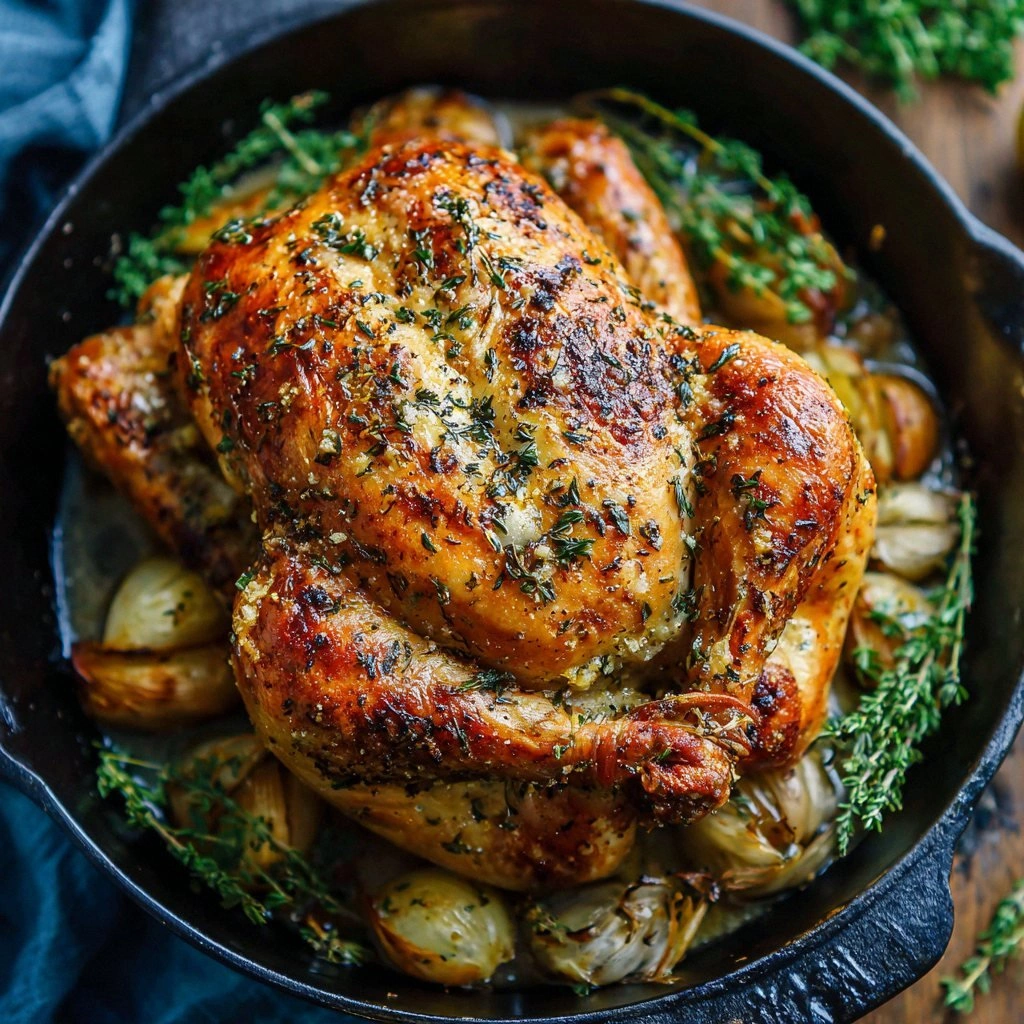
The kitchen filled with a sizzling symphony as the butter melted into a glossy sauce that clung to the meat like velvet. The aroma was a heady mix of citrus, herbs, and the faintest hint of caramelized garlic—so intoxicating that even the cat seemed to pause and sniff. When the timer finally rang, the skin was a deep, golden‑brown, crackling with crispness that promised a mouthful of savory joy. The first bite was a revelation: tender, juicy meat wrapped in a fragrant, buttery sauce that tingled the palate with lemony brightness.
What makes this version stand out is not just the flavor, but the way every component works together to create a sensory masterpiece. The butter and wine fuse into a silky sauce that coats the chicken, while the herbs infuse the meat with depth and a subtle earthiness. The crisp skin is achieved by a precise oven temperature that caramelizes the fat without drying the flesh. And the final touch— a drizzle of fresh parsley and a squeeze of lemon—adds a bright, fresh finish that lifts the entire dish.
I dare you to taste this and not go back for seconds. I’m telling you, this is hands down the best version you’ll ever make at home. Picture yourself pulling this out of the oven, the whole kitchen smelling incredible, the table set, and your guests already asking for the recipe. Let me walk you through every single step—by the end, you’ll wonder how you ever made it any other way.
What Makes This Version Stand Out
- Flavor: The combination of garlic, fresh rosemary, thyme, and a splash of white wine creates a depth that feels like a gourmet restaurant experience, yet it’s all homemade.
- Texture: The skin turns to a crunchy, caramelized perfection while the meat stays moist and tender, a balance that’s hard to achieve with standard roast recipes.
- Simplicity: With just a handful of ingredients and a single pan, you can deliver a showstopper without a lot of prep.
- Uniqueness: The buttery wine sauce is a secret weapon that elevates the dish, giving it a silky finish that most chicken roasts lack.
- Crowd Reaction: Guests leave asking for the recipe, and you become the unofficial chef of your household.
- Ingredient Quality: Fresh herbs and a good quality chicken make the difference—don’t skimp on the aromatics.
- Cooking Method: The oven temperature and timing are engineered to keep the chicken juicy while crisping the skin.
- Make‑Ahead Potential: The sauce can be made ahead and reheated without losing its silky texture.
Inside the Ingredient List
The Flavor Base
The foundation of this dish is a simple yet powerful mix of fresh herbs and aromatics. Fresh rosemary and thyme provide an earthy, piney aroma that complements the savory chicken. Garlic, minced finely, releases its sweet, pungent essence as it cooks, creating a fragrant base that permeates the entire roast. If you skip the garlic, the sauce will taste flat and lack depth. For a twist, try adding a pinch of dried oregano or a splash of lemon zest to brighten the profile.
The Texture Crew
Butter is the secret to that silky sauce that clings to every surface of the chicken. Unsalted butter melts into a glossy glaze, allowing the herbs to coat the meat evenly. Olive oil, on the other hand, helps the skin crisp up without burning. A good rule of thumb: use equal parts butter and oil to balance richness with a golden crust. If you prefer a dairy‑free version, substitute with a neutral oil and a splash of coconut cream.
The Unexpected Star
White wine is the unsung hero that lifts the sauce, adding a subtle acidity that balances the richness of the butter. A dry, medium‑body white such as Sauvignon Blanc or Pinot Grigio works best, as it won’t overpower the herbs. If you’re avoiding alcohol, replace the wine with an equal amount of chicken stock mixed with a splash of lemon juice. This keeps the sauce bright and prevents it from becoming too heavy.
The Final Flourish
Fresh parsley and lemon zest add a bright, herbal note that cuts through the richness of the butter and wine. Lemon slices placed in the roasting pan infuse the chicken with citrusy aroma and a subtle tang that lingers on the skin. A bay leaf adds a subtle depth that is almost imperceptible but noticeable to the trained palate. Skipping these final touches will make the dish feel incomplete, as if a piece of the puzzle is missing.
Everything's prepped? Good. Let's get into the real action...
The Method — Step by Step
- Preheat your oven to 425°F (220°C). Pat the chicken dry with paper towels; this step is crucial for crisp skin. Season the cavity with salt, pepper, and a few lemon slices to infuse flavor from the inside.
- In a small bowl, combine minced garlic, chopped rosemary, thyme, and olive oil. Rub this herb mixture all over the chicken, making sure to get under the skin where the fat is. This will help the flavors penetrate the meat and create a beautiful crust.
- Place the chicken breast‑side up in a roasting pan. Scatter chopped carrots and quartered onions around it; these vegetables will caramelize and serve as a flavorful base for the sauce. Kitchen Hack: Tuck a few sprigs of fresh thyme under the chicken for extra aroma during roasting.
- Drizzle the chicken with butter and pour the white wine around the bird. The butter will melt into a glaze that locks in moisture, while the wine adds acidity and depth to the sauce. The mixture should sizzle as it hits the pan—listen for that satisfying hiss.
- Roast for 45 minutes, then lower the oven temperature to 375°F (190°C) and continue cooking for another 30 minutes, or until the internal temperature reaches 165°F (74°C). The skin should be a deep, golden brown, and the juices should run clear when you pierce the thickest part of the thigh.
- Halfway through the second stage, baste the chicken with the pan juices to keep the skin caramelized and the meat juicy. This step is often overlooked but makes a noticeable difference in flavor and texture.
- When the chicken is done, transfer it to a cutting board and tent it loosely with foil for 10 minutes. This resting period allows the juices to redistribute, ensuring every bite stays succulent.
- While the chicken rests, deglaze the pan with the remaining wine and butter sauce, scraping up all the browned bits. Reduce the sauce over medium heat until it thickens slightly, then stir in fresh parsley and lemon zest for a bright finish.
- Slice the chicken, drizzle with the sauce, and serve immediately with the roasted vegetables. The result is a dish that feels like a celebration, yet it’s easy enough to make on a busy weeknight.
That's it — you did it. But hold on, I've got a few more tricks that'll take this to another level...
Insider Tricks for Flawless Results
The Temperature Rule Nobody Follows
Many cooks start at a low temperature to avoid burning the skin, but this actually keeps the meat too wet and the skin soggy. I found that a high initial temperature of 425°F followed by a lower finish at 375°F gives the best balance of crispness and juiciness. Keep a reliable oven thermometer to ensure your oven hits the target temperatures accurately.
Why Your Nose Knows Best
Before you even start cooking, sniff the chicken after seasoning. If it smells off or overly pungent, it might be time to discard. Fresh poultry should have a clean, slightly sweet aroma. Trust your nose; it’s the most reliable indicator of quality.
The 5‑Minute Rest That Changes Everything
Resting the chicken for just 5 minutes is often enough to let the juices settle, but extending it to 10 minutes is ideal. This simple step ensures that the meat stays moist and the skin remains crisp. If you’re in a hurry, just let it rest on a warm plate to keep it from cooling too fast.
Use a Roasting Rack
A roasting rack elevates the chicken, allowing air to circulate evenly and preventing the bottom from steaming in its own juices. This results in a more uniform crispness across the skin. If you don’t have a rack, you can improvise with a bed of sliced onions or a layer of parchment paper.
Butter‑Wine Sauce: The Secret Sauce
The sauce is where the magic happens. Let it reduce until it coats the back of a spoon; this thickening indicates that the flavors have concentrated. Don’t rush this step; a slow reduction brings out the buttery richness and balances the acidity of the wine.
Creative Twists and Variations
This recipe is a playground. Here are some of my favorite ways to switch things up:
Spicy Cajun Kick
Swap the fresh herbs for a blend of paprika, cayenne, garlic powder, and thyme. Add a splash of hot sauce to the butter‑wine mixture for an extra punch. Perfect for those who like their chicken with a little heat.
Herb‑Infused Citrus Roast
Replace the lemon slices with orange wedges and add a pinch of orange zest to the herb mix. The citrus will lend a sweet, bright note that pairs wonderfully with the buttery sauce.
Mediterranean Flair
Incorporate olives, capers, and a drizzle of olive oil into the roasting pan. Finish with a sprinkle of feta cheese and a squeeze of fresh lemon juice for a Greek-inspired twist.
Smoky Chipotle Variant
Add a tablespoon of chipotle in adobo to the butter‑wine sauce, and use smoked paprika in the herb rub. The result is a smoky, slightly sweet flavor that’s perfect for fall gatherings.
Vegetarian “Chicken” with Portobello Mushrooms
Use large Portobello caps stuffed with a mixture of breadcrumbs, herbs, and cheese. Roast in the same fashion, and you’ll get a meaty, savory dish that satisfies even the most devoted chicken lovers.
Low‑Carb Keto Roast
Swap the carrots for cauliflower florets and use a sugar‑free white wine. The result is a low‑carb version that still delivers that buttery, herbaceous flavor profile.
Storing and Bringing It Back to Life
Fridge Storage
Store leftover chicken pieces in an airtight container in the refrigerator for up to 3 days. Keep the sauce separate to prevent the meat from becoming soggy. When reheating, gently warm the sauce on the stove and drizzle over the chicken.
Freezer Friendly
Freeze the chicken and sauce in separate freezer‑safe containers for up to 3 months. Thaw overnight in the refrigerator before reheating on low heat, adding a splash of water to re‑hydrate the meat.
Best Reheating Method
Reheat in a low‑heat oven (250°F) for 15 minutes, or use a microwave on medium power for 2–3 minutes. Finish with a quick pan sauté to crisp the skin again. A tiny splash of water before reheating steams the meat back to juicy perfection.