It started on a Tuesday that felt like a culinary apocalypse. My roommate had just discovered a brand‑new microwave, and the kitchen filled with the unmistakable scent of burnt popcorn and a sizzling hiss that could have been a dragon breathing fire. I stared at the charred remains of what was supposed to be a quick snack, and my stomach grumbled with a mix of disappointment and daring. That moment sparked a revelation: if the simplest comfort foods could turn into a disaster, maybe I could engineer a version that would never backfire. I was determined to create a grilled cheese roll‑up that would win every taste test and leave my friends begging for the recipe.
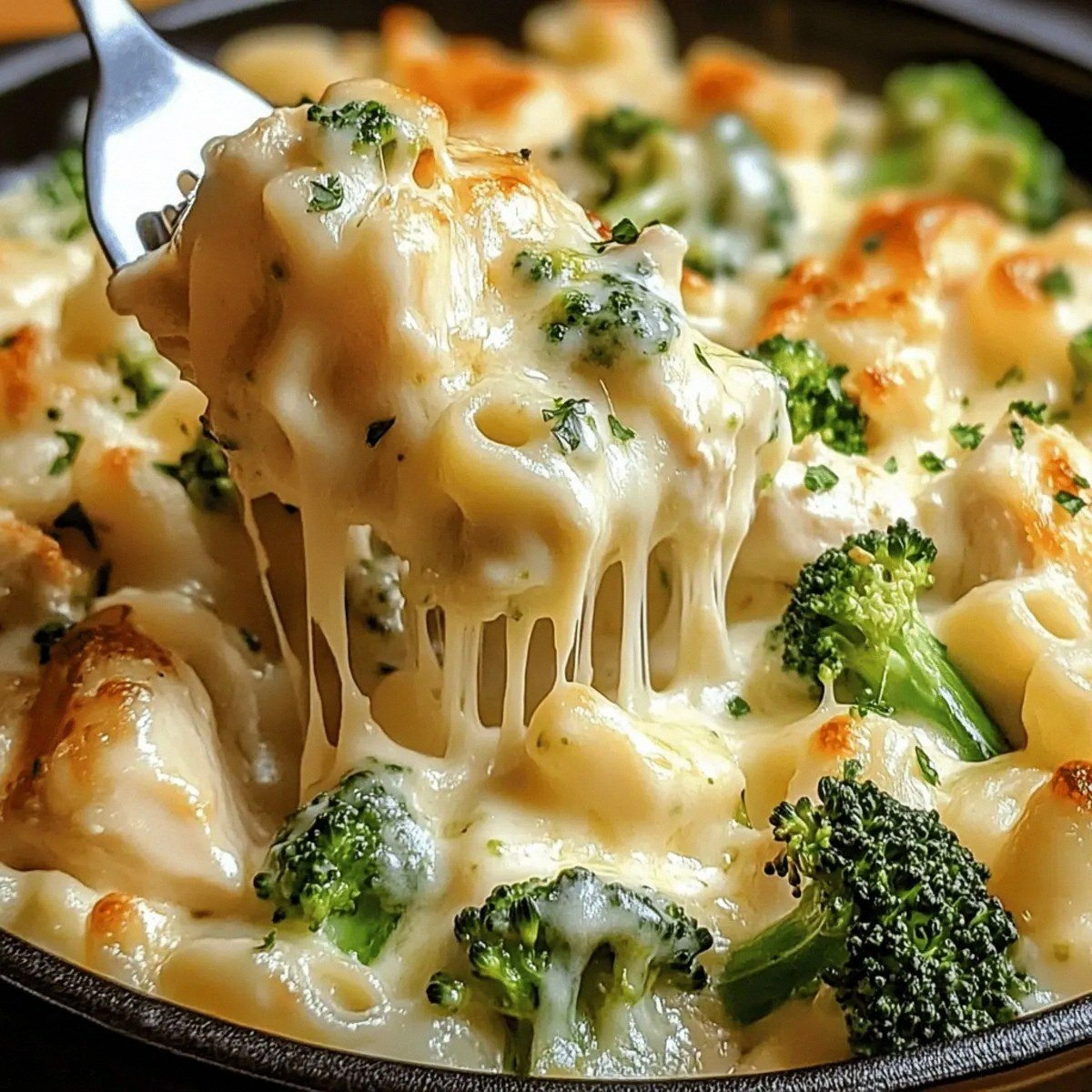
Picture this: a golden, buttery crust that cracks like a brittle shell under the first bite, revealing a molten core of cheddar and mozzarella that drips like molten lava onto your plate. The aroma that rises from the skillet is a warm, buttery hug that makes you feel like you’re back in a childhood kitchen, where every crumb of bread is a promise of comfort. The texture is a perfect balance—crisp on the outside, gooey on the inside, with a buttery bite that lingers on the palate. The sound of the first bite is a satisfying crack that echoes in the quiet of the evening, and the first spoonful of melted cheese feels like a velvet caress. This isn’t just a snack; it’s an edible hug that you can share and savor.
I dare you to taste this and not go back for seconds. The secret? A simple mayonnaise butter blend that locks in moisture and creates a crackling crust that doesn’t burn. The cheese mix—half cheddar for sharpness, half mozzarella for stretch—creates a flavor profile that feels like a hug from a childhood favorite and a bold, modern twist. Most recipes get this completely wrong by using only one type of cheese or by over‑browning the bread, resulting in a dry, unbalanced bite. The combination of ingredients and technique here is hands down the best version you’ll ever make at home.
Picture yourself pulling this out of the skillet, the whole kitchen smelling incredible, and your guests’ eyes lighting up in anticipation. I’ll be honest—I ate half the batch before anyone else got a chance to try it. The moment the first roll is plated, you’ll see the golden, bubbling edges that shatter like thin ice when you bite into them, revealing a gooey center that will melt in your mouth. If you’ve ever struggled with getting a grilled cheese that’s both crisp and gooey, you’re not alone—and I’ve got the fix. Stay with me here—this is worth it.
What Makes This Version Stand Out
- Taste: The combination of cheddar and mozzarella delivers a sharp, savory bite that is immediately balanced by a creamy, melty center. The mayo butter coating gives a subtle tang that cuts through the richness, creating a complex flavor profile that keeps you coming back for more.
- Texture: The crust is crisp and buttery, while the interior is silky and gooey. The contrast feels like a dance of textures that elevates a simple sandwich into a culinary experience.
- Ease: No complicated steps, no special equipment—just a skillet and a few ingredients that most households already have. The method is straightforward enough for beginners but still delivers a gourmet result.
- Versatility: While the base recipe is classic, the roll‑ups can be adapted with herbs, spices, or different cheeses, making them suitable for any palate.
- Appeal: The bright golden color and the steam rising from each roll create a visual feast that makes the dish as appealing to the eyes as it is to the taste buds.
- Make‑ahead Potential: Once rolled, the sandwiches can be stored in the refrigerator and reheated without losing their crispness, making them ideal for meal prep.
- Audience: Whether you’re feeding a crowd at a potluck or indulging in a solo snack, the roll‑ups scale easily and keep the flavor consistent.
- Ingredient Quality: Using fresh, high‑quality cheese and unsalted butter ensures that every bite is rich and flavorful, setting this version apart from mass‑produced alternatives.
Alright, let's break down exactly what goes into this masterpiece...
Inside the Ingredient List
The Flavor Base
Butter is the unsung hero that brings everything together. When softened and mixed with mayonnaise, it creates a glossy, flavorful coating that caramelizes beautifully on the bread. The butter’s high fat content ensures a buttery crunch that doesn’t turn into a greasy mess. If you skip the butter, the rolls will taste flat and lack that signature golden crust.
The Texture Crew
Cheddar and mozzarella are the dynamic duo of this recipe. Cheddar provides a sharp, tangy bite that cuts through the richness, while mozzarella adds a stretchy, gooey center that melts like a dream. Together, they create a melt-in-your-mouth experience that feels both indulgent and comforting. Swapping mozzarella for provolone would give a nuttier flavor, but the meltability would be slightly reduced.
The Unexpected Star
Mayonnaise might look out of place, but it’s essential for achieving that silky, non‑greasy finish. It emulsifies with the butter to form a smooth, glossy coating that crisps up without becoming too hard. If you’re allergic to mayo, a light brush of olive oil can work, but the texture will shift slightly toward a drier crust.
The Final Flourish
White bread is the canvas that allows the flavors to shine. Its neutral taste and soft crumb make it the perfect vehicle for the cheese filling. Choosing a slightly denser loaf can prevent the rolls from falling apart during the cooking process. If you prefer a healthier option, whole‑wheat bread will add a nutty undertone, though the crust may be slightly chewier.
Everything's prepped? Good. Let's get into the real action...
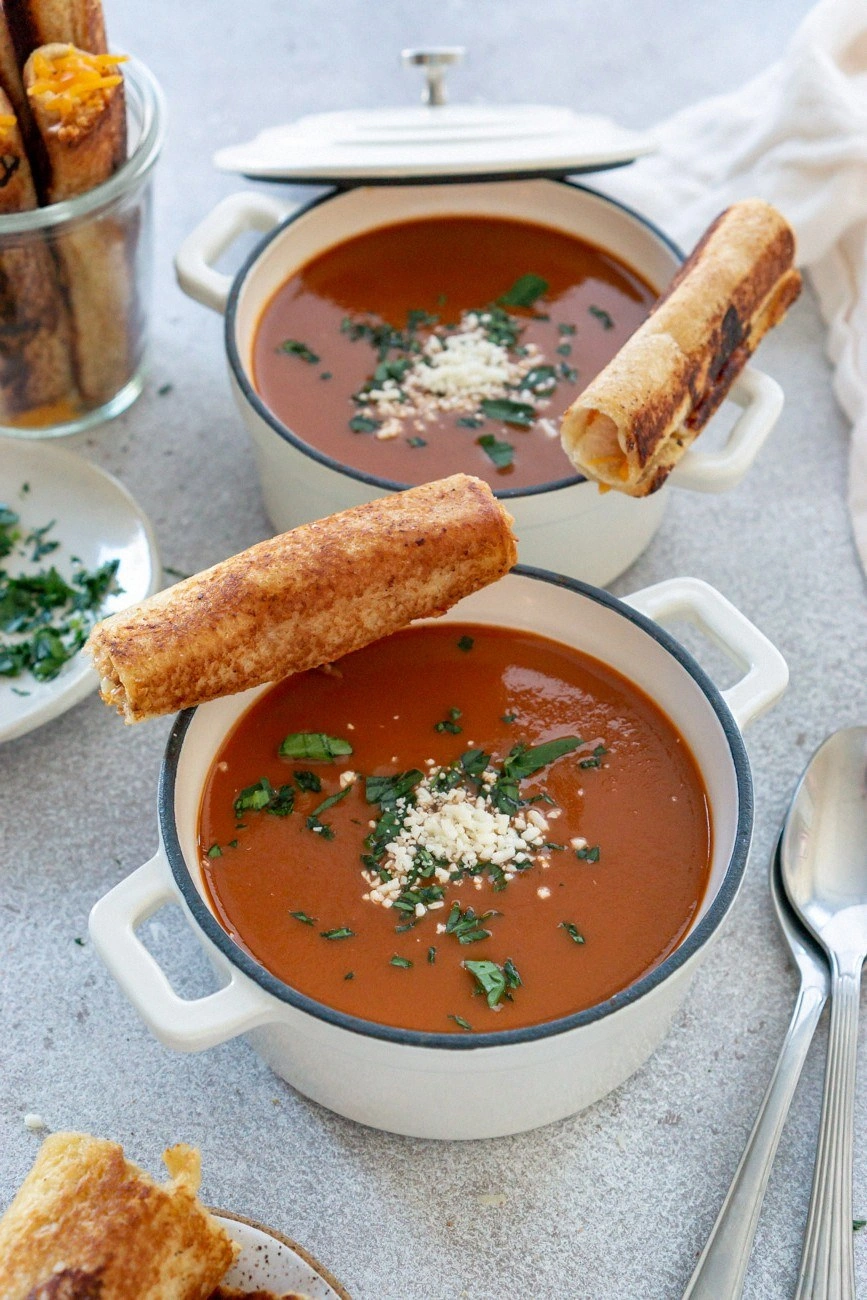
The Method — Step by Step
- Step 1: Prepare the bread. Lay the eight slices of white bread flat on a clean surface. Spread a thin layer of the mayo‑butter mixture evenly across each slice, ensuring every corner is coated. The mixture should be glossy and slightly tacky; this will help the bread crisp up without drying out. Let the coated slices sit for a minute to absorb the butter, which will prevent the bread from sticking to the skillet later on.
- Step 2: Assemble the roll‑ups. Sprinkle half a cup of shredded cheddar evenly over each slice, followed by half a cup of shredded mozzarella. The cheese should cover the entire surface but not so thick that it spills over the edges when rolled. Carefully roll each slice into a tight cylinder, sealing the ends by pressing them together. If the cheese tends to escape, wrap each roll in a small piece of parchment paper to keep the filling contained.
- Step 3: Preheat the skillet. Place a non‑stick skillet over medium heat and allow it to warm for a couple of minutes. The pan should be hot enough that a drop of water sizzles and evaporates almost immediately. This ensures a quick sear that locks in moisture. If you’re using cast iron, preheat for a little longer to maintain consistent heat throughout.
- Step 4: Cook the first side. Place the rolled slices seam‑side down in the skillet. Press them gently with a spatula to flatten slightly, ensuring even contact with the pan. Cook for 2–3 minutes, or until the bottom turns a deep golden brown. The cheese should start to bubble but not yet melt completely. This is the moment of truth—watch the color change to gauge doneness.
- Step 5: Flip and finish. Carefully flip each roll using tongs or a spatula. Reduce the heat to medium‑low to prevent the cheese from burning. Cook the second side for another 2–3 minutes, or until the bread is crisp and the cheese inside has fully melted. The edges should look slightly darker, indicating a perfect sear.
- Step 6: Rest and serve. Transfer the cooked rolls to a plate lined with paper towels to absorb any excess oil. Let them rest for 30 seconds; this allows the cheese to set slightly, preventing a messy spill when you bite. Serve immediately while the crust is still warm and the cheese is still ooze‑ready.
- Step 7: Optional garnish. For an extra layer of flavor, sprinkle a pinch of smoked paprika or dried oregano over the rolls before serving. The herbs add a subtle smokiness that complements the rich cheese filling. Alternatively, a drizzle of honey on the side offers a sweet contrast that balances the savory bite.
- Step 8: Enjoy. Bite into the roll, feeling the crunch give way to a molten cheese core. The buttery crust should crackle pleasantly, while the interior melts like a velvety dream. The first bite should be an explosion of flavors that leaves you craving more. Remember, I dare you to taste this and not go back for seconds.
Insider Tricks for Flawless Results
The Temperature Rule Nobody Follows
Many home cooks set their stove to high and rush the process, resulting in burnt edges and under‑cooked cheese. I’ve discovered that medium‑low heat preserves the integrity of the cheese while ensuring a golden crust. The trick is to let the pan heat up before adding the rolls and to maintain a steady temperature throughout the cooking. A simple thermometer can help keep the skillet at around 350°F (175°C) for the best results.
Why Your Nose Knows Best
Before you even touch the skillet, inhale the aroma of the butter‑mayonnaise coating. A warm, buttery scent is a sign that the mixture is ready for cooking. If the smell is too sharp or metallic, the butter may be too hot, risking a burnt crust. Trust your nose as a cue for when to start flipping the rolls.
The 5‑Minute Rest That Changes Everything
After cooking, let the rolls rest on a paper‑towel‑lined plate for at least five minutes. This resting period allows the cheese to set, making the roll easier to slice without the gooey center spilling out. It also lets the residual heat finish cooking the interior, ensuring a perfectly melted center.
Use a Parchment Wrapper for Mess‑Free Rolls
When rolling the bread, wrap each roll in a small piece of parchment paper. This technique keeps the cheese from leaking and makes the rolls easier to handle. It also creates a mini steam chamber that helps the cheese melt evenly inside.
Serve With a Tangy Dip
Pair the roll‑ups with a simple yogurt dip flavored with dill and lemon. The acidity cuts through the richness and adds a refreshing contrast. This dip can also double as a sauce for dipping the rolls, turning a simple snack into a sophisticated appetizer.
Creative Twists and Variations
This recipe is a playground. Here are some of my favorite ways to switch things up:
Herb‑Infused Roll‑Ups
Add a tablespoon of chopped fresh rosemary or thyme to the cheese mixture. The herbs impart a fragrant, earthy note that pairs beautifully with the buttery crust. Ideal for a rustic brunch or a cozy dinner.
Spicy Kick
Mix in a pinch of cayenne pepper or a dash of hot sauce with the cheese before rolling. The heat will contrast with the richness, creating a dynamic flavor profile that excites the palate.
Breakfast‑Style Roll‑Ups
Replace the cheddar with a blend of cheddar and smoked gouda, and add a sprinkle of chives. Serve with a side of scrambled eggs or a drizzle of maple syrup for a sweet‑savory breakfast treat.
Vegan Version
Use vegan butter and a plant‑based mayonnaise, and replace the cheeses with a blend of vegan cheddar and mozzarella substitutes. The result is a plant‑based roll‑up that still delivers the same gooey, buttery experience.
Breakfast Roll‑Ups with Bacon
Wrap each roll with a strip of cooked bacon before sealing. The smoky, salty bacon adds depth and makes the roll a perfect breakfast or brunch item.
Cheese‑Only Roll‑Ups
For a minimalist approach, use only mozzarella. The cheese will still melt beautifully, and the lack of cheddar creates a cleaner, more subtle flavor.
Storing and Bringing It Back to Life
Fridge Storage
Place the cooked roll‑ups in an airtight container or wrap them tightly in plastic wrap. Store them in the refrigerator for up to 48 hours. When ready to eat, reheat in a skillet over medium heat until the crust is crisp and the cheese is melted.
Freezer Friendly
Wrap each roll individually in foil and place them in a freezer bag. They will keep for up to 3 months. To reheat, thaw overnight in the fridge, then warm in a skillet or oven at 350°F (175°C) for 10–12 minutes.
Best Reheating Method
Reheat in a skillet over medium heat, flipping once, until the cheese is molten and the crust is golden. Add a splash of water to the pan, cover, and let steam for 1–2 minutes to keep the cheese from drying out. This technique restores the original texture and flavor profile.