I still remember the night I nearly burned down my kitchen. A stray spoonful of soy sauce slipped into a pan of ground pork, and the sizzle that followed was louder than a fireworks show. My friend, a culinary skeptic, dared me to turn that disaster into a dish that would make him beg for seconds. I stared at the bubbling mess, realized I had a secret weapon in my pantry—cornstarch—and decided to give it a whirl. The result? A silky, umami‑laden stir fry that turned my humble ingredients into a show‑stopping plate.
Picture this: the aroma of garlic and ginger hits your nose before the first bite, the sight of bright carrots and bell peppers dancing in a glossy sauce, the sound of the wok crackling as the pork sears to a perfect caramelized crust. The texture is a dance of crisp vegetables and tender pork, each bite delivering a burst of flavor that lingers on the palate. The moment you taste it, you’ll hear your taste buds applaud—because this sauce coats the pork like velvet, sealing in juices while the vegetables stay firm. The final touch? A splash of lime that brightens everything, turning the dish from ordinary to unforgettable.
What makes this version stand out is not just the combination of ingredients, but the technique that ensures every bite is a masterpiece. I’m talking about the precise timing of the sear, the balance of salty and sweet, the subtle heat from chili flakes, and the finishing flourish of sesame seeds that add crunch and aroma. Most recipes get this completely wrong by overcooking the pork or underseasoning the sauce. Here, the pork stays juicy, the sauce thickens just right, and every component sings in harmony. I dare you to taste this and not go back for seconds—because once you’ve tried it, you’ll never settle for anything less.
If you’ve ever struggled with stir‑fry, you’re not alone. The key is mastering the heat and knowing when to add each ingredient. I’ll be honest—I ate half the batch before anyone else got to try it—because the flavor exploded in my mouth. Picture yourself pulling this out of the pan, the whole kitchen smelling incredible, and seeing the plate shimmer with a glossy glaze that invites everyone to dig in. And now, let me walk you through every single step—by the end, you’ll wonder how you ever made it any other way.
What Makes This Version Stand Out
- Taste: The sauce is a balanced symphony of salty soy, sweet oyster, and subtle sesame, with a bright citrus lift that cuts through the richness.
- Texture: Ground pork is seared to a caramelized crust, then simmered just enough to stay moist, while crisp veggies keep their bite.
- Heat: A pinch of chili flakes adds a gentle kick that can be dialed up or down, giving the dish a customizable flare.
- Speed: Every step can be completed in under 30 minutes, making it a go-to for busy weeknights.
- Versatility: Swap cabbage for bok choy, add pineapple for sweetness, or use ground turkey for a lighter version.
- Make‑ahead: The sauce can be made ahead and refrigerated; just reheat gently to retain its glossy finish.
- Visual Appeal: The vibrant colors of carrots, bell pepper, and scallions create an inviting plate that looks as good as it tastes.
- Ingredient Quality: Using fresh ginger and garlic, and a good‑quality soy sauce, elevates the dish from ordinary to extraordinary.
Alright, let's break down exactly what goes into this masterpiece...
Inside the Ingredient List
The Flavor Base
The foundation of this stir fry is a marriage of soy sauce, oyster sauce, and sesame oil. Soy sauce provides the salty backbone, while oyster sauce adds depth and a hint of sweetness. Sesame oil, just a splash, offers a nutty aroma that elevates the entire dish. If you’re watching sodium, try low‑sodium soy or dilute the oyster sauce with a splash of water.
The Texture Crew
Ground pork is the star, but it needs the right texture to shine. Sear it in a hot wok until the edges brown, then lower the heat to let it cook through without drying out. Add carrots and bell peppers early—they’ll soften but keep their crunch. Cabbage or bok choy adds a satisfying snap that contrasts with the tender pork. If you prefer a milder bite, replace the cabbage with green beans or snap peas.
The Unexpected Star
A splash of lime juice at the end is the secret that brightens everything. It cuts through the richness of the pork and balances the sweetness of the oyster sauce. If lime isn’t on hand, a dash of rice vinegar or even a squeeze of fresh orange juice can work as a substitute. The acidity also helps tenderize the pork slightly, adding to the overall mouthfeel.
The Final Flourish
The finishing touches—scallions, toasted sesame seeds, and a sprinkle of chili flakes—add layers of flavor and visual appeal. Scallions bring a fresh, oniony note that cuts through the heaviness of the sauce. Sesame seeds add crunch and a subtle nuttiness. Chili flakes give a gentle heat that can be increased or omitted based on your preference. If you’re craving a different twist, sprinkle chopped cilantro or fresh basil for an herbal lift.
Everything's prepped? Good. Let's get into the real action...
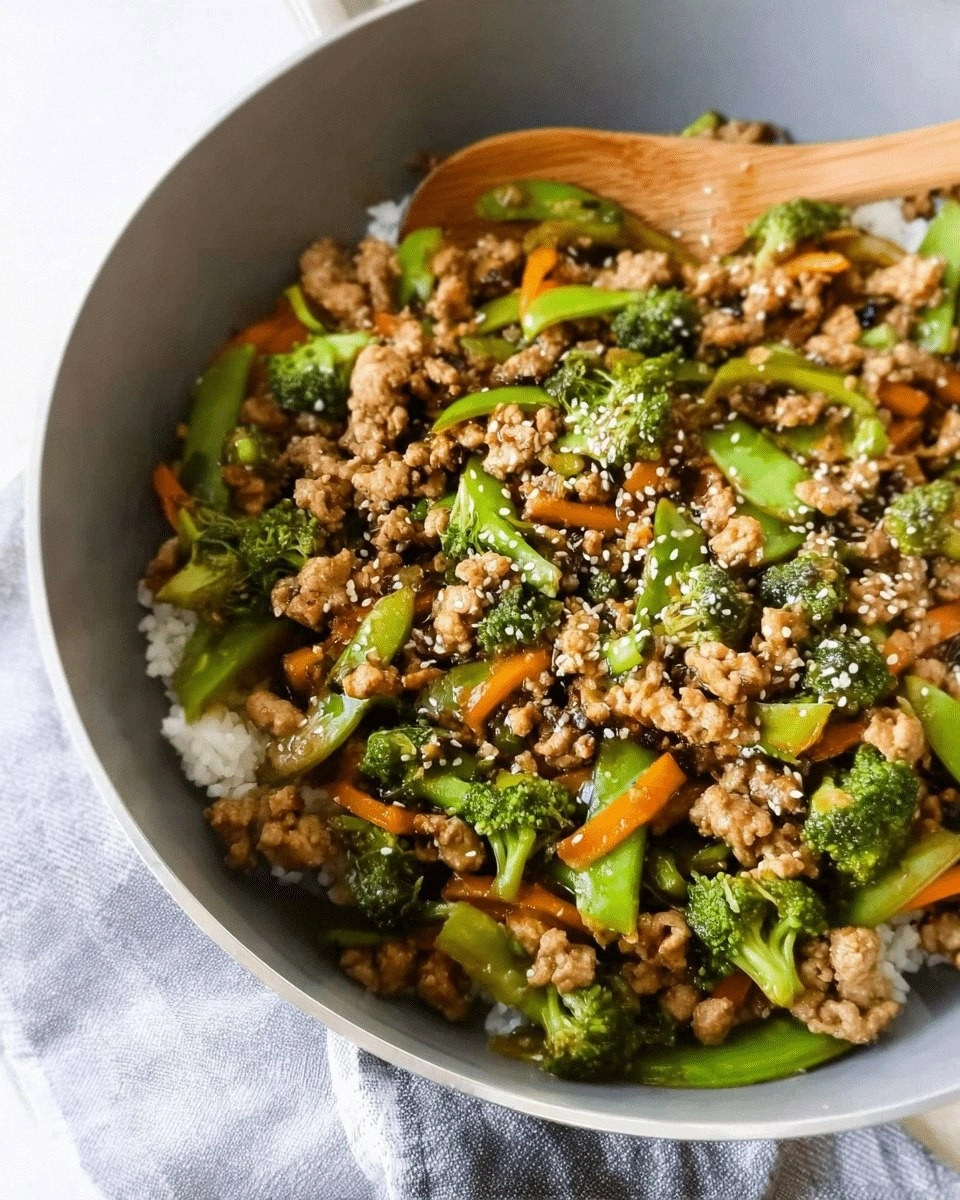
The Method — Step by Step
- Heat a wok or large skillet over high heat until it’s almost smoking. Add the vegetable oil and swirl to coat the surface. When the oil shimmers, toss in the ground pork. Let it sit undisturbed for 2 minutes to develop a crust before stirring. The pork should start to brown on the edges and release a savory aroma.
- Add the minced garlic and ginger. Stir quickly to prevent burning; you want a fragrant, golden haze, not charred bits. Cook for 30 seconds until the scent is unmistakably aromatic. This step builds the base flavor that will carry through the dish.
- Introduce the sliced carrots and bell pepper. Toss them with the pork, allowing them to mingle for about 2 minutes. The veggies should soften slightly but still retain a lively crunch. The color contrast will make the dish visually stunning.
- Stir in the shredded cabbage (or bok choy). It should start to wilt but still have a crisp bite. Add the soy sauce, oyster sauce, and a splash of sesame oil. The sauce should coat everything evenly, turning the mixture glossy and fragrant.
- Reduce the heat to medium. Add the cornstarch slurry and stir vigorously. The sauce will thicken within a minute, creating a silky coating that clings to the pork and veggies. Watch the edges pull away from the pan—this is the cue that the sauce is ready.
- If you like heat, sprinkle the chili flakes now. They’ll bloom and release a gentle warmth throughout the dish. Toss everything together so the heat distributes evenly. This is the moment of truth—taste a spoonful to ensure the flavors balance.
- Turn off the heat and squeeze the lime juice over the stir‑fry. The acidity brightens the dish and cuts through the richness. Immediately add the sliced scallions and toasted sesame seeds. Toss everything together, letting the seeds toast slightly in the residual heat.
- Serve hot over steamed rice or noodles. Garnish with extra scallions if desired. The dish should look vibrant, with a glossy sheen and a hint of steam rising from the plate.
That’s it—you did it. But hold on, I’ve got a few more tricks that will take this to another level. Keep reading, and let’s turn your kitchen into a flavor laboratory.
Insider Tricks for Flawless Results
The Temperature Rule Nobody Follows
Wok heat is everything. A pan that’s too cool will cause the pork to steam, while a pan that’s too hot will burn the sauce. Aim for a temperature where the oil shimmers but doesn’t smoke. Test it by dropping a single garlic clove—if it sizzles instantly, you’re good. This rule ensures caramelization without bitterness.
Why Your Nose Knows Best
Smell the sauce before adding the slurry. If it’s still too thin, give it another minute; if it’s already thick, add a splash of water to loosen it. Your nose can detect subtle changes in viscosity and aroma that your eyes can’t. Trust that instinct, and you’ll avoid a gummy or watery result.
The 5‑Minute Rest That Changes Everything
After cooking, let the stir‑fry rest for 5 minutes off the heat. The residual steam will finish cooking the pork gently, and the flavors will meld beautifully. When you stir again, the sauce will coat each piece evenly, creating that perfect, glossy finish you crave.
The Secret to a Crispy Edge
If you like a slightly charred flavor, flip the pork after the first sear and let it sit for 30 seconds before stirring. This creates a caramelized crust that adds depth. Just be careful not to let it burn—watch the color closely.
The Quick Lime Lift
A quick squeeze of lime at the end brightens the dish dramatically. If you’re in a hurry, add the lime juice right before serving. The acid not only enhances flavor but also helps tenderize the pork slightly, making each bite juicy.
Creative Twists and Variations
This recipe is a playground. Here are some of my favorite ways to switch things up:
Pineapple Punch
Add a cup of diced pineapple after the carrots. The natural sugars caramelize, giving the dish a sweet‑tangy kick that pairs beautifully with the savory sauce. It’s a tropical twist that makes the meal feel like a vacation.
Asian Noodle Bowl
Swap rice for soba or rice noodles. Toss the noodles with the stir‑fry just before serving to coat them in the glossy sauce. The chewy noodles add a satisfying texture that complements the pork.
Spicy Kimchi Version
Stir in a handful of kimchi before adding the sauce. The fermented tang adds depth and a subtle heat. It’s a Korean fusion that elevates the dish’s complexity.
Vegetarian Swap
Replace ground pork with ground tofu or tempeh. The tofu absorbs the sauce and retains a firm bite. This version is protein‑rich and perfect for a plant‑based dinner.
Herb‑Infused Variation
Finish the dish with fresh basil or mint. The herbal aroma cuts through the richness and adds a refreshing note. It’s a great option for hot summer nights.
Storing and Bringing It Back to Life
Fridge Storage
Cool the stir‑fry completely, then transfer it to an airtight container. Store in the refrigerator for up to 3 days. The sauce may thicken slightly; just stir in a splash of water before reheating.
Freezer Friendly
Place the cooled dish in a freezer‑safe bag or container. Freeze for up to 2 months. When ready to eat, thaw overnight in the fridge, then reheat gently on the stove with a splash of water.
Best Reheating Method
Reheat on low heat, stirring frequently to prevent sticking. Add a teaspoon of water or broth to loosen the sauce. Finish with a quick splash of lime for freshness, and serve immediately over steaming rice.