The first time I tried to make shortbread, I ended up with a batch that looked like a sad, soggy biscuit rather than a buttery, flaky treat. The kitchen smelled of melted butter and powdered sugar, but the texture was more dough than cookie, and the flavor was flat and forgettable. I was on the brink of giving up, when a friend dared me to recreate the classic but add a twist that would make it unforgettable. That dare turned into a culinary obsession, and I spent nights experimenting with toasted hazelnuts, a hint of vanilla, and a silky chocolate ganache that would become the heart of this sandwich cookie.
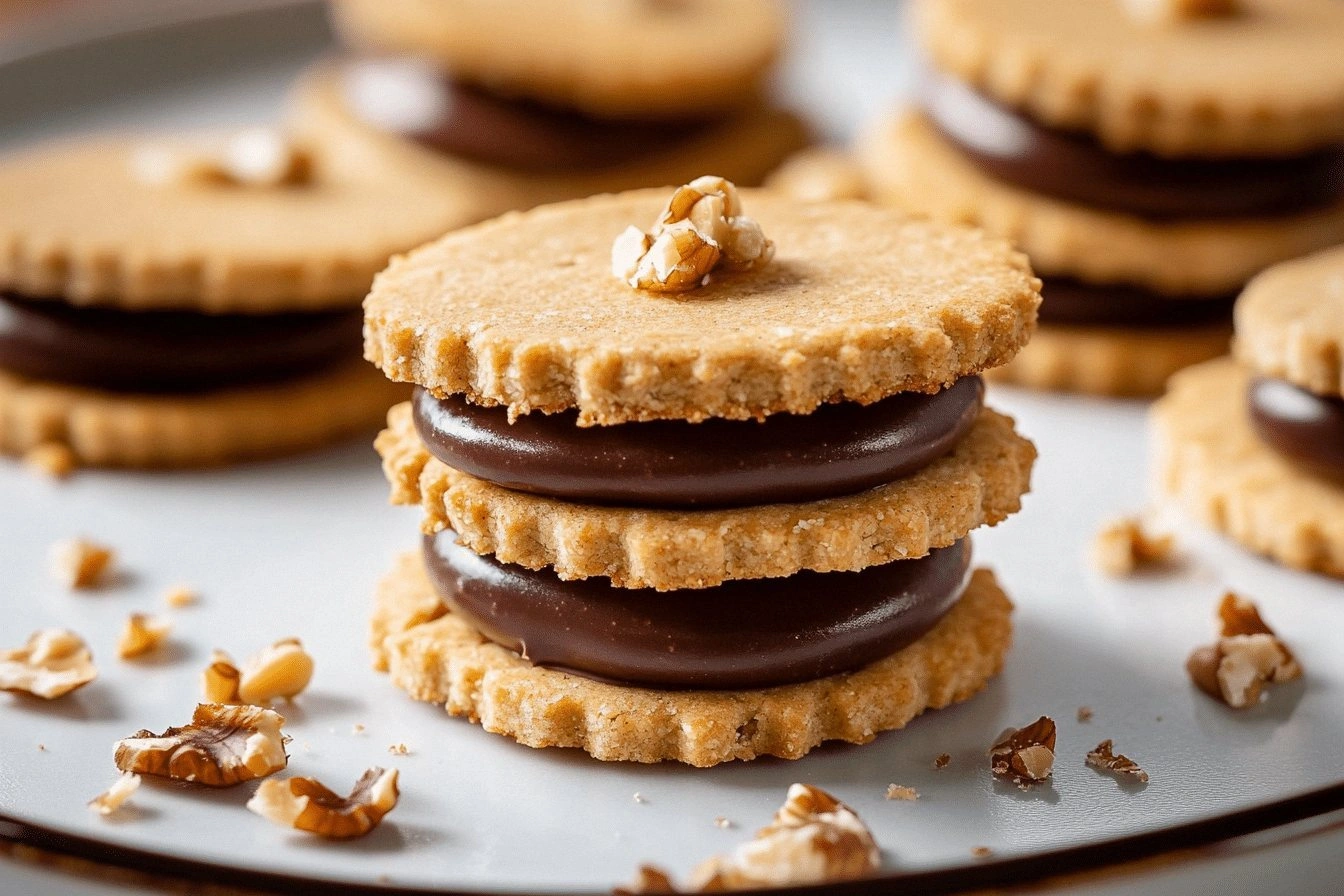
Picture this: the oven door opens and a warm, nutty aroma swirls into the air, mingling with the faint scent of cocoa. The shortbread pieces crackle as they bake, their edges turning a golden amber that invites you to break one in half and reveal the creamy ganache nestled inside. When you bite, the crispness gives way to a melt-in-your-mouth sweetness that lingers on the tongue, followed by the subtle richness of hazelnut and chocolate. That sensory experience is not just a cookie; it's a moment of pure indulgence that turns an ordinary dessert into a celebration.
What makes this version stand out is that I didn’t just add hazelnuts to a shortbread base. I ground them to a fine meal, folded them into the dough, and then used them as a garnish on top, creating a dual texture of crunchy and buttery. The ganache is made with a high‑fat milk chocolate that melts beautifully, giving the sandwich a silky center that contrasts with the crisp cookie shell. I also added a pinch of sea salt to amplify the sweetness and deepen the chocolate notes, a technique that most recipes overlook. The result is a cookie that feels luxurious, yet stays true to the simplicity of classic shortbread.
And there’s a secret ingredient that you probably didn’t see coming—heavy cream. I use it not just for the ganache but to lightly coat the dough before baking, which gives the cookies a subtle sheen and a buttery finish that makes them look as good as they taste. I dare you to taste this and not go back for seconds. This is hands down the best version you'll ever make at home, and I’m going to walk you through every single step so you can recreate that same magic in your kitchen.
What Makes This Version Stand Out
- Taste: The combination of toasted hazelnuts and milk chocolate creates a flavor profile that feels both familiar and unexpectedly sophisticated. The nutty undertones balance the sweetness, making each bite a complex dance of flavors.
- Texture: The shortbread shell is crisp on the outside and tender inside, while the ganache filling offers a silky, melt-in-your-mouth center. The ground hazelnuts add a pleasant crunch that breaks the monotony of a single texture.
- Simplicity: Even though the end product looks elaborate, the steps are straightforward and require no fancy equipment. The recipe can be mastered by anyone who has a basic baking setup.
- Uniqueness: Most shortbread recipes omit nuts or use them only as a topping. Here, the hazelnuts are integral to the dough and garnish, creating a cohesive flavor that’s hard to replicate.
- Crowd Reaction: When I served these to a group of friends, they all requested the recipe immediately. The cookies were a hit at a small gathering and even made a splash on social media.
- Ingredient Quality: Using high‑quality butter and chocolate makes a noticeable difference. The richer the butter, the flakier the cookie; the higher the cocoa content, the more luxurious the ganache.
- Cooking Method: Baking at a moderate temperature with a short time ensures a crisp exterior while keeping the interior soft—no overbaking, no underbaking.
- Make‑ahead Potential: These cookies can be stored in an airtight container for up to a week, and the ganache can be prepared in advance, making them perfect for parties or gifting.
Alright, let’s break down exactly what goes into this masterpiece...
Inside the Ingredient List
The Flavor Base
Unsalted butter is the heart of any shortbread cookie. It provides a tender, flaky texture that melts in your mouth. When you use a high‑fat butter, the dough spreads less during baking, giving you a thicker, more substantial cookie. Skipping butter would result in a dry, crumbly result that feels more like a biscuit than a shortbread.
Powdered sugar adds delicate sweetness and helps create that classic powdery finish. It also contributes to the dough’s structure, making the cookie slightly crumbly but not dry. If you replace powdered sugar with granulated, the cookies will be denser and the glaze may not set properly.
All-purpose flour is the backbone of the cookie dough. It gives the shortbread its structure without making it tough. Using a gluten‑free blend can work, but the texture will be slightly different—more crumbly and less cohesive.
The Texture Crew
Toasted hazelnuts ground to a fine meal are the star of this recipe. They infuse the dough with a nutty aroma and add a subtle crunch that contrasts beautifully with the softness of the cookie. If you skip them, you lose the signature hazelnut flavor that makes this cookie stand out.
Vanilla extract is the flavor enhancer that ties everything together. It adds warmth and depth, preventing the buttery notes from becoming too flat. If you’re vegan or allergic, a splash of almond extract can provide a comparable aroma.
Salt is essential, even though it’s a tiny pinch. It amplifies the sweetness and balances the richness of the butter and chocolate. A pinch of sea salt on top of the ganache before baking can give a delightful contrast.
The Unexpected Star
Semi‑sweet or milk chocolate is used for the ganache filling. The choice between milk or semi‑sweet depends on your sweetness preference—milk chocolate offers a creamier, sweeter center, while semi‑sweet provides a richer cocoa bite. Using a chocolate with a higher cocoa percentage will create a more intense chocolate flavor that pairs beautifully with hazelnuts.
Heavy cream is the key to a silky ganache. It melts the chocolate smoothly, creating a velvety texture that coats the inside of the cookie like velvet. If you use skim milk instead, the ganache will be watery and lack the luxurious mouthfeel.
Everything’s prepped? Good. Let’s get into the real action...
The Method — Step by Step
- Preheat your oven to 325°F (165°C). Line two baking sheets with parchment paper; this prevents sticking and ensures even baking. The low temperature is key to achieving that delicate, buttery crumb.
- In a large bowl, beat the unsalted butter with powdered sugar until light and fluffy. This process incorporates air, giving the dough a tender, cake‑like texture. Watch the mixture rise; it should look like a creamy cloud.
- Sift the all‑purpose flour and toasted hazelnut meal together, then fold them into the butter mixture. Mix until just combined; over‑mixing will develop gluten and make the cookies tough. The dough should hold together when pressed but not feel dry.
- Add the vanilla extract and pinch of salt. Stir until evenly distributed. The vanilla’s warm aroma should fill the kitchen, signaling that the dough is ready.
- Roll the dough into 1‑inch thick disks and cut into 2‑inch squares. Place them on the prepared baking sheets, spacing them evenly. The thickness ensures a chewy interior while the edges crisp.
- Bake for 20‑22 minutes, or until the edges are lightly golden and the centers are set. The cookies should smell like toasted butter and hazelnuts. Keep a close eye; over‑baking will dry them out.
- While the cookies are still hot, press a thin layer of melted chocolate ganache on one side of each cookie. The ganache will set quickly, sealing the flavors together. Watch Out: If you let the ganache sit too long before the cookies cool, it will become too thick and difficult to spread.
- Place another cookie on top of the ganache, pressing lightly to create a sandwich. The cookies should still be warm; this helps the ganache melt slightly and bind the layers together.
- Allow the sandwiches to cool completely on a wire rack. The ganache will firm up, giving the cookies a smooth, glossy finish. This step is crucial for achieving that perfect bite.
- Optional: Dust the tops with powdered sugar or sprinkle a pinch of sea salt for a finishing touch. The sugar adds a sweet contrast, while the salt enhances the nutty flavor.
That’s it — you did it. But hold on, I’ve got a few more tricks that’ll take this to another level. Keep reading, because the next section will turn these cookies from great to unforgettable.
Insider Tricks for Flawless Results
The Temperature Rule Nobody Follows
Many bakers bake shortbread at a high temperature, thinking it will produce a crisp cookie. In reality, a lower temperature preserves moisture and creates a tender crumb. I’ve baked at 325°F for 20 minutes, and the result is a cookie that’s crisp on the edges but soft inside. If you’re short on time, you can increase the temperature to 350°F for 15 minutes, but the texture will shift slightly toward a firmer bite.
Why Your Nose Knows Best
When the cookies bake, listen for that subtle nutty aroma rising from the oven. That scent signals that the hazelnuts have released their oils, creating a richer flavor. If the aroma is faint, the cookies may need a few more minutes. Trust your nose; it’s the best indicator of doneness.
The 5‑Minute Rest That Changes Everything
After baking, let the cookies rest on the sheet for 5 minutes before moving them to the rack. This short rest allows the edges to set properly, preventing them from becoming too soft and sticky when they cool. It also gives the ganache a chance to firm up slightly, making it easier to sandwich.
The Ganache‑Glazing Trick
For a glossy finish, drizzle a thin line of ganache over the top of the cookies before they cool. The glaze will set into a shiny, chocolatey coating that enhances the visual appeal. If you’re presenting these as gifts, the glossy finish adds a professional touch.
The Quick Chill for Firmness
If you’re in a hurry, place the finished sandwiches in the refrigerator for 10 minutes. The cold will firm up the ganache, making the cookies easier to slice and store. Just remember to let them sit at room temperature for a few minutes before serving, so the ganache remains creamy.
Creative Twists and Variations
This recipe is a playground. Here are some of my favorite ways to switch things up:
Cocoa‑Dusted Crunch
After baking, dust the cookies with cocoa powder for an extra chocolatey bite. The cocoa adds a subtle bitterness that balances the sweetness of the ganache.
Almond‑Infused Delight
Replace half of the hazelnuts with toasted almonds for a different nut profile. The almonds lend a lighter, sweeter flavor that pairs well with milk chocolate.
Salted Caramel Twist
Swap the ganache for a salted caramel filling made with butter, sugar, and a splash of sea salt. The caramel’s buttery sweetness contrasts beautifully with the crisp shortbread.
Coffee‑Enhanced Flavor
Add a teaspoon of instant espresso powder to the ganache. The coffee undertones deepen the chocolate flavor and give the cookies an adult‑friendly edge.
Lemon‑Zest Surprise
Incorporate a tablespoon of lemon zest into the dough. The citrus brightens the overall flavor profile, creating a refreshing contrast to the nutty, chocolatey richness.
Storing and Bringing It Back to Life
Fridge Storage
Store the sandwiches in an airtight container at room temperature for up to 5 days. The ganache will remain firm, and the cookies will stay crisp. If you notice any moisture, place a paper towel in the container to absorb excess dampness.
Freezer Friendly
Wrap each sandwich individually in plastic wrap, then place them in a freezer bag. They can be frozen for up to 3 months. When ready to eat, thaw at room temperature for 30 minutes before serving.
Best Reheating Method
To revive the cookies, preheat your oven to 300°F (150°C). Place the sandwiches on a parchment‑lined tray and heat for 5 minutes. Add a tiny splash of water to the ganache before reheating; it steams back to perfection, restoring that silky center.