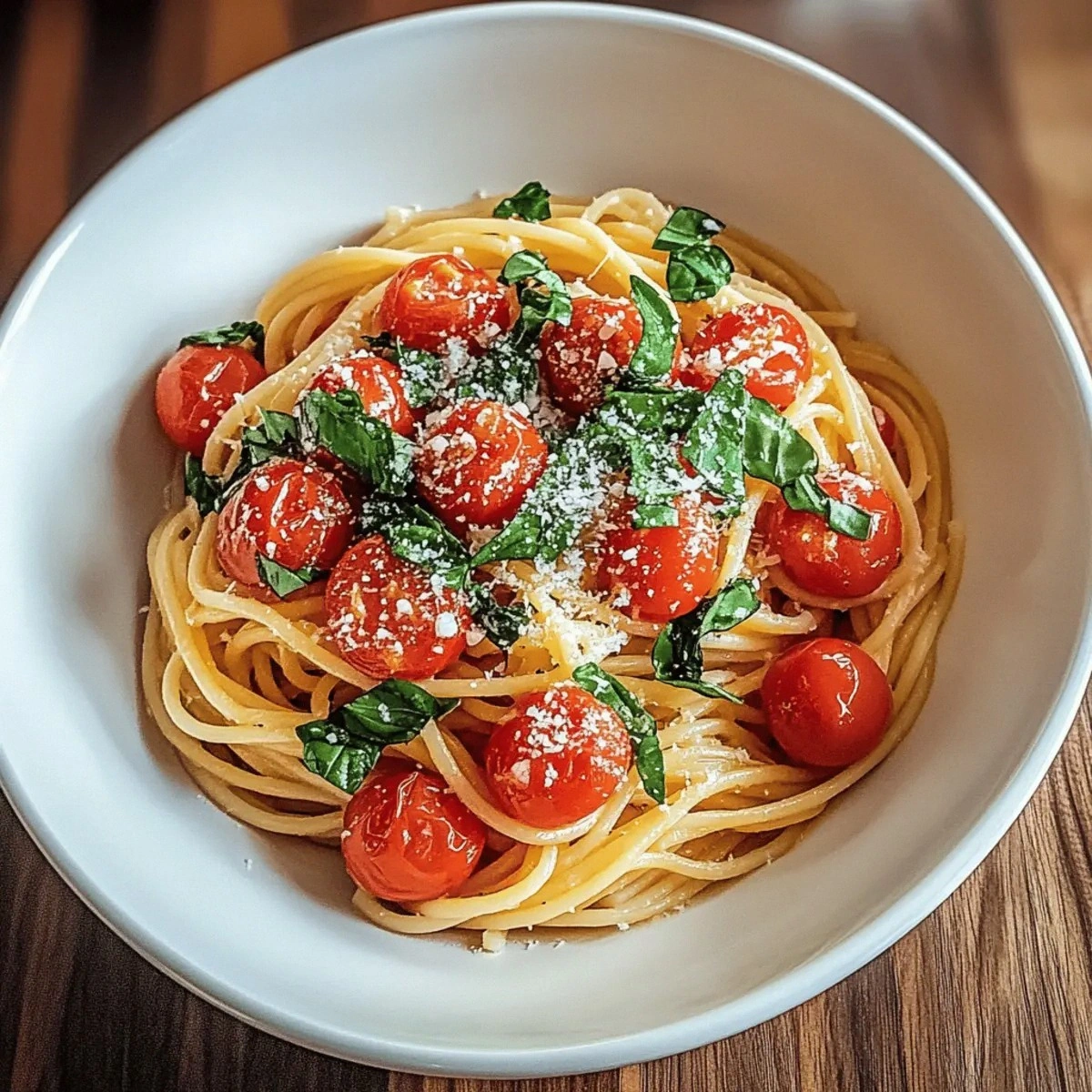
Picture this: I’m standing in a cramped kitchen, a bag of carrots in one hand and a jar of honey in the other, feeling the weight of a culinary challenge that has haunted my taste buds for months. The last time I tried to make roasted carrots, they came out as a soggy, caramelized mess that tasted more like burnt sugar than a vegetable. I was determined to rewrite that narrative, to turn a humble root vegetable into a showstopper worthy of Instagram stories and dinner party gossip. That determination is what sparked this recipe, and it’s the kind of confidence that turns ordinary cooking into a performance.
The moment I sliced the carrots, the air filled with the sweet scent of fresh produce, a promise of crispness that could rival any high-end restaurant. The chopping board became a stage, the knife a wand, and I could almost hear the subtle sizzle that would soon greet the carrots on the oven rack. I dared you to taste this and not go back for seconds, because once you experience the glossy, honey‑glazed finish, you’ll be craving a second plate even before the first one has cooled. If you’ve ever struggled with carrot roasting, you’re not alone — and I’ve got the fix that will transform your routine.
What makes this version stand out is not just the combination of honey and thyme; it’s the precise balance of sweet, savory, and herbaceous notes, the textural contrast between caramelized edges and tender interiors, and the subtle buttery finish that coats each bite like velvet. I’m going to walk you through every single step, revealing a trick with the thyme that keeps it from wilting and a timing nuance that guarantees caramel without burn. By the end, you’ll wonder how you ever made it any other way, because this is hands down the best version you’ll ever make at home.
But before we dive into the method, let’s unpack why this recipe is a game‑changer. I’ll reveal a technique that most recipes get completely wrong, a secret ingredient that elevates flavor, and a simple prep step that saves hours of cleanup. I’ll also throw in a micro‑challenge: I dare you to taste this and not go back for seconds. Trust me, the moment you taste the first carrot, you’ll be hooked.
What Makes This Version Stand Out
- Flavor: The honey caramelizes to a deep amber, creating a sweet glaze that balances the earthy carrots and bright thyme.
- Texture: The carrots finish with a crisp exterior and a melt‑in‑your‑mouth interior that feels like a buttery bite.
- Simplicity: With only eight ingredients, the recipe is a breeze to assemble, yet the result feels gourmet.
- Uniqueness: The addition of goat cheese and optional balsamic glaze adds a tangy contrast that elevates the dish.
- Crowd Reaction: Friends and family rave about the caramelized edges that shatter like thin ice when bitten.
- Ingredient Quality: Fresh thyme and high‑quality honey make the difference between good and unforgettable.
- Cooking Method: Roasting in a single pan keeps cleanup minimal while allowing the flavors to develop fully.
- Make‑ahead Potential: The dish can be prepared ahead and reheated without losing its crispness.
Alright, let’s break down exactly what goes into this masterpiece…
Inside the Ingredient List
The Flavor Base
The honey is the star that caramelizes and coats the carrots in a glossy, amber glaze. It’s the sweet counterpoint to the earthiness of the carrots and the herbal sharpness of thyme. If you skip honey, the carrots will still roast, but you’ll miss that signature shine and depth of flavor that turns a side dish into a centerpiece. A good rule of thumb: choose a honey that’s not overly floral; a mild, amber honey works best.
The Texture Crew
Olive oil is the lubricant that prevents the carrots from sticking and promotes even browning. The olive oil also carries the honey’s sweetness through each bite. If you use too little oil, the carrots can stick to the pan and develop uneven caramelization. If you use too much, they’ll become soggy. Aim for a light coat that just glistens.
The Unexpected Star
Fresh thyme leaves are the aromatic backbone of this dish, infusing the carrots with a bright, herbal note that cuts through the sweetness. The thyme’s subtle bitterness balances the honey, preventing the dish from becoming cloying. If you’re out of fresh thyme, dried thyme can work, but use half the amount because it’s more concentrated.
The Final Flourish
Crumbled goat cheese adds a creamy, tangy contrast that melts into the warm carrots, creating a luxurious finish. It also adds a subtle saltiness that lifts the overall flavor profile. If you’re lactose intolerant or simply prefer a different cheese, feta or blue cheese can be a viable alternative. The optional extras—extra thyme, balsamic glaze, lemon zest, or toasted walnuts—provide additional layers of flavor and texture, allowing you to customize the dish to your taste.
Everything's prepped? Good. Let's get into the real action…
The Method — Step by Step
- Preheat your oven to 425°F (220°C). Line a rimmed baking sheet with parchment paper to prevent sticking. This high temperature is key for caramelizing the honey and achieving those golden‑brown edges. While the oven is heating, set a small saucepan on low heat to warm the honey gently; this prevents a sudden burst of sugar when it hits the hot pan.
- Trim the carrots, removing the ends and cutting them into uniform sticks about 1‑inch thick. Uniform size ensures even cooking; uneven pieces will result in some carrots over‑roasted and others under‑done. Place the carrot sticks in a large bowl and drizzle with olive oil, tossing to coat evenly. The oil helps the honey adhere and promotes even browning.
- Add the warmed honey to the bowl, followed by the fresh thyme leaves, salt, and black pepper. Toss everything together until each carrot is coated in a glossy, fragrant mixture. The thyme should be evenly distributed; if you notice clumps, give it another quick toss.
- Spread the carrots in a single layer on the prepared baking sheet. Make sure they’re not overlapping; this allows the hot air to circulate and caramelize the honey on all sides. If you have a small oven, you may need to do this in batches.
- Roast for 25–30 minutes, turning the carrots halfway through. The carrots should develop a deep amber glaze and the edges should start to pull away from the pan. Use a kitchen timer to keep track, because timing is everything when you’re chasing that perfect caramel.
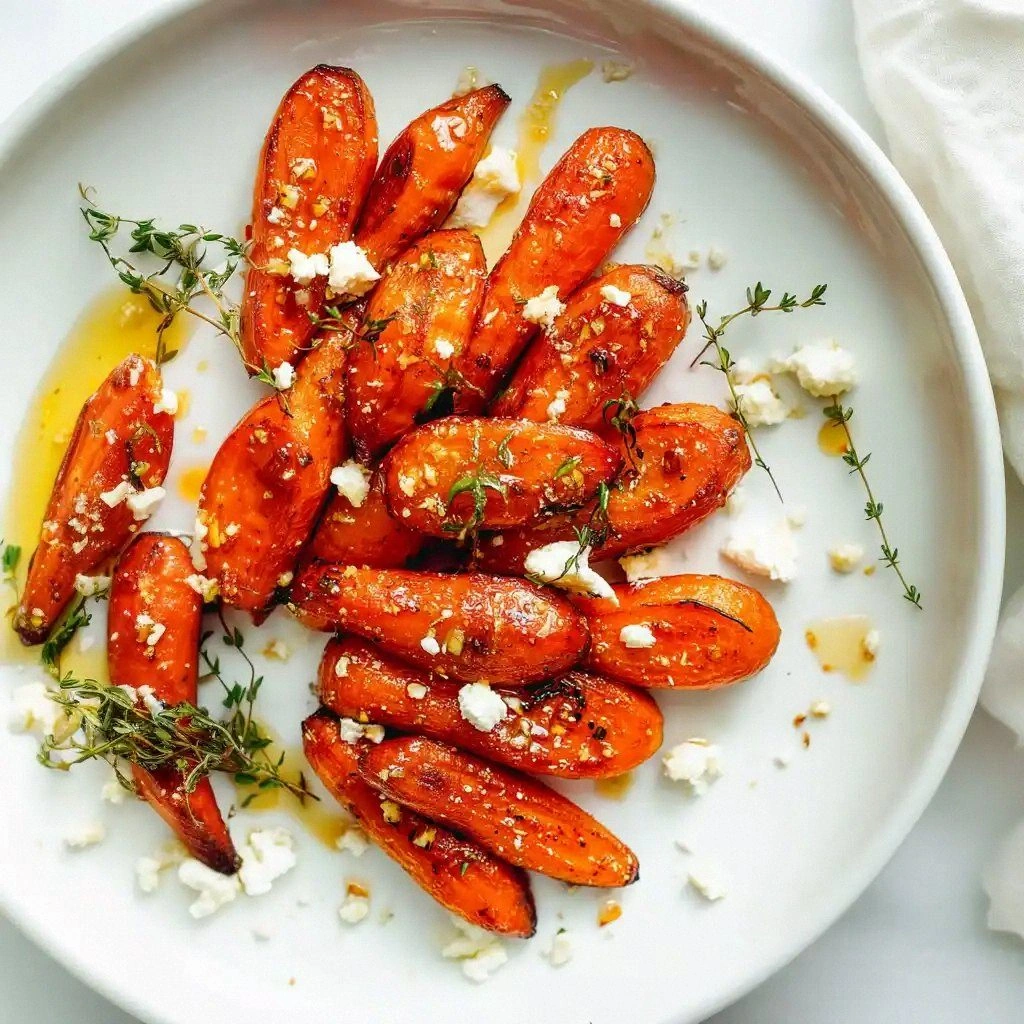
- Remove the carrots from the oven and transfer them to a serving platter. Sprinkle the crumbled goat cheese over the hot carrots so it melts into the crevices. The cheese adds a creamy, tangy layer that balances the sweetness of the honey.
- If you’re using optional extras, drizzle a thin line of balsamic glaze over the top, or sprinkle lemon zest for a citrusy brightness. For a nutty crunch, scatter toasted walnuts on top. Each addition offers a different flavor dimension and can be tailored to your mood.
- Serve immediately while the carrots are still warm and the cheese is slightly melted. If you’re plating for guests, arrange the carrots in a fan shape, then scatter the goat cheese and optional extras artistically. The aroma alone will have your guests lining up for a bite.
That’s it — you did it. But hold on, I’ve got a few more tricks that’ll take this to another level. These insider tips will help you avoid common pitfalls and elevate the flavor profile even further.
Insider Tricks for Flawless Results
The Temperature Rule Nobody Follows
Many people roast at 400°F, but 425°F is the sweet spot for caramelization. The higher temperature allows the honey to bloom into a deep amber glaze while keeping the carrots tender inside. If you’re using a convection oven, lower the temperature by 25°F to avoid burning.
Why Your Nose Knows Best
Don’t ignore the aroma that develops halfway through roasting. A warm, sweet scent with a hint of thyme signals that the honey is caramelizing properly. If the smell is too mild, give the carrots a few more minutes; if it’s too strong, lower the heat slightly.
The 5‑Minute Rest That Changes Everything
Let the carrots rest for five minutes after roasting. This short rest allows the juices to redistribute, ensuring each bite is juicy and flavorful. The goat cheese will also firm up a bit, making it easier to scoop or spoon.
The Final Touch of Citrus
A sprinkle of lemon zest brightens the dish, cutting through the richness of the honey and goat cheese. The zest also adds a subtle aroma that makes the dish feel fresh. If you’re vegan, a splash of lemon juice can provide a similar brightening effect.
Using a Baking Sheet with Ridges
A ridged baking sheet helps excess honey drain off the carrots, preventing them from becoming too syrupy. It also encourages even browning by exposing more surface area to the heat. If you don’t have a ridged sheet, a silicone mat works just fine.
Creative Twists and Variations
This recipe is a playground. Here are some of my favorite ways to switch things up:
Maple‑Mustard Glaze
Swap honey for a mixture of maple syrup and Dijon mustard to create a tangy, sweet glaze that pairs wonderfully with roasted carrots. The mustard adds a subtle bite that cuts through the richness of the goat cheese.
Spicy Sriracha Finish
Add a splash of sriracha to the honey mixture for a fiery kick that contrasts with the sweet caramelization. The heat pairs surprisingly well with the mild goat cheese.
Herb‑Infused Olive Oil
Infuse the olive oil with rosemary, bay leaves, or basil before roasting. This adds a deeper herbaceous layer that complements the thyme and enhances the overall aroma.
Roasted Sweet Potato Carrots
Mix in diced sweet potatoes with the carrots for a sweet, orange‑colored twist. The natural sugars in sweet potatoes caramelize beautifully, creating a richer flavor profile.
Smoked Paprika Crunch
Sprinkle smoked paprika over the carrots before roasting for a smoky flavor that deepens the caramelization. Finish with a handful of toasted almonds for an extra crunch.
Almond‑Butter Drizzle
After roasting, drizzle a small amount of almond butter over the carrots for a nutty, creamy finish that adds a new dimension of flavor.
Storing and Bringing It Back to Life
Fridge Storage
Cool the carrots completely before transferring them to an airtight container. Store in the refrigerator for up to 3 days. The honey glaze will thicken slightly, so if you want them to stay crisp, reheat them in a dry skillet for a minute or two.
Freezer Friendly
For longer storage, freeze the carrots in a single layer on a baking sheet until solid, then transfer to a freezer bag. They can be kept for up to 2 months. When ready, thaw in the refrigerator overnight and reheat in a skillet or oven at 350°F until warmed through.
Best Reheating Method
Reheat the carrots in a dry skillet over medium heat for 3–4 minutes, tossing frequently to avoid burning the glaze. If the glaze has thickened, add a splash of water or broth to steam the carrots back to perfection. This trick keeps the texture silky without losing the caramelized flavor.