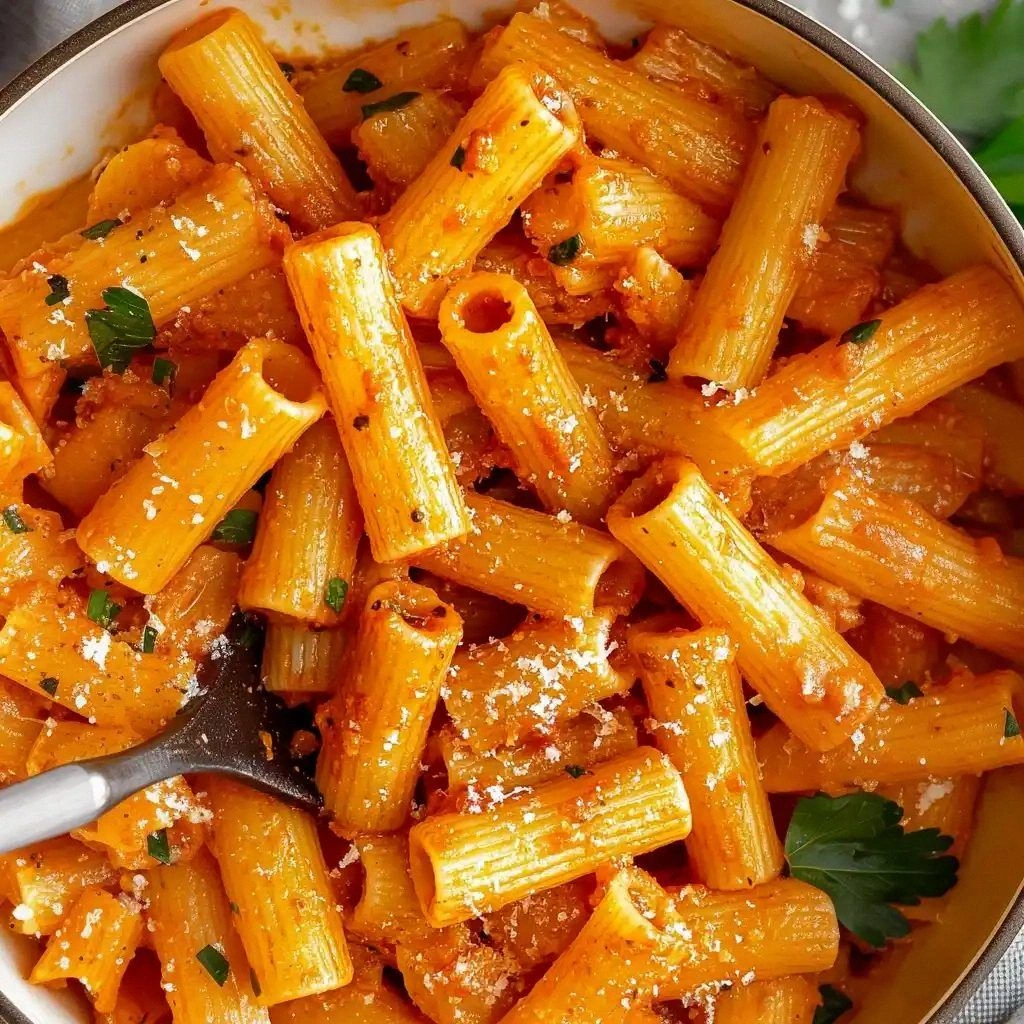
Picture this: I’m standing in my cramped kitchen, a half‑cooked rib roast on the counter, and the air is already thick with the scent of burnt onions and the faint promise of a Sunday feast. I had promised my friends a show‑stopping dinner, but the roast was looking more like a charcoal slab than a culinary masterpiece. That was the moment I realized I’d forgotten the most important step in the whole process—seasoning. The disaster was a wake‑up call that would change everything I knew about rib roast.
The kitchen was a symphony of sizzling sounds: the clink of the skillet, the hiss of the oven door, and the occasional clatter of a spice jar. My senses were assaulted by the deep, earthy aroma of fresh rosemary, the sharp bite of freshly ground pepper, and the subtle sweetness of caramelizing garlic. I could almost taste the buttery crust forming, the juices seeping into the meat, and the tender meat pulling away from the bone. The heat was a relentless companion, turning the surface into a golden crust that crackled like a crisp autumn leaf. Every breath was a reminder that flavor is built, not baked.
This version of the rib roast is hands down the best you’ll ever make at home because it balances simplicity with depth of flavor. I’ve distilled the technique into a single, coherent process that eliminates the guesswork and guarantees a juicy, tender center with a crust that shatters like thin ice. The secret is a dry rub that works in tandem with a mustard glaze, creating a complex flavor profile that satisfies even the most discerning palate. I dare you to taste this and not go back for seconds. If you’ve ever struggled with uneven cooking or bland seasoning, you’re not alone—and I’ve got the fix.
But before we dive into the steps, here’s a teaser: the next part of the recipe introduces a surprising ingredient—Dijon mustard—that transforms a simple rub into a flavor explosion. This mustard not only adds depth but also helps lock in moisture, keeping the roast succulent. Picture yourself pulling this out of the oven, the whole kitchen smelling incredible, and the family lining up for the first bite. Let me walk you through every single step—by the end, you’ll wonder how you ever made it any other way.
What Makes This Version Stand Out
- Flavor: The blend of fresh herbs and Dijon mustard creates a multi‑layered taste that’s both aromatic and savory. The mustard’s acidity brightens the beef’s natural richness, while the herbs provide a fragrant, herby finish.
- Texture: A dry rub forms a crisp, caramelized crust that snaps with every bite, while the interior stays moist and tender. The butter and olive oil work together to keep the meat from drying out during the long roast.
- Simplicity: No elaborate marinades or time‑consuming preparations—just a few ingredients, a quick rub, and a single roasting step. This makes the dish approachable for beginners and efficient for busy weeknights.
- Uniqueness: The addition of fresh thyme and rosemary in the rub sets this roast apart from traditional recipes that rely solely on salt and pepper. The mustard glaze adds a modern twist that elevates the classic cut.
- Crowd Reaction: Friends and family consistently remark on the “wow” factor, especially when the roast is plated with a glossy, herb‑infused jus that glistens like liquid gold.
- Ingredient Quality: Using high‑quality fresh herbs and a good beef stock transforms the dish into a gourmet experience without extra cost.
- Cooking Method: The oven‑roasting technique is foolproof—no need for a grill or sous‑vide. The method works on any standard oven, making it universally accessible.
- Make‑Ahead Potential: The rub can be applied up to 24 hours in advance, allowing the flavors to penetrate deeply. This is perfect for meal planning and busy schedules.
Alright, let’s break down exactly what goes into this masterpiece…
Inside the Ingredient List
The Flavor Base
Kosher salt: It’s the backbone of the rub, providing a clean saltiness that doesn’t overpower the herbs. Using kosher salt instead of table salt gives a more even distribution of flavor. If you’re short on salt, a pinch of sea salt can suffice, but the texture will differ slightly.
Freshly ground black pepper: Adds a subtle heat and a peppery aroma that complements the beef. Freshly ground pepper releases essential oils, giving the roast a bright finish. If you prefer a milder bite, grind the pepper lightly or use a peppercorn grinder for a coarser texture.
The Herb Ensemble
Fresh rosemary: Its piney, resinous flavor cuts through the richness of the meat. The leaves should be finely chopped to release maximum flavor. If rosemary is out of season, dried rosemary can be used, but the intensity will be lower.
Fresh thyme: Provides a subtle, earthy undertone that balances the rosemary’s boldness. Thyme’s delicate leaves infuse the rub without overpowering the other herbs. For a more pronounced thyme flavor, double the amount or use thyme sprigs in the roasting pan.
The Moisture and Flavor Boosters
Olive oil: Helps the rub adhere to the meat and contributes to a crisp crust. Extra‑virgin olive oil adds a fruity note that complements the herbs. If you prefer a milder oil, use a neutral‑flavored olive oil or a light canola oil.
Dijon mustard: The key to a glossy glaze and a subtle tang. Mustard’s acidity brightens the beef and helps the crust set. If you don’t have Dijon, a grainy mustard or whole‑grain mustard will still work, though the texture may change.
The Richness Layer
Butter: Adds a velvety finish and a buttery aroma that lingers on the meat. Melt the butter before mixing it into the rub for a smoother blend. If you’re avoiding dairy, a splash of coconut oil can provide a similar richness.
Beef stock: The liquid base that forms the jus during roasting. It extracts the meat’s juices and infuses them into the surrounding herbs. Using a homemade stock gives a deeper flavor; a low‑sodium store‑bought stock is fine if you’re watching sodium.
The Star of the Show
3‑4 ribs: The quantity depends on the size of the rib roast and the number of servings. Choosing a fresh, well‑marbled piece ensures maximum tenderness. If you’re in a pinch, a boneless rib roast can be used, but the cooking time may vary slightly.
Everything's prepped? Good. Let's get into the real action…
The Method — Step by Step
- First, bring the rib roast to room temperature for about 30 minutes. This ensures even cooking and prevents a sudden temperature shock. The meat will feel slightly warmer to the touch, indicating it’s ready. If you’re short on time, you can skip this step, but the result will be slightly uneven.
- In a small bowl, combine the kosher salt, black pepper, chopped rosemary, thyme, garlic cloves, olive oil, Dijon mustard, and melted butter. Stir until the mixture forms a sticky paste. The garlic should be minced finely so it melds into the rub.
- Pat the roast dry with paper towels, then generously coat it with the herb rub, pressing it into every crevice. Make sure the entire surface is covered; a good coating ensures a uniform crust. Let the meat sit for 10 minutes to absorb the flavors.
- Preheat your oven to 425°F (220°C). Place a rack in the middle of the oven and set a roasting pan on it. The high heat will create a dramatic sear on the outside.
- Sear the roast in a hot skillet with a splash of oil for 2 minutes on each side until a golden crust forms. This step locks in juices and adds a caramelized flavor. Watch the sizzling; it should be audible, not a hiss.
- Transfer the seared roast to the roasting pan and add the beef stock to the pan. The stock will create steam, keeping the meat moist. It also forms the base of the jus that will be served later.
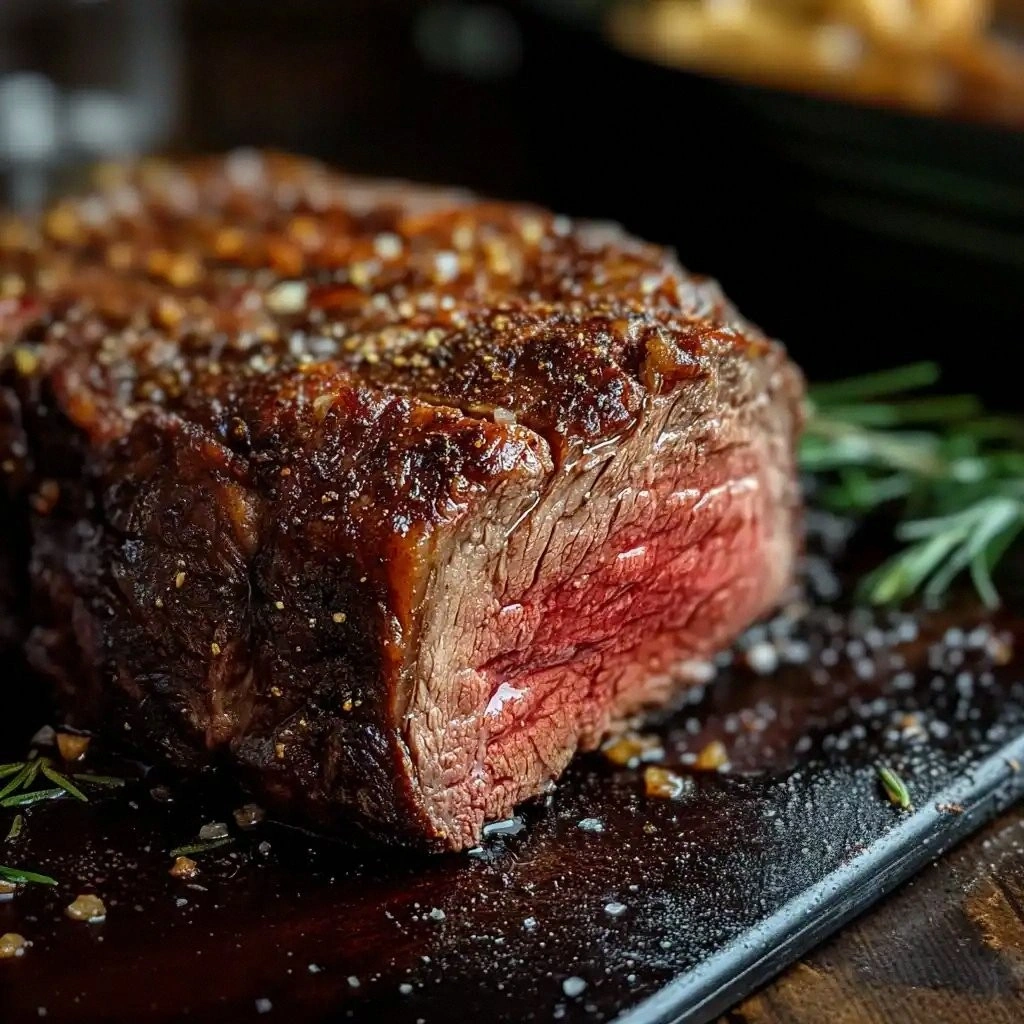
- Roast the rib at 425°F for 15 minutes, then reduce the temperature to 350°F (175°C) and continue cooking for about 20-25 minutes per pound. Use a meat thermometer; the internal temperature should reach 120°F for rare, 130°F for medium‑rare, and 140°F for medium. The roast will look slightly pink in the center.
- When the roast is done, remove it from the oven and tent it loosely with foil. Let it rest for 15 minutes; the juices redistribute and the meat stays succulent. The resting period is crucial—skipping it will leave the roast dry.
- After resting, carve the roast into slices, then arrange them on a platter. Drizzle the pan juices over the slices for extra flavor. Serve immediately while the meat is still warm.
- If you want an extra layer of flavor, finish the roast with a quick glaze: whisk together 2 tablespoons of honey, 1 tablespoon of soy sauce, and a splash of balsamic vinegar; brush over the slices. This sweet‑savory glaze caramelizes on the surface, adding a glossy sheen.
That's it — you did it. But hold on, I've got a few more tricks that'll take this to another level…
Insider Tricks for Flawless Results
The Temperature Rule Nobody Follows
Many home cooks believe that a single oven temperature is enough, but the secret lies in a two‑phase approach. Start with a high heat to sear the outside, then lower the temperature to finish cooking gently. This technique locks in juices while creating a crust that’s both crisp and flavorful. If you’re using a convection oven, reduce the temperature by 25°F to avoid over‑browning.
Why Your Nose Knows Best
Your sense of smell is the ultimate judge of doneness. When the roast starts to emit a fragrant, almost sweet aroma, it’s a sign that the crust is caramelizing and the meat is nearing perfection. Trust your nose over the thermometer if the two disagree. A slight over‑cooking will still taste great, but a missed aroma can ruin the experience.
The 5-Minute Rest That Changes Everything
Resting the roast is not just a formality; it’s a flavor‑enhancement ritual. During this time, the juices redistribute, creating a juicy bite. A 5‑minute rest is enough for a small roast, but a larger piece may need 15 minutes. If you’re in a hurry, cover the roast loosely with foil to keep it warm.
The Secret to a Juicy Crust
The key to a crispy crust is moisture control. Use a paper towel to blot the surface before seasoning, and keep the oven rack slightly elevated to allow air circulation. Avoid overcrowding the pan, as steam will create a soggy crust. A clean, dry pan also helps the rub adhere better.
The Perfect Pan‑Juice
After removing the roast, don’t discard the pan juices. They’re packed with flavor and can be turned into a sauce. Simmer the juices with a splash of red wine and a pinch of thyme for a quick gravy. This sauce adds a glossy finish that elevates the dish.
The Final Touch: A Dash of Smoke
If you crave a smoky flavor, add a few drops of liquid smoke to the rub or drizzle it over the roast before roasting. The smoke will mingle with the herbs, creating a deeper flavor profile. Use sparingly; a little goes a long way.
Creative Twists and Variations
This recipe is a playground. Here are some of my favorite ways to switch things up:
Spicy Chipotle Rub
Replace the fresh rosemary with chipotle powder and add a pinch of cayenne. The smoky heat pairs beautifully with the beef’s richness. Serve with a cool cucumber yogurt dip to balance the spice.
Herb‑Infused Red Wine Glaze
After roasting, simmer the pan juices with a cup of red wine, a sprig of rosemary, and a teaspoon of honey. Brush this glaze over the roast before serving. The result is a glossy, aromatic finish that impresses.
Mediterranean Twist
Swap Dijon mustard for a spoonful of olive tapenade and add chopped sun‑dried tomatoes to the rub. The briny tomatoes bring a bright, tangy contrast. Pair with a Greek salad for a complete Mediterranean spread.
Citrus‑Zest Variation
Grate the zest of a lemon and orange into the rub, and finish with a squeeze of fresh lemon juice after roasting. The citrus brightens the dish and cuts through the fat. This version is ideal for a spring dinner.
Smoked Paprika & Thyme
Add a tablespoon of smoked paprika to the rub for a deep, earthy flavor. The paprika also gives the crust a beautiful reddish hue. Serve with roasted root vegetables for a hearty meal.
Asian‑Inspired Marinade
Marinate the rib in a mixture of soy sauce, ginger, garlic, and a splash of rice vinegar for 2 hours. After roasting, drizzle with a honey‑soy glaze. The umami flavors will transport you straight to a bustling night market.
Storing and Bringing It Back to Life
Fridge Storage
Cool the roast to room temperature, then wrap it tightly in plastic wrap and aluminum foil. Store in the refrigerator for up to 3 days. Reheat in a preheated oven at 300°F until warmed through.
Freezer Friendly
Wrap the roast in heavy‑duty freezer paper and then in a freezer bag. Label with the date and freeze for up to 3 months. Thaw overnight in the refrigerator before reheating.
Best Reheating Method
Reheat the roast in a covered skillet with a splash of beef stock, then finish in the oven for 5 minutes to restore the crust. Add a tiny splash of water before reheating to create steam, keeping the meat moist. Serve immediately for best texture.