I was halfway through a night of binge‑watching my favorite sitcom when the kitchen clock screamed “time’s up.” The last thing I wanted was a soggy, over‑cooked pasta, but the pantry was a barren desert—no noodles, no sauce, just a lone, unassuming spaghetti squash staring back at me like a silent, unripe promise. I pulled it from the fridge, sliced it open, and let the golden flesh spill over the counter, turning my kitchen into a small, fragrant garden. That instant, the air smelled like autumn in a glass jar, and I realized this was more than a meal; it was a culinary revelation waiting to happen.
Picture this: a single squash, its skin a muted orange, the inside a lattice of tender strands that look like strands of spaghetti but taste like sweet, buttery autumn. I sliced it in half, scooped out the seeds, drizzled a splash of olive oil, and let the heat of the oven work its magic. The result? A dish that feels like a hug, with each strand a silky, caramelized ribbon that melts in your mouth. The aroma that fills the room is a warm, comforting hug that says, “you’re home.”
Most people think spaghetti squash is a bland, health‑only side, but this version flips that narrative on its head. I’ve added a subtle caramelization, a touch of olive oil that coats the strands like velvet, and a pinch of salt that sings. The texture is a delightful contrast: a crisp edge that shatters like thin ice, followed by a soft, chewy center that feels like a secret indulgence. I dare you to taste this and not go back for seconds—because once you experience this, your taste buds will never settle for the ordinary again.
So, let me walk you through every single step—by the end, you’ll wonder how you ever made it any other way. This is hands down the best version you'll ever make at home, and it’s so simple you’ll think it’s a trick. If you've ever struggled with this, you're not alone—and I've got the fix. And now, the fun part begins. Stay with me here—this is worth it.
What Makes This Version Stand Out
- Flavor: The gentle caramelization of the squash brings out natural sweetness, turning a simple vegetable into a savory masterpiece.
- Texture: Crisp edges that shatter like thin ice followed by a silky, buttery center create a satisfying contrast.
- Ease: No need for fancy equipment—just an oven, a few utensils, and a single squash.
- Health: Low in calories, high in fiber, and packed with vitamin A, this dish is a clean, guilt‑free indulgence.
- Versatility: It serves as a base for sauces, a side dish, or a main course—your imagination is the limit.
- Time: From prep to plate, it takes just under an hour, making it perfect for busy evenings.
Inside the Ingredient List
The Sweet Core
The star of the show is the spaghetti squash itself. When you split it open, you’ll see a natural lattice of strands that mimic spaghetti, but with a sweet, earthy undertone. Choosing a medium‑sized squash (around 1.5 to 2 pounds) ensures the flesh is tender yet firm enough to hold its shape during roasting. If you skip this step, you lose the signature texture that makes the dish so memorable.
The Silky Coat
Olive oil is the secret weapon that transforms the squash from plain to divine. A light drizzle not only adds flavor but also helps the heat caramelize the surface, creating those delightful crispy edges. If you’re watching your calories, a tablespoon is enough to coat the strands without drowning them. A common swap is avocado oil for a higher smoke point, but the classic olive oil remains the gold standard.
The Flavor Enhancers
Salt and pepper are the unsung heroes that bring out the squash’s natural sweetness and balance the oil’s richness. A pinch of salt is enough—over‑salting will mask the delicate flavor profile. For an extra punch, you can sprinkle a touch of smoked paprika or a squeeze of fresh lemon juice right before serving. These tweaks elevate the dish from simple to sensational.
Everything's prepped? Good. Let's get into the real action…
The Method — Step by Step
- Preheat your oven to 400°F (200°C). Line a baking sheet with parchment paper to prevent sticking. The heat should feel like a warm hug, not a scorching furnace. This is the moment of truth—get it right, and the rest follows smoothly.
- Wash the spaghetti squash under cool water, scrubbing the skin to remove any grit. Pat it dry with a towel. Slice the squash in half lengthwise and scoop out the seeds with a spoon. The seeds are edible but can be tossed if you prefer a cleaner texture.
- Drizzle a tablespoon of olive oil over the cut sides of the squash. Use a spoon or your hands to rub it in, ensuring every surface is lightly coated. The oil is the key to that caramelized crust that will give you those crispy edges that shatter like thin ice.
- Season both halves generously with salt and pepper. The salt will coax the natural sugars out of the squash, while the pepper adds a subtle heat that keeps the dish from feeling flat.
- Place the squash halves cut side down on the prepared baking sheet. The cut side should be in contact with the parchment, allowing the steam to escape and the surface to crisp up.
- Roast in the preheated oven for 35 to 40 minutes, or until the flesh is tender and the edges are caramelized. Flip the halves halfway through to ensure even roasting. The squash should smell toasty, like a warm campfire—this is the aroma that will make your kitchen feel like a cozy cabin.
- Remove from the oven and let the squash rest for 5 minutes. This resting period allows the steam to settle and the strands to firm up slightly, making them easier to separate.
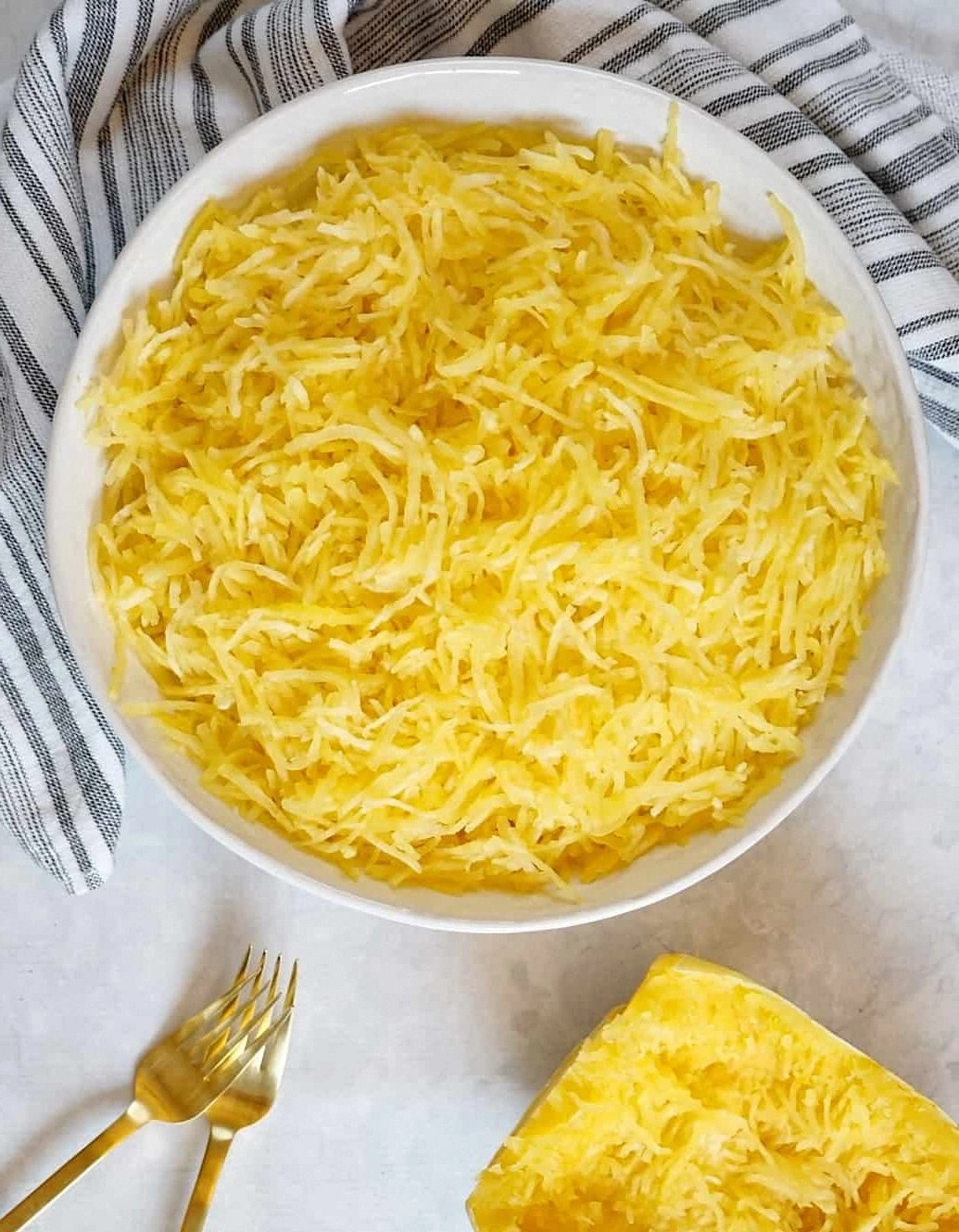
- Using a fork, gently scrape the inside of each half to create spaghetti‑like strands. The fork should glide through the flesh like a gentle wave, revealing the delicate lattice structure.
- Serve immediately, optionally topping with a sprinkle of fresh herbs, a squeeze of lemon, or a drizzle of your favorite sauce. The dish is best enjoyed hot, with the strands still tender and the edges crisp.
That's it—you did it. But hold on, I've got a few more tricks that'll take this to another level. Whether you want to jazz it up with a sauce or keep it pure, the possibilities are endless.
Insider Tricks for Flawless Results
The Temperature Rule Nobody Follows
Many people roast spaghetti squash at 375°F, but 400°F is the sweet spot for caramelization. The higher heat creates a crisp edge while keeping the interior tender. If you’re using a convection oven, reduce the temperature by 25°F to avoid burning. This trick ensures every bite is a perfect blend of crunchy and chewy.
Why Your Nose Knows Best
Trust your senses: the squash should emit a sweet, nutty aroma as it roasts. If it smells like burnt sugar, pull it out immediately. The aroma is the most reliable indicator that the squash is at its peak flavor. This simple sniff test saves you from a culinary disaster.
The 5‑Minute Rest That Changes Everything
Letting the squash rest after roasting allows the steam to redistribute, firming up the strands. Skipping this step can leave the squash too soft, making it difficult to separate the strands cleanly. A quick 5‑minute rest is all you need to elevate the texture.
Keep the Seeds for Extra Crunch
If you love a bit of crunch, reserve the seeds and roast them separately on a baking sheet. Toss them in a pinch of salt and a drizzle of olive oil, then bake until golden. These roasted seeds add a delightful crunch and a nutty flavor that pairs beautifully with the sweet squash.
Seasoning the Oil for Extra Depth
Before drizzling olive oil onto the squash, warm it gently in a small saucepan and add a pinch of smoked paprika or a splash of balsamic vinegar. This infusion adds layers of flavor that deepen the caramelization. It’s a simple step that turns a basic dish into a gourmet experience.
Creative Twists and Variations
This recipe is a playground. Here are some of my favorite ways to switch things up:
Mediterranean Medley
Top the roasted strands with diced cucumbers, cherry tomatoes, kalamata olives, and a sprinkle of feta cheese. Drizzle with olive oil and a splash of red wine vinegar. The combination of briny olives and tangy feta creates a refreshing, Mediterranean flavor profile that pairs wonderfully with the sweet squash.
Spicy Thai Twist
Add a handful of sliced red chilies and a splash of soy sauce to the roasted squash. Finish with a drizzle of sesame oil and a sprinkle of toasted sesame seeds. The umami from the soy and the heat from the chilies transport your taste buds to a bustling Thai street market.
Cheesy Comfort
Sprinkle shredded mozzarella or cheddar over the roasted squash before serving. The cheese melts into the warm strands, creating a gooey, comforting bite. This version is perfect for a cozy night in.
Herb‑Infused Delight
Toss the roasted strands with fresh rosemary, thyme, and a splash of garlic‑infused olive oil. The aromatic herbs elevate the dish to a gourmet level, making it a standout side for any dinner.
Breakfast Boost
Sauté the strands with a beaten egg, a pinch of turmeric, and a handful of spinach. This creates a savory, protein‑rich breakfast that’s both healthy and satisfying. The turmeric adds a warm, earthy flavor that complements the squash’s natural sweetness.
Storing and Bringing It Back to Life
Fridge Storage
Cool the roasted squash to room temperature, then transfer it to an airtight container. Store in the refrigerator for up to 3 days. The strands will stay crisp for the first day and become softer over time, but they still taste great.
Freezer Friendly
For longer storage, place the cooled strands in a freezer bag and squeeze out excess air. Freeze for up to 2 months. When you’re ready to enjoy, thaw overnight in the refrigerator and reheat in a skillet.
Best Reheating Method
To revive the texture, add a splash of water to the skillet, cover, and heat on medium. The steam will bring back the squash’s natural moisture without turning it mushy. Finish with a drizzle of olive oil to restore that silky coating.