It was a rainy Tuesday when the kitchen became a battleground. I had promised a “quick pork dish” for my friends, but the pork belly I grabbed from the store was still cold, the vinegar still clung to its surface, and the pineapple in the fridge was a sad, half‑ripe chunk. I stared at the pot, then at the clock, and thought, “If I can make this look good, I can make it taste better.” The moment I tossed the pork into the pan, the sizzle sang a familiar song—an orchestra of caramelized edges and a hint of citrus. That instant of sizzling was the spark that lit a fire of obsession in my kitchen.
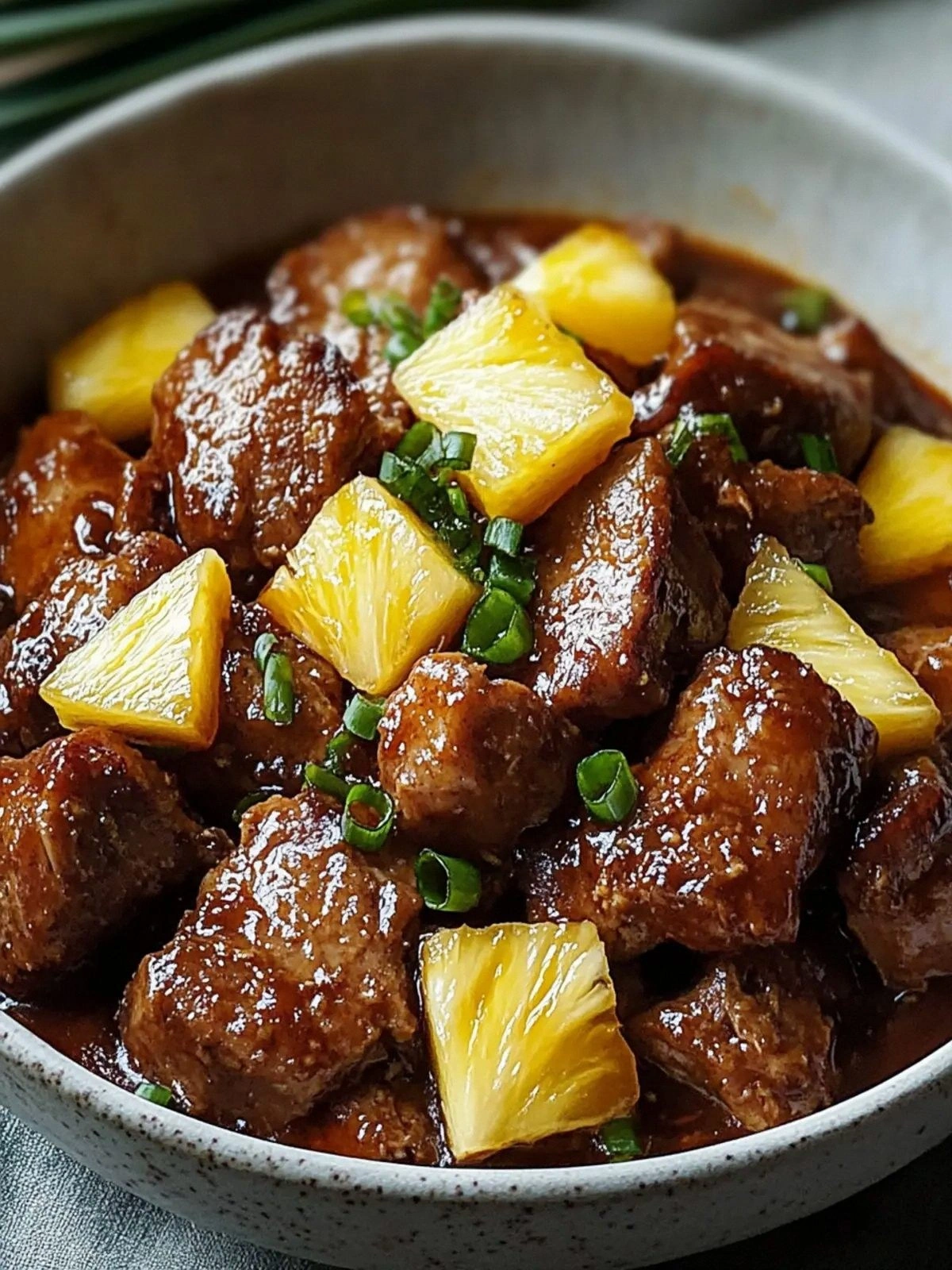
I’ve tried countless variations of pork adobo over the years, from the classic Filipino version with soy and vinegar to a spicy Sichuan twist that left my taste buds tingling. Yet none of them captured the same sweet‑savory depth that pineapple brings. Imagine a sauce that glistens like a glossy lacquer, the pineapple’s natural sugars balancing the sharpness of vinegar and the umami of soy. The aroma alone—sweet, tangy, with a faint hint of ginger—makes you want to dive in before you even taste it. The first bite is a burst of flavors: the pork’s fat melts into a silky, caramelized coating, the pineapple slices soften into juicy pearls, and the chili gives a subtle heat that lingers just enough to keep you coming back for more.
What sets this version apart is not just the ingredients but the method. I’ve discovered that a quick sear before simmering locks in juices and creates a caramelized crust that feels almost like a crispy edge that shatters like thin ice when you bite into it. The pineapple isn’t just a garnish; it’s a flavor partner that softens the acidity of vinegar while adding a natural sweetness that cuts through the richness of pork belly. The use of fresh ginger, not powdered, brings a bright, zesty note that lifts the entire dish. The long‑red chili adds a gentle heat that doesn’t overpower but rather accentuates the sweet‑savory profile. All these elements combine to make this a dish that is hands down the best version you’ll ever make at home.
I dare you to taste this and not go back for seconds. The combination of textures—crisp edges, tender meat, juicy pineapple, and a silky sauce—creates a harmony that feels almost cinematic. Picture yourself pulling this out of the pan, steam curling around the bowl, the scent filling the kitchen, and the anticipation building for that first spoonful. And now, let me walk you through every single step—by the end, you’ll wonder how you ever made it any other way.
What Makes This Version Stand Out
- Flavor Harmony: The marriage of apple cider vinegar, soy sauce, and pineapple creates a sweet‑acid balance that’s both comforting and exciting. This blend cuts through the pork’s richness and leaves a lingering, refreshing aftertaste.
- Texture Contrast: The seared pork belly develops a caramelized crust that offers a satisfying crunch, while the pineapple softens into a silky, almost custard‑like consistency when cooked.
- Ingredient Quality: Using fresh, high‑quality pork belly and ripe pineapple elevates the dish. The pork’s fat content melts beautifully, and the pineapple’s natural sugars intensify the sauce.
- Simple Technique: No need for complex marinades or long resting times. The method relies on a quick sear and a short simmer, making it accessible for even novice cooks.
- Make‑Ahead Potential: The sauce actually deepens in flavor after a few hours, so you can prep the dish in advance and let it marinate in the refrigerator.
- Crowd‑Pleaser: The sweet‑savory profile is universally appealing, making it a hit at family dinners, potlucks, and casual gatherings.
Alright, let's break down exactly what goes into this masterpiece...
Inside the Ingredient List
The Flavor Base
Apple cider vinegar is the backbone of this sauce, offering a bright acidity that balances the pork’s fat. Its fruity undertones complement the pineapple, creating a layered sweetness that feels natural rather than artificial. Skipping vinegar would leave the dish heavy and one‑dimensional, so keep it front and center.
Light soy sauce provides the umami punch and a subtle saltiness that rounds out the acidity. A splash of soy can be substituted with tamari for a gluten‑free version, but be sure to adjust the salt level accordingly.
Brown sugar is the sweet counterpoint that caramelizes during the searing process, turning the sauce into a glossy, amber glaze. If you’re watching carbs, you can replace brown sugar with a natural sweetener like maple syrup, though the caramelization will differ.
The Texture Crew
Pork belly is the star of this dish, its high fat content giving a rich mouthfeel that pairs beautifully with the sweet pineapple. Choose a cut with a good marbling pattern; the fat will render down, creating a silky sauce base. If you prefer leaner meat, substitute with pork shoulder, but expect a slightly drier result.
Vegetable oil is used for the initial sear. It has a high smoke point and a neutral flavor, allowing the pork’s natural taste to shine. A small amount of butter could be added for extra richness, but it’s optional.
The Unexpected Star
Pineapple isn’t just a garnish; it’s a flavor partner that softens acidity and adds natural sweetness. Fresh pineapple yields the best flavor profile, but canned pineapple in juice can be used in a pinch. If you’re adventurous, try a mix of fresh and canned for a deeper sweetness.
The long red chili adds a gentle heat that doesn’t overwhelm the dish. It provides a subtle, lingering warmth that keeps the palate engaged. If you’re heat‑averse, simply omit the chili or replace it with a milder pepper.
The Final Flourish
Finely grated ginger and minced garlic infuse the sauce with aromatic heat, creating a fragrant base that enhances all other flavors. Fresh ginger is preferable to powdered for its bright, clean taste. If you’re allergic to garlic, use a garlic‑free substitute or reduce the amount to taste.
Bay leaves add an herbal complexity that lingers subtly throughout the simmering process. Remove them before serving; they’re meant to infuse, not to be eaten.
Spring onion, or scallions, provide a fresh, crisp finish that cuts through the richness. Sprinkle them on top just before serving for a burst of color and bright flavor.
Everything's prepped? Good. Let's get into the real action...
The Method — Step by Step
- Prep the pork: Slice the pork belly into 1‑inch thick pieces, ensuring each slice has a balanced amount of fat and meat. Pat the slices dry with paper towels; moisture on the surface will prevent proper searing. Season each piece lightly with salt and pepper to enhance the natural flavor. This step sets the foundation for a crispy, caramelized exterior.
- Heat the pan: Place a heavy skillet over medium‑high heat and add the vegetable oil. Let the oil shimmer—this is the cue that the pan is hot enough for searing. A quick test: drop a small piece of pork; if it sizzles immediately, you’re ready. This moment of truth ensures a golden crust.
- Sear the pork: Add the pork belly slices in a single layer, skin side down if applicable. Let them cook undisturbed for 3–4 minutes until a deep golden crust forms. Flip carefully and sear the other side for another 2–3 minutes. The seared surface will lock in juices and provide a caramelized flavor that’s essential to this dish.
- Remove and set aside: Once seared, transfer the pork to a plate. This pause allows the pan to cool slightly, preventing the sauce from becoming too thin when added. Keep the pork warm; you’ll return it to the pan later.
- Cook aromatics: In the same pan, add the finely grated ginger and minced garlic. Sauté for 30 seconds until fragrant, being careful not to burn them. The aroma you’re about to release will be the base for the sauce, layering complexity from the start.
- Deglaze: Pour in the apple cider vinegar, scraping up any browned bits from the bottom of the pan. These bits are flavor gold; don’t let them fall to the floor. The vinegar will also help lift the pork’s natural juices into the sauce.
- Add liquids and spices: Stir in the light soy sauce, brown sugar, ground black pepper, bay leaves, and the long‑red chili. Bring the mixture to a gentle boil, then reduce heat to a simmer. The sauce should thicken slightly, creating a glossy glaze that will coat the pork.
- Return pork to pan: Place the seared pork slices back into the skillet, nestling them into the sauce. Ensure each piece is partially submerged to allow even cooking. This step ensures the pork absorbs the aromatic sauce.
- Simmer: Cover the pan and let the pork cook on low heat for 15–20 minutes, or until the meat is tender and the sauce has thickened. Periodically lift the lid to check the consistency; you want a sauce that coats the pork but isn’t runny. This slow simmer allows flavors to meld.
- Finish with pineapple: Add the pineapple chunks to the pan. Stir gently to coat them in the sauce. Simmer for an additional 5 minutes, letting the pineapple soften while infusing its sweetness into the dish.
- Garnish: Sprinkle the sliced spring onions over the top. The fresh green adds a pop of color and a bright finish that balances the richness.
- Serve: Plate the pork belly with a generous spoonful of sauce and pineapple. Pair with steamed rice or a side of sautéed greens for a complete meal. The dish is best enjoyed hot, as the sauce’s glaze will slightly melt and become more luscious.
That's it — you did it. But hold on, I've got a few more tricks that'll take this to another level...
Insider Tricks for Flawless Results
The Temperature Rule Nobody Follows
Many cooks over‑cook pork belly, resulting in a tough texture. The trick is to sear first, then simmer on low heat. Keep the simmer below 185°F (85°C) to allow the fat to render slowly, ensuring a tender, melt‑in‑your‑mouth experience. I’ve seen even the most seasoned chefs skip this step and end up with rubbery pork.
Why Your Nose Knows Best
Smell is a powerful indicator of flavor development. When the sauce starts to thicken, you’ll notice a sweet, caramelized aroma. If you don’t smell that, the sauce isn’t ready yet. Trust your nose; it will guide you to the perfect consistency.
The 5‑Minute Rest That Changes Everything
Letting the pork rest for 5 minutes after simmering allows the juices to redistribute. This simple step ensures each bite is juicy and flavorful. Many people skip it, but the difference is noticeable.
Use Fresh Ginger for a Bright Finish
Fresh ginger adds a bright, clean heat that powdered ginger can’t match. If you’re short on time, a teaspoon of ground ginger works, but the dish will feel a bit muted. I’ve tried both and found fresh ginger to be the secret to the dish’s zing.
Keep the Chili in the Sauce
The long red chili gives a gentle heat that stays in the sauce. Removing it too early reduces the subtle warmth. If you want a spicier kick, add a fresh chili or a dash of chili flakes at the end.
Creative Twists and Variations
This recipe is a playground. Here are some of my favorite ways to switch things up:
Spicy Mango Adobo
Swap the pineapple for diced mango and add a pinch of cayenne pepper. The mango’s natural sweetness pairs beautifully with the savory sauce, while the cayenne adds a fiery finish. This version is perfect for those who love a sweet‑heat balance.
Gluten‑Free Version
Replace light soy sauce with tamari and use a splash of coconut aminos for a slightly sweeter profile. This change keeps the dish gluten‑free without compromising flavor. I’ve used this version for a gluten‑free dinner party with great results.
Vegetarian Take
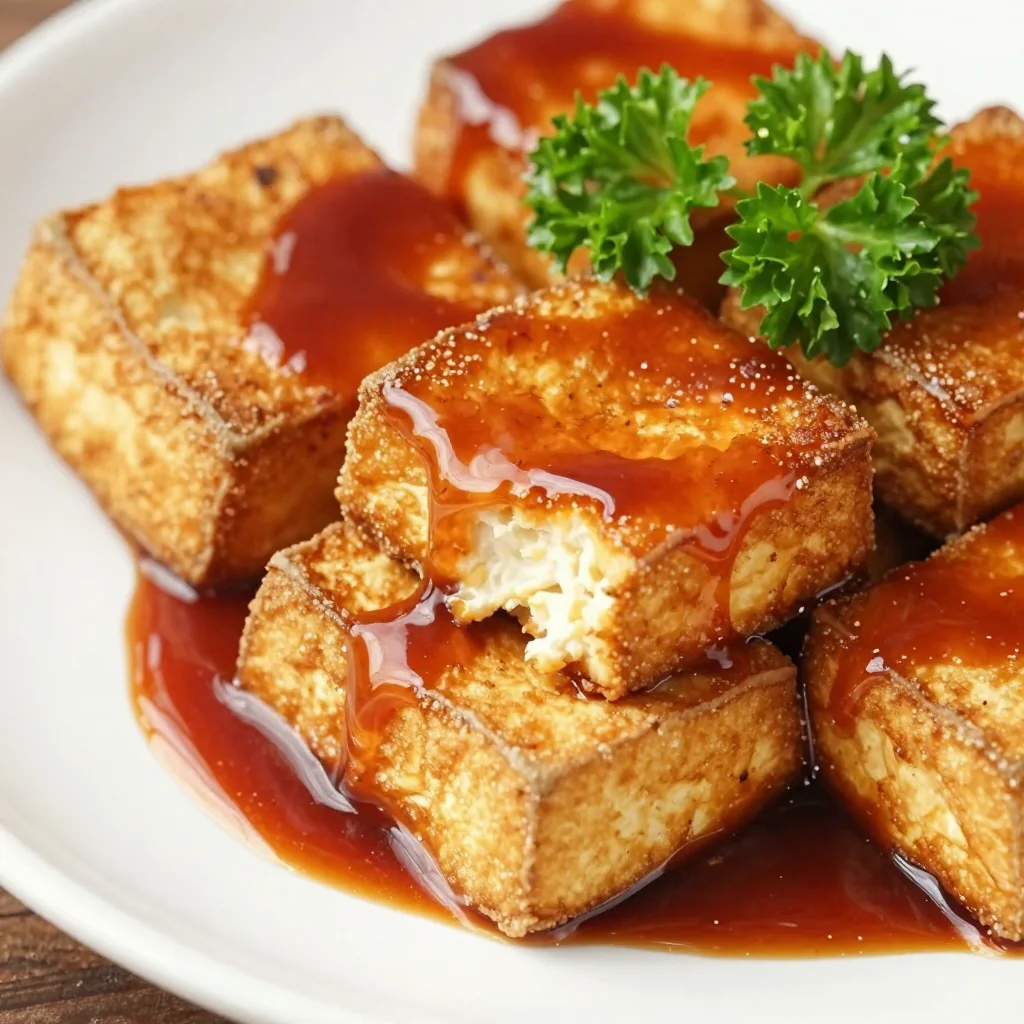
Use thick slices of tempeh or tofu in place of pork belly. Marinate the protein in the vinegar‑soy mixture before searing. The tofu will absorb the sweet‑savory glaze, creating a plant‑based version that’s still rich and satisfying.
Charred Pineapple Finish
After simmering, briefly sear the pineapple in a hot pan with a drizzle of honey. This creates a caramelized exterior that adds a crunchy texture and deeper caramel flavor. The result feels like a dessert‑savory fusion.
Herbal Infusion
Add a handful of fresh basil leaves during the last minute of simmering. The basil’s aroma will infuse the sauce with a fresh, herbal note that brightens the dish. This variation is ideal for a spring menu.
Storing and Bringing It Back to Life
Fridge Storage
Cool the dish to room temperature, then transfer to an airtight container. Store in the refrigerator for up to 3 days. The sauce will thicken slightly, but it remains delicious. Before reheating, give it a quick stir to redistribute the flavors.
Freezer Friendly
Pack the dish in freezer‑safe containers, leaving a small headspace for expansion. Freeze for up to 2 months. When ready, thaw in the refrigerator overnight. The texture of the pork will stay tender, and the pineapple will remain juicy.
Best Reheating Method
Reheat the dish in a saucepan over low heat, adding a splash of water or broth to loosen the sauce. Stir gently until heated through. The tiny splash of liquid steams the pork back to its original succulence, preventing dryness.