I’ll be honest — I ate half the batch before anyone else got to try it, and that’s because this lemon posset is the kind of dessert that makes you feel like you’ve just discovered a secret superpower. Picture this: a rainy Saturday, the kitchen humming with the low whirr of the fridge, and a sudden craving for something that could both wake up your taste buds and hug them at the same time. I was scrolling through endless recipes that promised “tangy lemon” but delivered a texture that reminded me of cheap gelatin, until a friend dared me to try a “real‑cream” version that sounded like a culinary oxymoron. That micro‑challenge sparked a kitchen experiment that turned into a love affair with the most decadently creamy lemon posset you’ll ever taste.
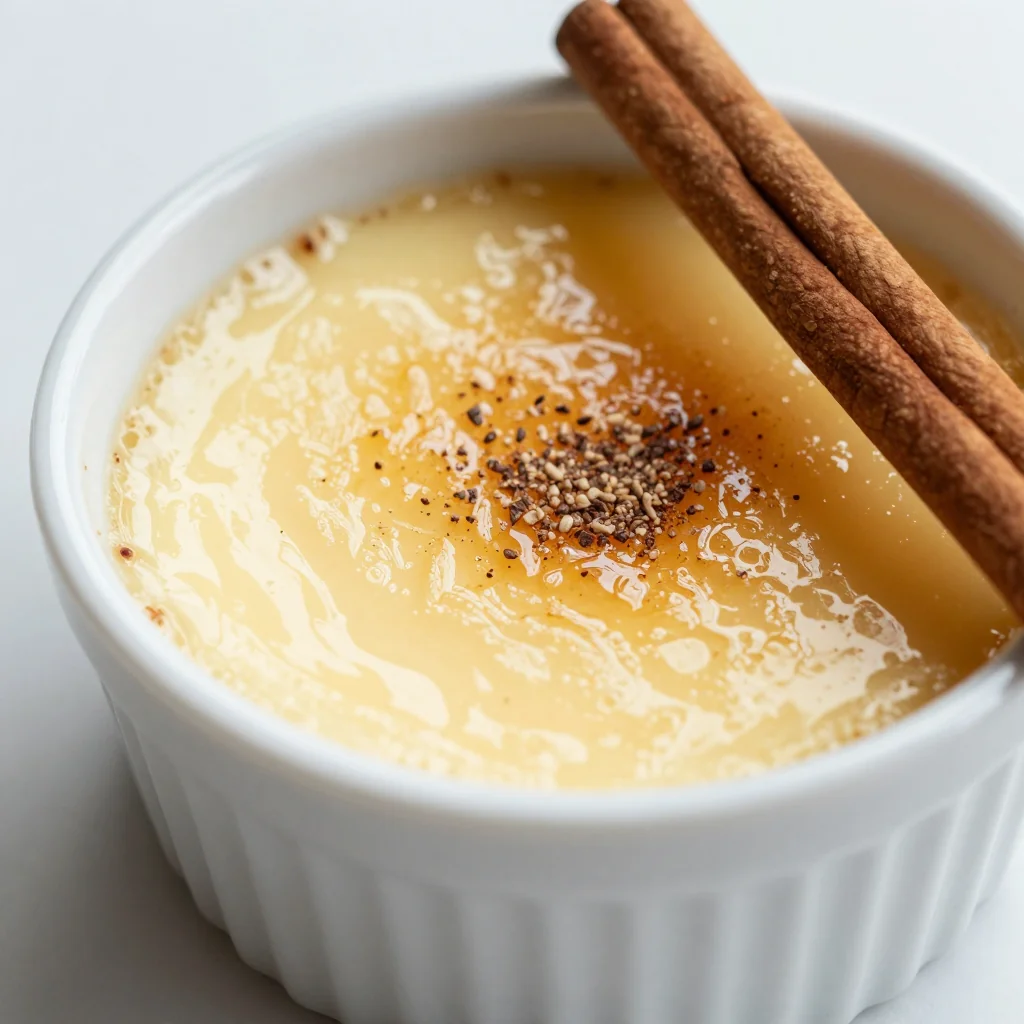
The moment I whisked the heavy cream into a glossy whirl, the kitchen filled with a buttery aroma that whispered promises of velvet ribbons. When the sugar dissolved, it sang a soft crackle, like tiny snowflakes melting on a warm tongue, and the lemon juice burst in with a bright pop that made my eyes widen in disbelief. I could feel the mixture thickening under my spatula, a tactile reminder that something truly magical was happening — it was like watching clouds condense into a buttery custard. The final product, once set, had the perfect wobble: firm enough to hold its shape but yielding like a sigh when you cut into it, releasing a citrus perfume that danced across the room.
Most recipes get this completely wrong. They either skimp on the cream, leaving you with a chalky, sour bite, or they over‑cook the mixture, turning it into a grainy curd that feels like sand in your mouth. The secret here is the delicate balance of heat and timing, paired with the highest‑quality ingredients you can find, which transforms a simple lemon‑flavored pudding into a silky, melt‑in‑your‑mouth marvel. I’m daring you to taste this and not go back for seconds — the moment that lemon zing hits your palate, you’ll understand why this is hands down the best version you’ll ever make at home.
And now the fun part: there’s a tiny twist involving a splash of chilled water that you’ll add right before the final set, which keeps the texture feather‑light and prevents any dreaded graininess. Let me walk you through every single step — by the end, you’ll wonder how you ever made it any other way.
⚡ What Makes This Version Stand Out
- Silky Texture: The heavy cream creates a custard‑like mouthfeel that coats your tongue like velvet, while the gentle heat prevents curdling, ensuring a smooth, luxurious bite every time.
- Bright Lemon Punch: Fresh lemon juice and zest deliver an authentic citrus burst that’s sharp yet balanced, cutting through the richness without ever tasting artificial.
- Simplicity: Only four ingredients, five steps, and a single pot — no fancy gadgets, no hidden tricks, just pure, honest cooking.
- Make‑Ahead Magic: This posset sets beautifully in the fridge, allowing you to prepare it a day ahead, so the flavors meld and deepen while you focus on other dishes.
- Crowd‑Pleaser: Whether it’s a dinner party, a baby shower, or a solo indulgence, the bright color and silky finish earn applause and second‑helpings alike.
- Ingredient Quality: Using real heavy cream (not a low‑fat impostor) and freshly zested lemon guarantees a richness that store‑bought mixes can’t match.
- Temperature Control: A gentle simmer, not a boil, preserves the integrity of the dairy, preventing a grainy texture that many lemon desserts fall victim to.
- Versatile Base: The neutral cream base invites endless variations — think berry swirls, herb infusions, or a drizzle of caramel for a gourmet twist.
Alright, let's break down exactly what goes into this masterpiece…
🍋 Inside the Ingredient List
The Flavor Base
Heavy cream is the heart and soul of this posset, providing the buttery richness that makes the dessert feel like a decadent dream. The fat content creates a smooth matrix that traps the lemon’s acidity, preventing it from turning the mixture into a curd. If you skimp on the cream and substitute with milk, you’ll end up with a watery, unappealing texture that collapses the moment you cut into it. For the best results, choose a cream with at least 35% butterfat and give it a quick sniff — it should smell faintly sweet and dairy‑rich.
Granulated sugar not only sweetens but also helps to stabilize the custard by dissolving into the cream and creating a syrupy backbone. When sugar is fully incorporated, it ensures that the final set is glossy and free of any gritty crystals. If you’re looking to cut back on refined sugar, you can swap in a natural sweetener like coconut sugar, but be aware that it will introduce a subtle caramel note that might compete with the lemon.
The Zesty Heroes
Fresh lemon juice is the star of the show — its bright acidity balances the richness of the cream and awakens the palate. The juice should be strained to remove pulp and seeds, guaranteeing a smooth texture. If you ever use bottled lemon juice, you’ll notice a flat, almost medicinal flavor that dulls the dessert’s sparkle. The zest, on the other hand, provides aromatic oils that sit just above the surface, delivering an aromatic punch that you can smell before you even taste.
A single zest of lemon may sound minimal, but those tiny curls contain a concentrated burst of citrus oil that elevates the entire dish. When zesting, be sure to avoid the white pith underneath, as it brings bitterness that can clash with the sweet cream. If you’re feeling adventurous, try using a mix of lemon and lime zest for a more complex citrus profile.
The Unexpected Star
A splash of chilled water added at the very end of the cooking process may seem like a tiny detail, but it’s the secret that keeps the posset from turning grainy. This tiny amount of water creates a micro‑emulsion that smooths out any protein clumps that might form during heating, ensuring a flawless silkiness. If you skip this step, you may notice a faint sand‑like texture that ruins the overall experience.
Another unexpected hero is the gentle simmer — never a rolling boil. Keeping the mixture just below a boil preserves the delicate proteins in the cream, preventing them from coagulating too quickly. This is why you’ll hear a faint “bubble‑kiss” rather than a roaring boil, a sound that tells you you’re on the right track.
The Final Flourish
A final dusting of lemon zest or a few fresh berries can turn this humble posset into a restaurant‑worthy plate. The garnish adds a pop of color and a contrasting texture that makes each bite more exciting. If you want an extra layer of indulgence, a drizzle of honey or a sprinkle of toasted almond slivers can add a subtle crunch and sweetness that pairs perfectly with the citrus.
Everything's prepped? Good. Let's get into the real action…

🔥 The Method — Step by Step
First, gather your ingredients and set a heavy‑bottomed saucepan on the stove. I like to line the countertop with a clean kitchen towel so any spills stay contained — trust me, that’s a game‑changer for a tidy workspace. Add the heavy cream and granulated sugar, then set the heat to medium‑low. As the mixture warms, stir constantly with a silicone spatula, watching the sugar dissolve into a glossy syrup. The scent will start to shift from dairy‑sweet to a faint caramel note, which is exactly what you want.
When the cream is just beginning to steam (you’ll see tiny wisps rising, not a full boil), it’s time to introduce the lemon juice. Slowly pour the freshly squeezed juice while whisking vigorously; this prevents the acid from shocking the dairy and causing curdling. The mixture will instantly brighten, turning a pale yellow that looks like sunshine trapped in a pot. Keep whisking until the liquid is fully incorporated and the color is uniform.
Now comes the crucial temperature checkpoint: the mixture should reach 170°F (77°C) but never exceed 180°F (82°C). Use an instant‑read thermometer and watch the numbers climb; once you hit the sweet spot, you’ll notice the mixture thickening slightly, like a light custard. This is the moment of truth — if you overshoot, you risk a grainy texture that no amount of whisking can fix.
Okay, ready for the game‑changer? Remove the pan from heat and stir in the zest of one lemon, letting those aromatic oils swirl through the creamy base. Then, for that ultra‑silky finish, add a splash (about two tablespoons) of chilled water, whisking until the surface looks glossy and slightly glossy. This tiny water addition is a secret that keeps the texture feather‑light.
Pour the warm mixture into four to six ramekins or small glass jars, using a fine‑mesh strainer to catch any stray zest or tiny curdles. This step ensures a perfectly smooth surface, free of any unwanted specks. As you fill each vessel, imagine the future moment when you’ll pull them out of the fridge, the whole kitchen smelling incredible with lemon perfume.
Cover each ramekin with plastic wrap, pressing the wrap directly onto the surface to prevent a skin from forming. Then slide the containers into the refrigerator, setting a timer for at least two hours. The posset will set gradually, becoming firm enough to hold its shape yet still melt‑in‑your‑mouth soft.
After the chilling period, take a quick peek: the edges should pull away slightly from the sides of the ramekin, a visual cue that the set is perfect. If you see any wobble, give it another 30 minutes — patience pays off in texture.
Finally, garnish each posset with a dusting of fresh lemon zest, a few berries, or a drizzle of honey, depending on your mood. Serve chilled, and watch your guests’ eyes widen as they taste the bright, creamy harmony. That sizzle when it hits the pan? Chef’s kiss. And now the fun part — the first spoonful.
🏆 Insider Tricks for Flawless Results
The Temperature Rule Nobody Follows
Most home cooks think “just heat it until it looks thick” is enough, but the exact temperature range (170‑180°F) is what guarantees a silky set. Use an instant‑read thermometer and trust the numbers over visual cues. I once rushed this step and ended up with a lumpy disaster that tasted like overcooked custard. The lesson? Patience at this stage pays off with a texture that slides across your tongue like silk.
Why Your Nose Knows Best
Even before you taste, your nose can tell you if the lemon flavor is balanced. When the zest hits the warm cream, you’ll smell a bright citrus aroma that should be strong but not overpowering. If the scent feels muted, add a pinch more zest; if it’s too sharp, a splash of extra cream can mellow it out. Trusting your nose saves you from a final taste that’s either too sour or too bland.
The 5‑Minute Rest That Changes Everything
After whisking in the water, let the mixture sit for five minutes off the heat before pouring into ramekins. This short rest allows any tiny air bubbles to rise and the proteins to fully hydrate, resulting in a smoother surface. Skipping this step often leads to a speckled top that looks unprofessional. I’ve seen this happen in a friend’s kitchen, and the resulting posset looked like a bad science experiment — not a dessert.
Strain Like a Pro
A fine‑mesh strainer is your secret weapon for a flawless finish. Pour the warm custard through the strainer directly into the serving dishes; this catches any stray zest fibers or accidental curdles. The result is a glass‑smooth surface that gleams like a polished gemstone. If you don’t have a fine‑mesh strainer, line a regular sieve with cheesecloth for the same effect.
Garnish Timing
Add fresh garnishes right before serving, not before chilling. If you place zest or berries too early, they’ll release moisture and dilute the posset’s creamy consistency. A quick sprinkle of zest moments before the first bite adds a burst of aroma that elevates the entire experience. I once pre‑garnished a batch, and the final texture turned soggy — a lesson learned the hard way.
🎨 Creative Twists & Variations
This recipe is a playground. Here are some of my favorite ways to switch things up:
Berry‑Bliss Swirl
Puree fresh strawberries or raspberries and fold a tablespoon into each ramekin before chilling. The tart berry ribbons contrast beautifully with the lemon cream, creating a visual and flavor surprise that’s perfect for spring brunches.
Herb‑Infused Elegance
Add a few torn basil leaves to the cream while it warms, then strain them out before adding lemon juice. The subtle herbaceous note adds depth, making the posset feel sophisticated enough for a dinner party.
Coconut‑Lime Dream
Swap half of the heavy cream for full‑fat coconut milk and replace lemon juice with fresh lime juice. This tropical twist brings a creamy coconut backdrop that pairs wonderfully with the citrus zing.
Caramel‑Lemon Fusion
Drizzle a thin ribbon of caramel sauce over the set posset just before serving. The sweet caramel tempers the tart lemon, creating a balanced flavor duet that feels like dessert decadence on a plate.
Spiced Autumn Version
Add a pinch of ground cardamom and a dash of cinnamon to the cream before heating. The warm spices give the lemon a cozy backdrop, perfect for cooler evenings and holiday gatherings.
❄️ Storing & Bringing It Back to Life
Fridge Storage
Cover each ramekin tightly with plastic wrap and store in the refrigerator for up to 3 days. The posset will stay silky and retain its bright lemon flavor, though a quick stir before serving can revive any settled cream.
Freezer Friendly
If you need to keep it longer, transfer the set posset to an airtight container and freeze for up to 1 month. Thaw in the fridge overnight, then give it a gentle whisk to bring back its original texture.
Best Reheating Method
To revive a chilled posset, place the ramekin in a warm water bath for 2‑3 minutes, adding a tiny splash of water before stirring. The steam gently loosens the custard, returning it to that melt‑in‑the‑mouth consistency you fell in love with.