The first time I tried to make a simple salmon dish, I ended up with a fish that was as dry as a desert and as bland as a beige wall. I stared at the pan, my fingers trembling, as the fillets stared back, their flesh a dull, unappetizing gray. That kitchen disaster became the catalyst for a culinary quest that would culminate in the ultimate Lemon Dill Salmon, a dish that turns any ordinary dinner into a symphony of bright citrus and fragrant herb.
Picture this: a sizzling skillet, the sharp scent of garlic cutting through the air, a splash of olive oil glinting like liquid gold. The fillets hit the pan with a gentle hiss, the sound almost a promise of flavor. As the edges start to crisp, a faint golden crust forms, sealing in the delicate fish and creating a contrast that will make your taste buds dance. The aroma rises, mingling with the zesty perfume of lemon and the fresh, almost minty scent of dill, forming an olfactory preview of the dish's destiny.
What makes this version of Lemon Dill Salmon stand out is not just the ingredients, but the technique, the balance, and the sheer confidence with which it is cooked. I dare you to taste this and not go back for seconds—once you try it, the world of ordinary salmon will feel like a distant memory. The flavor profile is a bright, tangy chorus that sings against the richness of the fish, while the dill adds a green, almost herbal undertone that keeps the dish from feeling like a one-note lemon song.
If you've ever struggled with salmon that turns out overcooked or underseasoned, you're not alone—and I've got the fix. This recipe is a revelation: it takes the humble salmon fillet and transforms it into a dish that is simultaneously light and comforting, simple enough for a weekday but elegant enough for a special occasion. By the end of this post, you'll wonder how you ever made it any other way, because the method here is pure magic, the flavor is unapologetically bright, and the texture is a buttery, flaky masterpiece.
What Makes This Version Stand Out
- Taste: The lemon and dill create a bright, citrusy flavor that cuts through the richness of the salmon, giving it a fresh, lively edge that feels like a summer breeze.
- Texture: The pan sears the fillets to a perfect golden crust while keeping the inside tender and moist, like a delicate cloud that melts in your mouth.
- Simplicity: With only seven ingredients, this dish is a quick win for busy nights without sacrificing depth or sophistication.
- Uniqueness: The combination of dill and lemon is a classic, but the precise ratio and timing of the sauce give it a signature twist that sets it apart.
- Crowd Reaction: Friends who are usually skeptical of fish will be hooked immediately; the bright flavor profile makes it approachable for all palates.
- Ingredient Quality: Fresh, high-quality salmon fillets and fresh dill are the backbone; the better the ingredients, the more vibrant the final dish.
- Cooking Method: Pan-searing with a quick lemon-dill glaze locks in moisture while building a caramelized exterior.
- Make-Ahead Potential: The salmon can be cooked ahead and reheated gently, preserving its tenderness without drying out.
Inside the Ingredient List
The Flavor Base
Olive oil is the unsung hero that carries the flavors of garlic, dill, and lemon. It creates a silky coating that prevents the salmon from sticking and adds a subtle fruity note. If you skip oil, the fillets will brown unevenly and risk sticking to the pan, resulting in a less satisfying bite.
The Texture Crew
Garlic infuses the dish with a warm, aromatic depth that complements the bright lemon. Finely minced or thinly sliced, it releases its oils into the oil, creating a fragrant base. Leaving the garlic whole or too large can lead to uneven flavor distribution and a harsher bite.
The Unexpected Star
Fresh dill is the star that sets this dish apart from countless other lemon salmon recipes. Its bright, slightly piney flavor adds complexity and a green, fresh finish that lingers on the palate. If you use dried dill, the flavor will be muted and more bitter, so fresh is the way to go.
The Final Flourish
Lemon wedges provide a burst of acidity that brightens the entire dish. The juice, when squeezed over the finished salmon, creates a vibrant, citrusy glaze that enhances the fish's natural oils. Skipping the lemon wedges will leave the dish lacking that essential zing and visual appeal.
Everything's prepped? Good. Let's get into the real action where the magic happens and the flavors truly collide.
The Method — Step by Step
- Step 1: Prepare the Pan — Heat a large nonstick skillet over medium-high heat. Add the olive oil, swirling to coat the bottom. Let the oil shimmer but not smoke; this indicates the correct temperature. A properly heated pan ensures a quick sear and prevents the fish from sticking. Watch the oil; a slight ripple on the surface signals readiness.
- Step 2: Season the Salmon — While the pan warms, pat the salmon fillets dry with paper towels. Sprinkle salt and black pepper evenly on both sides. The seasoning will form a subtle crust as the fillets cook. A generous but even salt application brings out the fish's natural sweetness. Remember, you can always add more salt after cooking if needed.
- Step 3: Sear the Fillets — Place the salmon fillets skin-side down in the hot skillet. Press gently with a spatula to keep the fillets flat. The skin should sizzle, producing a crisp, golden texture. Allow the fillets to cook undisturbed for 3-4 minutes; the edges will begin to lift naturally. Flip carefully, using a fish spatula for support.
- Step 4: Add Garlic and Dill — Once flipped, add minced garlic and fresh dill to the pan. The garlic should release a fragrant aroma within 30 seconds. Stir gently so the herbs coat the fish evenly. The dill’s green hue will contrast beautifully against the salmon’s flesh. Keep the heat moderate to prevent the garlic from burning.
- Step 5: Deglaze with Lemon Juice — Squeeze the juice of one lemon over the fillets. The acidity cuts through the oil, creating a bright, glossy glaze. The lemon also helps lift any browned bits from the pan, enriching the sauce. Let the lemon juice simmer for 1-2 minutes, allowing the flavors to meld. The sauce should thicken slightly, coating the fish.
- Step 6: Finish Cooking — Reduce the heat to medium-low and continue cooking for an additional 2-3 minutes. The salmon should be opaque and flake easily with a fork. The interior should remain moist, not dry. The lemon-dill sauce will coat the fillets, creating a silky finish. Check the internal temperature; it should reach 145°F for safe consumption.
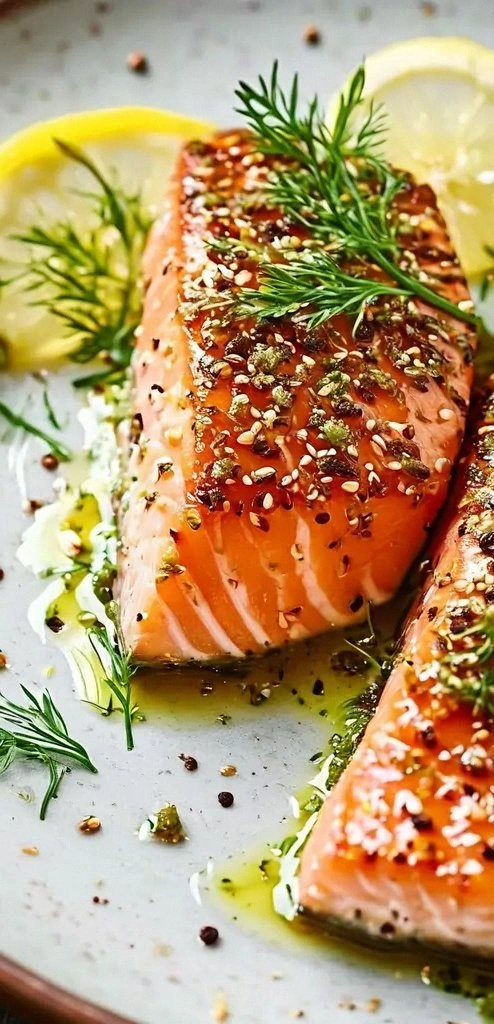
- Step 7: Plate and Garnish — Transfer the salmon to a warm plate. Spoon any remaining sauce over the fillets. Add a few lemon wedges on the side for an extra burst of citrus. The visual contrast of the bright lemon against the salmon adds an appealing aesthetic. A sprinkle of fresh dill on top enhances the aroma as you serve.
- Step 8: Serve Immediately — This dish is best enjoyed hot, while the salmon is still tender and the sauce is at its brightest. Pair it with a light salad, steamed vegetables, or a simple rice pilaf. The freshness of the ingredients makes for a balanced meal. If you plan to serve later, keep the salmon warm in a low oven (200°F) for no more than 15 minutes.
That's it — you did it. But hold on, I've got a few more tricks that'll take this to another level, turning a simple dinner into a culinary showcase that will impress even the most discerning palate.
Insider Tricks for Flawless Results
The Temperature Rule Nobody Follows
Many cooks assume that high heat is always better for searing, but the secret lies in controlled, medium-high heat that allows the salmon to develop a golden crust without burning. A properly heated skillet will give a satisfying sizzle and a beautiful color. If the pan is too hot, the exterior will char while the interior remains underdone; if too cool, the salmon will steam rather than sear. I’ve found that preheating the skillet for 2-3 minutes before adding oil is the sweet spot for this recipe.
Why Your Nose Knows Best
As the garlic starts to brown, your nose will pick up a nutty aroma that signals the right moment to add the dill. The scent of fresh dill is unmistakable, and it should mingle with the garlic’s warmth to create a fragrant bouquet. If the dill loses its aroma, it may have been overcooked and will taste bitter. Trust your nose to guide you through the timing of these aromatics.
The 5-Minute Rest That Changes Everything
After removing the salmon from the pan, let it rest for five minutes on a warm plate. This resting period allows the juices to redistribute, keeping the fillets moist and tender. Many chefs skip this step, resulting in a slightly dry center. The rest also lets the sauce thicken and settle, giving a richer coating when you plate the dish.
Fresh Dill Over Dried: The Difference
Fresh dill offers a bright, almost minty flavor that dried dill simply cannot match. The essential oils in fresh dill are released during cooking, infusing the salmon with a green, lively note. Dried dill can be used if fresh is unavailable, but add it toward the end of cooking to avoid bitterness. I’ve experimented with dried dill and found it lacking the vibrant freshness of the fresh herb.
Keep the Lemon Juice Fresh
Squeeze the lemon just before adding it to the pan to preserve its bright acidity. If you pre-squeeze and store the juice, it can lose some of its vibrant flavor. A fresh squeeze also helps you gauge the right amount of acidity; you can adjust the quantity slightly if you prefer a more or less tangy profile. The freshness of the lemon juice is what makes the glaze truly luminous.
Creative Twists and Variations
This recipe is a playground. Here are some of my favorite ways to switch things up:
Smoky Chipotle Lemon
Add a teaspoon of chipotle powder to the garlic and dill mixture for a smoky kick. The heat will complement the citrus while adding depth. Pair it with a cool cucumber salad to balance the spice. This version is perfect for those who love a bit of heat in their fish.
Herb-Infused Olive Oil
Infuse the olive oil with rosemary and thyme before cooking. The infused oil will add a subtle earthy note that pairs beautifully with the lemon. This variation adds complexity without additional steps. It’s a great way to elevate the dish with minimal effort.
Garlic Butter Glaze
Replace the olive oil with a mixture of melted butter and garlic for a richer, velvety coating. The butter will lend a luxurious mouthfeel, while the garlic keeps the bright flavor profile. This version is ideal for a special dinner or a comforting meal on a cold evening.
Asian Twist
Swap the lemon for lime and add a splash of soy sauce and a pinch of sesame oil. Finish with a sprinkle of toasted sesame seeds. The lime’s brightness will keep the dish fresh, while the soy sauce adds umami depth. Serve over steamed jasmine rice for a complete Asian-inspired meal.
Grilled Citrus Salmon
Marinate the salmon in a mixture of olive oil, lemon zest, and a dash of honey before grilling. The honey will caramelize, creating a sweet, caramelized crust. Grill over medium heat for 4-5 minutes per side. This version brings a smoky flavor that complements the citrus.
Storing and Bringing It Back to Life
Fridge Storage
Cool the cooked salmon to room temperature, then wrap tightly in plastic wrap or aluminum foil. Store in the refrigerator for up to 2 days. The lemon and dill flavors will mellow slightly, but the fish will remain tender. When reheating, keep the temperature low to avoid drying out the fillets.
Freezer Friendly
Place the salmon fillets in a freezer-safe bag, removing excess air. Freeze for up to 3 months. Thaw overnight in the refrigerator before reheating. This method preserves the texture and flavor, making it convenient for meal planning.
Best Reheating Method
Reheat in a preheated oven at 200°F for 10-12 minutes, or until warmed through. Add a splash of water or broth to the pan before reheating to create steam that keeps the fish moist. A quick sear in a hot skillet for 1-2 minutes can restore a crisp exterior. Serve immediately for the best experience.