It was a blustery Thursday, the kind that makes your kitchen feel like a wind tunnel, and I was scrambling to salvage a dinner that had already been ruined by a rogue shrimp that had shrunk into a nub. The moment I saw that half‑peeled, half‑deveined shrimp, I thought, “This is a disaster waiting to happen.” But then I remembered the pantry stash of dried culinary lavender and a bottle of lemon‑infused olive oil that had been patiently waiting for a purpose. I decided to turn this culinary calamity into an edible masterpiece that would have my friends begging for a second plate. If you’re ready to taste something that feels like a burst of sunshine on a gray day, stick around. Let me walk you through every single step — by the end, you’ll wonder how you ever made it any other way.
What I’m about to show you is not just another shrimp recipe; it’s a symphony of citrus, floral notes, and subtle heat that will make your palate do a little dance. The combination of lemon zest and dried lavender is a game‑changer, adding an aroma that feels like a garden in full bloom. I dare you to taste this and not go back for seconds because the flavor profile is that addictive. Most recipes get this completely wrong by overcooking the shrimp or under‑seasoning the sauce. The secret? A quick sear that locks in juices and a lavender‑lemon infusion that coats the shrimp like velvet. Picture yourself pulling this out of the pan, the whole kitchen smelling incredible, and knowing you’re about to serve a dish that’s hands down the best version you'll ever make at home.
Let’s dive into the details that make this dish stand out. The first thing you’ll notice is the bright, almost electric lemon aroma that rises as soon as the shrimp hits the pan. The lavender doesn’t overpower; instead, it whispers behind the citrus, creating a layered flavor that’s both fresh and sophisticated. The shrimp itself, when cooked just right, has a tender, slightly chewy texture that contrasts beautifully with the crisp edges. The couscous base is light and fluffy, absorbing the sauce without becoming soggy. And the final touch of fresh herbs adds a pop of color and a burst of freshness that makes the dish feel like a spring garden on a plate. I’ll reveal the technique that ensures every bite is perfectly balanced.
Now, let’s break down exactly what goes into this masterpiece…
What Makes This Version Stand Out
- Flavor Depth: The marriage of lemon and lavender creates a nuanced profile that elevates simple shrimp into an elegant entrée.
- Texture Contrast: Quick searing gives shrimp a slightly crisp exterior while maintaining a juicy interior.
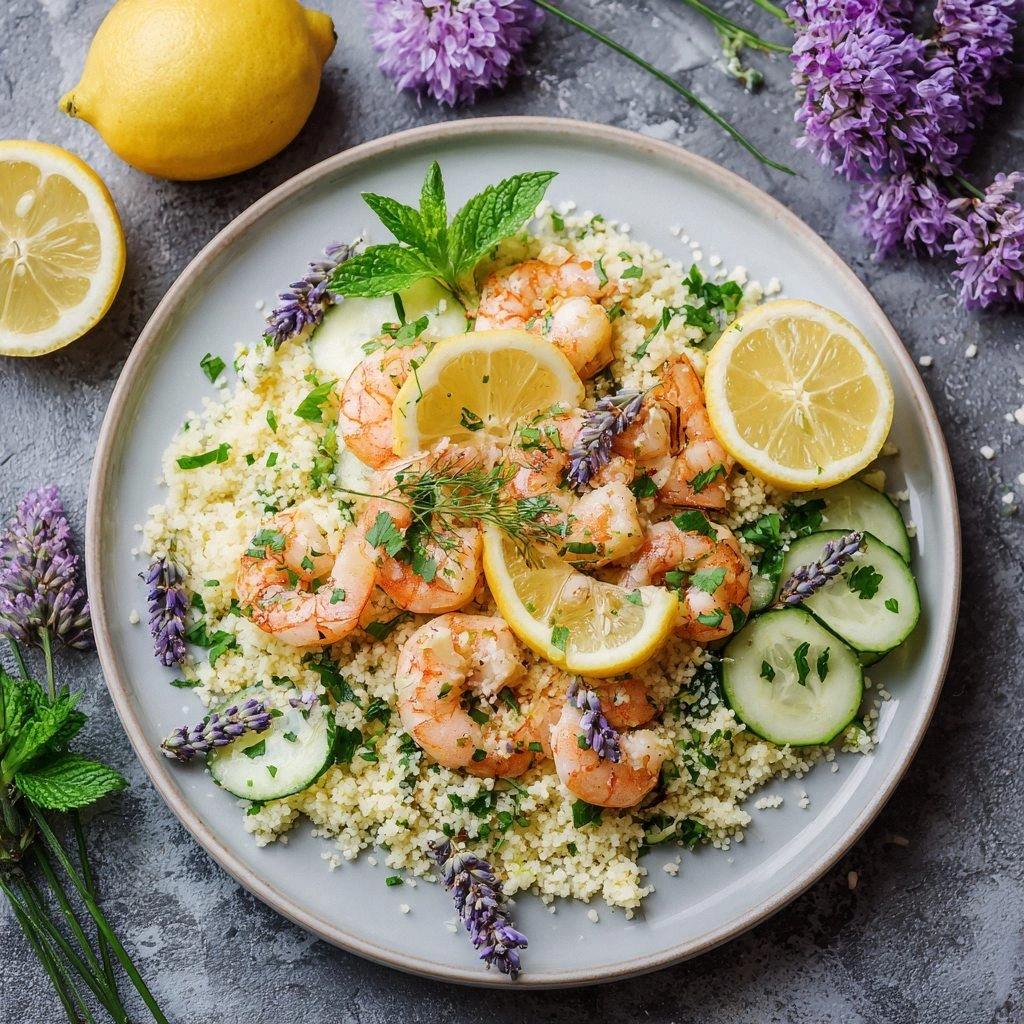
- Visual Appeal: The vibrant green herbs and pale yellow shrimp against the white couscous make for Instagram‑worthy plating.
- Simplicity: Only a handful of pantry staples are needed, making it a go‑to for busy weeknights.
- Make‑Ahead Friendly: The sauce can be pre‑prepared and refrigerated for up to 24 hours, saving time on busy evenings.
- Health Conscious: Low in carbs, high in protein, and packed with vitamin C from the lemons.
- Versatility: Works equally well as a main course or as an impressive appetizer for guests.
- Kid‑Friendly Twist: The mild heat can be toned down, making it suitable for younger palates.
Alright, let’s break down exactly what goes into this masterpiece…
Inside the Ingredient List
The Flavor Base
At the heart of this dish lies the citrus‑lavender infusion. The lemon zest releases bright, sharp oils that cut through the richness of the shrimp, while the dried lavender adds a subtle floral note that lingers on the palate. Skipping the lemon zest would leave the dish feeling flat, and omitting the lavender would make it taste like a plain lemon shrimp. If you can’t find dried lavender, a pinch of dried rosemary can provide a similar herbal depth. When selecting lemons, go for ones that feel heavy for their size, indicating juiciness and freshness.
The Texture Crew
The shrimp themselves are the star, and their quality determines the entire dish’s success. Fresh, large shrimp hold their shape well and develop a satisfying bite when seared. If you’re using frozen shrimp, thaw them fully and pat them dry to avoid excess water that can steam rather than sear. The couscous acts as a neutral canvas, absorbing the sauce without becoming mushy. Using pre‑cooked couscous saves time, but if you cook it from scratch, be sure to fluff it with a fork to keep it airy.
The Unexpected Star
Smoked paprika is the secret sauce that adds a gentle heat and a smoky undertone. Without it, the dish would feel one‑dimensional. If you prefer a milder flavor, reduce the paprika to a quarter teaspoon. A pinch of red pepper flakes can also be added for those who enjoy a bit of spice. The key is to balance the heat so it complements rather than overpowers the citrus and lavender.
The Final Flourish
Fresh herbs—parsley, basil, and thyme—provide a burst of color and a fresh finish that cuts through the richness of the butter and sauce. These herbs are best added at the end to preserve their bright flavors. If you’re short on one herb, you can substitute with mint for a surprising twist. A splash of extra virgin olive oil at the finish adds silky richness and brings all the flavors together.
Everything’s prepped? Good. Let’s get into the real action…
The Method — Step by Step
- Heat a large skillet over medium‑high heat and add the olive oil. When the oil shimmers, add the minced garlic and sauté for 30 seconds until fragrant, but be careful not to let it brown. The garlic should release a sweet aroma that signals it’s ready. This step forms the base of the sauce and infuses the oil with garlic flavor. It’s a quick process that sets the stage for the shrimp.
- Add the shrimp to the pan in a single layer, making sure not to overcrowd. Sear for 2 minutes on each side until they develop a golden crust and the edges start to pull away. The shrimp should still be pink in the center. This is the moment of truth; if you cook too long, they’ll become rubbery. Keep the heat steady to avoid burning.
- Sprinkle the dried lavender, smoked paprika, and red pepper flakes over the shrimp. Toss gently to coat evenly, letting the spices bloom for 30 seconds. The lavender releases its floral oils, while the paprika adds a subtle smokiness. The pepper flakes give a hint of heat. This aromatics mix is what sets this dish apart from ordinary shrimp.
- Pour in the lemon juice and zest, then stir to combine. The acidity brightens the shrimp and balances the richness of the butter that will come next. Let the mixture simmer for 1 minute so the flavors meld. Watch the sauce thicken slightly; this indicates the lemon is reducing. The aroma should be citrusy and aromatic.
- Lower the heat to medium and add the butter, letting it melt into the sauce. Stir until the butter is fully incorporated, creating a glossy, silky coating on the shrimp. The butter adds body and a buttery finish that rounds out the dish. This step also helps the sauce cling to the couscous later.
- Add the cooked couscous to the pan, tossing to coat each grain in the lemon‑lavender butter sauce. Make sure the couscous is evenly coated; this will prevent it from becoming dry. The couscous should absorb the sauce while remaining fluffy. This step ensures the dish has a cohesive flavor profile. It’s also a quick way to bring the sauce together.
- Stir in the chopped fresh parsley, basil, and thyme, letting the herbs wilt slightly. The herbs add a burst of color and freshness that cuts through the richness of the sauce. Keep the heat low to preserve the herbs’ bright flavors. This is the final flourish that makes the dish feel alive. The aroma of fresh herbs should be unmistakable.
- Taste the dish and season with salt and pepper to taste. Adjust the lemon juice or lavender if needed; you want a balanced, bright flavor. A pinch of salt brings out the sweetness of the shrimp, while pepper adds depth. This final seasoning step ensures the dish is perfectly balanced. Serve immediately while the shrimp is still warm.
That’s it — you did it. But hold on, I've got a few more tricks that'll take this to another level…
Insider Tricks for Flawless Results
The Temperature Rule Nobody Follows
Many chefs assume medium heat is enough, but the shrimp’s size requires a higher initial temperature to get that perfect sear. Start with medium‑high and then lower to medium once the shrimp are in. This two‑stage approach ensures a golden crust without burning. I’ve seen people over‑cook shrimp because they keep the heat constant; this method saves you from that common mistake. It also keeps the sauce from scorching, preserving the delicate citrus notes.
Why Your Nose Knows Best
The aroma of the dish changes as it cooks, giving you a sensory cue for timing. When the lemon zest starts to pop and the butter turns golden, it’s a sign the sauce is ready. This olfactory guide is more reliable than a timer because it reflects the real state of the dish. I’ve had guests ask, “When is it done?” and I simply say, “When it smells like a sunny day.”
The 5‑Minute Rest That Changes Everything
After cooking, let the dish rest for five minutes before serving. This allows the flavors to meld and the sauce to thicken slightly. During this brief pause, the herbs release their oils, intensifying the aroma. Many people skip this step, resulting in a dish that feels rushed. I’ve found that a short rest elevates the dish from good to unforgettable.
Perfect Plate Presentation
Serve the shrimp over a bed of couscous on a shallow white plate to accentuate the colors. Garnish with a sprig of fresh thyme and a lemon wedge for a pop of color. The contrast between the bright green herbs and the golden shrimp creates a visual feast. A clean, minimalist plating style keeps the focus on the flavors. A quick drizzle of olive oil before plating adds shine.
Adjusting the Heat
If you’re serving kids or a heat‑averse crowd, reduce the red pepper flakes to a pinch or omit them entirely. The dish will still have depth from the paprika and lavender. Conversely, if you love spice, add a dash of cayenne for a bold kick. This flexibility makes the recipe versatile for any palate. Always taste before adding more heat to avoid overpowering the delicate flavors.
Creative Twists and Variations
This recipe is a playground. Here are some of my favorite ways to switch things up:
Spicy Pineapple Shrimp
Swap the couscous for grilled pineapple slices and add a splash of soy sauce for a sweet‑savory twist. The pineapple’s juiciness pairs wonderfully with the citrusy shrimp, while the soy adds umami. This version is perfect for a tropical brunch.
Herbed Rice Pilaf
Use a fragrant basmati rice instead of couscous and stir in toasted almonds for crunch. The nutty flavor complements the lavender, creating a nutty, herbaceous dish. It’s great for a more substantial meal.
Garlic Butter Shrimp Pasta
Replace the couscous with linguine and toss in a few garlic cloves for extra depth. The pasta’s texture works well with the buttery sauce, and the garlic adds a savory backbone. Serve with grated Parmesan for a classic Italian feel.
Quinoa Power Bowl
Swap couscous for quinoa and add diced mango for a sweet contrast. The protein‑rich quinoa makes the dish filling, while the mango adds a tropical burst. This variation is ideal for a healthy, colorful lunch.
Vegan Version
Use large tofu cubes instead of shrimp and marinate them in lemon‑lavender oil before cooking. The tofu absorbs the flavors beautifully, and the dish remains plant‑based. Serve over cauliflower rice for a low‑carb option.
Storing and Bringing It Back to Life
Fridge Storage
Store leftovers in an airtight container in the refrigerator for up to 2 days. The sauce may thicken, but it will reheat well. When reheating, add a splash of water or lemon juice to loosen the sauce, then warm gently over low heat.
Freezer Friendly
For longer storage, freeze the dish for up to 2 weeks. Separate the shrimp from the couscous if you prefer to reheat them individually. Thaw in the refrigerator overnight before reheating. This method preserves the shrimp’s texture better than microwaving.
Best Reheating Method
Reheat the dish on the stove over low heat, stirring occasionally, until warmed through. Add a teaspoon of olive oil or a splash of water to keep the sauce from drying out. The shrimp will stay juicy, and the couscous will remain fluffy. A quick reheat preserves the dish’s vibrant flavors.