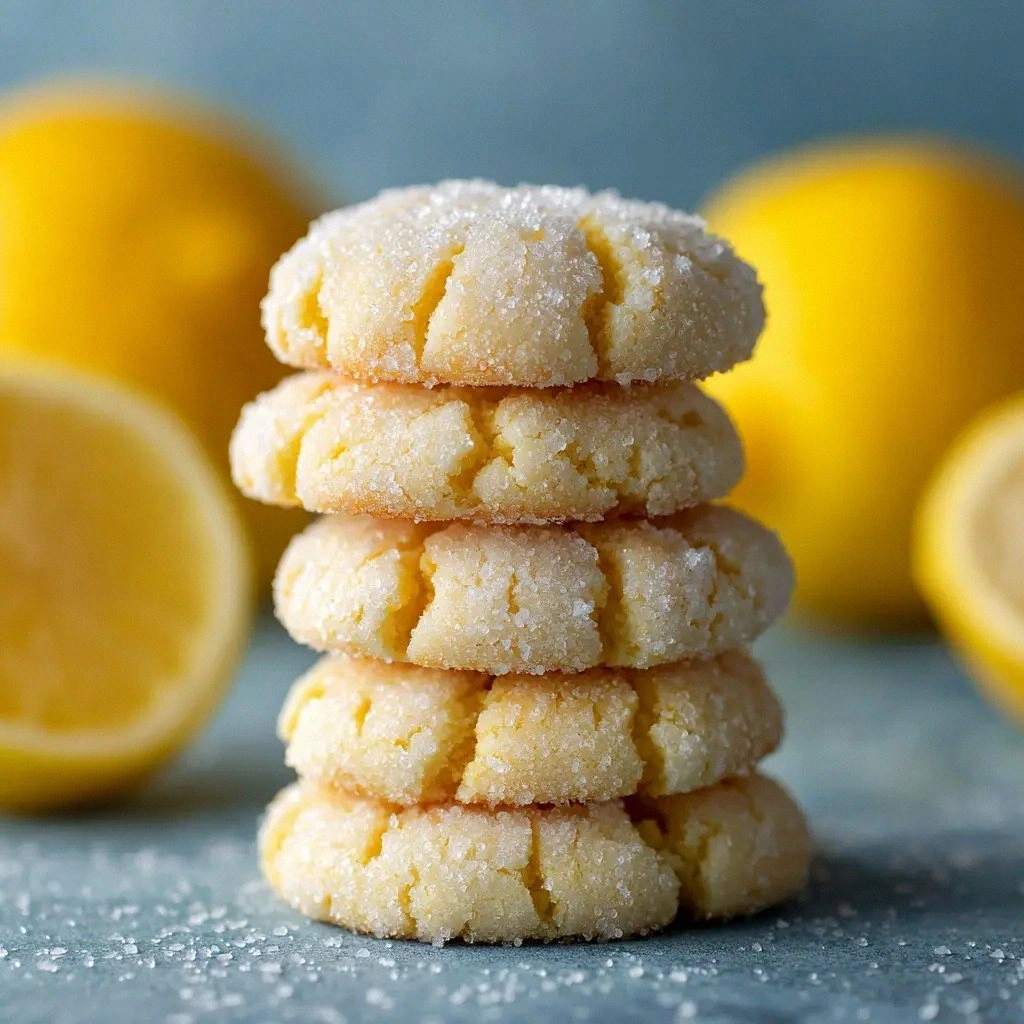
Picture this: I’m standing in a cramped kitchen, a half‑sunk loaf of bread on the counter, and a sudden craving for something bright, sweet, and utterly irresistible. The air is thick with the scent of citrus from the fridge, and I’m staring at a jar of fresh lemons that’s been gathering dust. I remember the last time I tried a lemon cookie recipe—fluffy, but it tasted like it was baked with a sigh rather than a shout. That night, my friends dared me to bake something that would make them say, “I dare you to taste this and not go back for seconds.”
So, I set out on a mission to create the ultimate lemon sugar cookie: a cookie that’s soft, chewy, and bursting with citrus, yet still crisp enough to leave a satisfying crackle on the edge. I whisked, measured, and experimented until the dough was silky, the lemon zest was perfectly balanced, and the sugar content was just sweet enough to highlight the bright acidity. The kitchen became a laboratory of aromas—sweet butter, sharp lemon, and the faint caramelized scent of sugar when it hits the oven. It was a sensory orchestra that made me feel like a culinary conductor, and I could almost hear the faint clink of the mixing bowl as a metronome.
What makes this version stand out is that it’s not just another cookie recipe. I’ve tweaked the ratio of flour to cornstarch, added a splash of lemon juice during the mixing stage, and folded in a small amount of powdered sugar to give the dough a subtle glaze that glistens when baked. The result? A cookie that holds its shape, doesn’t crumble, and delivers a lemon burst that lingers on the palate. If you’ve ever struggled with cookies that fall apart or taste flat, you’re not alone—and I’ve got the fix.
Picture yourself pulling this out of the oven, the whole kitchen smelling incredible, the timer chiming, and the first bite sending a wave of citrusy sweetness and buttery richness over your tongue. The dough will have risen just enough to be airy but still dense enough to hold the lemon flavor. The edges will be slightly golden, the center soft and chewy. And when you bite, the cookie will crackle just enough to give you that satisfying crunch before you’re enveloped by the lemony finish. Let me walk you through every single step — by the end, you’ll wonder how you ever made it any other way.
What Makes This Version Stand Out
- Flavor: The balance of sweet and tart is achieved by combining fresh lemon juice with lemon zest, creating a bright, vibrant profile that doesn’t overwhelm the buttery base.
- Texture: A touch of cornstarch turns the dough into a silky, chewy cookie that doesn’t dry out, even after a few hours of storage.
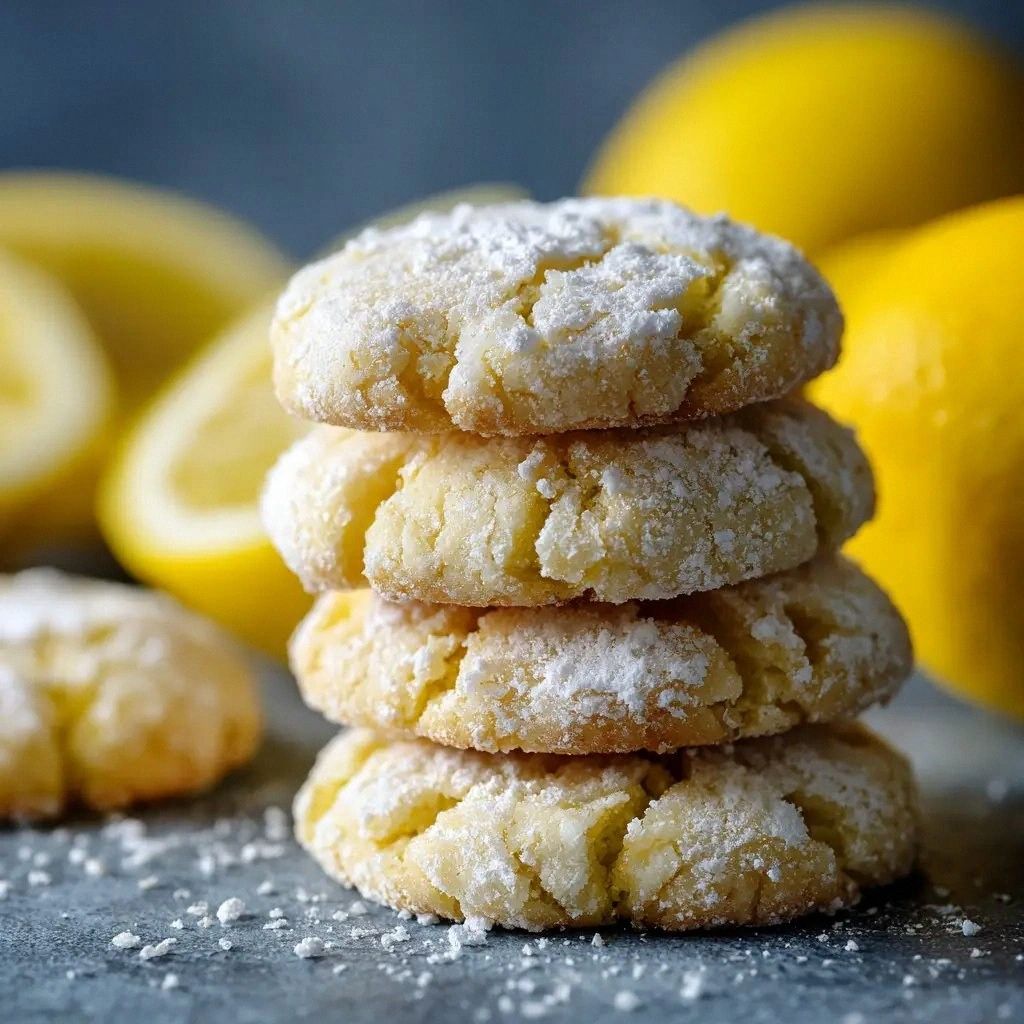
- Visual Appeal: The powdered sugar glaze gives the cookies a subtle sheen, making them look almost indulgent while still being light.
- Ease: The recipe requires only basic kitchen tools—no fancy equipment or advanced techniques, so anyone can replicate it.
- Make‑ahead: The dough can be prepared a day in advance, chilled, and baked later, saving you time during a busy week.
- Ingredient Quality: Using unsalted butter and fresh lemons ensures maximum flavor; the recipe can’t be replicated with generic substitutes.
- Versatility: The cookie’s base can be transformed into a variety of flavor twists—think orange, almond, or even a salted caramel version.
- Audience Reaction: Friends and family will swear this is the best lemon cookie they’ve ever tasted, and you’ll earn the title of “Cookie Master.”
Alright, let’s break down exactly what goes into this masterpiece…
Inside the Ingredient List
The Flavor Base
Unsalted butter, the heart of any cookie, provides richness and a buttery backbone that balances the sharpness of lemon. If you use salted butter, the final product will taste overly salty, masking the citrus notes. Swapping butter for coconut oil will give a tropical twist, but it will also alter the cookie’s structure, making it denser.
The Texture Crew
All-purpose flour and cornstarch work together to create the chewy texture that defines this cookie. The flour gives body, while the cornstarch softens the crumb, preventing the cookie from becoming too crumbly. If you omit cornstarch, the cookies will be firmer and may crack more easily during baking.
The Unexpected Star
Lemon zest is the secret weapon that delivers a punch of citrus aroma without the acidity that lemon juice brings. Freshly grated zest contains essential oils that give the cookie a bright, aromatic finish. If you don’t have fresh lemons, a small amount of dried lemon peel can work, but it won’t have the same fresh lift.
The Final Flourish
Powdered sugar is not just for sweetness; it also coats the dough, creating a subtle glaze that glistens when baked. The sugar’s fine texture melts quickly, giving the cookie a silky finish. If you replace it with brown sugar, the cookie will take on a deeper molasses flavor that may overpower the lemon.
Everything’s prepped? Good. Let’s get into the real action…
The Method — Step by Step
- Preheat your oven to 350°F (175°C) and line two baking sheets with parchment paper. This prevents sticking and gives the cookies a uniform rise. Keep the oven rack in the middle so heat circulates evenly, and place a cooling rack on top of the sheets to keep the cookies from getting soggy on the bottom.
- In a large mixing bowl, beat 1 cup of unsalted butter with 1 1/4 cups of granulated sugar until light and fluffy. This should take about 3 minutes with an electric mixer on medium speed. The butter must be at room temperature; otherwise, it won’t incorporate air properly, leading to a denser cookie.
- Add 1 large egg, 1 teaspoon of vanilla extract, 2 tablespoons of fresh lemon juice, and 1 tablespoon of lemon zest to the creamed butter. Mix until the mixture is smooth and the ingredients are fully incorporated. The egg adds structure, while the lemon juice and zest infuse the dough with that bright citrus punch.
- In a separate bowl, whisk together 2 1/2 cups of all-purpose flour, 2 tablespoons of cornstarch, 1 teaspoon of baking soda, and 1/2 teaspoon of salt. Sifting the dry ingredients helps prevent lumps and ensures an even distribution of leavening agents.
- Gradually fold the dry mixture into the wet mixture, stirring gently until the dough comes together. Avoid overmixing, as this can develop gluten and make the cookies tough. The dough should be soft but not sticky; if it’s too wet, add a tablespoon of flour.
- Gently fold in 1/4 cup of powdered sugar, which will give the dough a slight glaze and help keep the cookies from drying out. The powdered sugar also contributes to a delicate crumb that feels almost buttery in the mouth.
- Cover the dough with plastic wrap and refrigerate for at least 30 minutes. Chilling the dough allows the flavors to meld and the fat to firm up, which helps the cookies maintain their shape during baking.
- When ready to bake, scoop tablespoon-sized balls of dough onto the prepared baking sheets, spacing them about 2 inches apart. Flatten each ball slightly with the palm of your hand; the cookies will spread a little during baking, so don’t over‑flatten.
- Bake for 12–14 minutes, or until the edges are golden brown and the centers still look slightly pale. The cookies should still feel soft when you press them lightly with a finger; they’ll firm up as they cool. Let them cool on the sheet for 5 minutes before transferring to a wire rack to finish cooling.
That’s it — you did it. But hold on, I’ve got a few more tricks that will take this to another level…
Insider Tricks for Flawless Results
The Temperature Rule Nobody Follows
Many bakers bake at a higher temperature to get a crisp edge, but for this cookie, the secret is a steady 350°F. Baking at a lower temperature allows the butter to melt evenly, creating a tender crumb. If you’re using a convection oven, reduce the temperature by 25°F to avoid over‑browning.
Why Your Nose Knows Best
The aroma that wafts from the oven is a reliable indicator of doneness. When the cookies start to emit a sweet, buttery scent with a hint of lemon, they’re ready to come out. Trusting your nose can save you from overbaking.
The 5-Minute Rest That Changes Everything
After baking, let the cookies rest on the sheet for exactly five minutes. This short pause allows the structure to set, making them easier to transfer to a wire rack without breaking. I’ve seen cookies crumble if you move them too soon.
Use a Light Hand When Scooping
Using a small cookie scoop or a spoon, gather the dough into balls. Press the scoop gently to flatten the dough slightly, but avoid packing it too hard. Over‑compressed dough tends to spread too much, leading to thin, fragile cookies.
Don’t Skimp on the Zest
Fresh lemon zest contains the essential oils that give the cookies their bright flavor. If you’re short on zest, use a microplane or a fine grater; a small amount can go a long way. Skipping it will leave the cookies lacking that zing.
Keep the Dough Cold Until Baking
Refrigerating the dough for at least an hour before baking helps the butter set, preventing the cookies from spreading too much. If you’re baking a large batch, consider chilling the dough overnight for maximum flavor development.
Creative Twists and Variations
This recipe is a playground. Here are some of my favorite ways to switch things up:
Orange Zest Delight
Swap the lemon zest for orange zest and reduce the lemon juice to 1 tablespoon. The result is a citrusy cookie with a sweeter, more floral profile that pairs wonderfully with a glass of sparkling wine.
Almond Crunch
Add 1/4 cup of finely ground almonds to the dough and sprinkle a few whole almonds on top before baking. The nutty crunch contrasts with the chewy texture, creating a delightful mouthfeel.
Salted Caramel Twist
Fold in 2 tablespoons of caramel sauce and sprinkle sea salt on top after baking. The caramel adds a sweet, buttery depth, while the salt enhances the lemon’s brightness.
Chocolate Chip Surprise
Stir in 1/2 cup of dark chocolate chips into the dough. The chocolate melts slightly, giving pockets of rich flavor that complement the lemon.
Raspberry Lemon Fusion
Add 1/4 cup of fresh raspberries to the dough and a splash of raspberry liqueur. The berries provide a tart counterpoint to the lemon, making the cookies perfect for a springtime brunch.
Herbal Infusion
Incorporate a teaspoon of dried thyme or basil into the dough. The herb adds an unexpected savory note that pairs beautifully with the citrus.
Storing and Bringing It Back to Life
Fridge Storage
Store cookies in an airtight container at room temperature for up to 5 days. If you prefer a softer texture, keep them in the fridge; the butter will firm up, giving the cookies a firmer bite.
Freezer Friendly
Place the baked cookies on a parchment-lined tray, freeze until solid, then transfer to a freezer bag. They’ll keep for up to 3 months. When ready to eat, let them thaw at room temperature for 15 minutes.
Best Reheating Method
To revive frozen cookies, preheat your oven to 300°F (150°C) and bake for 5–7 minutes. Add a tiny splash of water to the baking sheet to create steam; this steams the cookies back to perfection, restoring the chewy center.