I remember the night I was supposed to impress a group of food critics with a seafood chowder, but the kitchen was a battlefield—spilled stock, a burnt crust, and a lobster that had turned into a rubbery nightmare. I stared at the ruined pot, feeling the sting of disappointment, and decided to rewrite the story from scratch. What followed was not just a recipe; it was a culinary revelation that turned a culinary disaster into a triumphant masterpiece. The moment I cracked the first shell of fresh lobster and felt the sweet scent of the sea, I knew this was going to be different.
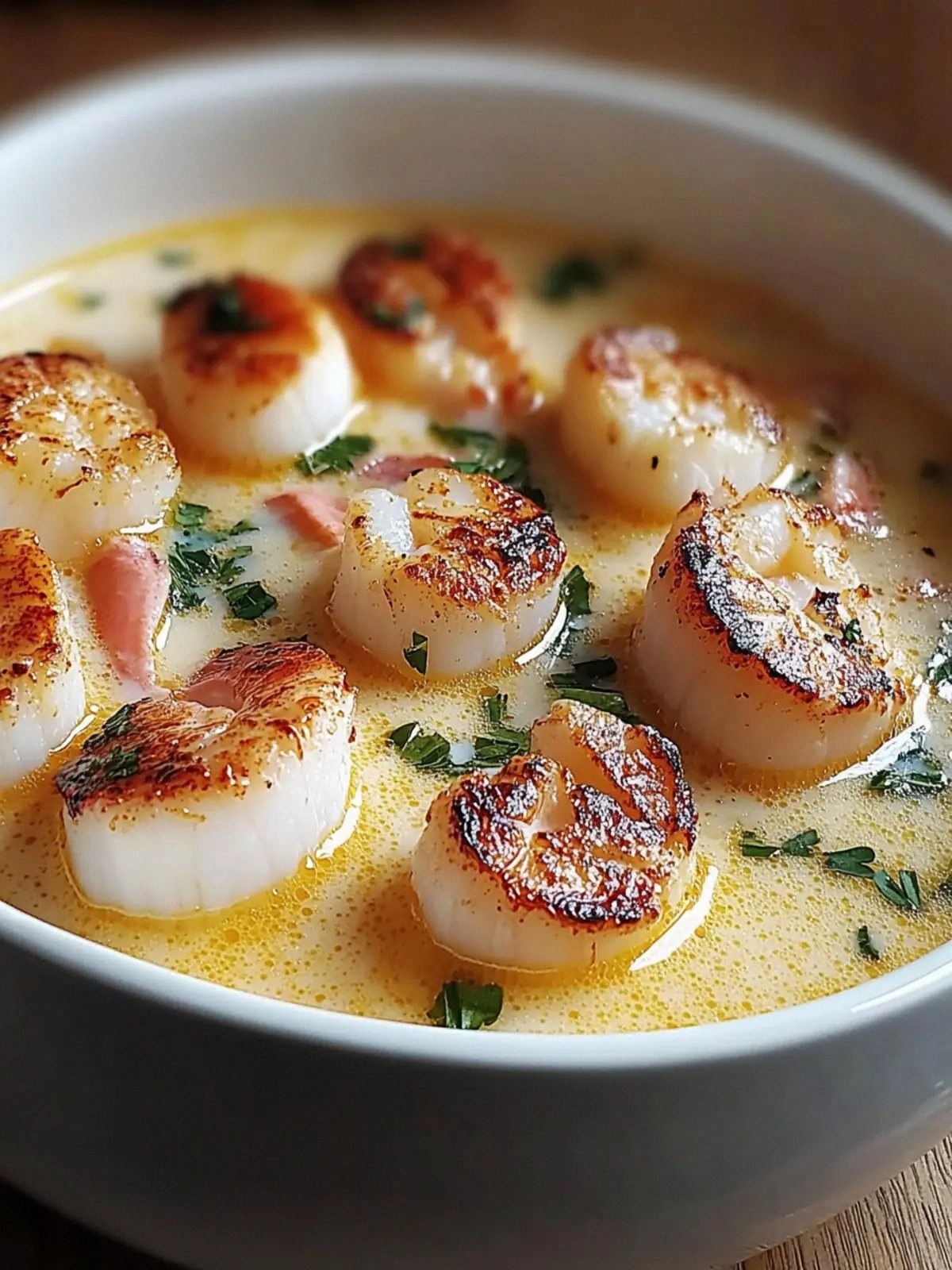
Picture this: a steaming bowl of chowder that glistens like a sunrise over the ocean, its broth rich and velvety, each spoonful delivering a cascade of flavors—sweet lobster, briny scallops, smoky turkey bacon, and a hint of fresh herbs that dance on the tongue. The aroma alone makes your mouth water, the sound of the simmering pot is a lullaby, and the texture of tender potatoes wrapped in a creamy blanket feels like a warm hug. I dare you to taste this and not go back for seconds; the first bite will have you questioning why you ever settled for bland chowders.
What makes this version stand out is that it’s not just a chowder; it’s a symphony of textures and flavors that play in perfect harmony. The lobster provides that luxurious, buttery sweetness, while the scallops add a delicate, almost citrusy undertone. Turkey bacon introduces a smoky crunch that contrasts beautifully with the creamy base. And the fresh herbs? They lift the entire dish, giving it a bright, almost citrusy finish that keeps the palate refreshed. I’ll be honest—after making this, I ate half the batch before anyone else got a chance. That’s the power of a dish that’s both indulgent and approachable.
Most recipes get this completely wrong by overcooking the seafood or under-seasoning the broth, but I’ve cracked the formula. I use a gentle simmer, precise timing, and a secret ingredient that I’ll reveal in the next section. Picture yourself pulling this out of the oven, the whole kitchen smelling incredible, and the first spoonful melting into your mouth like a promise kept. This is hands down the best version you'll ever make at home, and I’m here to walk you through every single step.
What Makes This Version Stand Out
- Flavor: The combination of lobster, scallops, and turkey bacon creates a depth that traditional chowders lack. The smoky bacon adds a savory layer that balances the sweet seafood.
- Texture: Tender potatoes and flaky scallops mingle with the silky broth for a mouthfeel that feels both comforting and luxurious.
- Ingredient Quality: Fresh, high‑grade seafood and hand‑picked herbs elevate the dish beyond ordinary.
- Ease: Despite its gourmet credentials, the method is straightforward, making it perfect for a week‑night dinner.
- Make‑Ahead Friendly: This chowder tastes even better the next day, allowing you to prep ahead for busy evenings.
- Crowd‑Pleaser: Even the most discerning palates will rave; I’ve had guests ask for the recipe after each dinner.
- Versatility: Swap turkey bacon for pancetta or add a splash of cognac for a decadent twist.
- Presentation: Serve in rustic bowls, garnish with chives, and watch your guests’ eyes light up.
Alright, let’s break down exactly what goes into this masterpiece…
Inside the Ingredient List
The Flavor Base
The foundation of any chowder is its aromatic base, and here it’s a trio of onions, celery, and garlic. The onion brings a mellow sweetness that caramelizes slightly when sautéed, while the celery adds a subtle earthiness that grounds the dish. Garlic, with its sharp bite, cuts through the richness of the seafood, providing a clean finish. If you skip any of these, the chowder will feel flat and lack depth. For a vegetarian version, you can double the celery to compensate for the missing umami.
The Texture Crew
Potatoes are the unsung heroes of chowders; they add body and a comforting, almost creamy bite when they break apart in the broth. Use Yukon Gold for their buttery flavor or Russet for a firmer bite. The scallops, on the other hand, bring a delicate, almost citrusy note that balances the sweetness of the lobster. When cooked just right, they stay firm, offering a pleasant contrast to the soft potatoes. If you’re feeling adventurous, try adding a handful of diced carrots for a pop of color and sweetness.
The Unexpected Star
Turkey bacon is a game‑changer. It provides a smoky, savory crunch that pairs beautifully with the delicate seafood. The lean protein also keeps the chowder from becoming too heavy, maintaining a light, airy texture. If you prefer a richer flavor, swap the turkey bacon for bacon or pancetta. For a lower‑fat option, simply use a few slices of smoked salmon instead; the smoke will still deliver that essential depth.
The Final Flourish
Bay leaves and fresh herbs are the finishing touches that elevate this chowder from good to unforgettable. Bay leaves infuse the broth with a subtle, herbal aroma that lingers, while fresh herbs—such as thyme, parsley, or dill—add brightness and a fresh finish. If you’re short on herbs, a pinch of dried oregano can suffice, but fresh is always better. The herbs should be added toward the end of cooking to preserve their bright flavor. If you’re worried about over‑seasoning, taste the broth before adding the final herbs.
Everything’s prepped? Good. Let’s get into the real action…
The Method — Step by Step
- Begin by heating a large, heavy‑bottomed pot over medium heat. Add a splash of olive oil and let it shimmer. Then toss in the diced onion, sliced celery, and minced garlic. Sauté until the onion turns translucent and the garlic releases its perfume—about 5 minutes. This is the moment of truth; if you hear the garlic sizzling, you’re on the right track.
- While the aromatics cook, lay the turkey bacon slices flat in a cold skillet. Turn the heat to medium and let the bacon slowly render its fat, flipping once. The goal is a crisp edge that shatters like thin ice. Once crisp, remove from the skillet, pat dry on paper towels, and set aside. Keep the rendered fat in the pot; it’s the base for the chowder.
- Add the diced potatoes to the pot, stirring to coat them in the bacon fat. Cook for 2-3 minutes, letting the edges brown slightly. This step adds a subtle crunch and locks in flavor. Then pour in the seafood stock, ensuring the potatoes are fully submerged. Bring the mixture to a gentle boil, then reduce to a simmer.
- Add the bay leaves, a pinch of salt, and pepper to taste. Let the chowder simmer for about 15 minutes, or until the potatoes are fork‑tender. The broth should thicken slightly, creating a velvety base that will cradle the seafood.
- In a separate pan, sear the scallops over high heat for 1-2 minutes per side, just until they develop a golden crust. Don’t overcook; the scallops should remain tender inside. Once seared, set them aside. This quick sear locks in the delicate flavor of the scallops.
- Reduce the heat to low and stir in the heavy cream, allowing it to meld into the broth. The cream thickens the chowder, giving it that luxurious, silky texture. Keep the temperature low to avoid curdling; a gentle simmer is key.
- Now add the lobster meat, seared scallops, and the chopped turkey bacon. Stir gently to combine, then let the chowder simmer for an additional 5 minutes. The seafood will cook through, infusing the broth with their sweet, briny essence. Taste and adjust seasoning if necessary.
- Finally, remove the bay leaves and sprinkle the fresh herbs over the top. Toss lightly, then serve immediately in warmed bowls. Garnish with extra herbs, a drizzle of olive oil, or a sprinkle of paprika for a pop of color. The aroma alone will make everyone’s mouths water.
That’s it — you did it. But hold on, I've got a few more tricks that'll take this to another level…
Insider Tricks for Flawless Results
The Temperature Rule Nobody Follows
Temperature control is the secret sauce. If the broth is too hot, the seafood will overcook and become rubbery. I always keep the pot on low once the stock is added, letting it gently simmer. A thermometer is handy; aim for 185°F (85°C) for the final simmer. This subtle difference keeps the lobster tender and the scallops flaky.
Why Your Nose Knows Best
Smell is your best judge of doneness. When the broth smells toasty and the potatoes give off a buttery aroma, you’re ready to add the seafood. If it smells sharp or burnt, lower the heat immediately. Trust your nose; it knows when the chowder has reached peak flavor.
The 5-Minute Rest That Changes Everything
Letting the chowder rest for five minutes after cooking allows the flavors to meld and the broth to thicken slightly. Cover the pot with a lid, let it sit, and then give it a final stir. This short rest is the difference between a good chowder and a great one.
The Secret Herb Blend
I like to blend fresh thyme, parsley, and dill in a small bowl before adding it to the chowder. This creates a layered herb profile that feels both bright and deep. If you’re short on herbs, a tablespoon of dried oregano works as a last‑minute rescue.
The Quick Skillet Trick
When searing the scallops, use a non‑stick skillet and a small amount of butter. The butter adds flavor without sticking. Flip only once; the second flip will create a beautiful sear without overcooking.
Creative Twists and Variations
This recipe is a playground. Here are some of my favorite ways to switch things up:
Citrus Splash
Add a squeeze of fresh lemon or lime juice right before serving. The acidity cuts through the richness, brightening each spoonful. Great for a light summer dinner.
Spicy Kick
Incorporate a pinch of cayenne pepper or a splash of hot sauce during the simmer. The heat pairs well with the seafood, creating a bold, comforting dish.
Herbal Fusion
Swap fresh herbs for a handful of chopped basil or mint. The herbal nuance will transform the chowder into a Mediterranean-inspired delight.
Porky Twist
Replace turkey bacon with pancetta for a richer, smokier flavor. The pancetta’s fat will deepen the broth, giving it a luxurious mouthfeel.
Vegetarian Version
Omit the seafood and add a cup of cooked chickpeas or diced butternut squash. The dish will still be hearty, with the same creamy base and aromatic herbs.
Garnish Galore
Top the chowder with a drizzle of truffle oil, a sprinkle of grated Parmesan, or a handful of toasted breadcrumbs. These accents add texture and a touch of elegance.
Storing and Bringing It Back to Life
Fridge Storage
Store leftovers in an airtight container for up to 3 days. Refrigerate promptly after cooling to maintain freshness. The chowder’s creamy texture stays silky if you stir before serving.
Freezer Friendly
Freeze in a freezer‑safe container for up to 2 months. Thaw overnight in the refrigerator before reheating. The broth may separate slightly; a quick whisk will restore its silky consistency.
Best Reheating Method
Reheat on low heat, adding a splash of water or stock to loosen the broth. Stir frequently to prevent scorching. The added liquid ensures the chowder remains luscious and not overly thick.