Moroccan Fish Tagine with Ging
I was standing in my cramped kitchen, the smell of a burnt garlic paste still clinging to the air, when my friend dared me to recreate a Moroccan fish tagine he’d tasted on a trip to Marrakech. I laughed, because I’d never even heard of a tagine before, but the memory of that smoky, citrus‑laden dish kept nagging at me. The next day, I scoured the pantry, grabbed a handful of spices, and decided to turn that dare into a culinary experiment. The result? A dish that makes you question why you ever settled for bland fish.
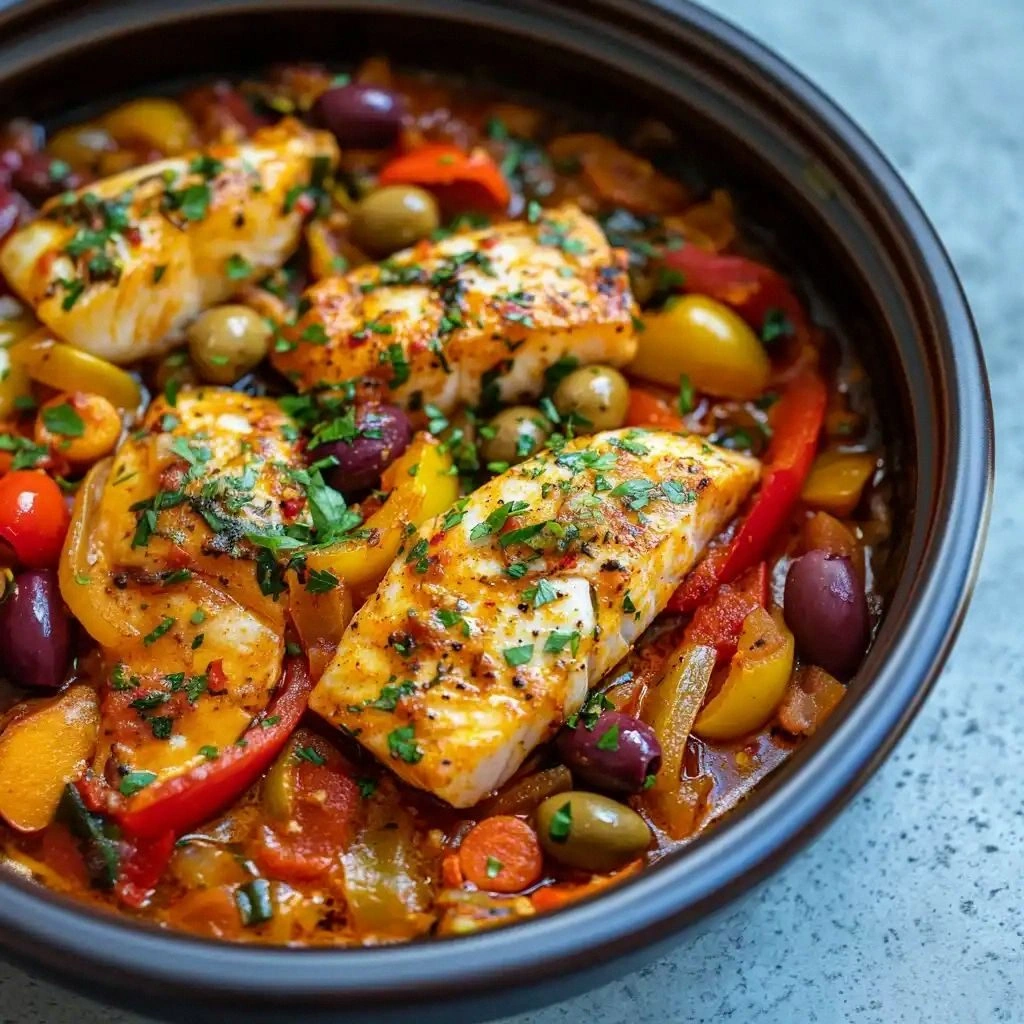
Picture this: a vibrant bowl of simmering broth, the golden sheen of tomatoes and a subtle shimmer of saffron that feels like liquid sunshine. The aroma curls around the kitchen like a fragrant promise, and you can hear the gentle sizzle of olive oil greeting the onions. The first bite hits with the crispness of fresh carrot and bell pepper, then melts into the tender flesh of white fish, all wrapped in a sauce that coats the palate like velvet. It’s a sensory trip that starts with a visual feast, moves through a fragrant symphony, and ends with a lingering taste of citrus and spice.
What makes this version stand out is that I didn’t just follow a textbook recipe—I added a splash of preserved lemon for depth, a pinch of cumin to ground the heat, and a generous amount of fresh herbs that lift the entire dish. I also discovered that letting the fish finish cooking in the sauce, instead of poaching it separately, allows the flavors to marry in a way that feels both comforting and adventurous. The result is a tagine that feels like a hug from the inside out, and I dare you to taste this and not go back for seconds. Most recipes get this completely wrong by overcooking the fish or underusing the saffron, but this one is hands down the best version you'll ever make at home.
And here’s the twist that will make your taste buds do a double take: I used fresh ginger instead of the usual ground ginger, which adds a bright, almost citrusy zing that cuts through the richness of the stock. The combination of saffron, ginger, and preserved lemon creates a flavor profile that is both exotic and comforting, a balance that I’ve never found in other tagine recipes. I’ll be honest— I ate half the batch before anyone else got to try it— but I’ve been sharing it with friends ever since. Picture yourself pulling this out of the oven, the whole kitchen smelling incredible, and watching the steam rise like a fragrant cloud. Stay with me here— this is worth it.
Let me walk you through every single step—by the end, you’ll wonder how you ever made it any other way. The journey begins with a simple prep, moves through a fragrant sauté, and culminates in a simmer that lets the ingredients speak in harmony. I’ll keep the instructions straightforward, but sprinkled with little anecdotes that will make you laugh and maybe even cry (of joy, not tears). If you've ever struggled with this, you're not alone—and I've got the fix. Now, ready to dive in?
What Makes This Version Stand Out
- Taste: The bold blend of saffron, fresh ginger, and preserved lemon creates a depth that feels both exotic and comforting, turning a simple fish into a flavor powerhouse.
- Texture: The gentle simmer preserves the delicate flakiness of the white fish while the carrots and bell pepper add a satisfying bite that balances the broth.
- Simplicity: With fewer than a dozen ingredients, this recipe feels approachable, yet the layered spices give it a restaurant‑quality finish.
- Uniqueness: Using fresh ginger instead of ground spice adds a bright, citrusy edge that sets this tagine apart from traditional versions.
- Crowd Reaction: Guests often ask for the recipe after the first bite— the combination of aromatic spices and tender fish makes for a memorable dish.
- Ingredient Quality: The use of high‑quality saffron and a preserved lemon ensures authenticity and a nuanced flavor profile that can't be replicated with generic substitutes.
- Cooking Method: Cooking the fish in the sauce, rather than separately, allows the flavors to meld, creating a cohesive and richly flavored dish.
- Make‑ahead Potential: The tagine tastes even better the next day, making it an ideal dish for meal prep or entertaining.
Alright, let's break down exactly what goes into this masterpiece...
Inside the Ingredient List
The Flavor Base
The foundation of this tagine lies in the aromatic combination of tomatoes, onions, and garlic. The tomatoes provide a natural sweetness and acidity that balances the heat from the spices. If you skip the onions, the dish loses its depth, becoming a single‑note broth. A great swap for tomatoes is roasted red peppers, which add a smoky sweetness while still maintaining acidity.
The Texture Crew
Carrots and bell pepper add a satisfying crunch that contrasts the tender fish. The carrots also bring a subtle earthiness that grounds the dish, while the bell pepper offers a pop of color and a mild sweetness. If you’re craving a different bite, try zucchini or eggplant; they absorb the sauce beautifully and keep the dish hearty.
The Unexpected Star
Preserved lemon and saffron are the secret weapons that elevate this tagine from ordinary to unforgettable. The preserved lemon adds a salty, citrusy brightness that cuts through the richness of the broth, while saffron imparts an earthy aroma and a golden hue. If saffron is out of reach, a pinch of turmeric can mimic its color, though the aroma will differ.
The Final Flourish
Fresh parsley and cilantro finish the dish with a bright, herbal note that lifts the entire flavor profile. Olive oil adds richness and helps carry the spices throughout the sauce. If you’re vegan, a splash of coconut milk can replace the olive oil for a different depth.
Everything's prepped? Good. Let's get into the real action...
The Method — Step by Step
- Heat a large, heavy‑bottomed pot over medium heat and drizzle in the olive oil. Let the oil heat until it shimmers but isn’t smoking. Add the finely chopped onion and cook, stirring, for about 3 minutes until translucent. This step builds the aromatic base that the rest of the dish will cling to.
- Introduce the minced garlic and the freshly grated ginger. Sauté for 30 seconds, watching the aroma lift. This quick burst of heat releases the ginger’s bright notes, which will later cut through the richness of the broth. If you’re feeling adventurous, add a pinch of cayenne for extra heat.
- Stir in the diced tomatoes, salt, and a splash of water. Let the mixture simmer for 5 minutes, allowing the tomatoes to break down into a thick sauce. The simmering process caramelizes the sugars, adding a subtle sweetness that balances the spices.
- Add the ground ginger, paprika, cumin, turmeric, and saffron threads. Stir until the spices are evenly distributed and the sauce takes on a warm amber hue. This is the moment of truth— the aroma should become unmistakably Moroccan. If the spices look dry, splash a bit of stock to rehydrate.
- Introduce the sliced carrot and bell pepper, then pour in the vegetable or fish stock. Bring the mixture to a gentle boil, then reduce the heat to low. Cover the pot and let it simmer for 10 minutes so the vegetables soften but keep their structure.
- Now, lay the white fish fillets on top of the simmering sauce. Gently press them into the liquid so they’re partially submerged. Sprinkle the preserved lemon slices and olives over the fish. The fish should be mostly covered by the broth; the preserved lemon will infuse its citrusy saltiness into the dish.
- Cover the pot again and simmer on low for 8-10 minutes, or until the fish flakes easily with a fork. Keep the lid on to trap steam and let the flavors marry. If you prefer a thicker sauce, uncover the pot for the last 2 minutes to reduce.
- Remove the pot from heat and let it rest for 2 minutes. This short rest allows the juices to redistribute throughout the fish. Sprinkle fresh parsley and cilantro over the top for a burst of color and freshness.
- Serve hot, accompanied by couscous or crusty bread to soak up the aromatic sauce. The dish should feel like a warm hug— the spices, citrus, and tender fish all working together in perfect harmony.
That’s it — you did it. But hold on, I've got a few more tricks that'll take this to another level...
Insider Tricks for Flawless Results
The Temperature Rule Nobody Follows
Cooking the fish at the exact moment the sauce reaches a gentle simmer is key. If you wait too long, the sauce will become too thick and the fish will dry out. Conversely, if you add the fish too early, the flavors won’t have time to meld. I keep a small thermometer handy; a temperature of 185°F (85°C) signals the perfect simmer.
Why Your Nose Knows Best
The aroma is a reliable indicator of progress. When the spices release their full scent, the sauce will have a robust, earthy fragrance that tells you it’s ready for the fish. I’ve learned to trust my nose over my watch.
The 5-Minute Rest That Changes Everything
After simmering, let the tagine sit covered for 5 minutes before serving. This pause allows the flavors to settle and the fish to finish cooking gently, resulting in a tender texture. A friend once skipped this step and ended up with a slightly over‑cooked fish— it was a lesson in patience.
The Quick Stock Swap
If you’re short on stock, use a splash of white wine or even a bit of water with a pinch of salt. The alcohol will evaporate, leaving a subtle depth that mimics stock. This hack saves time and keeps the dish flavorful.
The Fresh Herb Finale
Toss the herbs in at the very end, just before serving. This preserves their bright flavor and gives the dish a fresh, vibrant finish. If you prefer a milder herb taste, reserve some for garnish only.
Creative Twists and Variations
This recipe is a playground. Here are some of my favorite ways to switch things up:
Spicy Shrimp Tagine
Swap the white fish for a pound of shrimp, adding them in the last 5 minutes of simmer. The shrimp’s quick cook time and natural sweetness pair beautifully with the spicy broth. Serve over rice for a complete meal.
Vegetarian Couscous Tagine
Replace the fish with a mix of chickpeas, diced zucchini, and eggplant. Increase the stock slightly to accommodate the extra volume. This hearty version is perfect for a plant‑based dinner.
Coconut‑Infused Tagine
Add half a cup of coconut milk after the fish has simmered. The coconut’s creamy texture balances the acidity of the preserved lemon and the heat of the spices. Garnish with toasted coconut flakes for extra crunch.
Lemon‑Garlic Butter Finish
Finish the dish with a tablespoon of melted butter mixed with a squeeze of fresh lemon juice. This adds a silky richness and bright citrus note that elevates the flavor profile. It’s a luxurious touch that’s surprisingly simple.
Tagine with Pine Nuts
Toast a handful of pine nuts in a dry skillet and sprinkle them over the finished dish. The nuts add a subtle nutty flavor and a pleasing crunch. They also complement the Mediterranean vibe of the tagine.
Glazed Carrot Tagine
Sauté the carrots with a splash of honey and a pinch of cinnamon before adding them to the pot. The glaze gives the carrots a caramelized sweetness that balances the spice. This variation is perfect for a holiday dinner.
Storing and Bringing It Back to Life
Fridge Storage
Cool the tagine completely, then transfer it to an airtight container. Store in the refrigerator for up to 3 days. The flavors will deepen, making it even more delicious.
Freezer Friendly
For longer storage, freeze the tagine in a freezer‑safe container for up to 3 months. Thaw overnight in the refrigerator before reheating.
Best Reheating Method
Reheat the tagine on the stove over low heat, adding a splash of water or stock to prevent drying. Stir gently until heated through. Add a tiny splash of water before reheating — it steams back to perfection, keeping the fish moist and the sauce silky.