Love this? Pin it for later! 📌
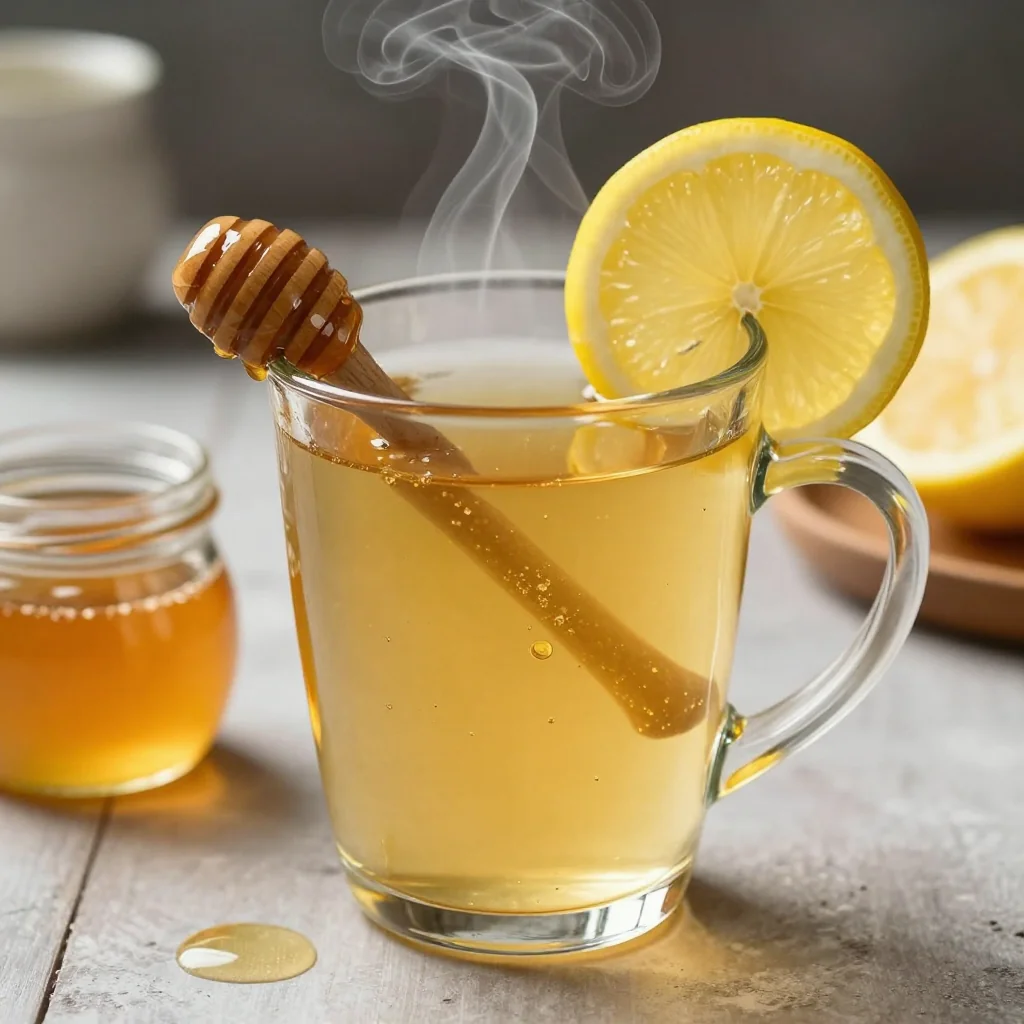
I still remember the first January 1st when my grandmother handed me a steaming mug of pale gold liquid before the sun had even stretched its fingers across the frosted kitchen window. “First thing you drink this year sets the tone,” she whispered, as though the universe were listening through the cracks in the old farmhouse walls. That humble blend—warm water, a bright squeeze of lemon, and a lazy ribbon of raw honey—tasted like forgiveness for last night’s revelry and a gentle promise that I could begin again. Fifteen years later, I still rise before the confetti is fully swept away, put the kettle on, and cradle that same ceramic mug etched with tiny hairline cracks like my own personal map of time. Somewhere between the first citrus-scented sip and the last amber-flecked swallow, the new year feels less like an intimidating blank page and more like a well-loved book whose next chapter I can’t wait to read. If you’re looking for a ritual that costs pennies, takes minutes, and gifts you a moment of quiet intention, this New Year’s Day Warm Water with Lemon and Honey is waiting for you.
Why This Recipe Works
- Gentle Wake-Up Call: Warm water coaxes your digestive system awake without the jarring acidity of ice-cold liquids.
- Immune Support: Lemon adds vitamin C and plant compounds that may help your body fend off winter sniffles.
- Balanced Sweetness: Raw honey delivers trace enzymes and a mellow sweetness that keeps blood-sugar spikes gentler than refined sugar.
- Hydration Multiplier: The mild flavor encourages you to drink the entire mug—and reach for a second—helping rehydrate after New Year’s Eve champagne.
- Ritual & Reflection: The two-minute preparation window invites you to breathe, set intentions, and transition gracefully from sleepyheaded to ready.
- Zero Waste: One lemon yields multiple servings; spent halves can deodorize the garbage disposal or become zest for later baking.
Ingredients You'll Need
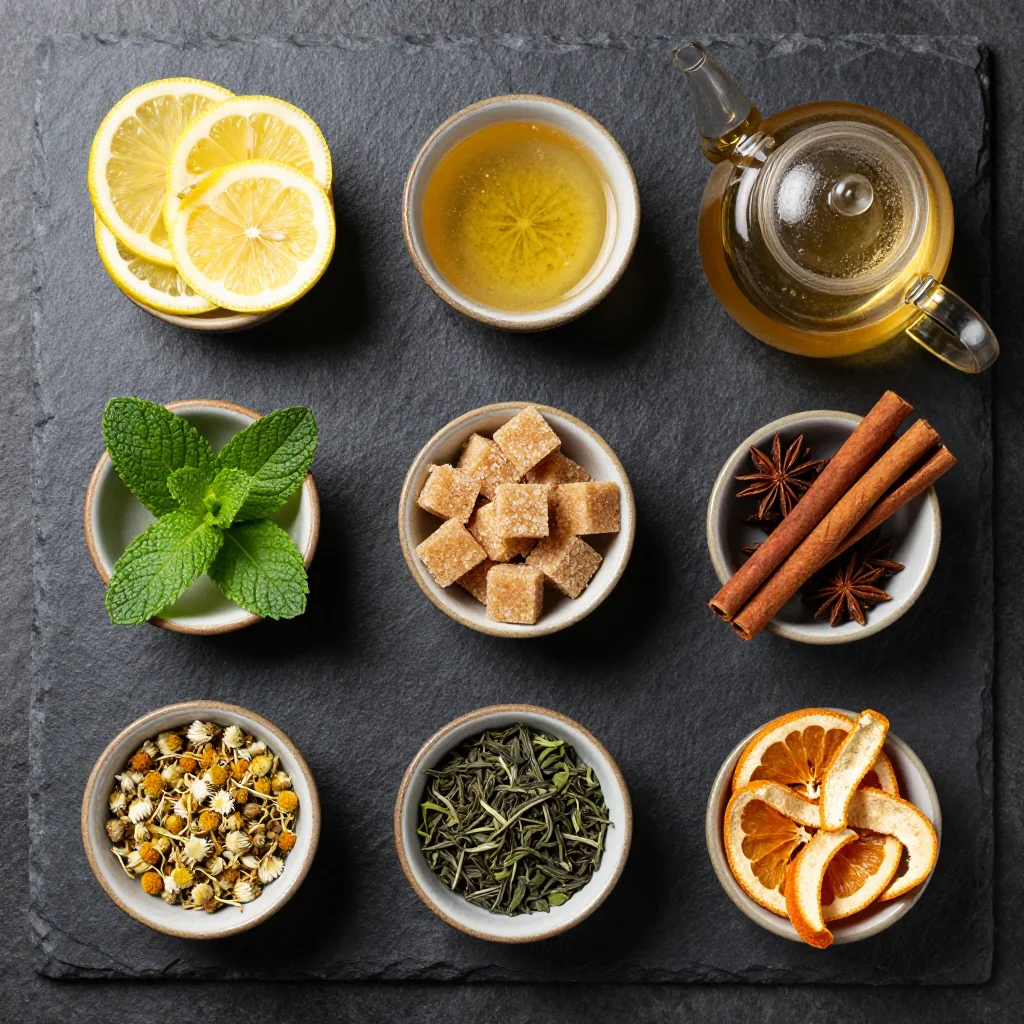
The magic of this recipe lies in the quality of its three core ingredients. Choose them thoughtfully and you’ll taste the difference in every soothing sip.
Filtered Water: Since water is the canvas, make it clean. I keep a countertop filter pitcher that removes off-flavors but leaves beneficial minerals. Aim for 12–16 oz (350–475 ml) per mug; you’ll want enough volume to stay warm while you journal or shuffle around in slippers.
Fresh Lemon: Look for fruit with smooth, thin skin—thick pith often signals an older, dryer lemon. Organic is ideal if you plan to zest or drop the peel into your drink. Room-temperature lemons yield more juice than cold ones straight from the fridge, so set yours on the counter the night before.
Raw Honey: Skip the plastic bear and head to the farmers’ market. Raw honey hasn’t been heated past 118 °F (48 °C), so it retains pollen and enzymes that commercial ultra-filtered honeys lack. Flavor-wise, wildflower honeys are floral and delicate, while darker buckwheat varieties bring malty depth. If honey isn’t your thing, substitute pure maple syrup for a vegan spin; you’ll gain manganese and a slightly earthy sweetness.
Optional but lovely: a pinch of flaky sea salt to sharpen flavors and add trace minerals, or a thin slice of fresh ginger for warming zip.
How to Make New Year's Day Warm Water with Lemon and Honey
Heat Your Water, Not Boil
Bring 12–16 oz (350–475 ml) of filtered water to 130-160 °F (55-70 °C). You want steamy, not roaring; boiling water can destroy honey’s beneficial enzymes and make lemon pith taste bitter. No thermometer? Let the kettle rest 60 seconds after boiling, or look for tiny bubbles forming on the bottom of the pan but not yet breaking the surface.
Choose Your Mug Wisely
A 12-oz ceramic or stoneware mug retains heat without leaching chemicals. Rinse the mug with hot tap water first to pre-warm it so your drink stays cozy longer.
Roll & Juice the Lemon
Place the lemon on the counter and press down firmly with your palm while rolling it back and forth for 10 seconds. This bursts the juice sacs inside. Cut in half and squeeze through a small fine-mesh strainer directly over the mug; you’ll catch most seeds but allow fragrant oils from the peel to drizzle in. Aim for 1 tablespoon (15 ml) juice for a gentle brightness, up to 2 tablespoons (30 ml) if you love zing.
Add Honey While Water is Warm
Measure 1 teaspoon to 1 tablespoon (5–20 g) raw honey depending on your sweetness preference. Warm water helps it dissolve, but if you waited too long and the water cooled, swirl in a teaspoon of very hot tap water first to loosen the honey before combining.
Stir Gently & Sip Mindfully
Use a wooden or ceramic spoon—metal can create a faint tang when it contacts lemon. Stir clockwise (grandma’s tradition for “drawing in” good luck), inhale the citrus-honey aroma, and take a slow, deliberate sip. Hold the liquid on your tongue for a second before swallowing; you’ll notice layers of flavor from bright acid to floral sweetness.
Optional Enhancements
Drop in a ¼-inch slice of peeled ginger for heat, or add a pinch of Ceylon cinnamon for subtle warmth and blood-sugar support. If you’re feeling fancy, float a single edible flower petal on top—violets or pansies are delicate and symbolize thoughtful reflection.
Expert Tips
Temperature Sweet Spot
Honey remains enzymatically active below 110 °F (43 °C). If you accidentally boiled your water, let it cool five minutes before pouring to safeguard those nutrients.
Batch Prep for Guests
Warm a small thermos with hot tap water for 2 minutes, discard, then fill with your perfect 140 °F brew. It stays at ideal sipping temperature for 45 minutes while you greet visitors.
Lemon Economy
After juicing, freeze spent halves in a freezer bag. On cleaning day, pop one into the garbage disposal with cold water for a natural deodorizer.
Salt Balance
A pinch of flaky sea salt amplifies sweetness and replaces trace minerals lost during last night’s festivities. Use sparingly—just a two-finger pinch per mug.
Morning Journaling Pairing
Keep a pen and notebook beside your mug. After the first three sips, jot down one thing you’re releasing and one thing you’re welcoming. The ritual anchors intention into action.
Travel-Friendly Hack
Pack a small honey stick and a travel lemon packet (½ tsp dehydrated juice). Most hotel rooms have an electric kettle, so you can maintain the tradition anywhere in the world.
Variations to Try
-
Winter Spice: Add 1 clove, a strip of orange peel, and a cinnamon stick to the warming water; let steep 2 minutes before adding lemon and honey.
-
Calming Lavender: Whisk in ⅛ teaspoon food-grade dried lavender buds; strain before drinking for a subtle floral note that pairs beautifully with reflective journaling.
-
Metabolic Boost: Stir in a pinch of cayenne and ½ teaspoon grated fresh turmeric. The capsaicin and curcumin team up for gentle thermogenic support.
-
Green Tea Fusion: Steep a green-tea bag in the hot water for 60 seconds, discard, then proceed with lemon and honey for an extra antioxidant punch.
Storage Tips
Because this drink contains fresh lemon juice and active enzymes from raw honey, it’s best enjoyed immediately. If you must prep ahead for a brunch crowd, combine the water and honey in an insulated carafe; guests can add fresh lemon at serving. Leftover honey-lemon water can be cooled to room temperature, transferred to an airtight jar, and refrigerated up to 24 hours. Reheat gently to no more than 110 °F (43 °C) before sipping, but note that the bright citrus aroma will have mellowed. Do not freeze; ice crystals break down delicate honey proteins and may turn the mixture cloudy.
Frequently Asked Questions
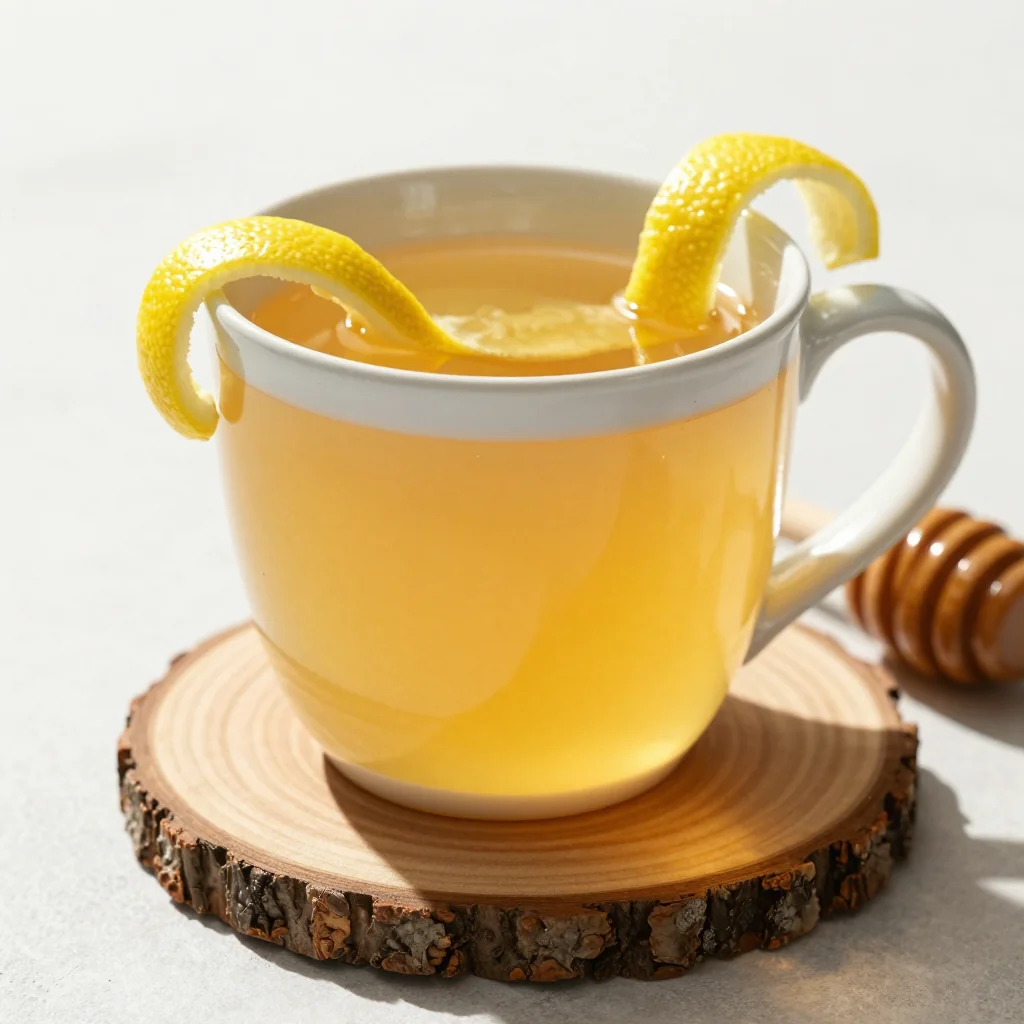
New Year's Day Warm Water with Lemon and Honey
Ingredients
Instructions
- Heat Water: Warm water to 130-160 °F (55-70 °C)—steaming but not boiling.
- Prep Mug: Rinse your 12-oz ceramic mug with hot tap water to pre-warm, then empty.
- Juice Lemon: Roll lemon half on counter, cut, and squeeze through strainer into mug (1 Tbsp juice).
- Add Honey: Spoon in honey while water is warm; stir until dissolved.
- Finish & Sip: Top with hot water, stir clockwise, inhale aroma, and sip mindfully.
Recipe Notes
Water hotter than 170 °F can dull honey’s enzymes and make lemon taste bitter. If you boiled the kettle, let it rest 60 seconds before pouring.