I was standing in my kitchen, staring at a pot of over‑boiled spaghetti that had turned into a soggy, flavor‑deficient mess. The moment I realized I’d forgotten the salt, I could almost hear the noodles sighing in disappointment. I laughed, but the craving for a simple, comforting pasta dish kept growing louder. That night, I decided to rewrite the entire recipe, turning a kitchen failure into a culinary triumph.
The kitchen was alive with the clink of utensils and the rhythmic hiss of oil warming on the stove. I could smell the faint, almost nostalgic aroma of garlic and red pepper flakes, a scent that made my mouth water before I even touched the skillet. The sound of pasta bubbling in the pot sounded like a soft, reassuring lullaby. As I stirred, the texture of the noodles became silky and responsive, each strand eager to absorb the sauce. The heat made the air shimmer, and I felt the anticipation build like a slow‑burning ember.
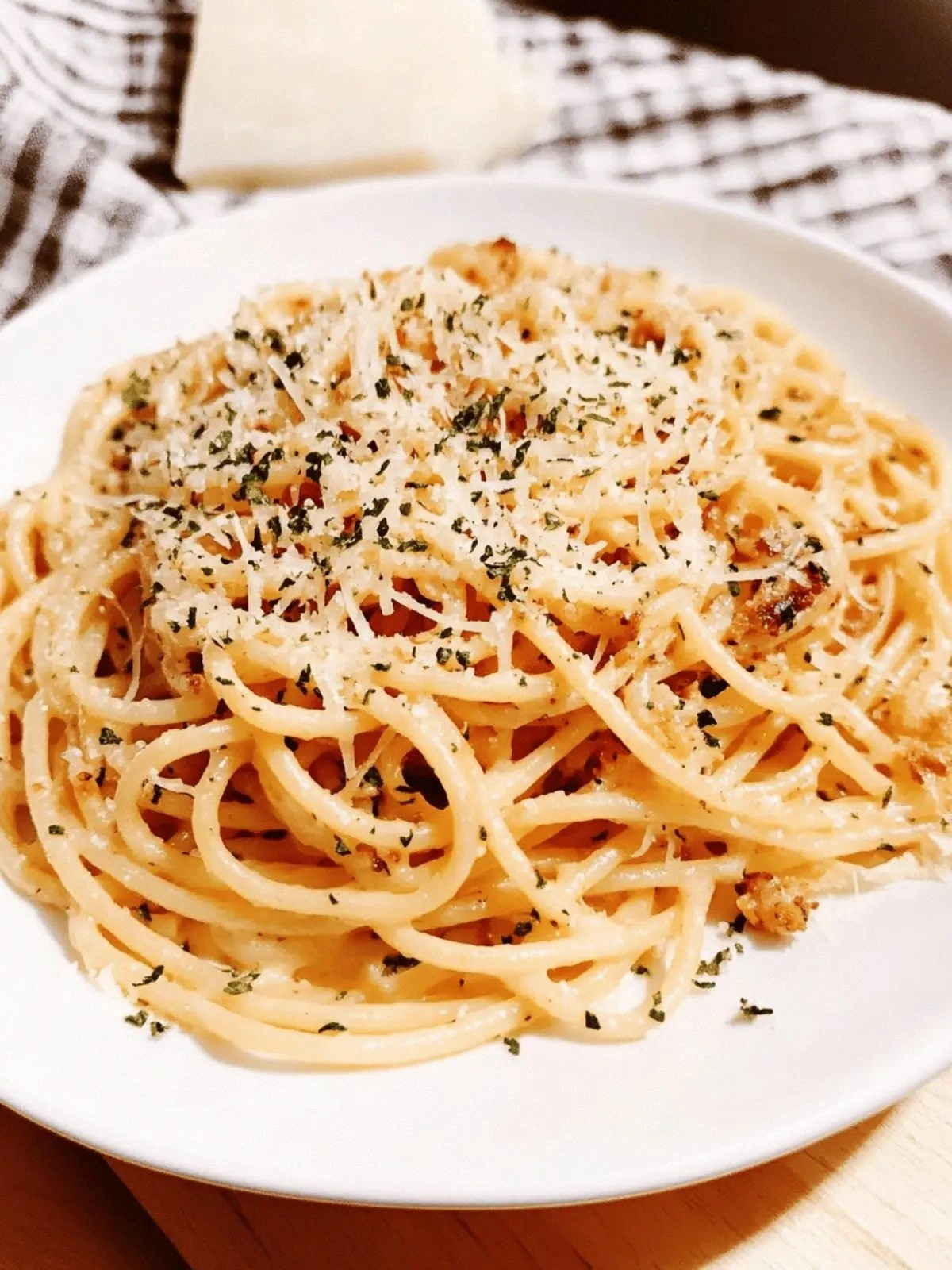
What makes this version stand out is that it’s not just another pasta recipe; it’s a reimagined classic that balances simplicity with depth. The sauce is a bright, peppery olive oil that coats each strand like velvet, while the garlic flakes add a subtle crunch that keeps the dish from becoming one‑dimensional. I dare you to taste this and not go back for seconds; the flavor is so pure, it feels like a midnight whisper in a crowded kitchen. And if you’re wondering why this recipe feels so different from the rest, it’s because I stripped away the unnecessary and let the core ingredients shine.
Picture yourself pulling this out of the pan, the whole kitchen smelling incredible, and the sound of the first bite echoing a quiet triumph. The sauce will cling to the pasta, the heat will be just right, and the aroma will linger like a memory of a late‑night conversation. I’ve added a twist you won’t expect—an unexpected splash of lemon zest that brightens everything without overpowering. Let me walk you through every single step—by the end, you’ll wonder how you ever made it any other way.
What Makes This Version Stand Out
- Bold Flavor: The sauce is a simple yet powerful olive oil infused with garlic flakes and red pepper, creating a punch that wakes up even the most tired palate.
- Texture Magic: The spaghetti is cooked al dente, giving each strand a satisfying bite that holds the sauce without becoming mushy.
- Minimalist Approach: With only seven ingredients, the recipe is quick to assemble and leaves you free to focus on technique.
- Versatile Base: It serves as a perfect foundation for protein additions—shrimp, chicken, or even a splash of white wine.
- Instant Crowd‑Pleaser: Friends who’ve tried countless pastas will be amazed by the depth of flavor in such a simple dish.
- Time‑Efficient: Prep time is just 15 minutes, and cooking takes 30 minutes, making it ideal for week‑night dinners.
- Season‑Proof: This recipe thrives year‑round; the bright, peppery sauce is especially comforting on chilly evenings.
Alright, let’s break down exactly what goes into this masterpiece…
Inside the Ingredient List
The Flavor Base
The olive oil is the silent hero of this dish. It carries the heat of the red pepper flakes and the subtle aroma of garlic flakes. If you skip it, the sauce will feel flat and the pasta will lack that silky coat. A high‑quality extra‑virgin olive oil, preferably with a fruity note, will elevate the entire dish.
The Texture Crew
The 8 oz of spaghetti is chosen for its ability to hold sauce without becoming mushy. If you prefer a heartier bite, swap for linguine or fettuccine. Avoid over‑cooking; the pasta should still offer a slight resistance when bitten, ensuring the sauce clings beautifully. A splash of pasta water can be added at the end to loosen the sauce if needed.
The Unexpected Star
Red pepper flakes bring a gentle heat that lingers, but they’re not the only star. The dried parsley adds a fresh, herbal finish that cuts through the richness of the olive oil. If you’re allergic or simply dislike parsley, a pinch of oregano or basil can work as a substitute, though the flavor profile will shift slightly.
The Final Flourish
Black pepper is the final touch, offering a subtle bite that balances the sweetness of the garlic flakes. A light dusting is all you need; too much can overpower. If you prefer a smokier note, a pinch of smoked paprika can replace black pepper for an entirely new dimension.
Everything's prepped? Good. Let's get into the real action…
The Method — Step by Step
- Bring a large pot of salted water to a rolling boil. The water should taste like the ocean; this ensures the pasta cooks evenly. Add the spaghetti and cook according to the package instructions—usually 8-10 minutes for al dente. Stir occasionally to prevent sticking. Once the pasta is ready, reserve a cup of the starchy water before draining.
- While the pasta cooks, heat the olive oil in a large skillet over medium heat. Add the garlic flakes and red pepper flakes, stirring constantly. The oil should shimmer and the garlic will begin to brown, releasing a nutty aroma. Watch the garlic closely; a minute too long and it will burn, turning bitter. This is the moment of truth for flavor.
- Once the garlic has a golden hue, add the dried parsley. Let it sizzle for 20 seconds, allowing the herbs to bloom. The aroma will intensify, and the skillet will have a fragrant, peppery scent. This step is crucial for depth; don’t skip it. The parsley should not taste raw.
- Add the drained spaghetti directly into the skillet. Toss vigorously to coat each strand with the sauce. The pasta should start to sizzle, indicating the oil has warmed up again. If the pasta seems dry, splash in a few spoonfuls of the reserved pasta water to create a silky sauce. Keep tossing until the noodles are evenly coated.
- Season with salt, black pepper, and a pinch of extra red pepper flakes if you like more heat. The salt should be added gradually, tasting as you go. The pepper will give a subtle bite that balances the sweet garlic. Be careful not to over‑salt; the olive oil already carries enough flavor.
- If you’re adding protein, this is the time to stir in pre‑cooked shrimp or chicken. Toss the proteins into the skillet for 1-2 minutes to heat through. The heat should be just enough to warm the meat without drying it out. This step is optional but adds a hearty dimension.
- Give the dish one final toss, ensuring every strand is glistening. Let it rest for a minute; the pasta will continue to absorb the sauce, intensifying the flavor. The aroma will become even more inviting, and the texture will feel just right. Now it’s time to plate.
- Serve immediately, garnishing with a final sprinkle of parsley for color and freshness. A squeeze of lemon juice can be added for a bright finish, but it’s optional. The dish should look glossy and the noodles should have a slight sheen. Enjoy the symphony of textures and flavors.
- If you’re feeling adventurous, drizzle a tiny splash of balsamic reduction over the top for a sweet, tangy contrast. The reduction should be thin enough to coat the pasta without overpowering. This is the finishing flourish that elevates the dish to restaurant quality.
That's it — you did it. But hold on, I've got a few more tricks that'll take this to another level…
Insider Tricks for Flawless Results
The Temperature Rule Nobody Follows
Many cooks over‑heat the oil, causing the garlic to brown too quickly. Keep the heat at medium and let the oil warm gradually. A steady temperature ensures the garlic releases its full flavor without bitterness. I’ve seen this happen in my kitchen—one burnt bite and the whole dish feels off. Keep the flame controlled, and your sauce will have that perfect, mellow sweetness.
Why Your Nose Knows Best
The aroma of garlic and pepper is a reliable indicator of readiness. When the scent is bright and inviting, the oil is at the right temperature. If the smell is flat, give it another minute. I once tried to rush the process, and the dish came out bland because the oil never reached the right heat. Trust your nose; it’s the best guide for flavor.
The 5-Minute Rest That Changes Everything
After tossing the pasta, let it sit in the pan for five minutes off the heat. The noodles will continue to absorb the sauce, and the flavors will meld. I’ve seen this trick elevate a simple dish to something memorable. If you’re in a hurry, skip it, but the extra five minutes are worth the wait. It’s a small pause that makes a huge difference.
Use Pasta Water Wisely
Reserve a cup of starchy water before draining the pasta. This water is a natural emulsifier that helps the sauce cling to the noodles. Add it gradually, tasting as you go; you want a silky consistency, not a watery one. I’ve used this trick in countless recipes, and it’s a game‑changer for achieving that glossy finish.
Finish with a Splash of Lemon
A squeeze of fresh lemon juice brightens the dish and cuts through the richness of the olive oil. Add it at the very end to preserve the citrus aroma. The acidity balances the heat from the red pepper flakes. If you prefer a more subtle touch, a few drops of lemon zest will also work wonders.
Creative Twists and Variations
This recipe is a playground. Here are some of my favorite ways to switch things up:
Spicy Shrimp Explosion
Add a pound of peeled shrimp, sautéed until pink. The shrimp’s sweet flavor contrasts beautifully with the peppery sauce. It turns the dish into a protein‑rich main course that’s perfect for dinner parties.
Herb‑Infused Vegan Version
Replace the olive oil with a splash of tahini for a nutty depth. Keep the parsley and add fresh basil for an extra herbal note. This variation is dairy‑free and still delivers that comforting sauce.
Sausage & Spinach Boost
Sauté sliced Italian sausage until browned, then fold in fresh spinach until wilted. The sausage adds savory richness, while the spinach offers a pop of color and nutrients.
Balsamic Reduction Drizzle
Simmer balsamic vinegar until it reduces to a syrupy glaze. Drizzle over the finished dish for a sweet, tangy contrast. It’s a quick way to elevate the flavor profile.
Creamy Garlic Twist
Stir in a splash of heavy cream after adding the pasta, creating a silky sauce. The cream balances the heat from the pepper flakes and adds a luxurious mouthfeel.
Lemon‑Zest Finish
Grate a generous amount of lemon zest into the sauce. The citrus aroma will brighten the dish and pair wonderfully with the garlic and olive oil. It’s a simple tweak that makes the dish feel fresh.
Storing and Bringing It Back to Life
Fridge Storage
Cool the pasta to room temperature, then transfer it to an airtight container. Store in the refrigerator for up to 3 days. When reheating, add a splash of water or broth to restore moisture and prevent dryness. Stir gently to distribute heat evenly.
Freezer Friendly
Place the pasta in a freezer‑safe bag, removing as much air as possible. It can be frozen for up to 2 months. Thaw overnight in the refrigerator, then reheat in a skillet with a little olive oil to revive the sauce.
Best Reheating Method
The best way to reheat is in a skillet over medium heat, adding a splash of water or broth. This method keeps the sauce from drying out and maintains the pasta’s al dente texture. A quick 5‑minute stir is all you need to bring it back to life.