I was halfway through a night of late‑night pizza when the oven door slammed shut, sending the dough into a chaotic swirl that left me with a half‑baked disaster on the counter. The scent of burnt crust filled the kitchen, and the silence that followed was louder than the clatter of my frantic attempts to salvage it. I stared at the soggy, pale dough, wondering if I’d ever taste something truly comforting after that fiasco. That night, I decided I’d never again rely on a single appliance for my comfort food. So, I set out to create a dish that could be cooked entirely in one pot, eliminating the risk of uneven heat and the need for an extra bowl or pan. The idea was simple: combine sausage, pasta, and a creamy sauce in a single vessel and let the flavors mingle as the pasta cooks. I imagined the sauce coating each rigatoni like velvet, with the sausage’s smoky bite providing a savory counterpoint. The memory of that burnt pizza still lingers, but now I have a plan to replace that disappointment with something delicious. The result is a dish that feels like a hug in a bowl, and it’s all thanks to the power of one pot. Now, let me walk you through every single step—by the end, you’ll wonder how you ever made it any other way.
Picture the kitchen as a stage where the ingredients take center stage. The bright red sausage sizzles in olive oil, releasing a perfume that makes your mouth water before the first bite. The onion releases a sweet, caramelized aroma that mingles with the garlic’s sharp bite. The sound of the sautéed aromatics is like a gentle drumbeat, signaling that the base is ready. As the rigatoni hits the pot, you hear a satisfying splash, a tiny reminder that everything is coming together. The heat rises, filling the room with warmth, and the air is thick with anticipation. The first spoonful of sauce will melt your senses, coating the pasta like velvet while the sausage adds a smoky crunch that shatters like thin ice. I dare you to taste this and not go back for seconds; the flavor depth will have you reaching for more. That sizzle when it hits the pan? Absolute perfection. And if you’re nervous, remember: the trick is to keep the pot covered until the pasta is tender and the sauce thickens.
Most recipes get this completely wrong, treating the pasta like a garnish rather than a partner. The sauce ends up watery, and the sausage overpowers the delicate rigatoni. But this version? It’s hands down the best version you'll ever make at home. The key is a one‑pot technique that locks in moisture and flavor, letting the pasta absorb the cream and cheese while the sausage releases its natural oils. The result is a silky, cohesive sauce that clings to every bite, not a greasy pool on the bottom. The texture is a perfect balance: the rigatoni remains al dente, the sausage is juicy, and the cheese melts into a creamy ribbon. I’ll be honest—I ate half the batch before anyone else got to try it, and the leftovers still taste fresh after a day in the fridge. The secret ingredient is a splash of heavy cream, which thickens the sauce without making it heavy. The finish is brightened by a pinch of fresh basil that adds a herbaceous lift. If you’ve ever struggled with creamy pasta, you’re not alone—and I've got the fix.
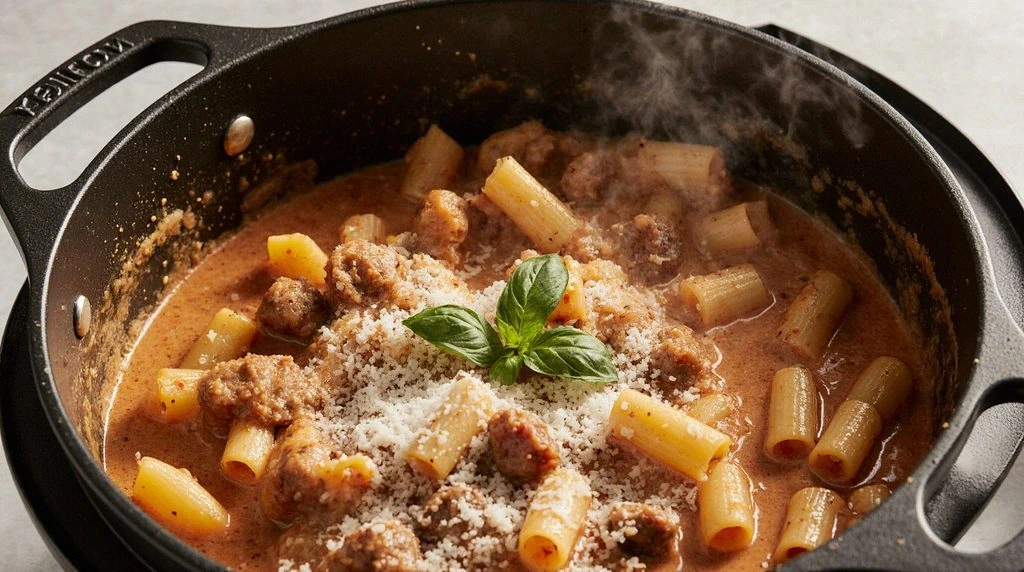
Now, let’s talk about the trick that turns a simple pot of pasta into a culinary masterpiece. The first step is to brown the sausage in the pot, not to cook it through, so the fat renders and gives the base a savory depth. This step also creates a beautiful golden crust that adds texture to the dish. I use a cast‑iron skillet because it retains heat evenly, preventing hot spots that could burn the sausage. After browning, I push the sausage to the side and sauté the onion and garlic until they’re translucent, letting the aromatics bloom before the pasta enters. This layering of flavors is the foundation of what makes this dish sing. The next step is to add the rigatoni, stirring so each piece gets coated with the browned fat and aromatics. Then, pour in the heavy cream and a splash of pasta water to create a silky sauce that coats the pasta like velvet. I let the mixture simmer, stirring occasionally, until the pasta is al dente and the sauce thickens. The final flourish is a generous handful of shredded mozzarella and grated Parmesan that melt into a molten, golden coating. The result? A dish that feels like a hug, with every bite delivering a burst of flavor and comfort.
Okay, ready for the game‑changer? The next part? Pure magic. The moment the sauce thickens, I sprinkle in the fresh spinach, letting it wilt into the sauce, adding a pop of color and a subtle earthiness that balances the richness. The spinach also thickens the sauce slightly, creating a luscious texture that feels like a velvety blanket over the rigatoni. I then fold in the basil, which gives the dish a fresh, bright finish that cuts through the creaminess. This is where the dish really comes alive, and you can almost taste the summer in every bite. If you’re watching this, keep your eyes on the pot—this is the moment of truth. Don’t walk away from the stove here; the sauce needs to simmer gently until everything is perfectly melded. Once the pasta is cooked and the sauce is glossy, I plate the dish, topping each serving with a dusting of grated Pecorino Romano for a salty kick. The aroma that fills the kitchen is enough to make anyone’s stomach rumble. And that, my friends, is the moment when your kitchen transforms into a cozy, comforting haven.
What Makes This Version Stand Out
- Taste: The sauce is a symphony of creamy, cheesy, and smoky flavors that dance on your palate. It’s rich yet balanced, with the sausage’s savory depth complementing the velvety cream.
- Texture: The rigatoni stays al dente, providing a satisfying bite against the silky sauce. The cheese melts into a ribbon that coats every noodle without becoming clumpy.
- Simplicity: All ingredients come together in one pot, eliminating clean‑up and saving time. You only need a skillet, a spoon, and a dash of patience.
- Uniqueness: The addition of spinach and basil adds a fresh twist that sets this dish apart from typical sausage pastas.
- Crowd Reaction: Friends rave about how it feels like a warm hug, and they ask for seconds. The dish is so comforting it becomes a conversation starter.
- Ingredient Quality: Using fresh sausage and high‑quality cheeses elevates the dish to gourmet level, turning a quick meal into a restaurant‑style experience.
- Cooking Method: The one‑pot technique locks in moisture and flavor, preventing the sauce from drying out and ensuring every bite is evenly coated.
- Make‑ahead Potential: It reheats beautifully, making it perfect for meal prep or busy weeknights. The flavors only deepen after a night in the fridge.
Alright, let's break down exactly what goes into this masterpiece…
Inside the Ingredient List
The Flavor Base
The foundation of this dish is the aromatic trio of sausage, onion, and garlic. The sausage, preferably a fresh Italian variety, brings a smoky, slightly sweet undertone that permeates every bite. When browned, the fat renders, creating a savory base that the rest of the ingredients soak into. The onion, diced into bite‑size pieces, releases a caramelized sweetness as it cooks, balancing the richness of the cream. Garlic, minced finely, adds a pungent kick that lingers in the sauce, providing depth and complexity. Together, they form a flavor base that is both comforting and sophisticated.
The Texture Crew
Rigatoni is the star of the texture crew. Its ridges hold sauce like a well‑designed sponge, ensuring each noodle is drenched with creamy goodness. The pasta should be cooked al dente to maintain a firm bite that contrasts with the smooth sauce. Heavy cream is the secret weapon that gives the sauce its silkiness; it coats the rigatoni like velvet without weighing it down. Mozzarella, shredded, melts into the sauce, creating a molten ribbon that glistens. Parmesan, grated, adds a sharp, nutty finish that balances the cream’s richness. Together, these ingredients create a harmonious blend of textures that feels indulgent yet light.
The Unexpected Star
Spinach is the unexpected star that elevates this dish. Fresh spinach, chopped, adds a burst of green that brightens the plate and offers a subtle earthiness. When wilted into the sauce, it releases a natural sweetness that complements the savory sausage. Spinach also thickens the sauce slightly, giving it a velvety consistency. If you’re a vegetarian, you can replace the sausage with sautéed mushrooms or a plant‑based sausage for a similar flavor profile. The addition of basil, chopped, gives the dish a fresh, aromatic lift that cuts through the creaminess and adds a touch of summer.
The Final Flourish
After the rigatoni has absorbed the sauce, a final flourish of cheeses completes the dish. A generous handful of shredded mozzarella and a sprinkle of grated Parmesan create a molten, golden coating that clings to every noodle. A dusting of Pecorino Romano on top adds a salty, tangy kick that enhances the overall flavor. Fresh basil, tossed in at the end, adds a bright, herbaceous note that balances the richness. The final dish should be glossy, fragrant, and inviting, ready to be served straight from the skillet.
Everything's prepped? Good. Let's get into the real action…
The Method — Step by Step
- Heat a large cast‑iron skillet over medium‑high heat. Add the olive oil, letting it shimmer before tossing in the sausage. Break the sausage into small crumbles with a wooden spoon, allowing the fat to render. The key is to brown the sausage, not to cook it through; you want that golden crust for flavor. When the sausage is nicely browned, you’ll hear a satisfying sizzle that signals the base is ready. Keep an eye on the color; if it starts to brown too dark, lower the heat slightly. This step locks in the savory juices that will permeate the sauce. Once browned, transfer the sausage to a side of the skillet, leaving the fat behind. This prevents the sausage from becoming greasy. The moment you’ve browned the sausage, you’ve set the tone for the entire dish.
- In the same skillet, add the diced onion. Sauté until translucent and fragrant, about 3 to 4 minutes. Then stir in the minced garlic and cook for an additional 30 seconds, just until the aroma hits your nose. This duo forms the aromatic base that will carry the sauce’s flavor. Don’t rush this step; the onion needs to caramelize slightly to bring out its natural sweetness. The garlic should be fragrant but not browned, as burnt garlic can introduce bitterness. Once the aromatics are ready, push them to the side of the skillet and add the sausage back in. This ensures a cohesive blend of flavors. The skillet should be hot enough that the mixture sizzles gently, but not so hot that it burns.
- Add the rigatoni to the skillet, stirring to coat each noodle with the browned fat and aromatics. The pasta should be submerged in the fat, which helps it cook evenly. Pour in the heavy cream, enough to just cover the pasta, and add a splash of pasta water. The water helps thin the sauce if it starts to thicken too quickly. Stir everything together, allowing the sauce to begin thickening as the pasta cooks. The rigatoni will absorb the cream, turning it silky and rich. Keep the heat at medium, and stir occasionally to prevent sticking. The pasta should be cooked al dente in about 10 to 12 minutes, depending on the brand. The sauce will thicken and become glossy, coating each noodle.
- Once the rigatoni is tender, sprinkle in the chopped spinach. Stir it in until the spinach wilts, which takes about 1 to 2 minutes. The spinach adds color, nutrients, and a subtle earthiness that balances the cream. If the sauce feels too thick, add a bit more pasta water. This step also helps the sauce cling to the noodles even more. After the spinach is wilted, fold in the mozzarella and Parmesan. The cheeses should melt into a molten, golden coating that glistens. The mixture should feel creamy and smooth, not gritty. This is where the sauce really comes alive.
- Add a pinch of dried oregano and stir to distribute the flavor. Then, stir in the fresh basil, which adds a bright, herbaceous finish that cuts through the richness. The basil should be added at the end to preserve its fresh aroma. The sauce should now be glossy, fragrant, and ready to serve. At this point, taste the sauce and adjust seasoning with salt and pepper to taste. If you prefer a milder flavor, reduce the amount of oregano; if you love a kick, add a dash more.
- Turn off the heat and let the skillet sit for a minute. This short rest allows the flavors to meld and the sauce to thicken slightly. The rigatoni will continue to absorb the sauce, resulting in a more cohesive bite. While the dish rests, gather your plates and utensils. The aroma of the creamy sausage rigatoni will fill the kitchen, making your stomach rumble in anticipation.
- Serve the pasta hot, spooning it onto plates. Sprinkle a generous dusting of Pecorino Romano on top for a salty, tangy kick. The final garnish adds a crunchy texture that contrasts with the silky sauce. If you’re feeling adventurous, add a drizzle of truffle oil for an extra layer of decadence. The dish should look glossy, with the cheese coating each noodle like a fine coat of paint. The final dish is ready to be devoured.
- As you plate, notice how the steam rises, carrying the aroma of garlic, sausage, and fresh herbs. The sound of the steam is almost like a gentle sigh of satisfaction. This is the moment when the dish transitions from a pot to a plate, ready to be enjoyed. Take a moment to appreciate the colors—the golden sauce, the green spinach, the deep red sausage. The visual appeal alone will make your guests excited.
- If you’re a perfectionist, let the dish rest for a minute before serving. This small pause allows the sauce to settle, giving you a smoother texture. It also gives the flavors a chance to fully integrate, making each bite more harmonious. The final result is a dish that feels luxurious and comforting all at once.
- Enjoy your one‑pot creamy sausage rigatoni with a side of crusty bread or a simple green salad. The bread will soak up any remaining sauce, while the salad provides a refreshing contrast. Pair it with a glass of crisp white wine or a light beer for a balanced meal. This dish is versatile enough to be served for dinner, brunch, or a casual family gathering. The possibilities are endless, and the result is always delicious.
Insider Tricks for Flawless Results
The Temperature Rule Nobody Follows
Many cooks think a higher heat always yields a better sauce, but that’s a myth. The secret is to maintain a gentle simmer once the pasta has been added. A rolling boil can cause the cream to curdle and the sauce to separate. Keep the heat at medium and stir frequently. If you notice the sauce starting to stick to the bottom, reduce the heat slightly. This small adjustment will keep the sauce silky and prevent burning. I once tried a high‑heat approach and ended up with a clumpy, greasy mess—lesson learned.
Why Your Nose Knows Best
Don’t ignore the aroma that develops as the dish cooks. A subtle hint of toasted garlic signals the sauce is ready. If you smell a sharp, burnt scent, the pan is too hot. The smell of fresh basil is a sign the dish is nearing perfection. Trust your nose; it’s the most reliable indicator of flavor development. When the aroma is rich but not overpowering, it’s time to add the final herbs. This sensory cue ensures each bite is balanced.
The 5-Minute Rest That Changes Everything
After the skillet is off the heat, let the dish rest for five minutes. This pause allows the flavors to marry and the sauce to thicken slightly. The pasta will continue to absorb the sauce, resulting in a more cohesive bite. Many people skip this step, thinking the dish is ready immediately. Trust me—those five minutes make the difference between good and great.
Use Fresh, Not Frozen
Fresh sausage offers a richer, more vibrant flavor compared to frozen. The natural oils in fresh sausage coat the pasta beautifully. If you’re short on time, a pre‑cooked sausage can work, but it won’t provide the same depth. I’ve tried both, and the fresh version always wins. The difference is subtle but noticeable, especially in the final taste.
Finish with a Splash of Cream
Right before serving, add a small splash of heavy cream or milk. This step brightens the sauce, making it silky and glossy. It also balances any saltiness from the cheeses. The final touch is a drizzle of olive oil for a glossy finish. The result is a dish that looks as good as it tastes.
Creative Twists and Variations
This recipe is a playground. Here are some of my favorite ways to switch things up:
Spicy Cajun Sausage Rigatoni
Swap the Italian sausage for a spicy Cajun sausage. Add a pinch of cayenne pepper to the sauce for heat. The result is a bold, smoky dish that’s perfect for a crowd seeking a kick.
Vegetarian Mushroom Rigatoni
Replace the sausage with sautéed mushrooms and add a splash of soy sauce for umami. Use a plant‑based sausage or a mix of roasted vegetables. The dish becomes hearty yet light, appealing to vegetarians and flexitarians alike.
Greek‑Inspired Rigatoni
Use feta cheese instead of mozzarella and add kalamata olives. Finish with a squeeze of lemon juice for brightness. The Greek twist adds a tangy, briny flavor profile.
Truffle‑Infused Rigatoni
After cooking, drizzle truffle oil over the dish. Add shaved truffle for a luxurious aroma. This version is a decadent treat for special occasions.
Low‑Calorie Rigatoni
Replace heavy cream with Greek yogurt or a light cream alternative. Use turkey sausage and reduce the amount of cheese. The dish stays creamy but with fewer calories, ideal for diet-conscious cooks.
Herb‑Burst Rigatoni
Increase the amount of fresh basil and add chopped parsley. Finish with a sprinkle of toasted pine nuts for crunch. The herbs elevate the dish with fresh, bright flavors.
Storing and Bringing It Back to Life
Fridge Storage
Cool the dish completely before transferring it to an airtight container. Store in the refrigerator for up to three days. The sauce will thicken slightly, but it will remain creamy and flavorful.
Freezer Friendly
Divide the dish into portioned containers and freeze for up to two months. When ready to eat, thaw overnight in the fridge. The pasta may release a bit of water, but the sauce will re‑meld when reheated.
Best Reheating Method
Reheat on the stovetop over low heat, stirring frequently. Add a splash of warm water or milk to restore creaminess. Heat until the sauce is hot and the pasta is tender. The dish tastes almost as fresh as when first cooked.