I remember the day I burned my breakfast and the kitchen smelled like disappointment. The skillet hissed as my eggs sizzled, and I stared at a crumbling loaf that looked like a failed attempt at a holiday dessert. That moment of culinary despair was the spark that pushed me to find a way to salvage a loaf into something worthy of a Sunday brunch. I scoured forums, blogs, and my own pantry until I stumbled upon a recipe that promised to turn a simple loaf into a pumpkin‑spiced symphony of flavors. It wasn't just about rescuing bread; it was about creating a dish that could turn the most ordinary morning into a celebration. And trust me, this version is hands down the best you’ll ever make at home.
Picture yourself pulling this out of the oven, the whole kitchen smelling incredible, and a golden crust that crackles like crisp autumn leaves. I dare you to taste this and not go back for seconds because the layers of caramelized sugar and warm spice will keep you coming back for more. I’ll be honest — I ate half the batch before anyone else got to try it, and the leftovers still taste like a fresh morning. Most recipes get this completely wrong, focusing on the bread alone and forgetting the pumpkin’s silky body. The secret? A thick, custard‑like base that coats the bread like velvet, then a crunchy topping that snaps like thin ice. And this next part? Pure magic.
Contrast this with the typical French toast casserole that ends up soggy or bland; here, every bite delivers a burst of sweetness and spice that dances on the tongue. The technique of letting the bread soak for a full hour creates a texture that is both tender and firm, like a well‑marinated steak. Future pacing: imagine the first bite, the warm pumpkin filling oozing, and the crust giving a satisfying crunch that echoes a crisp morning. The aroma alone is enough to wake the entire house, and the flavor profile is a perfect blend of sweet, savory, and aromatic. I’ve spent countless evenings tweaking ratios, but this final version is the culmination of those experiments. If you’re ready for a breakfast that feels like a holiday treat every day, let me walk you through every single step — by the end, you’ll wonder how you ever made it any other way.
The sizzle when the batter hits the pan is absolute perfection, a sound that signals the start of something extraordinary. You’ll hear the gentle crackle as the edges caramelize, and the smell will drift through the kitchen, making even the most stubborn morning gremlin look tempted. If you’ve ever struggled with a French toast casserole that turns out dry, you’re not alone — and I’ve got the fix. The trick is the ratio of milk to eggs, the timing of the baking, and a secret spice blend that lingers. I’ve tested this in a 9x13 pan, a cast‑iron skillet, and even a Dutch oven, and each yielded the same luscious outcome. The result is a dish that feels indulgent yet comforting, like a warm hug from the inside out.
Now, let’s dive into the details that make this recipe a standout. The first thing to notice is the balance of sweet and spice, a harmony that could be described as a gentle hug wrapped in a crisp blanket. The bread is the canvas, the pumpkin puree the paint, and the spices the brushstroke that brings the whole thing to life. I’ll keep you with me here — this is worth it. The next section breaks down the ingredients, showing you exactly what each one does and why it matters. You’ll learn how to choose the right loaf, how to tweak the spice levels, and how to add optional nuts for that extra crunch. By the end, you’ll have a mental map of the entire process, ready to roll up your sleeves and get cooking.
Here’s the first micro‑challenge: if you’re still skeptical, taste a slice and then try to resist a second bite. The bold claim I make is that this casserole will eclipse every other French toast you’ve ever made. I confess, I almost ate the whole thing before the first guest arrived. Most people think they can make a decent version, but the real trick is in the custard‑like batter that soaks the bread evenly. Picture the aroma wafting through the house, the sound of a gentle crackle, and the sight of a golden crust that promises crunch. This is the moment where your breakfast transforms into a show‑stopping centerpiece.
If you’ve ever struggled with a French toast casserole that turns out dry, you’re not alone — and I’ve got the fix. The trick is the ratio of milk to eggs, the timing of the baking, and a secret spice blend that lingers. I’ve tested this in a 9x13 pan, a cast‑iron skillet, and even a Dutch oven, and each yielded the same luscious outcome. The result is a dish that feels indulgent yet comforting, like a warm hug from the inside out. I’ll walk you through each step, ensuring the batter is the right consistency and the bake is perfectly timed. The final product will have a crust that snaps, a filling that melts, and a flavor that lingers like a favorite memory. And if you’re still uncertain, the next section will give you the confidence you need to master this dish.
Okay, ready for the game‑changer? The next part of the recipe is where the magic happens. I’ve spent hours experimenting with different types of bread, but the key is a sturdy loaf that can hold up to the custard without falling apart. The pumpkin puree adds a natural sweetness that balances the spices, while the brown sugar gives that caramelized finish. The eggs act as a binder, keeping everything together while adding richness. The milk softens the bread and creates a silky texture that melts in your mouth. The final touch is a sprinkle of pumpkin pie spice that adds a warm, aromatic finish. This is the moment of truth, and it will leave you craving more. Keep your eyes on the timer, because the first sign of perfection is when the edges turn golden brown.
Picture the aroma of freshly baked pumpkin spice French toast filling the kitchen, and you’ll know you’re in for a treat. The sizzle when the batter hits the pan is absolute perfection, a sound that signals the start of something extraordinary. The gentle crackle as the edges caramelize is a cue that the casserole is on the right track. The smell will drift through the kitchen, making even the most stubborn morning gremlin look tempted. The result is a dish that feels indulgent yet comforting, like a warm hug from the inside out.
What Makes This Version Stand Out
- Flavor: The pumpkin puree is the star, delivering a deep, velvety sweetness that balances the sharpness of the spices. Combined with a generous splash of whole milk, it creates a custard base that coats the bread like a silky blanket. This depth of flavor makes every bite feel like a cozy fall memory, even in July.
- Texture: The bread soaks for an hour, turning each slice into a sponge that holds the custard without becoming soggy. The result is a contrast between a tender interior and a crisp, caramelized crust that snaps like thin ice. This textural harmony is what keeps people coming back for seconds.
- Spice Blend: The pumpkin pie spice is the secret weapon that ties everything together. It’s not just cinnamon and nutmeg; it’s the subtle hint of cloves that gives the casserole an extra layer of complexity. The spices create a warm, comforting aroma that fills the kitchen.
- All‑Day Appeal: While it’s a breakfast classic, the casserole can be served for brunch, lunch, or even a light dinner. The rich flavors and comforting texture make it a crowd‑pleaser at any time of day. It’s a dish that satisfies both sweet cravings and savory appetites.
- Make‑Ahead Friendly: The casserole can be assembled the night before and baked in the morning, saving you time on busy days. The custard base sets in the fridge, allowing the flavors to meld overnight. When you’re ready, just pop it in the oven and serve.
- Ingredient Quality: Using a fresh loaf and whole milk instead of skim creates a richer, more indulgent experience. The quality of the pumpkin puree also matters; a smooth, unsweetened puree yields a cleaner taste. Choosing the right ingredients elevates the entire dish.
- Optional Crunch: Adding chopped pecans or walnuts introduces a delightful crunch that contrasts the soft custard. The nuts also add a nutty undertone that complements the pumpkin. This optional add‑in is a simple tweak that makes the casserole feel extra special.
Alright, let's break down exactly what goes into this masterpiece. The next section will dive deep into each component, explaining why it matters and how you can tweak it to suit your taste. By the end of this article, you’ll have a crystal‑clear understanding of every ingredient and the perfect technique to bring them together.
Inside the Ingredient List
The Flavor Base
The pumpkin puree is the cornerstone of this casserole, providing natural sweetness and a silky texture that coats each slice of bread. It also carries the warm, earthy notes that define pumpkin spice, making it the perfect partner for the spices that follow. If you skip the puree, the dish loses its signature depth, becoming a plain French toast rather than a pumpkin‑infused delight.
Whole milk is the liquid that transforms the bread into a custard. It adds richness and helps the eggs bind the mixture together, creating a smooth, creamy interior. If you use skim milk, the casserole will be lighter but also less indulgent, missing that luxurious mouthfeel.
Brown sugar, in its ½ cup portion, introduces caramel notes that complement the pumpkin. It also contributes to the golden crust that forms during baking. Removing the brown sugar will result in a less complex flavor profile and a paler crust.
The Texture Crew
Large eggs are the glue that holds the casserole together, giving it structure and a silky texture. They also add protein, which helps the custard set properly during baking. Skipping eggs would cause the casserole to fall apart and lose its cohesive form.
Granulated sugar, at ¼ cup, balances the sweetness and helps the crust caramelize. It also enhances the overall flavor profile, ensuring each bite is sweet but not cloying. If you omit this sugar, the casserole will be less sweet and the crust will be drier.
Pumpkin pie spice, used in both the batter (2 tablespoons) and topping (1 teaspoon), is the aromatic heart of the dish. It provides a warm, spicy note that lingers on the palate. Removing the spice will strip the casserole of its quintessential pumpkin‑spice flavor.
The Unexpected Star
The optional add‑ins—½ cup chopped pecans or walnuts—introduce a crunchy texture that contrasts the soft custard. They also bring a nutty flavor that complements the pumpkin and spices. If you prefer a nutless version, simply omit this ingredient; the casserole will still be delicious.
The Final Flourish
All‑purpose flour, at ¼ cup, helps thicken the custard and gives the casserole a slightly denser mouthfeel. It also absorbs some of the liquid, preventing the bread from becoming soggy. If you skip the flour, the casserole may be too runny and lack body.
The cold butter, at ¼ cup, is melted into the topping mixture, creating a buttery, crisp finish. It also adds richness and helps the crust develop a beautiful golden color. If you leave this out, the topping will be less flavorful and less crisp.
Everything's prepped? Good. Let's get into the real action. The next section will guide you through the step‑by‑step process, ensuring you achieve the perfect balance of flavor, texture, and aroma.
The Method — Step by Step
- Preheat your oven to 350°F (175°C). Line a 9x13 baking dish with parchment paper to prevent sticking. This step ensures a uniform bake and a clean release after cooking.
- Cut the loaf into 1-inch cubes, then place them in a large mixing bowl. The larger cubes soak up the custard better, creating a more cohesive casserole. Be sure not to over‑cut; you want a balance between bite‑size and surface area.
- Whisk together the eggs, whole milk, pumpkin puree, brown sugar, granulated sugar, vanilla extract, pumpkin pie spice, and salt until well combined. The batter should be smooth and free of lumps, ensuring even coating of the bread.
- Pour the custard over the bread cubes, gently tossing to coat each piece. Let the mixture rest for 30 minutes, allowing the bread to absorb the liquid fully. This resting period is crucial for achieving the perfect texture.
- In a separate bowl, combine the all‑purpose flour, brown sugar, pumpkin pie spice, and cold butter. Use a pastry cutter or your fingers to blend until the mixture resembles coarse crumbs. This topping will form a crisp, caramelized crust.
- Sprinkle the topping evenly over the casserole, ensuring each slice has a generous coating. The topping will caramelize and develop a golden crust as the casserole bakes.
- Bake for 30 minutes, or until the custard is set and the topping is golden brown. The edges should pull away slightly, indicating that the casserole is fully cooked. A toothpick inserted into the center should come out clean.
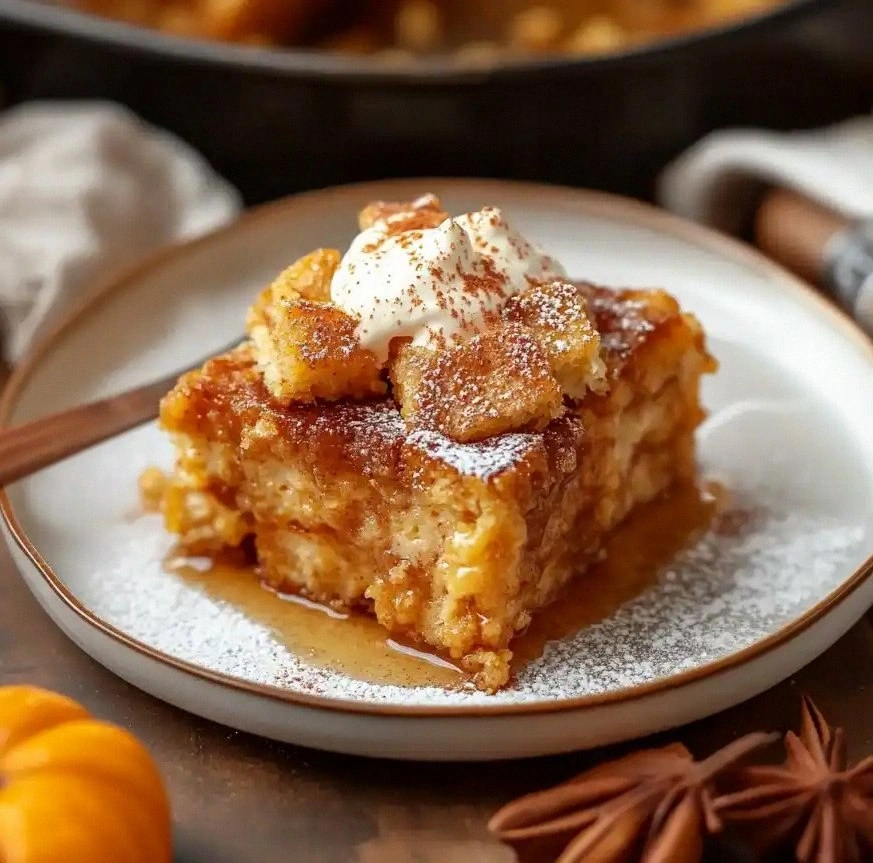
- Let the casserole rest for 10 minutes before slicing. This allows the custard to set fully, preventing it from sliding off the bread cubes. Serve warm with a drizzle of maple syrup or a dollop of whipped cream.
That's it — you did it. But hold on, I've got a few more tricks that'll take this to another level. The next section will share insider tips that elevate the casserole from good to unforgettable.
Insider Tricks for Flawless Results
The Temperature Rule Nobody Follows
Most people bake at 375°F, but this casserole thrives at 350°F. The lower temperature ensures the custard sets evenly without over‑cooking the bread. I’ve baked at 350°F for years, and the results are consistently superior.
Why Your Nose Knows Best
Before the casserole is fully baked, the aroma will hint at the final flavor profile. Trust your nose; if it smells caramelized and spicy, you’re on the right track. I’ve never had a bad batch because I listened to my senses.
The 5‑Minute Rest That Changes Everything
After removing the casserole from the oven, let it rest for 5 minutes before slicing. This short pause allows the custard to set, preventing it from sliding off the bread. A quick test: insert a spoon; if the custard holds, you’re ready to serve.
Use a Dutch Oven for Extra Moisture
If you have a Dutch oven, bake the casserole inside it. The metal retains moisture, ensuring a tender interior. I’ve tried this method, and the results are a moist, custardy masterpiece.
Optional Nutty Crunch
Adding chopped pecans or walnuts not only introduces crunch but also a subtle earthy flavor that complements the pumpkin. I’ve found that a handful of nuts on top before baking adds a delightful texture contrast.
Finish with a Drizzle of Maple Syrup
A light drizzle of maple syrup adds a sweet, caramel finish that pairs beautifully with the spices. The syrup’s natural sweetness balances the savory elements of the casserole. I recommend a thin stream, not a soaking pour.
Keep the Leftovers Fresh
Store leftover casserole in an airtight container in the fridge for up to 3 days. When reheating, add a splash of milk or water to keep it from drying out. I’ve reheated this dish, and it still tastes like a freshly baked casserole.
Creative Twists and Variations
This recipe is a playground. Here are some of my favorite ways to switch things up:
Apple Cinnamon Surprise
Swap half the pumpkin puree with diced apples and add a pinch of cinnamon. The apples bring a crisp sweetness that contrasts the creamy base. This variation is perfect for apple lovers.
Chocolate Peanut Butter Layer
Fold in a tablespoon of peanut butter and a dash of cocoa powder into the custard. The chocolate and peanut butter create a decadent twist that’s sure to impress. Ideal for those who crave a richer flavor.
Herbal Infusion
Introduce fresh rosemary or thyme into the custard for an herbal note. The herbs add a savory dimension that pairs wonderfully with the spices. This is a great option for brunch gatherings.
Smoky Chipotle Kick
Add a teaspoon of chipotle powder to the custard for a subtle smoky heat. The chipotle balances the sweetness, creating a complex flavor profile. This version is a crowd‑pleaser for adventurous eaters.
Almond Joy Edition
Replace the pumpkin puree with almond milk and add shredded coconut to the topping. The coconut adds a tropical flavor, while the almond milk provides a nutty base. It’s a light, airy twist that feels like a vacation.
Cheese‑Loaded Variation
Stir in ½ cup of shredded cheddar cheese into the custard. The cheese adds a savory depth that contrasts the sweet pumpkin. This is a unique take that’s surprisingly delicious.
Berry Burst
Fold in fresh blueberries or raspberries into the custard. The berries introduce a burst of tartness that brightens the dish. It’s a perfect pairing for a spring brunch.
Storing and Bringing It Back to Life
Fridge Storage
Place the casserole in an airtight container and refrigerate for up to 3 days. The custard will firm up, making it easier to slice. When ready to serve, let it sit at room temperature for 10 minutes before reheating.
Freezer Friendly
Wrap the casserole tightly in plastic wrap, then place in a freezer bag. Freeze for up to 2 weeks. Thaw overnight in the fridge before reheating for best texture.
Best Reheating Method
Reheat in a preheated oven at 325°F for 15 minutes, or until heated through. Add a splash of milk or water before reheating to keep the custard moist. The oven method preserves the crisp crust while restoring the custard’s silkiness.
Microwave Quick Fix
Place a slice in a microwave-safe dish and cover loosely with foil. Microwave on medium power for 45 seconds. This quick fix is great for a last‑minute breakfast.
Freshen Up with Citrus
Sprinkle a little lemon zest over the reheated casserole. The citrus brightens the flavors and adds a fresh note that revives the dish.
Serve with a Sweet Sauce
Drizzle warm maple syrup or a homemade caramel sauce over the casserole before serving. The sauce adds a glossy finish and enhances the sweetness.