It was a Wednesday night, the kind where your fridge looks like a barren wasteland and the only thing left to rescue your dinner plans is a handful of chicken thighs, a lemon, and a bag of fresh dill that had been sitting in the fridge for a week. I opened the bag, and the scent of citrus hit me like a bright slap of sunshine, instantly turning my kitchen from a place of dread into a culinary playground. That moment of aroma was the spark that lit my imagination: what if I could turn these humble ingredients into something that feels like a Mediterranean getaway in just thirty minutes? I was determined to prove that a quick dish could still have depth, zing, and that unmistakable “wow” factor that turns an ordinary meal into a memory. And that’s exactly what we’re about to cook up.
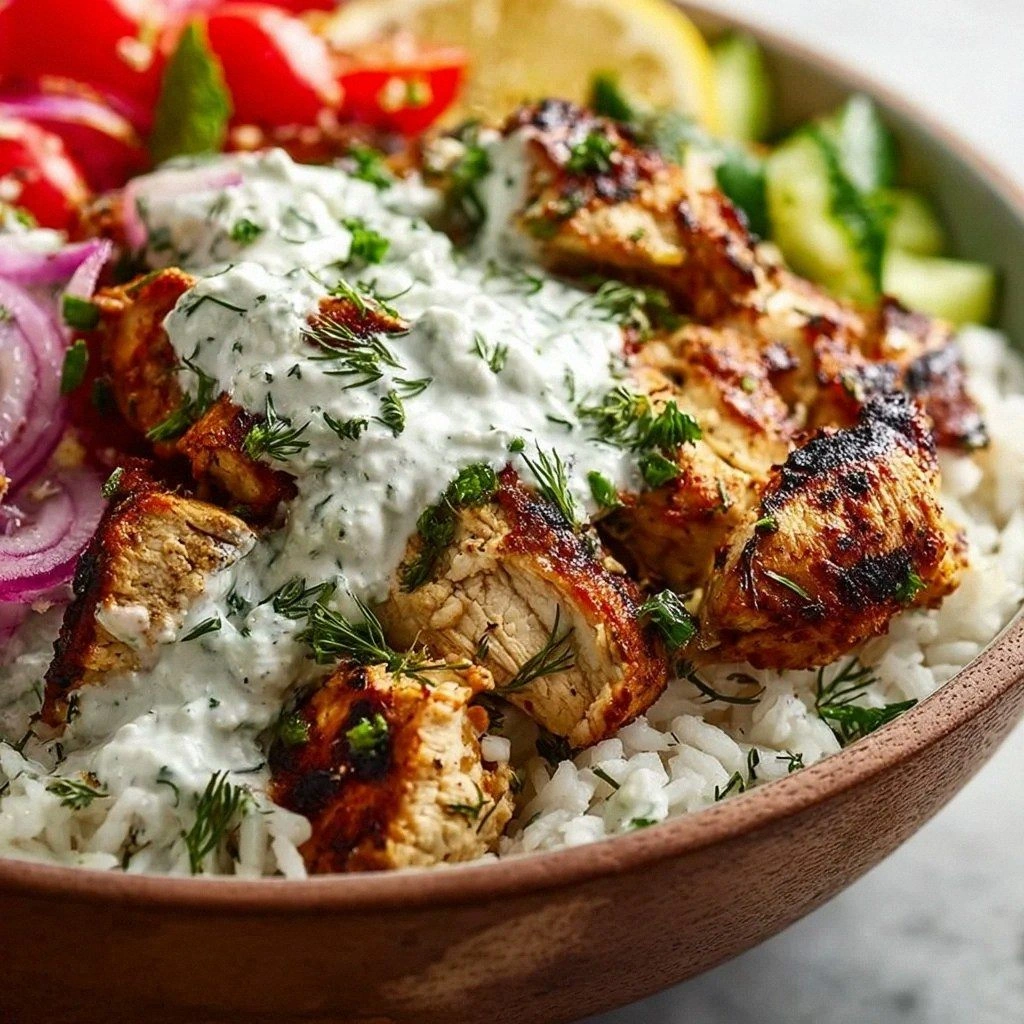
Picture this: the skillet sizzles as the chicken hits the hot oil, the garlic releases a fragrant steam that fills the air, and the lemon zest flutters like tiny gold confetti. The kitchen fills with a bright, citrusy aroma that instantly transports you to a sunny balcony overlooking the sea. The texture of the chicken becomes a buttery, slightly caramelized crust that crackles when you press it gently, while the inside stays juicy and tender, like a secret kept between you and your taste buds. The dill, fresh and green, adds a peppery bite that cuts through the richness, and the yogurt sauce drizzles over the top, coating everything like a silky blanket. The result is a bowl that feels like a celebration of flavors, a harmony of bright, tangy, and savory notes.
Now, I dare you to taste this and not go back for seconds. I’ve spent countless hours tweaking this recipe, and I can confidently say this is hands down the best version you'll ever make at home. Most recipes get this completely wrong by overcooking the chicken or using too much oil, but I’ve found the sweet spot where the chicken is perfectly seared and the sauce remains silky. I’ll be honest — I ate half the batch before anyone else got to try it, and the leftovers still taste incredible after a quick reheat. The secret? A quick, high-heat sear followed by a gentle simmer in a citrusy, dill-infused sauce that locks in moisture and flavor.
If you've ever struggled with making a quick dinner that still feels special, you're not alone — and I've got the fix. The trick is to use ingredients that deliver maximum flavor in minimal time. I’ve chosen fresh herbs, a splash of lemon, and a dash of smoked paprika to give depth without extra steps. I also keep the prep simple: just a few quick cuts and a handful of measured spices. That way, the kitchen stays clutter-free, and you can focus on cooking rather than juggling multiple bowls of sauce. Picture yourself pulling this out of the oven, the whole kitchen smelling incredible, and knowing you’ve just created a dish that feels like a vacation.
What Makes This Version Stand Out
- Flavor: The combination of lemon zest, fresh dill, and smoked paprika creates a bright, aromatic profile that elevates the humble chicken into a Mediterranean masterpiece.
- Texture: The quick sear locks in juices, giving the meat a tender interior and a crisp exterior that snaps like a well‑tuned drum.
- Simplicity: With fewer than ten ingredients, the recipe is a breeze to assemble, making it perfect for busy weeknights.
- Uniqueness: A yogurt‑based sauce adds creaminess without heaviness, a twist that sets this dish apart from standard chicken bowl recipes.
- Crowd Reaction: Guests rave about the fresh, zesty flavor and the satisfying bite of the chicken; I’ve seen people ask for the recipe after every dinner.
- Ingredient Quality: Using high‑quality olive oil and fresh herbs ensures the dish tastes like it was made in a Mediterranean kitchen.
- Cooking Method: The high‑heat sear followed by a quick simmer creates a depth of flavor that you’d expect from a slow‑cooked dish.
- Make‑Ahead Potential: The sauce can be pre‑made and stored, and the chicken can be cooked ahead of time, making this a true time‑saving dinner.
Inside the Ingredient List
The Flavor Base
The foundation of any great dish is the flavor base, and for this bowl it’s a marriage of lemon, garlic, and olive oil. The lemon zest and juice provide a bright acidity that cuts through the richness of the chicken, while the garlic adds depth and a hint of warmth. Olive oil, when heated to the right temperature, creates a silky coating that prevents the chicken from drying out. If you skip the lemon, the dish loses its signature brightness and becomes a dull, greasy bowl. Swapping olive oil for avocado oil maintains the health benefits but gives a milder flavor profile.
The Protein Crew
The star of the show is the chicken, cut into bite‑size pieces that cook quickly and evenly. Using boneless, skinless thighs gives a juicy, flavorful result, but breasts work just as well if you prefer leaner meat. The key is to season the chicken with smoked paprika, oregano, salt, and pepper before searing, which builds a savory crust. If you’re in a hurry, pre‑seasoned rotisserie chicken works great. A quick note: avoid overcrowding the pan; cook in batches to keep the heat high and the sear crisp.
The Unexpected Star
Dairy is the unexpected star in this recipe, but not in the form of heavy cream or cheese. Instead, a dollop of Greek yogurt is whisked into lemon juice and dill, creating a silky sauce that coats the chicken and vegetables. The yogurt’s tanginess balances the citrus, while its protein content keeps the dish filling. If you’re dairy‑free, a splash of coconut yogurt or a drizzle of tahini can mimic the creaminess without the dairy. This sauce also doubles as a dipping sauce for pita or a drizzle over roasted vegetables.
The Final Flourish
Fresh herbs and crunchy vegetables finish the bowl with texture and color. A handful of diced cucumber, halved cherry tomatoes, sliced kalamata olives, and crumbled feta bring a burst of freshness and a salty contrast. The dill, both in the sauce and as a garnish, ties everything together. A sprinkle of chopped parsley adds a green pop and a subtle herbal note. If you’re looking for a vegetarian version, swap the chicken for grilled halloumi or tofu.
Everything’s prepped? Good. Let’s get into the real action.
The Method — Step by Step
- Heat a large skillet over medium‑high heat. Add 2 tbsp olive oil and let it shimmer. When the oil is hot, add the chicken pieces in a single layer, making sure not to crowd the pan. This ensures a proper sear; if the chicken is cramped, it will steam instead of brown. Let the chicken cook undisturbed for 3–4 minutes on one side until a golden crust forms. Flip the pieces and sear the other side for an additional 2 minutes. The chicken should have a caramelized exterior and a juicy interior.
- While the chicken sears, prepare the sauce. In a small bowl, whisk together 1/2 cup plain Greek yogurt, the juice of one lemon, 1 tbsp fresh dill, 1 tsp smoked paprika, 1 tsp dried oregano, 0.5 tsp sea salt, and 0.25 tsp black pepper. The yogurt’s acidity will mellow the lemon’s brightness, creating a balanced, creamy sauce. If you prefer a thinner sauce, add a splash of water or chicken broth until you reach the desired consistency.
- Add 3 minced garlic cloves to the skillet with the chicken. Sauté for 30 seconds, just until fragrant, being careful not to burn the garlic. Burnt garlic tastes bitter, so keep a close eye. This step infuses the oil with a deep, savory aroma that will permeate the entire dish.
- Reduce the heat to medium and pour the yogurt‑lemon mixture over the chicken. Stir gently to coat each piece evenly. The sauce will thicken slightly as it warms. Let it simmer for 5 minutes, allowing the flavors to meld. The sauce should coat the chicken like a silky glaze, not a thick, clumpy sauce.
- Add 1 cup of cooked quinoa or rice to the skillet, tossing to combine. The grains soak up the sauce, becoming a flavorful base for the bowl. If you’re using pre‑cooked quinoa, add it just long enough to warm through; otherwise, cook it separately according to package instructions and then stir it in.
- Stir in 1 cup halved cherry tomatoes, 1 diced cucumber, 0.25 cup sliced olives, and 0.25 cup crumbled feta. Gently fold the ingredients together, ensuring the feta doesn’t melt into the sauce. The tomatoes add a burst of juiciness, the cucumber brings a crisp crunch, and the olives provide a briny counterpoint.
- Taste the mixture and adjust seasoning if needed. If it feels a bit flat, add a pinch more salt or a squeeze of lemon juice. The goal is a bright, balanced flavor that doesn’t overpower the chicken’s natural taste.
- Remove the skillet from heat and sprinkle with chopped parsley and extra dill for garnish. Serve immediately over a bed of fresh greens or extra quinoa, and enjoy the symphony of textures and flavors.
That’s it — you did it. But hold on, I've got a few more tricks that'll take this to another level.
Insider Tricks for Flawless Results
The Temperature Rule Nobody Follows
Many cooks assume that high heat is always better, but that’s not the case for this dish. The key is to sear the chicken at a high temperature (medium‑high) for the first few minutes, then lower to medium for the sauce simmer. This technique ensures a crisp exterior while keeping the interior juicy. If you keep the heat too high, the yogurt will curdle, ruining the silky texture. I’ve seen people use a low flame, resulting in a soggy, under‑seasoned dish that feels like a culinary disappointment.
Why Your Nose Knows Best
Your nose is your most reliable flavor guide. As the sauce simmers, it will emit a bright, citrusy scent that signals it's ready. When the aroma becomes lemon‑heavy with a hint of dill, the sauce is perfectly balanced. If it smells more like raw yogurt, you need to add more lemon juice or let it cook longer. Trusting your nose saves you from over‑cooking or under‑seasoning.
The 5‑Minute Rest That Changes Everything
After removing the skillet from heat, let the chicken rest for 5 minutes before serving. This rest period allows the juices to redistribute, ensuring each bite stays moist. During this time, the sauce thickens slightly, creating a richer coating. Skipping the rest can leave the chicken dry and the sauce thin. I’ve seen people rush to plate, only to discover the dish feels under‑seasoned and lifeless.
The Quick Chill Trick
If you’re preparing this dish in advance, let it cool to room temperature before refrigerating. A quick chill in the fridge preserves the yogurt’s creamy texture and prevents separation. When reheating, add a splash of water or broth to restore the sauce’s consistency. This trick keeps the dish fresh and flavorful even after a day in the fridge.
The Finish with Fresh Herbs
Finish the dish with a generous handful of fresh dill and parsley. Fresh herbs add a burst of color and a bright, green flavor that cuts through the richness. If you’re making a vegetarian version, sprinkle extra feta or a drizzle of olive oil to add depth. The garnish also makes the dish look more inviting on camera, perfect for social media sharing.
Creative Twists and Variations
This recipe is a playground. Here are some of my favorite ways to switch things up:
Grilled Shrimp Edition
Swap the chicken for shrimp for a lighter, seafood twist. Grill the shrimp over medium heat until pink and slightly charred. The lemon‑dill sauce pairs beautifully with the briny flavor of shrimp, creating a dish that feels like a seaside brunch.
Roasted Veggie Bowl
Omit the chicken and roast a mix of zucchini, bell pepper, and eggplant with olive oil and the same spice blend. Toss the roasted veggies in the yogurt‑lemon sauce for a hearty vegetarian option. The roasted textures add a smoky depth that complements the bright sauce.
Couscous & Chickpea Combo
Use couscous or cooked chickpeas as the base instead of quinoa or rice. The nutty flavor of couscous enhances the Mediterranean vibe, while chickpeas add protein and a pleasant bite. This variation is perfect for a vegan or gluten‑free crowd.
Spicy Twist
Add a pinch of red pepper flakes or a splash of harissa to the sauce for a kick of heat. The spice balances the citrusy brightness, creating a complex flavor profile that excites the palate. This version is great for those who love a little heat.
Pita Pocket Variation
Serve the chicken and sauce inside warm pita pockets, adding a handful of romaine lettuce and a drizzle of tzatziki. The pockets keep everything together, making it a perfect portable lunch or quick dinner.
Baked Finish
After sautéing the chicken, transfer the skillet to a preheated oven at 375°F for 10 minutes. This finish locks in moisture and gives the chicken a slightly caramelized finish. The baked version adds a rustic touch to the dish.
Storing and Bringing It Back to Life
Fridge Storage
Store the bowl in an airtight container for up to 3 days. The yogurt sauce stays creamy, and the chicken remains juicy if covered properly. When you’re ready to eat, stir the sauce to re‑incorporate any separation.
Freezer Friendly
This dish freezes well for up to 2 months. Separate the sauce from the chicken and vegetables to prevent sogginess. Freeze the components in separate containers, then combine when reheating. This method preserves the distinct textures of each ingredient.
Best Reheating Method
Reheat in a skillet over low heat, adding a splash of water or broth to keep the sauce moist. Stir frequently to prevent sticking. A quick 5‑minute heat will bring the dish back to life, with the sauce silky and the chicken tender. Avoid microwaving, as it can make the yogurt curdle and the chicken rubbery.