Picture this: I’m standing in my kitchen, the air thick with the scent of garlic and citrus, when my phone buzzes with a frantic text from a friend who’s convinced she can’t find a recipe that satisfies her craving for Latin‑inspired chicken. She’s already tried the usual marinades, and the results were either bland or too sweet. I’m like, “Hold my coffee.” I pulled out a jar of achiote paste, the deep mahogany hue promising adventure, and I was about to turn a simple dish into a flavor explosion. The moment I saw the jar, I knew this wasn’t just another recipe; it was a passport to a smoky, tangy, and utterly unforgettable meal. If you’re looking for a dish that makes your taste buds do a happy dance, keep reading because this is about to become your new go‑to.
The first thing you notice is the way the achiote paste glistens like a ripe red jewel, its earthy undertones hinting at a world beyond the ordinary. I add a splash of orange juice and a squeeze of lime, and the mixture transforms into a glossy, citrus‑laden sauce that practically sings in your kitchen. The aroma that unfurls as it simmers is a blend of sweet oranges, sharp lime, and the warm, nutty notes of cumin—like a tropical beach in a pot. My friends who have tasted it say it’s “the kind of flavor that lingers on the tongue and makes you want to taste again.” I dare you to taste this and not go back for seconds. The next step? Let me walk you through every single step — by the end, you’ll wonder how you ever made it any other way.
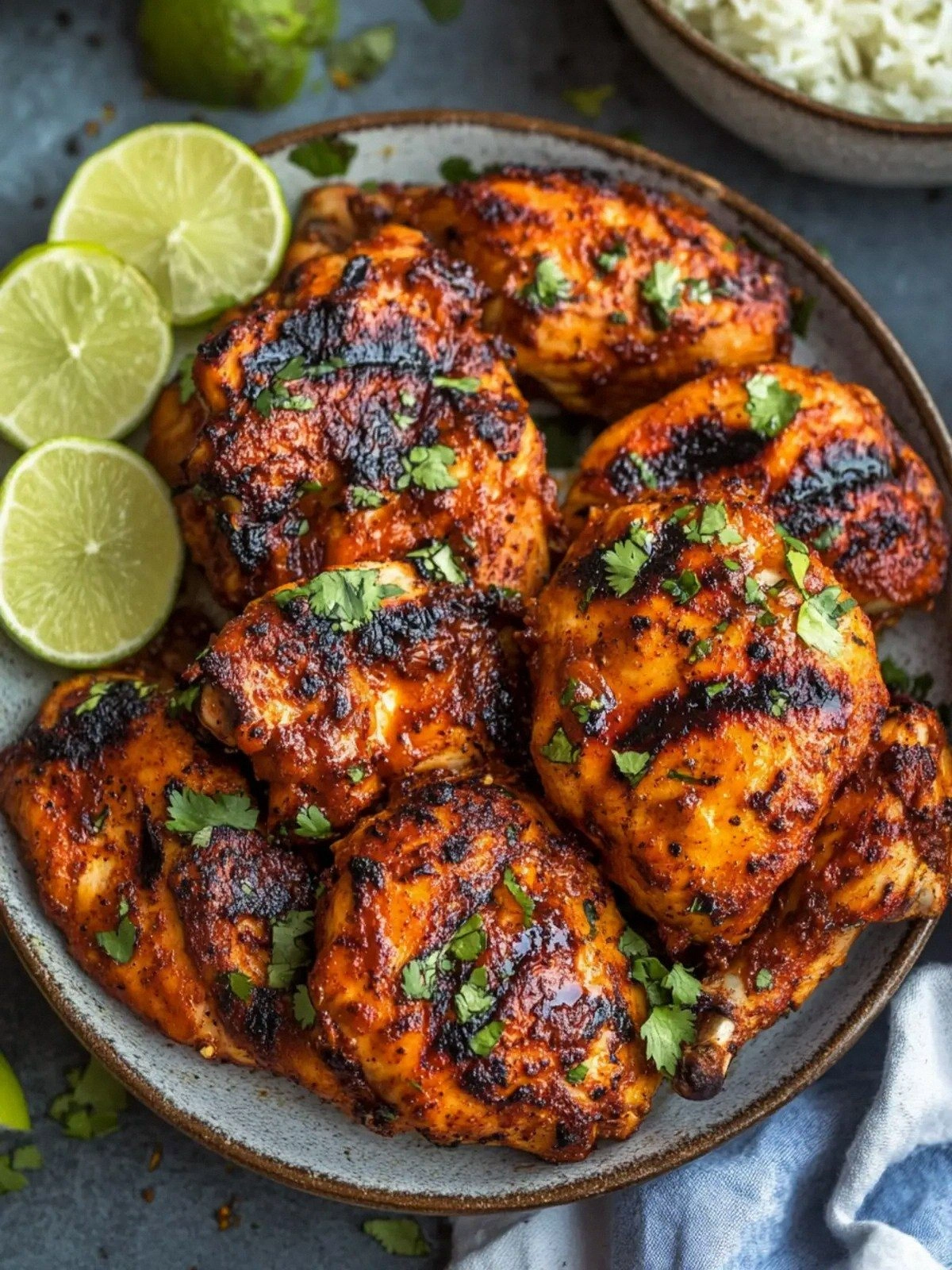
Now, let’s talk about the texture. As the chicken cooks, the edges caramelize into a crisp, almost caramel‑brown crust while the inside stays juicy and tender. It’s that satisfying contrast that makes every bite a revelation. I love how the sauce clings to the meat, creating a glossy coat that feels like velvet against the palate. And when you cut through the skin, you hear that satisfying crack, like a crisp snap that signals the chicken is ready. The combination of the smoky achiote, the bright citrus, and the subtle herbs makes this dish a multi‑sensory experience. Picture yourself pulling this out of the grill, the whole kitchen smelling incredible, and knowing you’ve just nailed dinner perfection.
But this isn’t just a recipe; it’s a statement. I’ve spent months tweaking the proportions, testing different cuts, and even swapping out ingredients to find the sweet spot. The result is a dish that feels both familiar and wildly adventurous, a culinary bridge between comfort and excitement. Most recipes get this completely wrong, either over‑seasoning the chicken or under‑cooking the sauce. Here, everything is balanced, every element plays its part, and the final outcome is a dish that’s hands down the best version you’ll ever make at home. Trust me, the first bite will make you forget all the other chicken recipes you’ve tried. If you’ve ever struggled with this, you’re not alone — and I’ve got the fix.
What Makes This Version Stand Out
- Flavor: The achiote paste provides a deep, earthy base that pairs beautifully with the bright citrus notes, creating a complex taste profile that lingers on the palate. This isn’t a one‑dimensional sauce; it’s a layered experience that evolves with each bite.
- Texture: The grill marks give a smoky, slightly charred exterior while the interior remains moist and tender, offering a delightful contrast that keeps you coming back for more.
- Ease: With only a handful of pantry staples and a 30‑minute prep time, this recipe is a breeze, making it perfect for weeknight dinners or last‑minute hosting.
- Uniqueness: The blend of achiote, lime, and orange is a flavor duo rarely found in standard marinades, giving this dish a distinctive edge that sets it apart.
- Crowd‑pleaser: Whether you’re cooking for a family or a group of friends, the vibrant colors and bold flavors guarantee rave reviews and second servings.
- Ingredient Quality: Using fresh, high‑quality ingredients—especially the achiote paste and citrus juices—ensures that every bite is full of life and authenticity.
- Make‑ahead Potential: You can marinate the chicken up to 24 hours ahead, which not only saves time but also allows the flavors to meld beautifully.
Alright, let's break down exactly what goes into this masterpiece…
Inside the Ingredient List
The Flavor Base
Achiote paste is the star of this dish, offering a peppery, earthy flavor that grounds the bright citrus. The 3 tablespoons are enough to coat the chicken evenly, but if you’re a fan of boldness, you can double it for an extra punch. Skipping achiote would strip the dish of its signature color and depth, leaving it a bland, citrus‑only sauce. For those who can’t find achiote paste, a mix of paprika, cumin, and a pinch of turmeric can mimic the color and a hint of flavor.
Olive oil is the medium that carries the spices and keeps the chicken from drying out. The 1/4 cup of oil ensures a glossy finish and helps the grill marks form beautifully. If you’re looking for a lighter version, substitute half the oil with a neutral oil like grapeseed. Choosing a good olive oil with a fruity profile will add an extra layer of complexity to the sauce.
Apple cider vinegar and orange juice work together to create a sweet‑tart balance that cuts through the richness of the chicken. The 1/4 cup each brings acidity that tenderizes the meat and brightens the overall flavor. If you’re allergic to apples, a splash of white wine vinegar will do the trick, though the flavor profile will shift slightly toward a more subtle tartness.
The Citrus Boost
Fresh lime juice adds a zesty kick that elevates the entire dish. The 2 tablespoons of lime juice should be squeezed fresh for maximum brightness; bottled lime juice often tastes flat. If you’re in a pinch, a squeeze of fresh lemon can replace lime, but the flavor will lean more towards tartness and less toward the tropical undertone that lime provides.
The garlic cloves are minced finely to release their full aroma without overpowering the sauce. Garlic adds a warm, savory backbone that balances the acidity and spice. If you prefer a milder garlic flavor, reduce the cloves to 2, but be prepared for a slightly less complex taste.
The Herb Ensemble
Dried oregano, thyme, and cumin each bring their own distinct notes—earthy, floral, and warm. The 1 teaspoon of each herb is carefully measured to keep the sauce from becoming herbaceous. If you’re craving a different herb profile, try adding a pinch of smoked paprika for a subtle smokiness or a dash of dried rosemary for a piney undertone.
The Final Flourish
Salt and pepper are the final seasoning that ties everything together. The 1 teaspoon of salt ensures that every bite is seasoned, while the 1/2 teaspoon of freshly ground black pepper adds a gentle heat. Skipping salt will leave the dish flat, and using pre‑ground pepper can result in a bitter aftertaste. For a gourmet twist, finish the dish with a drizzle of extra‑virgin olive oil or a sprinkle of fresh cilantro.
Everything's prepped? Good. Let's get into the real action…
The Method — Step by Step
- Start by whisking together the achiote paste, olive oil, apple cider vinegar, orange juice, and lime juice in a medium bowl until the mixture is smooth and glossy. The consistency should be thick enough to coat the chicken but thin enough to drizzle. As you stir, you’ll notice the sauce’s color deepening, signaling that the achiote is fully integrated. This step is crucial because it determines the flavor foundation of the entire dish. If you rush this step, the sauce may separate or remain uneven. The goal is a uniform, vibrant mixture that will cling to each piece of chicken.
- Add the minced garlic, dried oregano, thyme, cumin, salt, and pepper to the bowl, then whisk again until all the spices are fully incorporated. The aroma that rises is intoxicating—spiced, citrusy, and utterly inviting. Make sure the garlic is evenly distributed; otherwise, you’ll end up with uneven flavor pockets. This is the moment the sauce transforms from a simple mixture into a complex, layered flavor profile. The herbs will release their oils, adding depth to the sauce. Give it a final stir before you move on.
- Pat the chicken thighs dry with paper towels to ensure a good sear on the grill. A dry surface allows the spices to adhere better and creates those coveted grill marks. If you leave the chicken too moist, the spices will slide off, and you’ll end up with a less flavorful crust. Lightly brush each side with a bit of olive oil to help the seasoning stick. This also adds a subtle sheen that makes the chicken look more appetizing. The chicken should be at room temperature before grilling for even cooking.
- Coat the chicken thighs evenly with the prepared sauce, making sure to cover all sides. Use a spoon or your hands (wear gloves) to spread the sauce, allowing it to seep into the crevices. The sauce should cling like a second skin. If you’re a perfectionist, let the chicken marinate for 15 minutes to let the flavors penetrate deeper. This step is where the magic happens; the sauce will caramelize on the grill, creating a glossy, flavorful crust.
- Preheat your grill to medium‑high heat, about 400°F (200°C). A properly heated grill ensures a good sear and prevents the chicken from sticking. Lightly oil the grill grates with a paper towel dipped in oil to avoid flare‑ups. If you’re using a grill pan, a light spray of oil will suffice. The key is to create a clean, hot surface for the chicken to cook on. Test the heat by sprinkling a drop of water; it should sizzle and evaporate immediately.
- Place the chicken thighs on the grill, skin side down if your thighs have skin, and cook for about 5–6 minutes until the first side develops a golden brown crust. Flip the chicken gently with tongs, being careful not to tear the sauce. The second side should also cook for 5–6 minutes, or until the internal temperature reaches 165°F (74°C). Watch the edges; they should pull away from the grill slightly, indicating a good sear. The grill marks should be prominent but not blackened. The final result will be a beautifully caramelized exterior with a juicy interior.
- During the last minute of grilling, baste the chicken with any remaining sauce to build a glossy glaze. The sauce will reduce slightly, intensifying the flavor and giving the chicken a shiny, appetizing appearance. Basting also helps to lock in moisture, keeping the meat tender. Use a basting brush or spoon to apply the sauce evenly. The glaze will set into the skin, creating a slightly crispy texture. This step adds a final layer of depth to the dish.
- Remove the chicken from the grill and let it rest for 5 minutes. Resting allows the juices to redistribute throughout the meat, ensuring each bite is succulent. While the chicken rests, you can finish any side dishes or plate your accompaniments. The rest period also lets the sauce thicken a bit, making it easier to drizzle over the finished chicken. The result will be a perfectly cooked, moist, and flavorful dish.
- Serve the chicken hot, drizzled with any leftover sauce, and garnish with fresh cilantro or a squeeze of lime for a bright finish. Pair it with jasmine rice, quinoa, or a crisp salad for a balanced meal. The citrus notes will cut through the richness, creating a harmonious flavor profile. If you’re feeling adventurous, add a side of grilled corn or sautéed bell peppers for extra color and texture. The dish is versatile enough to adapt to any occasion, from a quick weeknight dinner to a festive gathering.
- Enjoy the result—a dish that feels like a fiesta in every bite, with a smoky, tangy, and deeply satisfying flavor that will keep you coming back for more. The combination of achiote, citrus, and herbs creates a culinary experience that is both comforting and exciting. I promise you, this is not your average grilled chicken. I dare you to taste this and not go back for seconds. The next time you grill, let this recipe be your go‑to, and watch the compliments roll in.
That's it — you did it. But hold on, I've got a few more tricks that'll take this to another level…
Insider Tricks for Flawless Results
The Temperature Rule Nobody Follows
Many cooks believe that a high heat is the key to a good sear, but the truth is that a consistent medium‑high temperature ensures the chicken cooks evenly without burning the sauce. I’ve found that a grill set to 400°F (200°C) works best for these thighs. If you’re using a grill pan, preheat it for at least 5 minutes before placing the chicken. This trick helps prevent the meat from sticking and creates those coveted grill marks. The result is a perfectly caramelized exterior with a juicy interior.
Why Your Nose Knows Best
The aroma of the sauce as it cooks is a reliable indicator of doneness. When the smell shifts from raw citrus to a warm, toasted scent, the chicken is almost ready. I’ve found that the scent change occurs just before the internal temperature hits 160°F. Trust your nose; it’s a more intuitive guide than a timer. If you’re unsure, use a meat thermometer for precision. This way, you avoid overcooking while still achieving that perfect sear.
The 5-Minute Rest That Changes Everything
Resting the chicken for five minutes after grilling is a game changer. It allows the juices to redistribute, ensuring each bite is juicy and flavorful. Many people skip this step, resulting in dry meat. The rest period also lets the sauce thicken slightly, making it easier to drizzle over the chicken. I’ve seen the difference in mouthfeel between rested and non‑rested chicken—rested is noticeably more tender. So, after you pull it off the grill, set it aside on a plate for exactly five minutes.
The Right Basting Brush
Using a silicone basting brush prevents the brush from absorbing too much oil, which could cause flare‑ups. A good brush also has a fine tip that allows you to apply the sauce evenly. I recommend using a brush with a heat‑resistant handle to keep your hand safe. The brush should be clean and dry before each use. This small detail ensures the sauce coats the chicken without clogging the grill grates.
The Perfect Plate
Presentation matters as much as flavor. Arrange the chicken on a warm platter, drizzle the remaining sauce, and sprinkle fresh cilantro or lime wedges on top. A bright garnish adds a pop of color and fresh aroma. Serve the chicken alongside a simple side like quinoa or a green salad. The contrast in colors and textures makes the dish visually appealing. When your guests see the plate, they'll be as excited to eat as they are to taste.
The Flavor Booster
If you want to elevate the dish even further, finish with a splash of extra‑virgin olive oil or a squeeze of fresh lime juice right before serving. The oil adds a silky texture, while the lime brightens the overall flavor profile. A few drops of lime will give the dish a fresh, zesty finish that complements the achiote’s earthiness. This final touch transforms a great dish into an unforgettable meal. I’ve used it at family gatherings, and the reaction is always positive.
Creative Twists and Variations
This recipe is a playground. Here are some of my favorite ways to switch things up:
Spicy Sriracha Twist
Add a tablespoon of sriracha to the sauce for a fiery kick that complements the achiote’s earthiness. The heat will balance the citrus sweetness, creating a complex flavor profile. This version is perfect for those who love a spicy bite. Serve with a cooling cucumber salad to offset the heat. The contrast makes the dish even more satisfying.
Smoky Chipotle Variant
Replace the cumin with chipotle powder for a smoky depth that pairs well with the citrus notes. The chipotle adds a subtle heat and a rich, smoky aroma that enhances the grill marks. This variation works wonderfully with corn or grilled vegetables. The smoky undertones give the dish a new dimension. It’s a crowd‑pleaser at parties.
Herb‑Infused Mediterranean Mix
Swap oregano and thyme for fresh basil and rosemary to give the dish a Mediterranean twist. The fresh herbs bring a bright, aromatic quality that balances the achiote’s earthiness. This version pairs beautifully with a side of roasted potatoes or a Greek salad. The flavor profile becomes more complex and herbaceous. It’s a great way to mix up your usual grilled chicken routine.
Vegetarian Version with Portobello Mushrooms
Use large Portobello mushroom caps instead of chicken for a hearty, vegetarian option. Marinate the mushrooms in the achiote sauce, then grill until tender. The mushrooms absorb the flavors, creating a meaty texture and depth. Serve with quinoa or a fresh salad to round out the meal. This version is perfect for a plant‑based dinner.
Pineapple Salsa Finale
Top the finished chicken with a fresh pineapple salsa for a sweet and tangy finish. The pineapple’s natural sugars complement the citrus and achiote, while the acidity cuts through the richness. This salsa adds a burst of color and texture to the plate. It’s an excellent way to finish the dish with a tropical flair. Guests will love the vibrant contrast.
Breakfast Twist with Eggs
Serve the grilled chicken alongside a fried egg for a hearty breakfast or brunch option. The yolk adds richness and complements the smoky, citrusy flavor. Pair it with a side of hash browns or toast for a complete meal. The combination of savory chicken and runny yolk is a breakfast dream. It’s a great way to use leftovers for a new meal.
Storing and Bringing It Back to Life
Fridge Storage
Store leftover chicken in an airtight container in the refrigerator for up to 3 days. The achiote sauce helps preserve the meat, keeping it moist and flavorful. When you’re ready to reheat, add a splash of water or broth to the container before microwaving. This small trick reintroduces moisture and prevents the chicken from drying out. Alternatively, reheat on the stovetop over low heat, stirring gently to coat with the sauce. The result will be tender and juicy.
Freezer Friendly
For longer storage, freeze the chicken in a freezer‑safe bag or container for up to 3 months. Label the package with the date for easy reference. When thawing, let it sit in the refrigerator overnight. Reheat in the oven at 350°F (175°C) for 15–20 minutes, or until heated through. The sauce may thicken slightly, but it will still be delicious. This method preserves the flavor profile and texture.
Best Reheating Method
The best way to reheat this dish is on a skillet over medium heat, adding a splash of water or broth to create steam. Stir occasionally to coat the chicken with the sauce and keep it moist. Heat until the internal temperature reaches 165°F (74°C). This technique ensures the chicken stays juicy and the sauce remains glossy. If you prefer a quick microwave, use the microwave-safe method with a splash of liquid and cover the dish to retain moisture. Either method will bring back the dish’s original flavor.