I remember the night I almost set the kitchen on fire while trying to recreate that viral miso chicken dish I saw on Instagram. The oven was already preheated, the miso paste was dripping, and I was too excited to notice that the sheet pan was already overfull. The smoke alarm rang, the fridge opened, and my friends laughed as I tried to salvage the situation. That disaster turned into a revelation: the secret to a flawless sheet‑pan miso chicken is all in the balance of sauce, seasoning, and the right cut of chicken.
Picture this: the air is thick with the sweet aroma of honey and the umami punch of miso, while the sizzling sound from the pan is a promise of crisp edges. The chicken thighs, skin on, are browned to a golden caramel that crackles like fresh snow. The vegetables—broccoli, bell peppers, and carrots—are tossed in a glossy glaze that shimmers under the kitchen lights. When you take a bite, the sauce coats the meat like velvet, the veggies are tender yet retain a satisfying bite, and the sesame seeds add a nutty crunch that pops with every mouthful. The whole kitchen smells like a summer garden mixed with a comforting stew.
What makes this version stand out is that it’s not just a recipe—it’s a performance. I’ve tweaked the classic miso glaze to include honey for a subtle sweetness that balances the saltiness, and I’ve chosen bone‑in thighs for their juiciness and flavor depth. The sheet‑pan method ensures every bite is infused with the sauce, while the vegetables roast alongside, absorbing the flavors and creating a one‑pan wonder. Most recipes get this completely wrong by over‑basting or under‑seasoning, but this version delivers a symphony of textures and flavors that dance on your palate. The result is a dish that looks like it belongs on a fancy menu and tastes like a cozy family dinner.
I dare you to taste this and not go back for seconds. Picture yourself pulling this out of the oven, the whole kitchen smelling incredible, and a plate that looks so good you want to photograph it before you eat. This is hands down the best version you'll ever make at home. Let me walk you through every single step—by the end, you'll wonder how you ever made it any other way.
What Makes This Version Stand Out
- Flavor: The miso glaze is a balanced blend of sweet, salty, and umami, creating a depth that lingers on the tongue. The honey adds a caramelized finish that contrasts beautifully with the savory notes.
- Texture: The chicken thighs develop a crisp, caramelized skin while staying moist inside, and the vegetables retain a satisfying bite, not turning mushy.
- Convenience: A single sheet pan means minimal cleanup, and the recipe can be whipped up in 45 minutes from start to finish.
- Versatility: Swap the vegetables for any seasonal produce you have on hand, or switch to tofu for a vegetarian take.
- Crowd‑pleaser: The bold flavors and colorful presentation make it perfect for dinner parties or a quiet weeknight.
- Ingredient Quality: Using bone‑in chicken thighs and fresh miso paste elevates the dish beyond the average take‑out copycat.
- Make‑ahead Potential: The glazed chicken can be prepared a day ahead and reheated with a splash of water to keep it juicy.
Inside the Ingredient List
The Flavor Base
Miso paste is the soul of this dish. It provides a deep umami flavor that lingers long after you finish eating. If you’re short on miso, a tablespoon of tahini or a splash of soy sauce can mimic the salty depth, but you’ll lose that unique Japanese nuance. When selecting miso, opt for a light or medium variety; a dark miso will overpower the other flavors.
Soy sauce is the backbone of the glaze, giving it a salty backbone that balances the sweetness. A low‑sodium version works well if you’re watching your sodium intake, but keep in mind the miso already adds salt. If you prefer a milder taste, try a tamari or coconut aminos alternative.
Honey brings a subtle sweetness and a caramelized finish when heated. It also helps the glaze thicken and adhere to the chicken. For a vegan version, replace honey with maple syrup or agave nectar, but be aware the final flavor will shift slightly.
The Protein
Chicken thighs are chosen for their natural fat content and connective tissue, which break down during cooking to produce a succulent bite. Bone‑in thighs add extra flavor; the marrow infuses the sauce and keeps the meat moist. If you’re in a rush, boneless thighs work fine, but they’ll dry out faster.
Choosing fresh, skin‑on thighs ensures a crispy skin that caramelizes beautifully. Look for thighs with a slight pink hue, not a bright red, to guarantee freshness. When storing, keep them chilled until ready to cook; room temperature for 15 minutes helps them cook evenly.
The Texture Crew
Seasonal vegetables such as broccoli, bell peppers, carrots, and zucchini provide color, crunch, and nutrition. The variety of textures—from crisp bell peppers to tender broccoli florets—creates a satisfying mouthfeel. If you’re in the middle of winter, swap in root veggies like parsnips or sweet potatoes.
Olive oil is the medium that carries the glaze to the veggies, ensuring they roast evenly and develop a caramelized sheen. A light drizzle suffices; too much oil will make the dish greasy. For a Mediterranean twist, try extra‑virgin olive oil for a richer flavor.
Sesame seeds add a nutty crunch and a subtle aroma that complements the miso. Toast them lightly before adding to release their oils, or use them raw for a fresher bite. If you’re allergic to sesame, replace them with crushed almonds or pumpkin seeds.
Green onions finish the dish with a bright, oniony note that cuts through the richness. Chop them finely so they distribute evenly. For a milder taste, use only the white portion, reserving the green for garnish.
Everything's prepped? Good. Let's get into the real action…
The Method — Step by Step
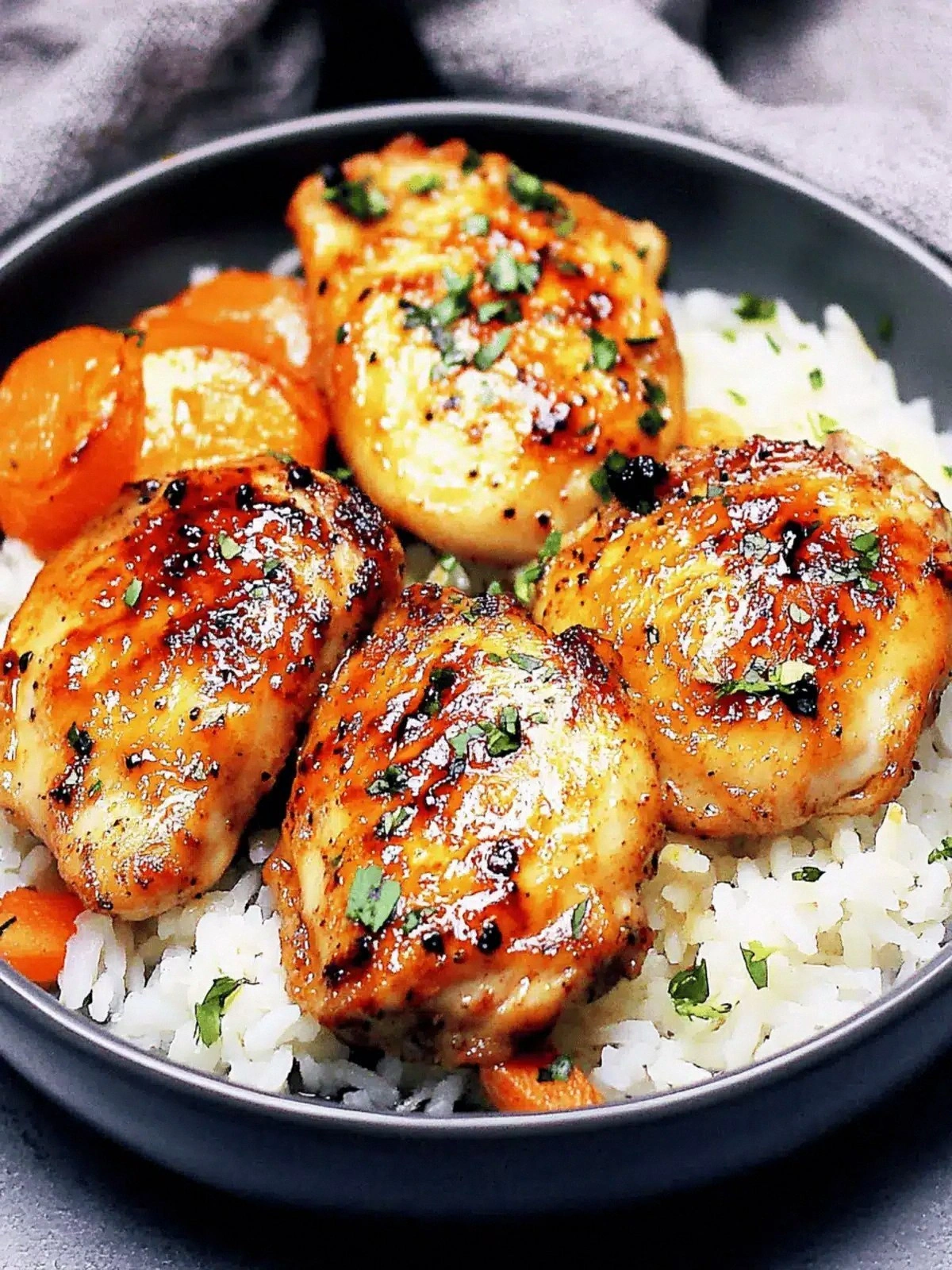
- Preheat your oven to 425°F (220°C). Lightly grease a sheet pan with a small amount of olive oil to prevent sticking. Arrange the chicken thighs skin‑side up, leaving a little space between each piece so the heat circulates evenly. This spacing ensures the skin crispens without steaming. As the pan heats, the air inside will create a gentle sizzle that signals the oven is ready.
- In a medium bowl, whisk together miso paste, soy sauce, honey, minced garlic, and a splash of olive oil until the mixture is smooth and glossy. The garlic should be finely minced to release its flavor without overpowering the glaze. If the mixture is too thick, add a teaspoon of warm water to reach your desired consistency. This step is crucial for a uniform coating that will caramelize beautifully.
- Toss the vegetables in a separate bowl with olive oil, a pinch of salt, pepper, and sesame seeds until each piece is evenly coated. The oil helps the veggies roast and the sesame seeds toast to a fragrant nutty aroma. Arrange the veggies around the chicken on the sheet pan, ensuring they’re spread out in a single layer. This layout maximizes caramelization and prevents steaming. The result is a colorful medley that glistens with the miso glaze.
- Brush the miso glaze generously over the chicken thighs, reserving a small amount for later. The glaze should coat the skin and the meat, creating a shiny, caramelized layer as it cooks. This step is where the sauce really starts to work its magic, infusing the chicken with deep umami flavors. The glaze also helps keep the meat moist by sealing in juices.
- Slide the sheet pan into the preheated oven and bake for 25–30 minutes, or until the chicken reaches an internal temperature of 165°F (74°C) and the vegetables are tender. Watch for the edges of the chicken and veggies; they should blister and develop a golden crust. The aroma during this phase will be irresistible, a blend of roasted veggies and sweet‑savory glaze. If your oven runs hot, lower the temperature by 25°F to avoid burning.
- In the last 5 minutes of baking, stir the reserved glaze until it thickens slightly, then brush it over the chicken again for a glossy finish. The glaze will reduce and form a sticky coating that locks in moisture. This final glaze layer gives the dish a professional, restaurant‑style sheen. Don’t be shy—apply a generous amount for the best flavor.
- Remove the pan from the oven and let the chicken rest for 5 minutes before serving. Resting allows the juices to redistribute, ensuring every bite is succulent. While the chicken rests, sprinkle chopped green onions over the top for a burst of freshness. The green onions also add a pop of color that makes the dish visually appealing.
- Serve hot, spooning extra glaze over the vegetables and chicken. Pair with steamed rice, quinoa, or a simple side of sautéed greens for a balanced meal. The dish is so flavorful that a small portion of rice is enough to soak up the savory sauce. If you’re a fan of extra crunch, a handful of toasted pumpkin seeds makes a great addition.
That's it — you did it. But hold on, I've got a few more tricks that'll take this to another level…
Insider Tricks for Flawless Results
The Temperature Rule Nobody Follows
Most people set their oven too low, leading to undercooked chicken and soggy veggies. The magic temperature is 425°F (220°C), which creates a high heat that caramelizes the glaze quickly while keeping the interior moist. If your oven runs hot, use a lower rack to prevent the edges from burning. Always preheat the oven for at least 10 minutes before placing the pan inside.
Why Your Nose Knows Best
The aroma is a reliable indicator of doneness. When the chicken is nearly finished, the smell will shift from raw to a sweet, toasted scent. The vegetables will emit a nutty fragrance as the sesame seeds toast. Trust your nose; it’s the most accurate tool for timing.
The 5‑Minute Rest That Changes Everything
Letting the chicken rest after baking allows the juices to redistribute, preventing dry bites. A brief rest also lets the glaze set, making it easier to coat the meat evenly. During the rest, the flavors meld, creating a more cohesive taste profile. Skip this step, and you’ll end up with a less juicy, more uneven dish.
Keep the Veggies from Over‑Roasting
If you like your veggies crisp, toss them in a little more oil and a pinch of salt before baking. Over‑roasting can turn them into mush, but a quick sear preserves their bite. Keep an eye on the veggies; the first sign of browning means they’re ready to go. Use a timer to avoid the dreaded over‑cooked carrot.
Use a Silicone Mat for Easy Cleanup
A silicone baking mat keeps the sheet pan clean and prevents sticking. It also helps the pan stay flat, ensuring even cooking. After the meal, just wipe the mat and you’re done—no scrubbing needed. This small investment saves you time and frustration.
Creative Twists and Variations
This recipe is a playground. Here are some of my favorite ways to switch things up:
Spicy Sriracha Miso
Add a tablespoon of sriracha to the glaze for a kick that pairs wonderfully with the sweet honey. The heat balances the richness and adds a smoky undertone. Serve with a cooling cucumber salad to keep the palate fresh.
Coconut‑Infused Sweet Potatoes
Replace the regular potatoes with diced sweet potatoes and stir in a splash of coconut milk during the glaze step. The coconut adds a subtle tropical note that complements the miso. This variation is especially good in the fall when sweet potatoes are at their peak.
Vegan Tofu Version
Swap the chicken thighs for firm tofu cubes. Press the tofu to remove excess moisture, then sear it in a hot pan before adding to the sheet pan. The tofu absorbs the glaze beautifully, creating a plant‑based protein that’s equally satisfying.
Mediterranean Herb Twist
Replace the miso with a mixture of tahini, lemon juice, and oregano. The tahini adds creaminess while the lemon brightens the dish. Add a handful of chopped olives for a briny finish that echoes the Mediterranean vibe.
Winter Root Medley
Swap the seasonal veggies for root vegetables like parsnips, beets, and turnips. Their natural sweetness pairs well with the miso glaze, creating a hearty winter dish. Roast them longer, about 35 minutes, to develop a deeper caramelization.
Quick Stir‑Fry Variation
Finish the dish by quickly stir‑frying the roasted veggies and chicken in a hot wok with a splash of soy sauce. This gives the dish a different texture and allows you to serve it over noodles or rice in a fraction of the time.
Storing and Bringing It Back to Life
Fridge Storage
Store leftovers in an airtight container in the refrigerator for up to 3 days. The glaze may thicken slightly, but it will still taste delicious. When reheating, add a splash of water or broth to loosen the sauce and preserve moisture.
Freezer Friendly
You can freeze the cooked chicken and veggies separately for up to 2 months. Thaw overnight in the refrigerator, then reheat in a skillet with a splash of water to keep them juicy. The miso glaze may become a bit watery, but it will re‑thicken when heated.
Best Reheating Method
Reheat in a preheated oven at 350°F (175°C) for 10–12 minutes, or until the internal temperature reaches 165°F (74°C). If you’re short on time, microwave on medium power for 2 minutes, then finish in a skillet. The key is to avoid over‑cooking; a quick heat burst keeps the texture intact.