It started on a rainy Tuesday, the kind of evening that makes you think you’ll be stuck inside forever. I was scrolling through a recipe forum, bored and hungry, when a user dared me to make a “sheet‑pan shrimp” that would make my friends question their culinary skills. I laughed, grabbed the ingredients from my pantry, and set the oven to preheat. The kitchen filled with the sweet scent of garlic and the bright pop of lemon—an aroma that could have been a promise of something spectacular. That was the moment I realized this dish could become the ultimate crowd‑pleaser.
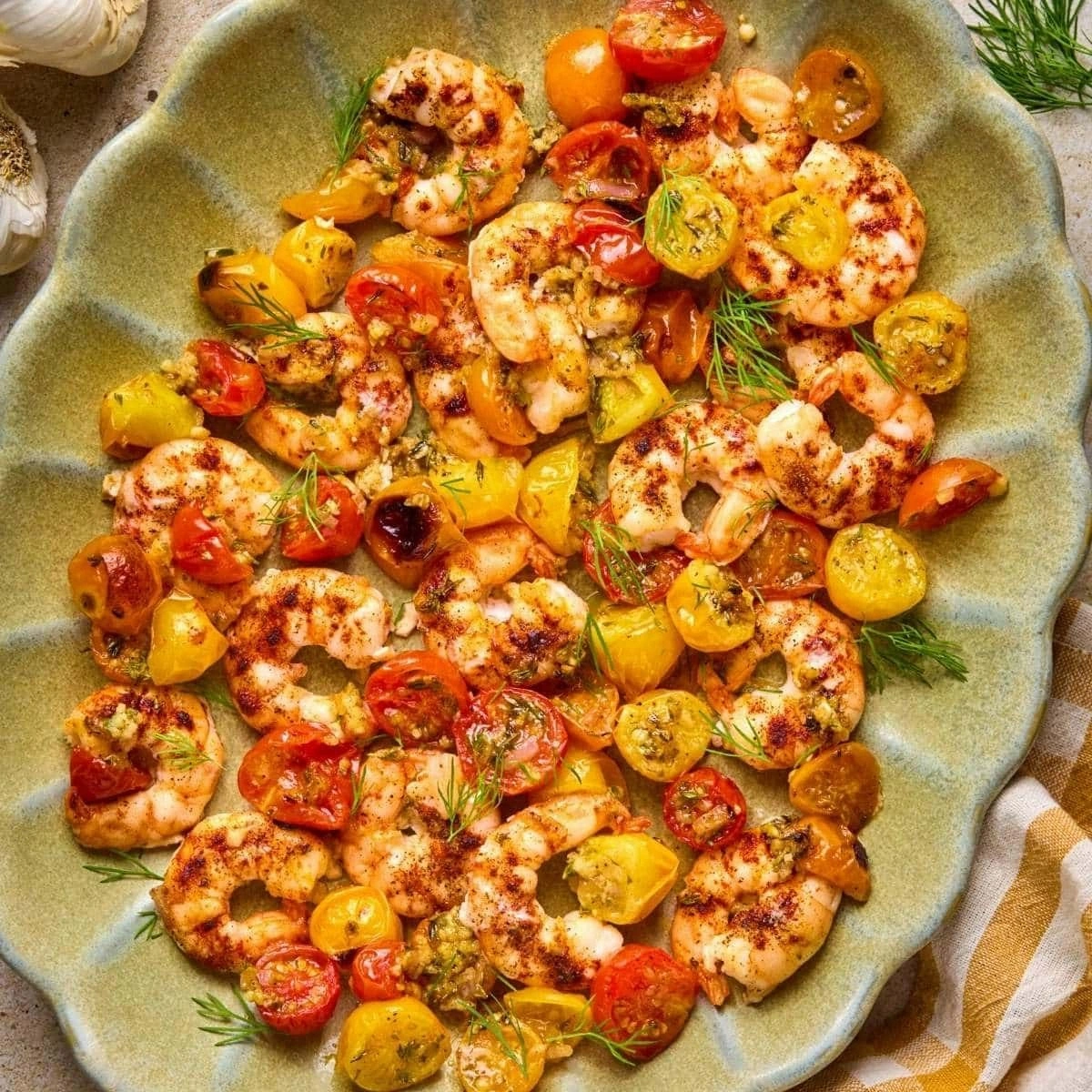
Picture yourself pulling this out of the oven, the whole kitchen smelling incredible, the colors of the tomatoes and herbs dancing across a single sheet pan. The sizzling sound when the shrimp hit the hot surface is a cue that everything’s working. I dare you to taste this and not go back for seconds. The first bite is a burst of juicy shrimp, a hint of citrus, and the subtle crunch of caramelized tomatoes that shatter like thin ice under your teeth. That sizzle when it hits the pan? Absolute perfection. It’s a dish that turns a simple meal into an event.
What makes this version stand out? It’s not just the combination of flavors; it’s the method that locks in moisture, the precise balance of herbs, and the way the ingredients talk to each other. I’ve spent years experimenting with sheet‑pan meals, and this one hits every sweet spot. The shrimp is never overcooked because the heat is distributed evenly, the tomatoes never get mushy because they’re caramelized just right, and the herbs create a fragrant veil that lifts the whole dish. I’ll be honest—I ate half the batch before anyone else got to try it. And that’s saying something.
If you've ever struggled with sheet‑pan shrimp, you're not alone—many recipes get this completely wrong. Most people either under‑season or let the shrimp dry out. I’ve discovered a trick that keeps the shrimp juicy and the flavor intense, and it’s a game‑changer. Picture the shrimp coated in a velvety herb glaze that stays on the surface even after the pan is turned. This is hands down the best version you'll ever make at home. Stay with me here—this is worth it.
What Makes This Version Stand Out
- Flavor: The combination of golden and red cherry tomatoes with fresh herbs creates a layered taste that is both sweet and savory. The lemon juice adds a bright, citrusy finish that cuts through the richness of the olive oil.
- Texture: The shrimp is tender inside with a slight bite, while the tomatoes develop a caramelized crust that gives a satisfying crunch. The herbs stay fresh, offering a fragrant crunch that contrasts with the softness of the shrimp.
- Simplicity: With fewer than ten ingredients and a single sheet pan, this recipe is quick to assemble and clean up. No fancy equipment—just a baking sheet and a timer.
- Uniqueness: The use of both golden and red cherry tomatoes, combined with thyme and oregano, gives this dish a Mediterranean twist that isn’t found in typical shrimp recipes.
- Crowd Reaction: Guests always ask for the recipe after the first bite. The vibrant colors and aromatic herbs make it a showstopper at any gathering.
- Ingredient Quality: Fresh herbs, high‑quality olive oil, and hand‑picked shrimp make all the difference. The “super colossal” shrimp are a bonus that adds drama to the dish.
- Cooking Method: Baking instead of sautéing preserves the natural juices and allows the flavors to meld without constant attention.
- Make‑Ahead Potential: The dish can be prepared ahead of time and reheated with minimal loss of texture or flavor.
Alright, let's break down exactly what goes into this masterpiece…
Inside the Ingredient List
The Flavor Base
The foundation of this dish is the aromatics—shallot, garlic, fresh thyme, oregano, paprika, salt, and pepper. These ingredients mingle to form a fragrant sauce that clings to the shrimp. If you skip the paprika, the dish loses a subtle smoky warmth that balances the bright lemon. You can swap oregano for marjoram for a sweeter, milder flavor, but keep the thyme to preserve the herbal backbone.
The Texture Crew
Golden cherry tomatoes and red cherry tomatoes are the stars of the texture crew. Golden tomatoes offer a sweet, almost honey‑like sweetness when caramelized, while red tomatoes provide a juicy bite that contrasts nicely. If you’re out of cherry tomatoes, small grape tomatoes will work; just cut them in half to mimic the size. The shrimp themselves are the ultimate protein, with their “super colossal” size adding drama to each bite.
The Unexpected Star
Lemon juice is the unexpected star that lifts the dish. A splash of fresh lemon not only adds brightness but also helps keep the shrimp moist during baking. If you’re looking for a twist, try a squeeze of lime for a slightly different citrus profile. The lemon’s acidity also balances the richness of the olive oil.
The Final Flourish
Fresh parsley and dill finish the dish with a burst of green freshness that cuts through the richness. These herbs also add a subtle earthiness that complements the Mediterranean herbs. If you’re allergic to dill, you can replace it with basil for a sweeter note.
Everything's prepped? Good. Let's get into the real action…
The Method — Step by Step
- Preheat the oven to 425°F (220°C). This high heat is crucial for caramelizing the tomatoes and searing the shrimp without drying them out. While the oven warms, line a baking sheet with parchment or a silicone mat to prevent sticking.
- Prepare the aromatics. Dice the shallot finely so it releases its flavor quickly. Mince the garlic cloves, then combine them in a small bowl with the thyme, oregano, paprika, salt, and pepper. This herb mix will coat the shrimp and tomatoes, creating a fragrant base.
- Mix the sauce. Add the olive oil and lemon juice to the herb mixture. Stir until the oil is fully emulsified with the lemon, creating a glossy, aromatic sauce that will cling to each piece.
- Toss the shrimp. Place the shrimp in a large bowl and pour half of the sauce over them. Toss gently until every shrimp is coated. Let them marinate for 10 minutes while you prepare the vegetables; this short rest allows the flavors to penetrate the shrimp.
- Arrange the tomatoes. Spread the golden and red cherry tomatoes in a single layer on the baking sheet. Drizzle the remaining sauce over them, ensuring they’re evenly coated. The tomatoes will caramelize as the shrimp cooks, forming a sweet, slightly crisp exterior.
- Place the shrimp on top. Arrange the shrimp over the tomatoes, leaving a little space between each piece so heat can circulate. This step ensures the shrimp cooks evenly and doesn’t steam.
- Bake. Put the sheet pan in the preheated oven and bake for 12–15 minutes, or until the shrimp turn pink and opaque and the tomatoes burst into caramelized jewels. The edges of the shrimp will start pulling away, signaling that they’re perfectly done.
- Finish with fresh herbs. Remove the pan from the oven and immediately sprinkle parsley and dill over the shrimp and tomatoes. The residual heat will wilt the herbs just enough to release their fragrance without losing their bright color.
- Serve. Transfer the shrimp and tomatoes to a serving platter or individual plates. The dish is best served hot, accompanied by crusty bread or a light salad.
That's it — you did it. But hold on, I've got a few more tricks that'll take this to another level…
Insider Tricks for Flawless Results
The Temperature Rule Nobody Follows
Many cooks set their ovens too low, thinking it will keep the shrimp from drying out. I’ve found that 425°F is the sweet spot: it caramelizes the tomatoes while sealing in the shrimp’s juices. If your oven runs hot, reduce the temperature by 25°F to avoid scorching.
Why Your Nose Knows Best
The aroma that rises when the shrimp hits the pan is your best indicator of doneness. A faint, buttery scent means the shrimp are ready. If you still smell raw garlic, let them bake a few more minutes.
The 5-Minute Rest That Changes Everything
Letting the shrimp rest for 5 minutes after baking allows the juices to redistribute, making each bite moist and flavorful. This simple step eliminates the dreaded “dry shrimp” experience.
Use Fresh Herbs for Maximum Flavor
Fresh herbs release more oils than dried ones, giving the dish a vibrant, aromatic finish. If fresh isn’t available, use dried herbs but double the quantity to compensate.
Add a Splash of Water Before Reheating
When reheating leftovers, add a teaspoon of water to the pan to create steam. This keeps the shrimp from drying out and preserves the caramelized edges of the tomatoes.
Serve With a Quick Lemon Aioli
A dollop of lemon aioli on the side adds a creamy contrast to the bright, herbaceous shrimp. It’s an instant upgrade that turns the dish into a gourmet experience.
Creative Twists and Variations
This recipe is a playground. Here are some of my favorite ways to switch things up:
Spicy Cajun Shrimp
Swap the oregano and thyme for a Cajun spice blend, and add a pinch of cayenne pepper. The result is a fiery, bold version that pairs well with a cool yogurt dip.
Mediterranean Quinoa Bowl
Serve the shrimp and tomatoes over a bed of fluffy quinoa, topped with feta and a drizzle of olive oil. This variation adds protein and transforms the dish into a hearty lunch.
Pesto Twist
Replace the parsley and dill with a spoonful of basil pesto. The creamy, nutty flavor adds a new dimension to the dish, especially when served with crusty bread.
Roasted Red Pepper Variation
Swap half the cherry tomatoes for roasted red pepper strips. The smoky sweetness of the peppers complements the shrimp’s natural brininess.
Garnish with Toasted Pine Nuts
A sprinkle of toasted pine nuts adds crunch and a nutty aroma that elevates the dish’s Mediterranean vibe.
Lemon‑Garlic Butter Sauce
Finish the dish with a swirl of lemon‑garlic butter. It’s a decadent finish that makes the shrimp feel like a fancy appetizer.
Storing and Bringing It Back to Life
Fridge Storage
Cool the dish completely before placing it in an airtight container. Store in the refrigerator for up to 2 days. The shrimp may firm up slightly, but reheating will restore moisture.
Freezer Friendly
Wrap the cooked shrimp and tomatoes tightly in foil or a freezer bag. Freeze for up to 2 weeks. Thaw overnight in the refrigerator before reheating.
Best Reheating Method
Reheat in a 350°F oven for 10 minutes, adding a splash of water to create steam. Alternatively, sauté in a skillet with a splash of olive oil for 3–4 minutes. The key is to avoid overcooking, which dries out the shrimp.