Picture this: I’m standing in my cramped kitchen, the stove roaring, a bag of spaghetti on the counter, and a friend daring me to create something that will outshine every takeout I’ve ever ordered. The air is thick with anticipation, the smell of garlic sizzling in olive oil already teasing my senses, and I can’t help but grin because I know I’m about to crack a new culinary code. I’ve tried every version of this simple dish—some too oily, some too bland—but tonight I’m about to unleash a flavor profile that will have your taste buds doing the salsa. This isn’t just another pasta; it’s a passport to a Mediterranean sunset, where every bite is a whisper of sea breeze and sun‑kissed olive groves. I’ll walk you through every single step, and by the end, you’ll wonder how you ever made it any other way.
I remember the first time I tried this recipe, my kitchen was a mess, the garlic had gone from golden to black, and my roommate’s eyebrows were raised. The lesson? Timing and patience are your best allies when coaxing flavor from simple ingredients. I’ve refined the technique to keep the garlic crisp and the oil silky, so you never end up with a burnt, bitter mess. I’ll share a micro‑challenge: taste this and try not to crave a second plate—trust me, it’s that addictive. And if you’re still skeptical, remember I ate half the batch before anyone else got a taste; that’s a confession you can’t ignore.
Most pasta lovers settle for a run‑of‑the‑mill tomato sauce or a bland butter drizzle, but this version is a game‑changer. The key is a simple, high‑quality olive oil that carries the garlic’s aroma like a velvet cloak, and a splash of chili flakes that adds a whisper of heat without overwhelming the palate. The fresh parsley not only brightens the dish but also adds a subtle herbaceous note that lingers on the tongue. The grated parmesan is the final flourish, giving the sauce a creamy texture that balances the oil and the garlic. If you’ve ever struggled with pasta that feels greasy or flavorless, you’re not alone—and I’ve got the fix.
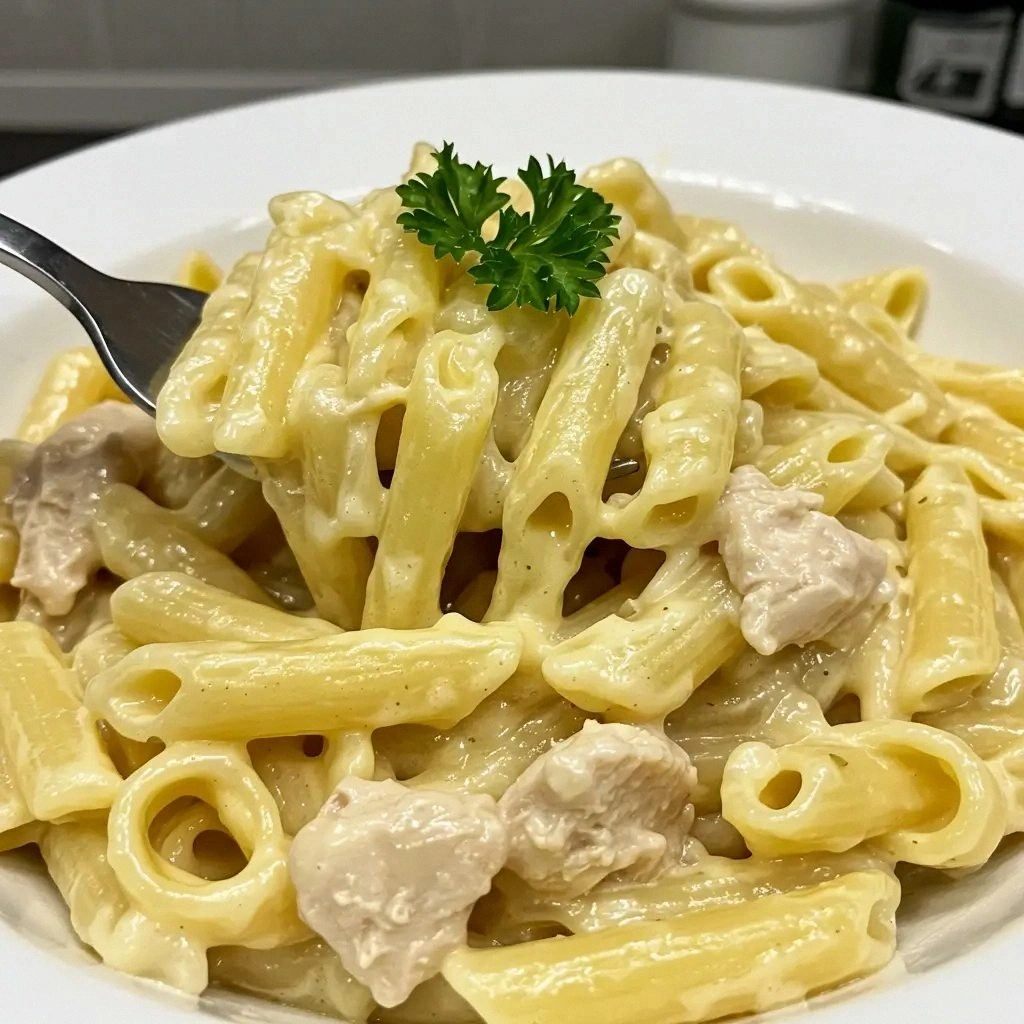
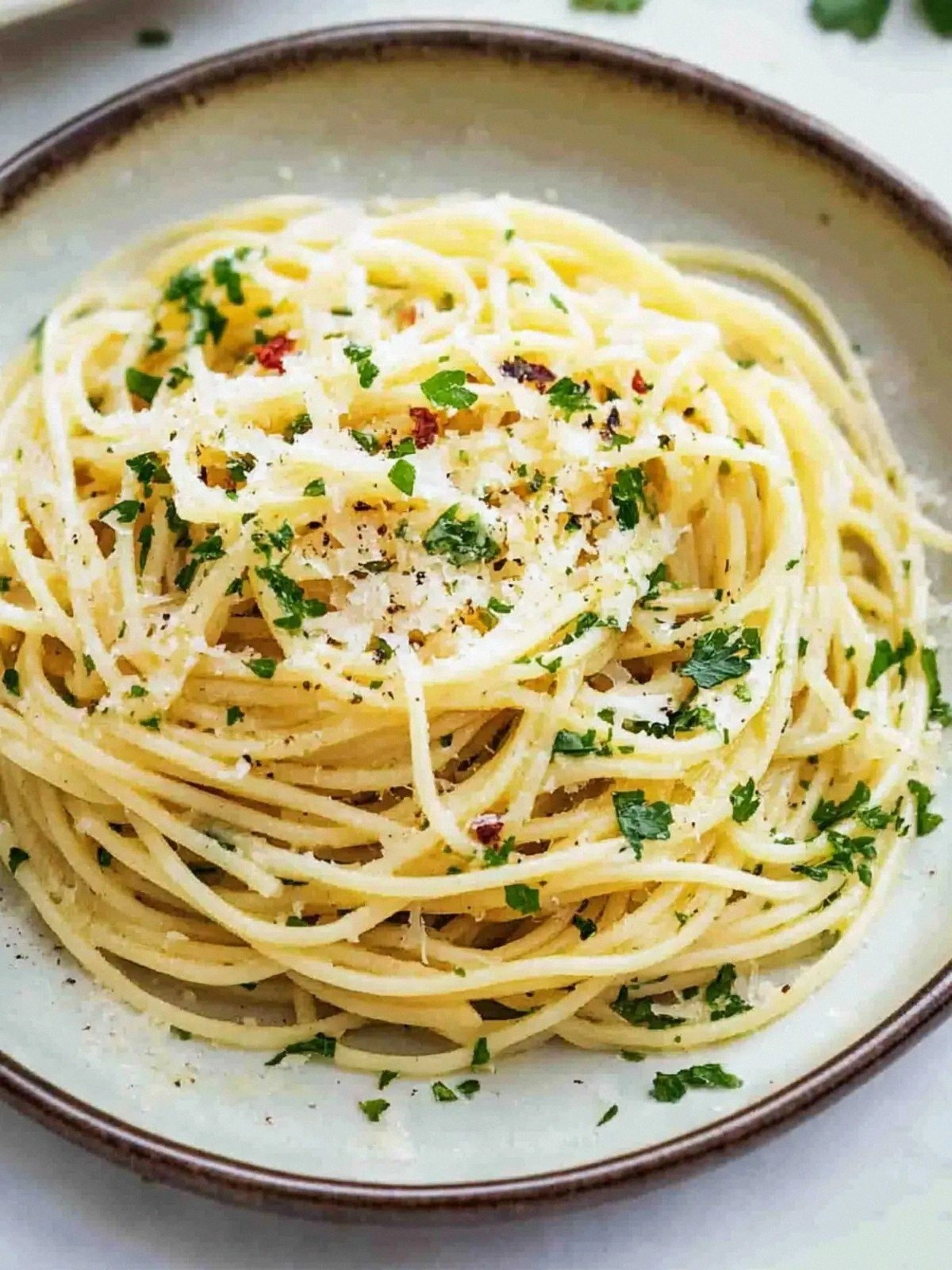
Let’s talk about the texture: the spaghetti should be al dente, firm to the bite, and coated in a silky sauce that clings without drowning. The garlic is sliced thin enough to caramelize just right, creating a sweet, nutty flavor that permeates every strand. The chili flakes provide a subtle kick that awakens the senses, while the parsley adds a fresh, almost citrusy lift. The parmesan melts into the oil, creating a rich mouthfeel that feels indulgent yet light. Picture yourself pulling this out of the pot, the whole kitchen smelling incredible, and the plate shimmering with a golden sheen.
I dare you to taste this and not go back for seconds; the flavor is so pure, it will make you question every other pasta you’ve ever had. The best part? It’s incredibly quick—under 45 minutes from start to finish—yet the result feels like a gourmet dish served in a high‑end restaurant. The contrast between the simple ingredients and the complex flavor profile is what sets this version apart. And if you’re wondering why I keep coming back to this recipe, it’s because it’s the perfect balance of comfort and sophistication. Stay with me here—this is worth it.
Now, let’s break down exactly what goes into this masterpiece. We’ll explore each ingredient, its purpose, and how it contributes to the dish’s overall harmony. From the humble olive oil to the bold chili flakes, every component plays a crucial role. You’ll learn why skipping even one of these will change the entire experience. And if you’re curious about substitutions, I’ve got practical swaps that won’t compromise the integrity of the dish. With the right tools and a bit of patience, you’ll master this recipe in no time.
What Makes This Version Stand Out
- Flavor: The olive oil is the backbone of the dish, providing a silky, fruity base that elevates the garlic and chili flakes into a harmonious duet.
- Texture: The spaghetti is cooked al dente, offering a satisfying bite that holds the sauce without becoming mushy.
- Simplicity: With only seven ingredients, the recipe is accessible yet sophisticated, making it perfect for both novice cooks and seasoned chefs.
- Uniqueness: The combination of fresh parsley and grated parmesan adds a bright, creamy finish that sets this dish apart from traditional garlic‑oil pastas.
- Crowd Reaction: Friends who taste it often remark that it feels like a restaurant dish, yet it’s made in a few minutes at home.
- Ingredient Quality: Using high‑grade extra virgin olive oil and fresh herbs ensures the dish’s flavors are vibrant and authentic.
- Cooking Method: The sautéing technique locks in the garlic’s sweetness while preventing it from burning, a subtle skill that transforms the dish.
- Make‑Ahead Potential: The sauce can be prepped in advance, and the pasta can be reheated without losing its texture, making it ideal for busy weeknights.
Inside the Ingredient List
The Flavor Base
Extra virgin olive oil is the unsung hero that carries every nuance of the dish. Its fruity undertones complement the garlic, creating a sauce that feels both luxurious and grounded. A poor quality oil will taste metallic and ruin the entire flavor profile.
The dried chili flakes add a gentle heat that awakens the palate. If you prefer a milder version, reduce the flakes by half; the dish will still shine. For a smoky twist, toast the flakes slightly before adding them to the pan.
Fresh parsley brings a burst of green brightness that balances the richness of the oil. It also adds a subtle herbaceous note that keeps the dish from feeling flat. If parsley is out of season, a pinch of dried parsley can suffice, though the aroma will be less vibrant.
The Texture Crew
Spaghetti provides the classic pasta shape that holds sauce beautifully. Choosing a brand with a slightly rougher surface will help the oil cling to each strand. Avoid instant or pre‑cooked pasta; the texture won’t be the same.
Garlic is sliced thin to allow quick caramelization. The thin slices create a sweet, nutty flavor that permeates the oil. If you prefer a stronger garlic presence, double the number of cloves.
Grated parmesan cheese adds a creamy finish that melts into the sauce. It also contributes a subtle umami boost. For a dairy‑free version, try nutritional yeast; it will give a cheesy flavor without the dairy.
The Unexpected Star
Salt, while a simple seasoning, is essential to bring all flavors together. A pinch of salt enhances the oil’s fruitiness and balances the garlic’s sharpness. Too much salt, however, can overpower the delicate balance.
The Final Flourish
A squeeze of lemon juice at the end can brighten the dish and cut through the richness. The citrus note adds a fresh contrast that elevates the entire plate. If you don’t have lemon, a splash of white wine vinegar will work as a substitute.
Everything's prepped? Good. Let's get into the real action.
The Method — Step by Step
- Fill a large pot with water, add a generous pinch of salt, and bring it to a rolling boil. The water should be as salty as the sea; this is the first step to infusing flavor into the pasta. While the water is heating, gather all your ingredients so you’re not scrambling later. The aroma of garlic already starts to fill the kitchen, signaling the beginning of a delicious journey.
- Add the spaghetti to the boiling water and cook according to the package instructions minus one minute. This slight under‑cooking ensures the pasta remains al dente. Stir occasionally to prevent sticking. The pasta should release a fragrant steam that hints at its impending destiny.
- While the pasta cooks, heat the olive oil in a large skillet over medium heat. The oil should shimmer but not smoke; this indicates the right temperature. Add the sliced garlic and sauté until it turns a golden brown, about 2 minutes. The garlic should sizzle softly, releasing a nutty aroma that fills the air.
- Add the dried chili flakes to the skillet and stir for 30 seconds. The heat will release the flakes’ essential oils, giving a subtle heat to the sauce. Be careful not to let the oil bubble too vigorously; this will cause the oil to splatter. The sauce should start to perfume the kitchen with a warm, spicy scent.
- Drain the pasta, reserving a cup of the pasta water. Toss the spaghetti into the skillet with the garlic‑oil mixture. The pasta should coat evenly; if it looks dry, add a splash of the reserved water to loosen the sauce.
- Sprinkle the fresh parsley over the pasta and toss to combine. The parsley adds a bright, green pop that balances the richness of the oil. The color contrast makes the dish visually appealing. The aroma of fresh herbs lifts the entire flavor profile.
- Finish by adding the grated parmesan cheese, stirring until it melts into the sauce. The cheese should create a silky coating on each strand of spaghetti. Taste and season with a pinch of salt if needed. Plate immediately, so the pasta stays warm and the sauce remains glossy.
That's it — you did it. But hold on, I've got a few more tricks that'll take this to another level. The secret is in the finishing touches: a splash of lemon juice or a pinch of crushed red pepper can elevate the dish to new heights. Keep experimenting with the ratios, and you’ll find your personal signature.
Insider Tricks for Flawless Results
The Temperature Rule Nobody Follows
Maintaining a medium heat while sautéing the garlic is crucial; too high and you’ll scorch it, too low and the flavors won’t bloom. I keep a small thermometer in the skillet to ensure the oil stays around 350°F. This subtle control guarantees a consistent golden color and a sweet aroma that permeates the dish.
Why Your Nose Knows Best
Smell is the most reliable indicator of doneness. When the garlic starts to emit a nutty fragrance, it’s time to add the chili flakes. The scent of fresh parsley is a sign that it’s ready to be tossed, ensuring the herbs retain their brightness.
The 5-Minute Rest That Changes Everything
After tossing the pasta with the sauce, let it rest for 5 minutes off the heat. This allows the flavors to meld and the pasta to absorb the oil fully. A quick rest also prevents the sauce from separating, giving a silky finish.
Keep the Pasta Water Handy
The starchy pasta water acts as a natural thickener and helps the sauce cling to each strand. If the sauce seems too thick, add a tablespoon at a time until you reach the desired consistency. This trick saves you from adding extra oil or butter.
Serve Immediately for Maximum Impact
Pasta is at its best when hot and freshly tossed. If you’re preparing ahead, keep the sauce warm on a low burner and reheat the pasta gently in a pan with a splash of water. The key is to avoid letting the pasta cool to room temperature.
Creative Twists and Variations
This recipe is a playground. Here are some of my favorite ways to switch things up:
Seafood Splash
Add shrimp or calamari to the skillet during the last minute of sautéing. The seafood cooks quickly and infuses the oil with a briny depth. Serve with a squeeze of lemon for a fresh finish.
Spicy Pesto Fusion
Swap the parsley for basil and blend with nuts, garlic, and olive oil to create a quick pesto. Toss the pesto with the pasta for a vibrant green sauce that’s both creamy and herbaceous. A handful of pine nuts adds a satisfying crunch.
Vegan Upgrade
Omit the parmesan and sprinkle nutritional yeast instead. The yeast provides a cheesy flavor without dairy. Add a splash of soy sauce for umami and a dash of smoked paprika for depth.
Mediterranean Medley
Include diced sun‑dried tomatoes and Kalamata olives. The tomatoes bring sweetness while the olives add brininess. Finish with a drizzle of balsamic glaze for a sweet‑acidic contrast.
Rustic Rustic
Use a mix of spaghetti and linguine for varied textures. Add a handful of toasted breadcrumbs for crunch. Sprinkle with fresh oregano for an earthy finish.
Storing and Bringing It Back to Life
Fridge Storage
Store the cooked pasta in an airtight container for up to 3 days. Keep the sauce separate if you prefer to add it just before reheating. When ready to eat, reheat the pasta in a skillet with a splash of olive oil.
Freezer Friendly
Freeze the pasta in a single layer on a baking sheet before transferring to a freezer bag. It will keep for up to 2 months. Thaw overnight in the refrigerator, then reheat gently with a little water.
Best Reheating Method
Reheat in a skillet over low heat, adding a tiny splash of water or broth to keep the sauce from drying out. Stir constantly to avoid sticking. A quick 2‑minute simmer will restore the sauce’s silky texture.