Love this? Pin it for later! 📌
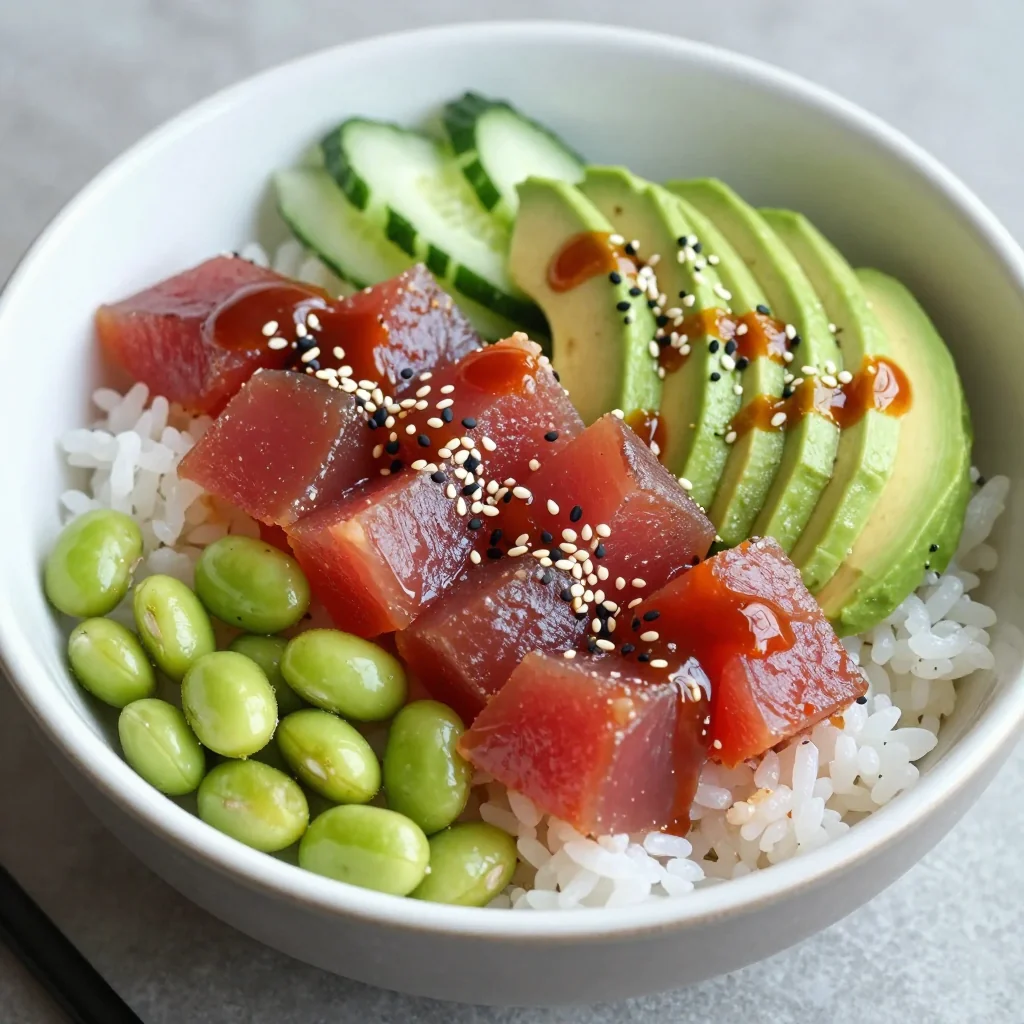
I still remember the first time I tasted a spicy tuna poke bowl—sunlight streaming through the windows of a tiny Hawaiian café, the scent of sesame and fresh ginger swirling in the air, and that very first bite: cool, velvety cubes of ruby tuna bathed in a silky, fiery sauce, nestled against perfectly sticky rice and crunchy vegetables. I was supposed to be on a conference call in twenty minutes, yet there I was, scraping the bowl and plotting my return before I’d even left the parking lot.
Fast-forward a decade and hundreds of homemade poke bowls later, and this spicy tuna version has become my go-to meal-prep superstar. It’s the recipe I email to coworkers who “don’t cook,” the one I batch-assemble on Sunday nights while binge-listening to podcasts, and the dish that turns lunch envy into serious office bragging rights. Whether you’re fueling marathon training, feeding hungry teenagers, or simply craving something that tastes like take-out but costs a fraction of the price, these make-ahead poke bowls deliver big, bold flavor without any last-minute fuss.
Below you’ll find my meticulously tested method: sushi-grade tuna marinated in a sriracha-kicked soy dressing, fluffy short-grain rice scented with rice vinegar, and a rainbow of toppings that stay crisp for days. Grab your sharpest knife, your favorite storage containers, and let’s turn this week’s lunches into something worth celebrating.
Why This Recipe Works
- 15-Minute Marinade: A short soak infuses the tuna with flavor without “cooking” it, keeping the texture buttery.
- Scalable Heat: Easily dial the spice up or down by adjusting sriracha and chili crisp.
- Component Assembly: Store rice, tuna, and toppings separately so nothing gets soggy.
- Macro-Friendly: Each bowl boasts 34 g of lean protein, slow-burn carbs, and healthy fats.
- Budget-Smart: One pound of sushi-grade tuna makes four generous bowls for less than one restaurant serving.
- Color-Coded Veggies: Using a mix of vegetables keeps meals visually exciting—and packed with antioxidants.
- Freezer-Friendly Rice: Make a double batch of rice, cool, and freeze in portions; thaw overnight for lightning-fast assembly.
Ingredients You'll Need
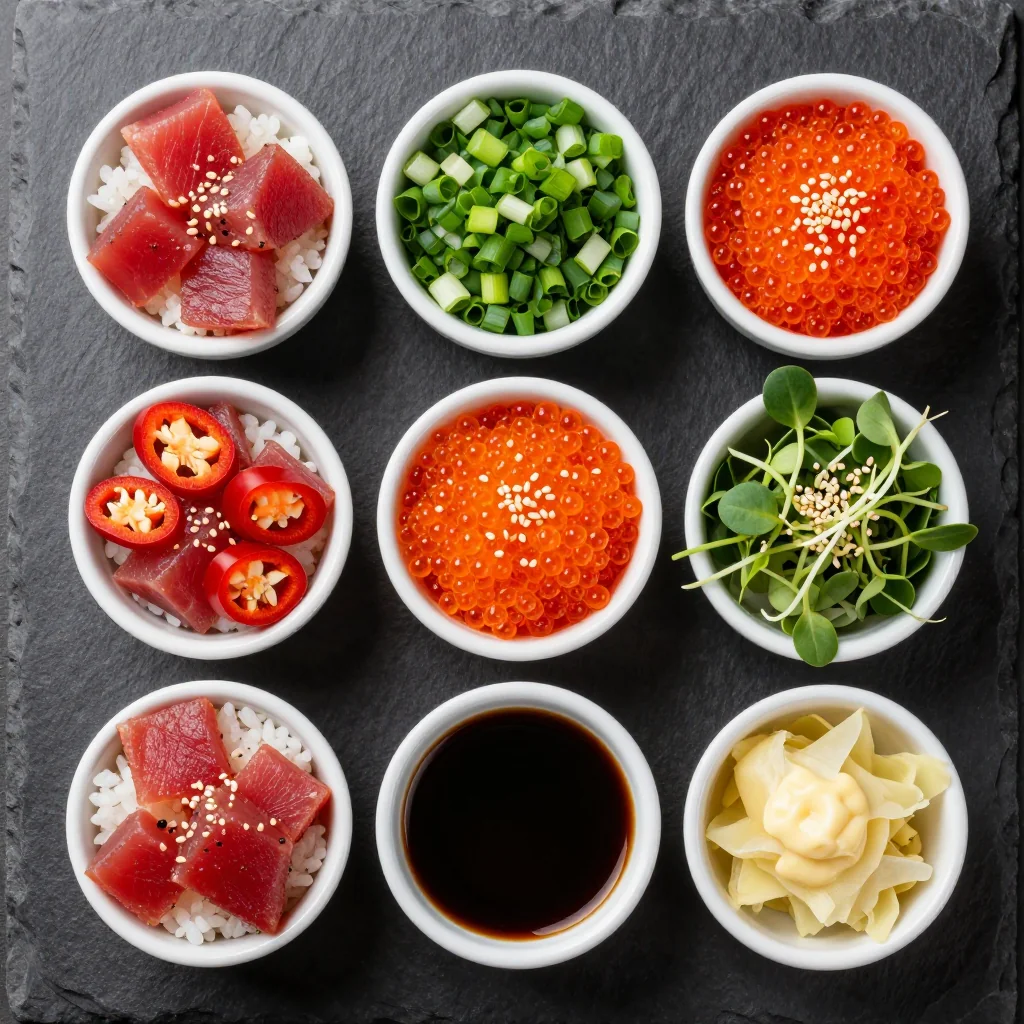
Great poke starts with impeccable produce and properly handled fish. Below is a quick shopping guide plus my favorite swaps so you can customize bowls to your pantry, budget, and dietary needs.
Sushi-Grade Tuna: Look for deep-red, almost translucent blocks labeled “sushi-” or “sashimi-grade.” Your fishmonger should be able to tell you when it arrived; anything over 24 hours old gets a polite pass. If tuna feels daunting, pasteurized crab, cooked shrimp, or even watermelon “tuna” are terrific stand-ins.
Short-Grain Rice: Sometimes labeled “sushi rice,” its higher starch content gives that signature cling without becoming mushy. Rinse under cool water until it runs clear; this removes excess surface starch and prevents gummy rice. Day-old refrigerated rice works wonderfully for poke bowls—its slightly drier texture soaks up the dressing without turning to mush.
Rice Vinegar: Adds gentle acidity that brightens rice and balances the salty-sweet marinade. In a pinch, apple-cider vinegar cut with a teaspoon of water works, but avoid distilled white vinegar—it’s too harsh.
Soy Sauce: Opt for low-sodium so you can control salt levels. Tamari keeps the recipe gluten-free, while coconut aminos reduce sodium further and add subtle sweetness.
Sesame Oil: A few drops lend toasty richness. Purchase a small bottle; the oil goes rancid quickly once opened. Keep it in the fridge and sniff before each use—if it smells metallic, toss it.
Sriracha: The familiar rooster sauce supplies garlicky heat and a touch of sugar that caramelizes ever so slightly on the tuna. Need more fire? Add a spoonful of Korean gochujang or Chinese chili crisp.
Vegetables: I use a rainbow combo—julienned carrots, sliced cucumber, shelled edamame, and quick-pickled radishes—for crunch and color. Kale or cabbage massaged with a drop of sesame oil stay crisp for days, making them meal-prep heroes.
Crunchy Toppers: Toasted sesame seeds, furikake, or crushed roasted seaweed bring umami depth. For a low-carb crunch, add a handful of shaved jicama or toasted coconut flakes.
How to Make Spicy Tuna Poke Bowls For A Fresh Meal Prep
Prep Your Rice
Rinse 1 cup short-grain rice under cold water until the liquid runs clear. Combine with 1¼ cups water in a small saucepan, bring to a simmer, cover, and cook over low heat 12 minutes. Remove from heat; let stand 10 minutes, then fold in 1 tablespoon rice vinegar, ½ teaspoon sugar, and ¼ teaspoon kosher salt. Spread on a plate to cool quickly, then refrigerate in an airtight container up to 4 days.
Cube the Tuna
Pat 1 pound sushi-grade tuna dry with paper towels. Using a very sharp knife, slice into ½-inch cubes against the grain. Keep the pieces uniform so they marinate evenly. Place in a clean glass or stainless bowl set over ice to maintain peak freshness.
Whisk the Spicy Marinade
In a small bowl, combine 3 tablespoons low-sodium soy sauce, 1 tablespoon toasted sesame oil, 1½ tablespoons sriracha, 1 teaspoon grated fresh ginger, 1 clove grated garlic, 1 teaspoon rice vinegar, and ½ teaspoon honey. Taste; add more sriracha if you like it fiery or a splash more honey for sweetness.
Marinate the Tuna
Pour the marinade over the cubed tuna and fold gently with a silicone spatula to coat every piece. Cover and refrigerate 10–15 minutes; longer than 20 minutes will start to cure the edges, altering that silky texture we’re after.
Prep the Veggies
While the tuna chills, julienne 1 large carrot, thinly slice ½ English cucumber, shred 1 cup purple cabbage, and halve ½ cup cherry tomatoes. For extra pop, quick-pickle radishes: toss ½ cup rice vinegar, ¼ cup water, 1 teaspoon sugar, and pinch of salt over thin radish rounds; let stand 5 minutes, then drain.
Portion the Rice
Spoon ¾ cup cooked rice into each of four 3-cup capacity meal-prep containers. Lightly press to level the surface; this creates a stable base and prevents toppings from sliding around during transport.
Add Protein
Using a slotted spoon, lift the marinated tuna from the bowl, letting excess sauce drip off. Arrange 4–5 ounces tuna over each rice mound. Drizzle with 1 teaspoon of the remaining marinade for extra flavor; discard the rest that has been in contact with raw fish.
Pile on Color
Create small sections of vegetables on top of the tuna—this not only looks gorgeous but also prevents moisture transfer. Finish with ¼ cup shelled edamame, 1 tablespoon sliced scallions, and a sprinkle of toasted sesame seeds or furikake.
Pack the Sauce
In 1-ounce mini containers or silicone muffin cups, portion an extra drizzle (1 teaspoon soy + ½ teaspoon sriracha each). Add just before eating to keep everything perky and bright.
Chill & Serve
Seal containers and refrigerate up to 3 days. For best texture, let the bowl sit at room temp 10 minutes before eating; this relaxes the rice and awakens the flavors.
Expert Tips
Keep Everything Ice-Cold
Fish safety is paramount. Place your cutting board on a rimmed baking sheet lined with ice packs; the tuna stays firm and safer to cube.
Pat, Don’t Press
Excess moisture dilutes flavor. Use lint-free paper towels to gently blot the tuna before cubing; your marinade will cling evenly.
Sharpen Your Knife
A dull blade mashes the fish, creating ragged edges that absorb too much sauce. A sharp knife equals pristine cubes and better texture.
Batch-Prep Veg on Sunday
Wash, julienne, and store veggies in paper-towel-lined glass containers. They stay crisp all week and can do double duty in salads or stir-fries.
Separate Sauces
Moisture is the enemy of meal-prep longevity. Pack sauces, citrus wedges, and avocado halves separately until just before serving.
Flash-Freeze Avocado
If you love creamy avocado but hate browning, dice it, toss in lime juice, and freeze on a tray. Thaw 5 minutes; it stays bright green and chilled.
10-Minute Room-Temp Rule
Cold dulls flavors. Let your assembled bowl rest 10 minutes before eating; the rice softens and the tuna’s natural sweetness shines.
Repurpose Leftover Rice
Extra rice? Freeze flat in zip-top bags. Break off chunks for fried rice or soup; it thaws almost instantly in hot broth.
Variations to Try
-
Sesame Mango: Swap sriracha for 1 tablespoon yuzu juice and fold in diced mango; top with toasted coconut flakes for tropical vibes.
-
Keto-Style: Replace rice with cauliflower rice sautéed in sesame oil; use monk-fruit syrup instead of honey.
-
Spicy Salmon: Substitute an equal amount of sushi-grade salmon; add extra lemon zest to cut through the richness.
-
Vegan Power: Use marinated watermelon cubes or roasted beets; add edamame and hemp seeds for protein.
-
Kimchi Crunch: Top with a spoonful of well-drained kimchi and crushed roasted seaweed for probiotic punch and extra crunch.
-
California Roll Bowl: Add diced avocado, imitation crab, and a drizzle of spicy mayo (sriracha + kewpie) for take-out nostalgia.
Storage Tips
Refrigeration: Assembled bowls (minus avocado and sauce drizzle) keep 3 days in the coldest part of your fridge. Slide a paper towel under the container lid to absorb condensation. Store avocado halves, sauce cups, and crispy toppings in separate mini containers.
Freezing: Rice freezes beautifully—cool completely, press flat into zip-top bags, and freeze up to 2 months. Tuna should never be frozen once marinated; however, you can freeze raw tuna (well-wrapped) for up to 2 weeks, then thaw overnight in the refrigerator before continuing with the recipe.
Revival: If rice dries out, sprinkle with 1 teaspoon water, cover, and microwave 20 seconds; fluff with a fork. Refresh vegetables by plunging into ice water for 3 minutes to restore crunch.
Frequently Asked Questions
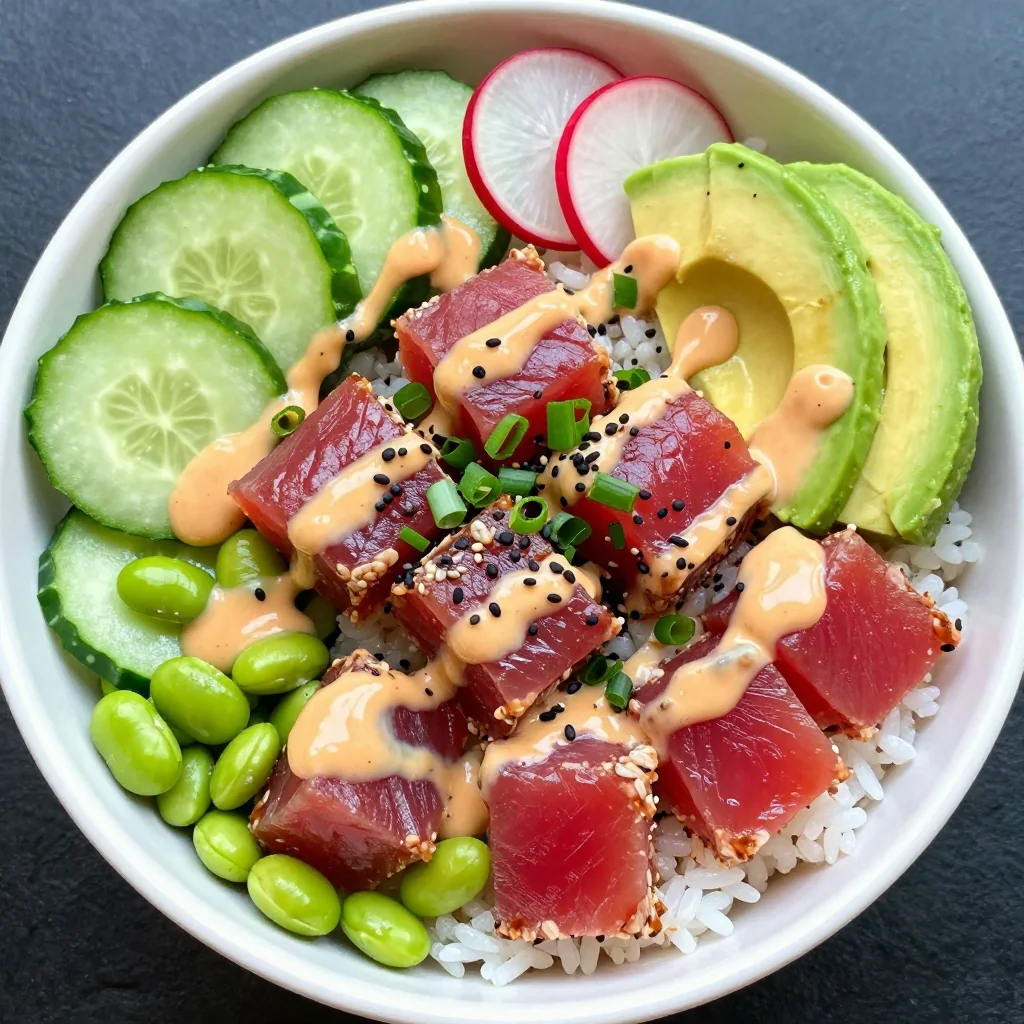
Spicy Tuna Poke Bowls For A Fresh Meal Prep
Ingredients
Instructions
- Cook the rice: Combine rinsed rice and water in a saucepan, bring to a simmer, cover, and cook on low 12 min. Rest 10 min, then fold in vinegar, sugar, and salt. Cool completely.
- Cube & marinate tuna: Whisk soy, sesame oil, sriracha, ginger, garlic, and honey. Add tuna; marinate 10–15 min while prepping veggies.
- Prep toppings: Julienne carrots, slice cucumber, halve cherry tomatoes, and quick-pickle radishes if using.
- Assemble: Portion ¾ cup rice into each container, top with 4–5 oz marinated tuna, arrange vegetables in sections, sprinkle scallions and sesame seeds.
- Pack sauces separately; refrigerate up to 3 days. Let sit at room temp 10 min before eating for best texture.
Recipe Notes
Keep tuna iced before and after marinating for food safety. For milder heat, halve the sriracha; for extra fire, add chili crisp. Store avocado and sauce separately to prevent browning and sogginess.