I should have known better than to trust a "quick weeknight salad" recipe I found on the internet at 11 PM, half-asleep and ravenous. What started as a harmless craving for something green ended in a tragic pile of soggy lettuce, rubbery steamed vegetables, and a dressing that tasted like watered-down vinegar. I stood there in my dim kitchen, fork poised, and thought: there has to be a better way. That culinary face-plant sent me down a three-week rabbit hole of roasting experiments, greens trials, and dressing alchemy until—finally—I cracked the code on what might be the most addictive, colorful, and ridiculously satisfying salad you'll ever make at home.
Picture this: it's a breezy April evening, your windows are cracked open, and your oven is working its magic on a sheet pan of jewel-toned vegetables. The scent of garlic, caramelized peppers, and fresh oregano drifts through the house like a cozy edible blanket. Meanwhile, your bowl of tender spring greens waits patiently in the fridge, staying crisp and cool, ready to play with those hot, crispy-edged veggies. The contrast is pure drama on a plate—warm meets cold, soft meets crunchy, sweet meets tangy—and you get to be the director of this blockbuster.
Most recipes get this completely wrong. They toss everything together in one bowl, dress it too early, and leave you with a wilted mess that tastes like disappointment. Not this version. Here we treat every ingredient like the diva it is: peppers get blistered until they blister, broccoli edges turn into addictive crispy bits, asparagus keeps a snappy bite, and the greens stay perky and fresh. The real game-changer? A lemon-Dijon dressing that doubles as a marinade for the warm veggies, soaking into their nooks and crannies while they're still hot. Trust me, you'll want to bottle this stuff and keep it in your desk drawer.
Let me walk you through every single step—by the end, you'll wonder how you ever made it any other way.
What Makes This Version Stand Out
- Flavor Bomb: Roasting concentrates the natural sugars in peppers, tomatoes, and onions until they practically taste like candy, while the quick char on broccoli and cauliflower gives you those crave-worthy crispy edges that shatter like thin ice.
- Texture Playground: One bite gives you silky asparagus tips, crunchy pine nuts, juicy burst tomatoes, and feathery greens that somehow stay crisp even after the hot veggies join the party.
- Zero Skill Required: If you can chop vegetables and operate an oven, you've got this. No fancy knife work, no emulsions, no culinary school degree needed—just honest ingredients and a sheet pan.
- Make-Ahead Magic: Roast the vegetables on Sunday, stash them in the fridge, and you've got instant gourmet toppings for salads, grain bowls, or omelets all week long. The dressing actually tastes better after a day of mingling.
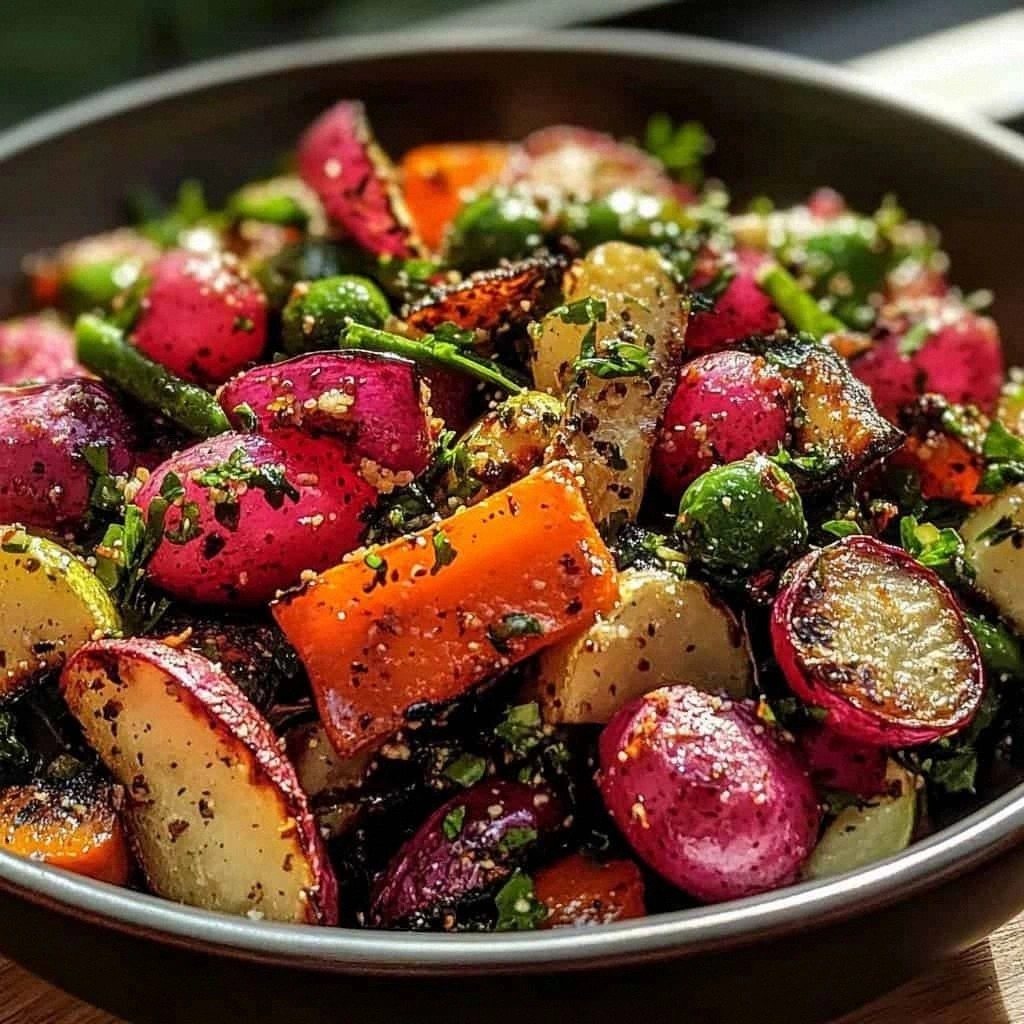
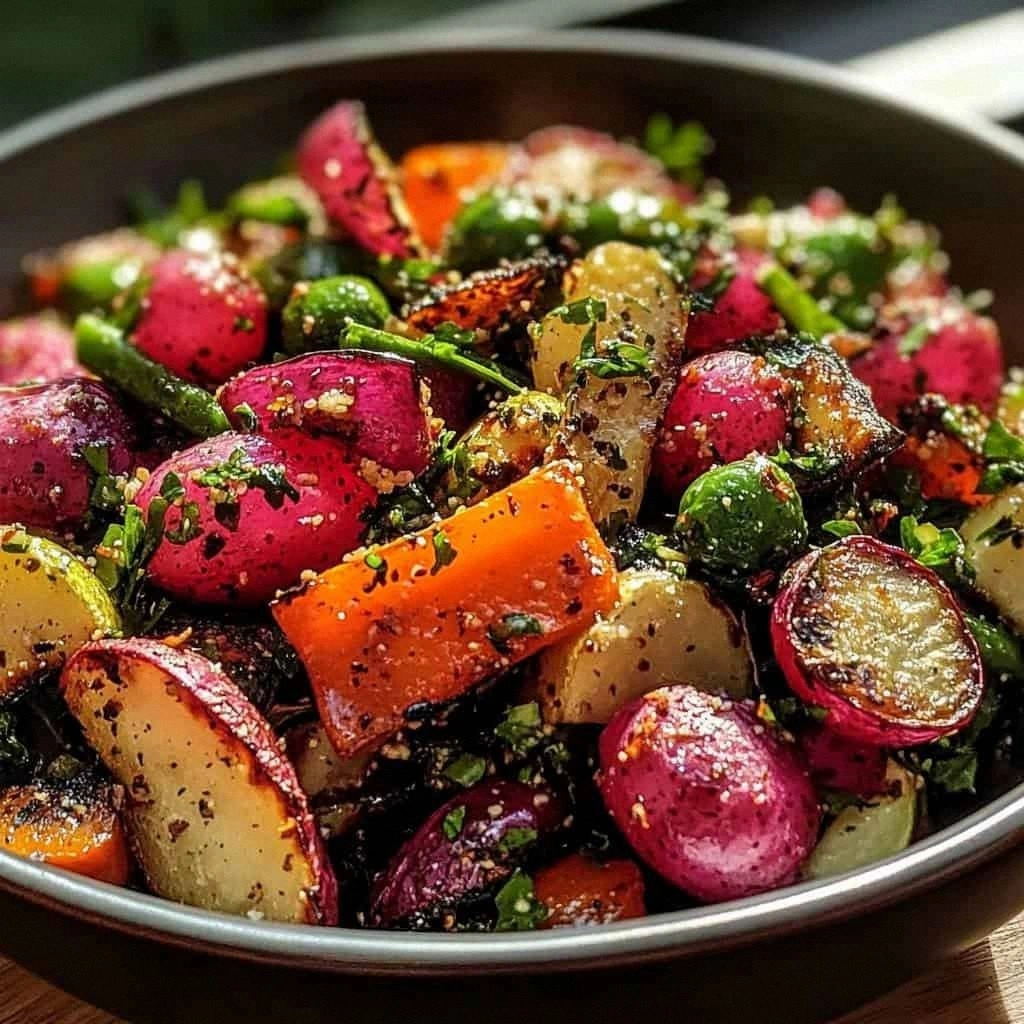
- Color Explosion: We're talking ruby peppers, emerald broccoli, violet onion, golden cauliflower, and scarlet tomatoes—this bowl is basically edible confetti that makes even salad-hunters grab their cameras.
- Crowd Convert: I've served this to self-proclaimed veggie haters who asked for seconds, then the recipe, then the leftovers to take home. One friend texted me at midnight: "Just ate the last bite straight from the container. No regrets."
Alright, let's break down exactly what goes into this masterpiece...
Inside the Ingredient List
The Flavor Base
Red, yellow, and orange bell peppers aren't just here for their good looks. When roasted, their cell walls break down and release natural sugars that caramelize into sticky, sweet pockets of intense flavor. Skip green peppers for this recipe—they stay bitter and don't roast into candy-like perfection. Seed them properly or you'll get rogue pepper bombs that squirt hot juice at unsuspecting dinner guests. Cut them into one-inch pieces so they roast evenly; too small and they burn, too big and they stay rubbery in the center.
The Texture Crew
Broccoli and cauliflower florets are the unsung heroes of roasted vegetable medleys. Their tree-shaped nooks grab onto oil and seasonings like tiny flavor umbrellas, and the flat surfaces that touch the pan turn deep mahogany and taste like vegetable bacon. Buy whole heads instead of pre-cut bags; those sad nuggets are dried out and won't roast properly. Keep the florets on the petite side so they cook through before the edges scorch. And please, don't discard the stems—slice them into coins for extra crunch.
The Unexpected Star
Asparagus often gets sidelined as a snooty side dish, but here it plays the lead role in spring drama. Trim the woody ends by snapping each spear; it'll naturally break at the tender point, saving you from chewing on wooden sticks. Cut them into two-inch pieces so they're fork-friendly and roast quickly, staying bright green with just enough char to taste smoky. Thin spears work best—pencil-thick stalks stay fibrous even after roasting. If you can only find jumbo asparagus, peel the lower halves with a vegetable peeler.
The Final Flourish
Mixed spring greens sound fancy, but really you want a blend of baby lettuces, spinach, arugula, and herbs that stay tender under warm toppings. Skip the tough romaine or iceberg; they turn bitter when they meet hot vegetables. Feta adds creamy saltiness that melts slightly against the warm veggies, creating little pockets of tangy goodness. Toasted pine nuts bring buttery crunch, but if you're not feeling rich, swap in pumpkin seeds or chopped almonds. And those Kalamata olives? They're the salty, briny exclamation point that makes every other flavor pop.
Everything's prepped? Good. Let's get into the real action...
The Method — Step by Step
-
Preheat your oven to 425°F (220°C) and position a rack in the center. While it heats, grab your largest rimmed sheet pan—rimmed is crucial, otherwise cherry tomatoes will roll off like tiny red marbles. Line it with parchment paper for easy cleanup, but don't use foil; it reflects heat and prevents proper caramelization. Spread all your chopped vegetables—peppers, onion, broccoli, cauliflower, asparagus, and tomatoes—into a single layer. Crowding leads to steaming, and steaming is the enemy of that gorgeous char you're chasing.
-
Drizzle the olive oil over the vegetables, then sprinkle oregano, basil, salt, and pepper. Here's the key: use your hands to toss everything together, making sure every surface gets glossy with oil. This isn't the time to be dainty—get in there and massage those veggies like you're kneading bread. The oil not only helps browning but also acts as a flavor conductor, carrying herbs and garlic into every crevice. Stop when everything looks lightly coated; too much oil and you'll end up with soggy, greasy vegetables.
-
Scatter the minced garlic across the top, but don't mix it in yet. Garlic burns faster than a gossip spreads, so keeping it on top means it toasts gently in the oil that drips down. Slide the pan into the oven and set a timer for 15 minutes. Walk away, but stay close enough to catch that first waft of garlicky perfume—it's your cue that magic is happening. Resist the urge to open the door; every peek drops the temperature and steals precious caramelization time.
-
After 15 minutes, pull the pan out and give everything a quick flip with a spatula. Don't worry if some bits stick—that's concentrated flavor gold. Rotate the pan 180 degrees so the back side gets equal heat love, then slide it back in for another 10-12 minutes. You're looking for broccoli edges that look almost burnt, peppers with blackened blisters, and tomatoes that have burst open like little flavor balloons. If your asparagus tips look crispy, you've nailed it.
-
While the vegetables finish, whisk together the dressing ingredients in a small jar with a tight lid. The Dijon acts as an emulsifier, binding oil and lemon juice into a silky sauce that clings instead of sliding off. Add the honey or maple syrup; it balances the acid and helps the dressing stick to warm vegetables. Shake vigorously until it looks creamy and unified—no oil pools on top. Taste and adjust; it should make your lips pucker slightly, then mellow into sweetness.
-
Transfer the hot vegetables to a large mixing bowl and immediately drizzle with half the dressing. The heat opens up the vegetable pores, letting the tangy mixture seep inside. Toss gently; you want to coat, not mash. Let them sit for 5 minutes—this marriage of hot veg and bright dressing is what separates amateur salads from restaurant-quality ones. Meanwhile, place your spring greens in a serving bowl and keep them refrigerated; cold greens against warm toppings is textural heaven.
-
Pour the remaining dressing over the greens and toss until every leaf glistens. Add the warm roasted vegetables on top, followed by feta, pine nuts, and olives if using. Serve immediately, encouraging everyone to dig deep so they get a bit of everything: cool crisp greens, hot caramelized veggies, creamy feta, and crunchy nuts. The contrast is so dramatic that first-time tasters usually pause mid-chew, eyes wide, before diving back in for another forkful.
That's it—you did it. But hold on, I've got a few more tricks that'll take this to another level...
Insider Tricks for Flawless Results
The Temperature Rule Nobody Follows
Most home cooks set the oven to 350°F out of habit, but vegetables need serious heat to caramelize, not just cook. At 425°F, natural sugars undergo the Maillard reaction, creating hundreds of new flavor compounds that taste like umami fireworks. A friend tried skipping this step once—let's just say her "roasted" peppers tasted like steamed sadness. Use an oven thermometer; many ovens lie by 25-50 degrees, and that's the difference between charred glory and limp mediocrity.
Why Your Nose Knows Best
Forget timers—your nose is the most accurate kitchen tool you own. When you smell deep, toasty garlic and sweet pepper perfume, the vegetables are close to done. Open the oven and look for broccoli crowns with dark, almost black tips and tomatoes that have collapsed into jammy puddles. If the scent is still raw and vegetal, close the door and wait. This sensory checkpoint prevents both undercooked crunch and bitter burnt edges.
The 5-Minute Rest That Changes Everything
Once roasted, let the vegetables rest in the bowl with half the dressing for exactly five minutes—not ten, not two. This window allows the hot veg to absorb flavor without turning soggy. The acid gently pickles the edges, while the oil carries herbs into every crevice. I dare you to taste a piece after this rest and not go back for seconds before the salad is even assembled. Future you will thank present you for this tiny patience exercise.
Creative Twists and Variations
This recipe is a playground. Here are some of my favorite ways to switch things up:
Mediterranean Sunset
Swap oregano and basil for za'atar and smoked paprika, then add a handful of chopped dried apricots to the roasting pan. They plump and caramelize into sweet-tart jewels. Replace feta with crumbled goat cheese and pine nuts with toasted pistachios. Finish with a squeeze of pomegranate molasses instead of lemon juice in the dressing. The result tastes like a Marrakech market in springtime.
Asian Pear & Sesame
Replace dried herbs with a tablespoon of grated ginger and a teaspoon of sesame oil in the roasting mix. Add sliced Asian pears during the last 8 minutes—they soften but keep a crisp core. Use rice vinegar in the dressing and finish with toasted sesame seeds and thinly sliced scallions. The sweet-savory combo will have you dreaming of cherry blossoms and street food stalls.
Smoky Chipotle Ranch
Stir a teaspoon of chipotle powder into the olive oil before roasting for a gentle, smoky heat. Blend the dressing with a tablespoon of buttermilk and a pinch of ranch seasoning for a creamy, tangy twist. Top with crushed tortilla chips instead of pine nuts and add diced avocado just before serving. It's like your favorite taco married a salad and had delicious babies.
Protein Powerhouse
Add a can of drained chickpeas to the sheet pan during the last 10 minutes—they crisp into addictive little nuggets. Toss in strips of grilled chicken or tofu while assembling the salad. The warm veggies plus protein turn this side dish into a hearty meal that keeps you full through afternoon Zoom marathons. Bonus: the chickpea skins pop like tiny vegetarian cracklings.
Breakfast-for-Dinner Remix
Roast everything as usual, then serve the warm vegetables over baby spinach with a perfectly poached egg on top. The runny yolk mingles with the lemon-Dijon dressing to create an impromptu hollandaise. Add a slice of crusty sourdough and you've got brunch at 7 PM, which honestly feels rebellious and exactly right.
Storing and Bringing It Back to Life
Fridge Storage
Roasted vegetables keep beautifully for up to five days in an airtight container. Line the bottom with a paper towel to absorb excess moisture, then layer veggies in a single layer if possible. Store the dressing separately; nobody likes a soggy rebellion. Greens should stay in their original clamshell or a salad spinner lined with a damp towel—this trick keeps them perky for nearly a week. When you're ready to assemble, warm the vegetables in a skillet for 2 minutes or pop them in the microwave for 30 seconds—just enough to take the chill off.
Freezer Friendly
Believe it or not, roasted peppers, broccoli, and cauliflower freeze like champs. Spread them on a parchment-lined sheet pan, freeze until solid, then transfer to zip-top bags. They'll keep for two months and reheat in a hot skillet straight from frozen—no thawing needed. The texture softens slightly, but the flavor intensifies, making them perfect for winter grain bowls. Just don't freeze the tomatoes or greens; tomatoes turn mushy and greens become sad wilted ribbons.
Best Reheating Method
Skip the microwave for the full experience—heat a cast-iron skillet over medium-high, add a drop of oil, and toss the cold vegetables for 3-4 minutes. They re-crisp and smell like you just roasted them fresh. Add a tiny splash of water and cover for 30 seconds to steam them back to juicy perfection. Toss with freshly dressed greens and top with new feta; you'll swear it's a brand-new batch.