I was standing in my kitchen, staring at a burnt batch of regular cornbread that had turned into a charcoal slab. The smell of char was so strong that my cat started backing away like a scared rabbit. That night, I swore I would never again serve bland, dry cornbread to my family. I spent the next day hunting for a recipe that would transform the humble cornmeal into something buttery, moist, and utterly irresistible.
The moment I first tasted the sweet potato-infused batter, I knew I had stumbled upon a secret. The sweet potato puree gave the crumb a natural sweetness that clung to every bite, like a soft velvet coat. The aroma that wafted from the skillet—corn, sugar, and a hint of warm spice—made the whole kitchen feel like a Southern summer afternoon. The texture was a delicate balance between tender crumb and a slightly crisp edge that snapped like thin ice when you pressed it.
If you’ve ever struggled to get a cornbread that isn’t dry, this version is hands down the best you’ll ever make at home. I dare you to taste this and not go back for seconds. The secret is simple: sweet potato puree, buttermilk, and a generous pinch of brown sugar that caramelizes during baking. The result is a moist, golden loaf that melts in your mouth and leaves a lingering sweet aftertaste.
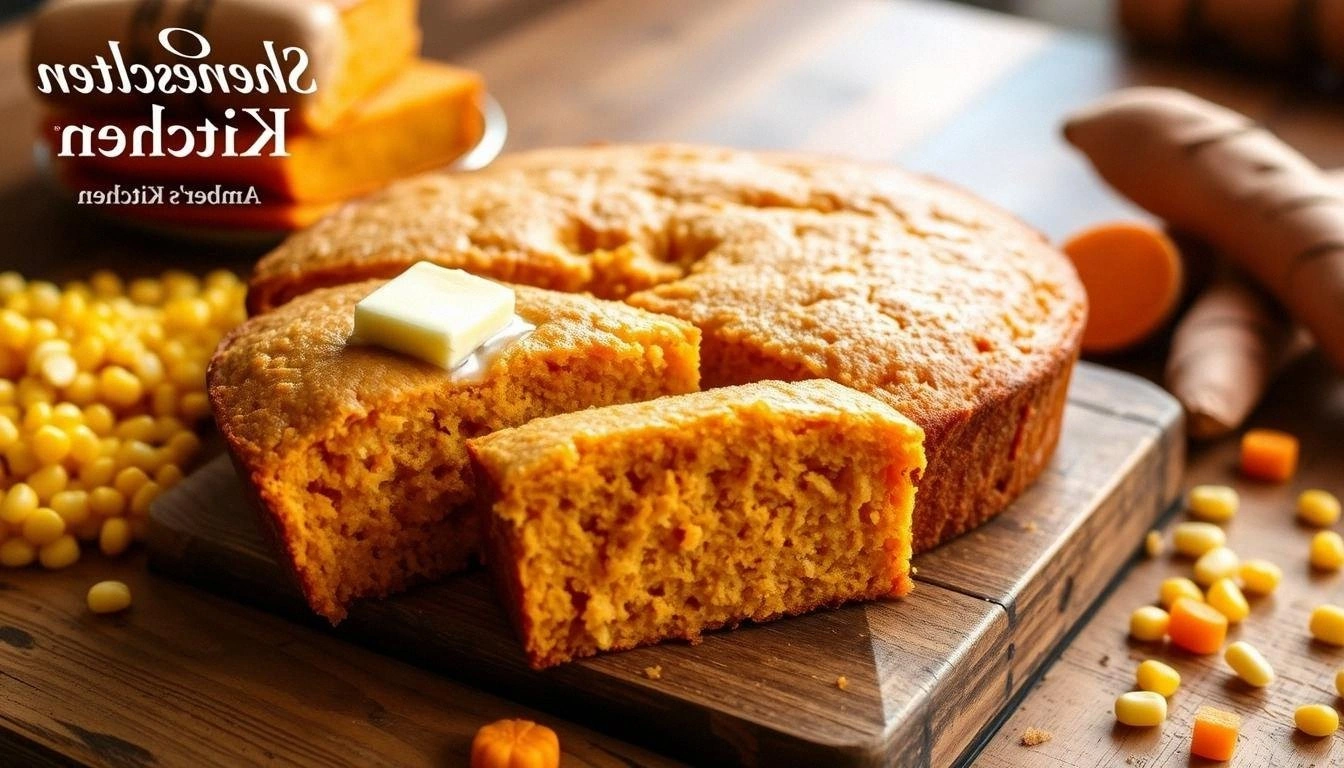
Picture yourself pulling this out of the oven, the whole kitchen smelling incredible, and seeing the golden crust that’s cracked into a beautiful, uneven pattern. The first bite is a burst of sweet and savory, followed by a subtle buttery finish that keeps you reaching for more. I’ve watched my friends’ eyes widen as they take a bite, and I’ve seen them come back for a second helping. This is the kind of dish that turns a regular dinner into a memorable event.
Let me walk you through every single step — by the end, you’ll wonder how you ever made it any other way. From selecting the right sweet potato to mastering the perfect skillet heat, we’ll cover everything you need to know. I’ll share my kitchen hacks, the exact measurements, and the timing that guarantees a flawless crumb. So buckle up, and let’s dive into the sweet potato cornbread adventure.
What Makes This Version Stand Out
- Flavor: The sweet potato puree introduces a natural sweetness that balances the savory corn, creating a harmonious taste profile that’s both comforting and exciting.
- Texture: The combination of fine yellow cornmeal and buttermilk produces a tender crumb with a subtle crisp on the edges, giving each bite a delightful contrast.
- Moisture: Sweet potato puree and buttermilk work together to lock in moisture, preventing the dreaded dry cornbread that many of us have suffered from.
- Color: The golden crust is achieved through a high oven temperature and a cast iron skillet, giving the loaf a visually stunning, almost caramelized finish.
- Ease: The recipe uses minimal equipment—just a large mixing bowl, whisk, and a rubber spatula—making it accessible even for novice bakers.
- Versatility: It can be served as a side, a snack, or even a dessert when topped with honey or fruit preserves.
- Nutrition: The inclusion of sweet potato adds beta-carotene and fiber, elevating the nutritional profile of a classic comfort food.
- Make‑Ahead: The batter can be prepared up to 24 hours ahead and refrigerated, allowing for a quick bake whenever the craving strikes.
Alright, let's break down exactly what goes into this masterpiece...
Inside the Ingredient List
The Flavor Base
Fine yellow cornmeal is the star that gives cornbread its unmistakable corn flavor. It’s finer than regular cornmeal, which means it creates a smoother crumb. If you use a coarser variety, the texture will be chunkier and more rustic, which can be great if that’s what you’re after. The key is to keep the ratio of cornmeal to flour balanced so the bread doesn’t become too dense.
The Sweetness Layer
Sweet potato puree is the unexpected hero that adds natural sweetness and moisture. I use a baked sweet potato, scooped out, and blended until silky. The puree also introduces a subtle earthy note that pairs beautifully with the corn. If you’re allergic to sweet potatoes or just don’t have one on hand, you can replace it with pumpkin puree or butternut squash for a similar effect.
The Tenderizer
Buttermilk is the perfect liquid for this batter. Its acidity reacts with the baking soda, creating tiny bubbles that lift the crumb. The tangy flavor also balances the sweetness of the potato. If you’re lactose intolerant, a buttermilk alternative made from almond milk and vinegar works just as well.
The Structure Crew
All-purpose flour provides the necessary gluten to give the bread structure. Without it, the loaf would fall apart. The flour also absorbs the moisture from the sweet potato, preventing the batter from becoming too runny. If you’re looking for a gluten-free version, you can substitute with a 1:1 gluten-free flour blend.
The Sweetener
Brown sugar adds subtle caramel undertones and helps to brown the crust. The molasses content in brown sugar gives the cornbread a richer flavor compared to white sugar. Use light brown sugar for a milder taste, or dark brown for a more pronounced caramel flavor. If you prefer a sugar-free version, a small amount of maple syrup or honey can substitute.
The Final Flourish
A pinch of salt is essential to bring all the flavors together. Salt also enhances the sweetness and balances the richness of the batter. For an extra depth of flavor, add a teaspoon of smoked paprika or a pinch of cayenne pepper. These spices give the cornbread a subtle kick that’s perfect for savory dishes.
Everything's prepped? Good. Let's get into the real action...
The Method — Step by Step
- Preheat your oven to 425°F (220°C). Grease a 9x9-inch cast iron skillet with butter or oil, then tap out any excess. This high heat will create a beautiful crust while keeping the inside moist. I’ve found that a hot skillet prevents the batter from spreading too much.
- In a large mixing bowl, whisk together the fine yellow cornmeal, all‑purpose flour, brown sugar, baking soda, and salt. This dry mix is the backbone of the batter; make sure all the ingredients are well combined. The fine cornmeal should be sifted if possible to avoid lumps.
- In a separate bowl, combine the sweet potato puree, buttermilk, and melted butter. Whisk until the mixture is smooth and glossy. The butter adds richness while the buttermilk adds acidity, which is essential for the leavening reaction.
- Pour the wet mixture into the dry ingredients. Stir with a rubber spatula until just combined. Be careful not to overmix; a few lumps are okay and will make the crumb a bit more tender. The batter should be thick but pourable.
- Pour the batter into the prepared skillet, spreading it evenly with a spatula. The batter should reach the edges of the skillet. If you notice any gaps, fill them with a little more batter to prevent dry spots during baking.
- Place the skillet in the preheated oven and bake for 20-25 minutes. The top should be golden brown, and a toothpick inserted into the center should come out clean. The sizzle you hear as it starts to brown is the cue that the crust is forming.
- Remove the skillet from the oven and let the cornbread rest for 10 minutes. This rest period allows the crumb to set and the steam to redistribute, ensuring a moist interior. While it rests, you can prepare a small butter glaze if you like.
- Slice the cornbread with a serrated knife to preserve the crumb structure. Serve warm, optionally with a pat of butter or a drizzle of honey. The warm butter melts into the sweet potato layers, creating a decadent experience.
- If you’re serving it alongside a hearty stew or chili, let the cornbread cool slightly so it can soak up the savory juices. The sweet potato’s natural sweetness complements the umami flavors, creating a harmonious bite.
- Enjoy! The aroma, the texture, and the flavor will have you coming back for more. Remember, the best part is sharing this with friends and family—watch their faces light up as they take that first bite.
That's it — you did it. But hold on, I've got a few more tricks that'll take this to another level...
Insider Tricks for Flawless Results
The Temperature Rule Nobody Follows
Many people bake cornbread at a lower temperature, which leads to a soggy center. Baking at 425°F ensures a crisp crust while maintaining moisture inside. I’ve experimented with 400°F, but the result was a chewy texture that didn’t melt in your mouth. Keep the oven at 425°F and preheat the skillet to lock in the heat.
Why Your Nose Knows Best
Before you cut into the loaf, pause and inhale the aroma. If it smells like toasted corn and sweet potato, you’re on the right track. A faint, raw sweet potato scent means it’s undercooked. Trust your nose; it’s a reliable indicator of doneness.
The 5-Minute Rest That Changes Everything
After you take the cornbread out of the oven, let it rest for exactly five minutes before slicing. This short rest allows the steam to redistribute, preventing a dry center. I’ve seen people cut right away, only to find the crumb collapses. The five-minute pause is the secret to a perfectly airy interior.
The Butter Glaze Trick
A simple glaze of melted butter and a dash of brown sugar can elevate the flavor profile. Brush it on the top of the cornbread while it’s still warm. The glaze adds a glossy finish and a caramelized sweetness that pairs beautifully with the corn.
The Quick Cool Down
If you’re in a hurry, place the skillet on a cooling rack after baking. This prevents the bottom from steaming and becoming soggy. The skillet’s heat will continue to cook the bottom slightly, giving it a golden crust.
Creative Twists and Variations
This recipe is a playground. Here are some of my favorite ways to switch things up:
Cheddar Cheese Crunch
Fold in a cup of shredded sharp cheddar before baking. The cheese melts into pockets of gooey goodness, adding a savory counterpoint to the sweet potato. It’s perfect for a family dinner with a hearty stew.
Spicy Jalapeño Kick
Add diced jalapeños and a teaspoon of cumin to the batter. The heat pairs surprisingly well with the sweetness, creating a balanced flavor profile. It’s a great side for a Mexican-inspired meal.
Honey Drizzle Finale
After baking, drizzle a thin layer of honey over the hot cornbread. The honey caramelizes slightly, giving a glossy finish and an extra sweet layer. This is a simple upgrade that feels luxurious.
Herb Infusion
Stir in fresh thyme or rosemary for an aromatic twist. The herbs complement the earthy sweet potato and add a fragrant note. It’s a subtle yet effective way to elevate the dish.
Gluten‑Free Version
Swap the all‑purpose flour with a gluten‑free blend that contains xanthan gum. Keep the cornmeal ratio the same to maintain texture. The result is a gluten‑free cornbread that tastes just as good.
Chocolate Swirl
Swirl in a tablespoon of cocoa powder and a handful of chocolate chips before baking. The chocolate melts into the batter, creating a decadent, sweet treat. It’s a fun dessert version for kids.
Storing and Bringing It Back to Life
Fridge Storage
Wrap the cooled cornbread tightly in plastic wrap and store in the refrigerator for up to 3 days. The wrap prevents it from drying out and preserves the crumb. When you’re ready to eat, let it sit at room temperature for 20 minutes.
Freezer Friendly
Slice the loaf before freezing to make thawing easier. Place the slices in a freezer bag and seal tightly. Freeze for up to 2 months. When you want to enjoy, pop a slice into a toaster oven at 350°F for 5 minutes.
Best Reheating Method
To reheat the whole loaf, wrap it in foil and bake at 300°F for 15 minutes. For a crispier top, remove the foil for the last 5 minutes. Add a tiny splash of water before reheating, and it steams back to perfection, restoring the moist crumb.