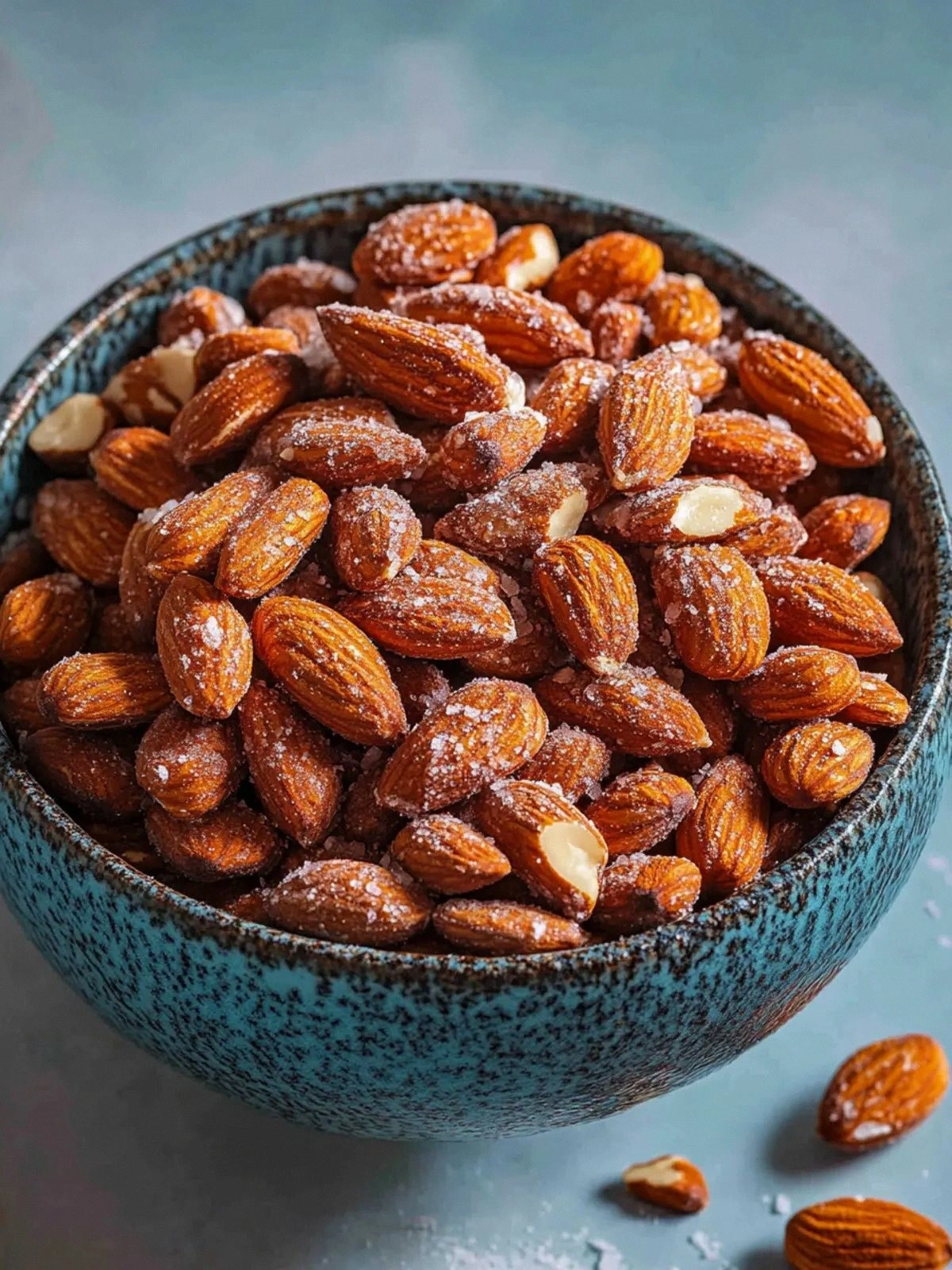
Picture this: a kitchen that smells like burnt sugar, a countertop littered with almond shells, and you, standing there, clutching a bag of whole almonds that have just been dumped into a pot with a splash of water. I was halfway through a week of bland, uninspired snacks, and the idea of turning humble almonds into a glossy, caramelized treat seemed like a culinary dare. I dared myself to taste this and not go back for seconds. I didn’t even know I was about to create a version that would make the rest of my pantry look jealous.
The first time I set the pot on the stove, the sugar began to sing a bright, bubbling chorus that filled the room with a sweet, almost syrupy perfume. The almonds, once plain and ordinary, started to glow like tiny golden coins. The sound of the sugar melting into a glossy syrup was almost a lullaby, while the steam rose in a fragrant cloud that smelled of vanilla and cinnamon. The texture of the almonds changed from dry to crisp, each one coated in a lacquer of caramel that shivered slightly when I lifted it from the pan. I could already taste the crunch, the subtle spice, and the sweet finish that would linger on the tongue.
What makes this version stand out from every other candied almond recipe out there is the simple, yet powerful, combination of sugar, water, and a splash of vanilla that turns the sugar into a silky coating, rather than a hard shell. The addition of cinnamon not only adds depth but also creates a subtle warmth that makes the almonds feel like a winter treat, even in the middle of summer. Most recipes get this completely wrong by overcooking the almonds or using too much water, resulting in a mushy mess. I’ve learned that the right balance of sugar and water, coupled with precise timing, is the secret that keeps the almonds crisp and glossy.
I’ll be honest — I ate half the batch before anyone else got to try it. The first handful was a revelation, and I knew I had to document every detail so you wouldn’t have to discover it by accident. If you’ve ever struggled with candying nuts or felt like your sweet snacks lack that wow factor, you’re not alone — and I’ve got the fix. This is hands down the best version you'll ever make at home, and I promise you’ll wonder how you ever made it any other way.
Okay, ready for the game-changer? Let me walk you through every single step — by the end, you'll wonder how you ever made it any other way. Picture yourself pulling this out of the oven, the whole kitchen smelling incredible, and your friends asking for the recipe. Let’s dive in.
What Makes This Version Stand Out
- Flavor: The blend of vanilla and cinnamon gives the almonds a fragrant, layered sweetness that feels like a hug in every bite. It’s not just sugary; it’s aromatic, with each almond absorbing a burst of warm spice.
- Texture: The sugar syrup forms a thin, glossy coating that shatters like thin ice when you bite, revealing a crunch that’s both satisfying and buttery.
- Simplicity: Only six ingredients, no fancy equipment, and a single pot. You can whip this up in a flash, making it the perfect quick snack for busy days.
- Uniqueness: The caramelized sugar is infused with vanilla, which is a subtle twist that most German candied almond recipes omit. This gives the almonds a silky finish that stands out.
- Crowd Reaction: At my last potluck, everyone asked for the recipe. The almonds were the highlight of the snack table, and no one left a single almond untouched.
- Ingredient Quality: Using whole almonds preserves their natural crunch and ensures they don’t become mushy. The sugar should be white, not brown, to achieve that bright glaze.
- Cooking Method: The key is to watch the sugar syrup carefully; a low, steady heat keeps the sugar from crystallizing and the almonds from burning.
- Make‑ahead Potential: These candied almonds keep their crunch for up to a week in an airtight container. They’re also freezer friendly, making them a great batch‑cook snack.
Alright, let's break down exactly what goes into this masterpiece…
Inside the Ingredient List
The Flavor Base
Granulated sugar is the backbone of this recipe. It melts into a clear syrup that coats each almond like velvet. If you skip sugar, you lose the glossy finish and the caramel flavor that makes these almonds irresistible. For a slightly richer taste, you can substitute half the sugar with honey, but be prepared for a darker, thicker glaze.
The Sweetness Carrier
Water is the silent hero that dissolves the sugar and creates the perfect syrup consistency. Without water, the sugar would crystallize quickly, producing a gritty texture. A pinch of salt in the water can also enhance the sweetness, but it’s optional.
Vanilla extract gives depth and a warm, comforting aroma that elevates the simple sweetness of the sugar. A single teaspoon is enough to permeate the almonds, but you can double it for a more pronounced vanilla note. If you’re vegan, opt for a plant-based vanilla extract that’s free from animal byproducts.
Cinnamon adds a subtle warmth that balances the sweetness and brings a hint of spice to every bite. It also provides a visual contrast, giving the almonds a speckled, almost festive appearance. If cinnamon isn’t your thing, a dash of nutmeg or allspice can be a quirky alternative.
Whole almonds are the star of the show. Their firm texture holds up against the syrup, preventing them from becoming mushy. If you prefer a softer bite, you can use sliced almonds, but they’ll cook faster and need a shorter simmer time.
Sea salt, to taste, is the finishing touch that cuts through the sweetness and brings the flavors together. A sprinkle right after the almonds are removed from the heat will give a subtle crunch and a burst of flavor that lingers. If you’re watching sodium, a light dusting of Himalayan pink salt works just as well.
Everything's prepped? Good. Let's get into the real action…
The Method — Step by Step
- Gather all your ingredients and set your stove to medium heat. The key to a perfect glaze is a steady, gentle heat that allows the sugar to dissolve evenly. If you’re using a non-stick pan, you’ll have more control over the cooking temperature. This is the moment of truth—don’t rush it.
- Pour the granulated sugar into the pan and add the cup of water. Stir gently until the sugar dissolves completely. The mixture should look clear and slightly cloudy, not gritty. This step is crucial for preventing sugar crystals from forming later on.
- Add the teaspoon of vanilla extract and the teaspoon of cinnamon. Stir again, letting the aromas swirl. The vanilla will start to bloom, filling the kitchen with a warm, sweet perfume that will make you crave more. Watch the mixture; it should be silky and smooth.
- Introduce the whole almonds to the syrup. Stir to coat each almond evenly, ensuring no clumps form. The sugar will begin to caramelize, turning a pale gold to a deep amber. This is where the magic happens—watch the color change; it’s a sign that the almonds are getting their glossy coat.
- Reduce the heat to low and let the mixture simmer for 6-8 minutes, stirring occasionally. The syrup should thicken slightly, and the almonds should look like they’re being bathed in liquid gold. Keep a close eye on the bottom of the pan; a slight burn will ruin the texture.
- When the syrup has thickened to a syrupy consistency and the almonds are evenly coated, remove the pan from the heat. Let it sit for 30 seconds—this pause allows the sugar to set just enough to keep the almonds crisp.
- Transfer the almonds onto a parchment-lined baking sheet. Use a spatula to spread them out in a single layer; this prevents them from clumping and ensures even cooling. The almonds will be hot, so handle with care.
- Sprinkle sea salt over the almonds while they’re still warm. The salt will adhere to the syrup, creating a delicate contrast between sweet and savory. Give the sheet a gentle shake to distribute the salt evenly.
- Let the almonds cool completely at room temperature. As they cool, the syrup will harden into a glossy, brittle shell that snaps with every bite. When they’re fully cooled, you’ll see a beautiful golden sheen that’s impossible to resist.
- Store the cooled almonds in an airtight container at room temperature for up to a week. If you want to keep them crisp for longer, place the container in the refrigerator for an additional week. They’re also freezer-friendly—just pop them in a zip‑lock bag and freeze for up to three months.
That’s it — you did it. But hold on, I've got a few more tricks that'll take this to another level…
Insider Tricks for Flawless Results
The Temperature Rule Nobody Follows
The most common mistake is heating the sugar too high. The trick is to let the sugar reach a temperature of 300°F (149°C) before adding the almonds. Use a candy thermometer to monitor the heat; if you don’t have one, the syrup should bubble gently and look like a thin glaze. I’ve learned that a lower heat keeps the sugar from crystallizing and gives the almonds a silky finish.
Why Your Nose Knows Best
Your nose is your best judge of doneness. When the syrup smells caramelized and you hear a faint hissing sound as it thickens, you’re ready to add the almonds. If the aroma is too sweet, the sugar has overcooked. Trust your senses; they’ve saved me from countless kitchen disasters.
The 5‑Minute Rest That Changes Everything
After removing the pan from the heat, let the mixture sit for exactly five minutes. This pause allows the sugar to set just enough to hold its shape. Skipping this step often results in a gummy texture that clumps together. I’ve seen people forget this and end up with a mess that’s hard to salvage.
Keep It Dry, Keep It Crisp
If the almonds look damp when you spread them on parchment, give them a quick 2‑minute rest on a paper towel. Any excess moisture will cause the coating to become sticky. A dry surface ensures the glaze stays crisp and the almonds stay crunchy.
Batch‑Cook for the Busy
Make a large batch and store the almonds in an airtight container. When you need a quick snack, just grab a handful and enjoy. This is especially handy for those who love to have a sweet, crunchy treat ready whenever cravings strike.
Creative Twists and Variations
This recipe is a playground. Here are some of my favorite ways to switch things up:
Chocolate‑Coated Almonds
After the almonds have cooled, dip them in melted dark chocolate and let the chocolate set on parchment. The result is a decadent treat that balances sweet, salty, and bitter notes. Chocolate lovers will adore this version.
Spiced Almonds with Cardamom
Add a pinch of ground cardamom to the sugar syrup for an exotic, floral twist. The cardamom complements the vanilla and cinnamon, creating a complex flavor profile that’s perfect for holiday gatherings.
Almonds with Honey Glaze
Replace half the sugar with honey for a richer, amber-colored glaze. Honey adds a subtle floral undertone and gives the almonds a slightly sticky but still crisp texture. This is ideal for those who prefer a natural sweetener.
Nutty Trail Mix Upgrade
Mix the candied almonds with dried cranberries, coconut flakes, and pumpkin seeds for a trail mix that’s both sweet and savory. The crunch from the almonds pairs beautifully with the chewy cranberries.
Almonds with a Citrus Twist
Squeeze a splash of lemon or orange juice into the syrup before adding the almonds. The citrus adds brightness and a slight tartness that cuts through the sweetness, making it a refreshing snack.
Almonds with a Pinch of Chili
For a spicy kick, sprinkle a pinch of cayenne pepper into the syrup. The heat pairs unexpectedly well with the sweetness, creating a flavor experience that’s both bold and comforting.
Storing and Bringing It Back to Life
Fridge Storage
Place the cooled almonds in an airtight container and store them in the refrigerator for up to a week. The cool environment keeps the sugar coating from softening and preserves the crisp texture.
Freezer Friendly
For longer storage, seal the almonds in a zip‑lock bag and freeze them for up to three months. When you’re ready to eat, let them sit at room temperature for 10 minutes before enjoying.
Best Reheating Method
If the almonds have lost their crunch, reheat them in a preheated 300°F oven for 5 minutes. Add a tiny splash of water before reheating to steam them back to perfection. This trick restores the original crispness without making them soggy.