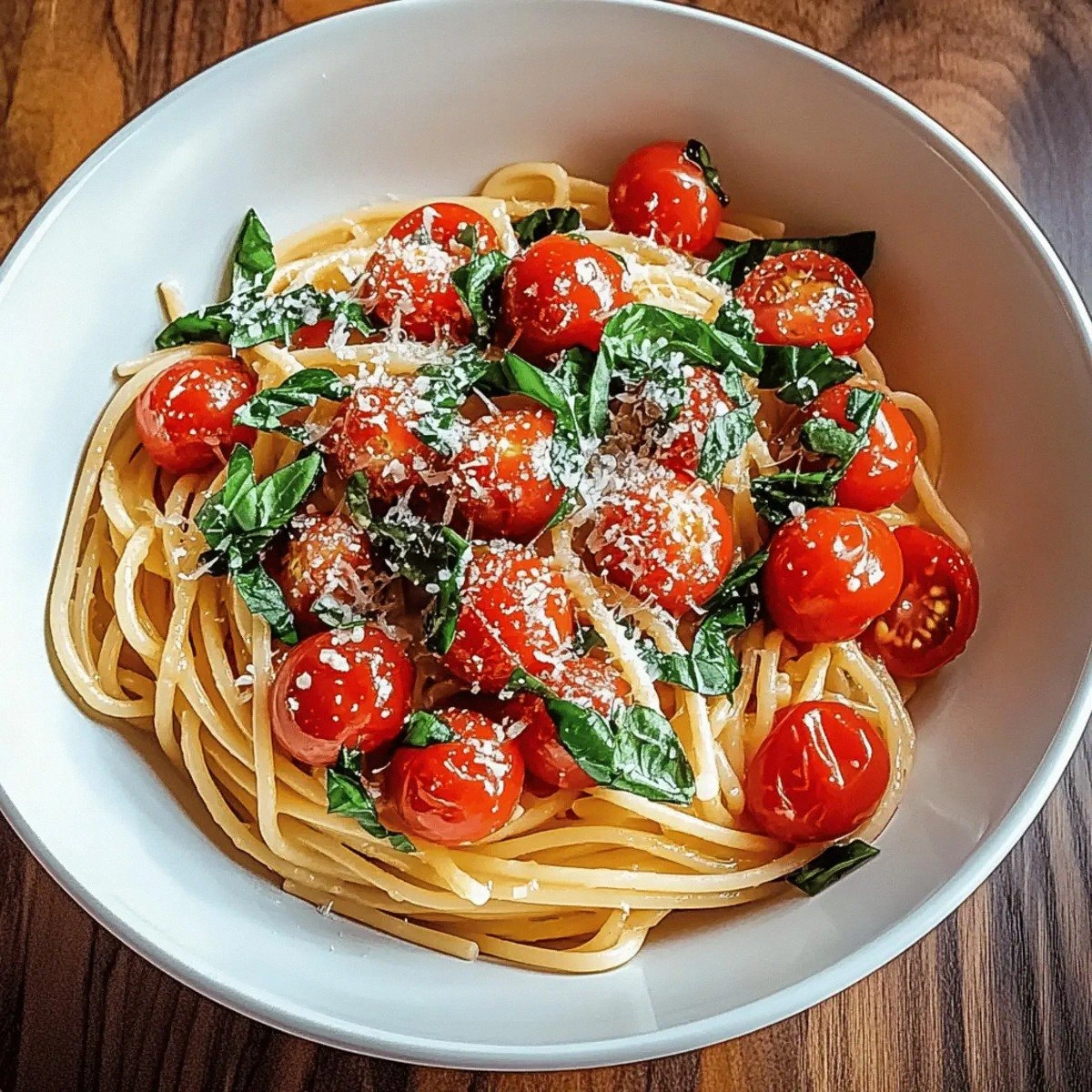
I still remember the day I ruined three boxes of pasta trying to impress my future mother-in-law with what I thought would be a simple tomato basil situation. The noodles turned to mush, the sauce tasted like metallic sadness, and I'm pretty sure the basil disintegrated into something resembling pond scum. Fast forward through a decade of obsessive testing, countless farmers market hauls, and one particularly memorable dinner party where guests literally licked their plates clean — I've cracked the code on what I genuinely believe is the most addictive tomato basil pasta you'll ever make at home. This isn't just another throw-everything-in-a-pot recipe. This is summer in a bowl, the kind of dish that makes you close your eyes after the first bite and wonder why all pasta doesn't taste this alive.
Picture this: it's 6:47 p.m., the sun is still high because summer refuses to quit, your kitchen windows are open, and you're about to create something that smells like you hired a professional chef and somehow convinced an Italian grandmother to move into your pantry. The cherry tomatoes burst open like tiny flavor bombs, releasing their sweet-tart juice into olive oil that's been quietly absorbing garlic's soul. The basil doesn't just sit there looking pretty — it melts into the sauce, turning it the most impossible shade of green-flecked ruby you've ever seen. And the pasta, oh the pasta, it doesn't just get coated; it gets swaddled in this glossy emulsion that clings to every ridge like it was custom-tailored.
Most recipes get this completely wrong. They treat tomato basil pasta like some afterthought, a quick weeknight desperation move where you boil noodles and dump jarred sauce over the top like some kind of culinary surrender. But here's what actually works: you need to treat those cherry tomatoes like they're the star of their own cooking show, let them blister and char until their skins split and caramelize, then coax them into surrendering every drop of their summer essence. The basil can't just be thrown in at the end like some sad garnish — it needs to be treated like an herb with ambition, added at exactly the right moment so it infuses the oil without turning bitter.
Okay, ready for the game-changer? We're going to finish the pasta right in the pan with the tomatoes, letting those starchy noodles release their magic into the sauce until it becomes this silky, almost creamy situation without a drop of actual cream. The balsamic vinegar at the end isn't just for show — it's the secret handshake that makes the tomatoes taste more like tomatoes and the basil taste like it was kissed by summer itself. Let me walk you through every single step — by the end, you'll wonder how you ever made it any other way.
What Makes This Version Stand Out
Jammy Tomato Magic: Instead of watery, sad tomatoes floating in oil, we coax them into this concentrated, jammy situation that actually sticks to your pasta. The high heat chars their edges while their insides turn into this sweet-tart explosion that makes store-bought sauce taste like disappointment in comparison.
Basil That Behaves: Most recipes murder basil by adding it too early, turning it black and bitter. We treat it like the delicate herb it is, adding it in two stages — first to infuse the oil, then fresh at the end so you get both the mellow background notes and that bright, just-picked flavor that makes your taste buds do a happy dance.
One-Pan Wizardry: Everything happens in a single skillet, including the pasta. Those noodles don't just get cooked; they absorb the tomato-basil elixir as they finish, turning into these flavor-soaked strands that taste like they've been marinating in summer for hours. Less dishes, more delicious — that's what I call winning.
The Texture Game: We're not just throwing everything together and hoping for the best. The pasta gets this perfect al dente bite while the tomatoes provide these soft, burst pockets of sweetness. Add in the salty pop of properly browned garlic and you've got a texture party that keeps every forkful interesting.
Speed That Defies Logic: From fridge to plate in under 30 minutes, but it tastes like something that simmered all day. The secret? We're not cooking the flavor out of anything — we're concentrating it, intensifying it, making every ingredient taste more like itself than you thought possible.
Crowd-Pleasing Power: I've served this to picky toddlers, skeptical teenagers, and that one friend who claims to hate tomatoes. They all go back for seconds. There's something about the balance of sweet, tart, herby, and savory that hits every pleasure center in your brain at once.
Make-Ahead Marvel: The sauce actually gets better after a few hours, meaning you can prep it ahead and just reheat with your pasta when guests arrive. It's the dinner party dish that lets you enjoy your own party instead of being chained to the stove.
Inside the Ingredient List
The Flavor Base
Olive oil isn't just a cooking fat here — it's the foundation that carries every other flavor. You want the good stuff, the kind that smells like you're standing in an Italian grove at harvest time. When it hits the hot pan and starts shimmering like liquid sunshine, that's your cue that the flavor foundation is ready. The garlic follows immediately because it needs those precious seconds to bloom and release its aromatic compounds before anything else joins the party. Those red pepper flakes aren't just for heat — they add this subtle complexity that makes people ask "what's that amazing flavor?" without being able to pinpoint it.
Here's where most people mess up: they use too little oil because they're scared of calories. But here's the thing — you need enough to properly coat every strand of pasta, enough to carry those fat-soluble flavors, enough to create that gorgeous emulsion that makes restaurant pasta taste like restaurant pasta. We're talking a generous glug, not a measly teaspoon. Trust me, your taste buds will thank you, and you'll still fit into your jeans because you're eating real food that actually satisfies you.
The Texture Crew
Pasta choice matters more than you think. Those curly, ridged shapes like fusilli or campanelle aren't just pretty — they're strategic. Every nook and cranny grabs onto that glossy sauce like tiny flavor nets, ensuring you don't lose a single drop to the bottom of the bowl. The 12-ounce quantity isn't arbitrary either — it's the perfect pasta-to-sauce ratio that leaves you satisfied but not comatose, dreaming of leftovers instead of dreading them.
Cherry tomatoes are the unsung heroes here because they hold their shape while their insides turn into concentrated tomato candy. When you bite into them, they burst like nature's gushers, releasing this intense tomato essence that's been intensified by the heat. Four cups might seem excessive when you're standing there with your measuring cup, but trust the process — they shrink down and concentrate, becoming these little jewels that make every bite a surprise.
The Unexpected Star
The balsamic vinegar at the end isn't just for acidity — it's the flavor amplifier that makes everything taste more like itself. Just a tablespoon is enough to brighten the tomatoes, deepen the basil, and add this mysterious complexity that makes people ask for your secret. But timing is everything here. Add it too early and it cooks down into something harsh and acrid. Add it at the end and it stays bright and tangy, cutting through the richness like a flavor spotlight.
Parmesan gets micro-planed so fine it melts instantly into the hot pasta, creating these invisible pockets of savory depth throughout the dish. The 1/4 cup measurement is perfect — enough to add that umami richness without turning the whole thing into a cheese bomb. Save some for the table because there's something magical about that final sprinkle of fresh cheese on your steaming bowl of pasta that just makes everything feel more special.
The Final Flourish
Fresh basil is non-negotiable here. Dried basil has its place, but this isn't it. You want those soft, fragrant leaves that smell like summer itself. The 1/2 cup gets added in two waves — first to infuse the oil with its essence, then fresh at the end so you get both the mellow background notes and that bright, just-picked flavor. Tear it instead of chopping because those rough edges release more aromatic oils, and bruising the leaves slightly helps them release their full potential.
Salt and pepper aren't afterthoughts — they're the conductors of this flavor orchestra. Season the pasta water like the ocean because that's your only chance to flavor the pasta itself. Then season the tomatoes as they cook, drawing out their juices and concentrating their flavor. Finish with a final flourish at the end because cold food needs more seasoning than hot, and you want every element singing in perfect harmony.
Everything's prepped? Good. Let's get into the real action...
The Method — Step by Step
- Start with your biggest skillet — I'm talking the one that makes you feel like a real cook when you haul it out. Set it over medium-high heat and let it get properly hot, about 2 minutes. You want it hot enough that when you add the olive oil, it shimmers immediately and spreads across the surface like liquid gold. Pour in those 2 tablespoons of olive oil and tilt the pan so it coats the bottom evenly. This is the moment when your kitchen starts smelling like possibility itself.
- While the oil heats up, drop your pasta into a big pot of well-salted water. I'm talking a palmful of kosher salt — don't be shy. The water should taste like a pleasant broth, not a salt lick. Cook the pasta 2 minutes less than package directions because it's going to finish cooking in the sauce, absorbing all that tomato-basil magic. Save at least a cup of that starchy pasta water before you drain it — this isn't optional, this is your secret weapon.
- Now watch this part closely: add the minced garlic to the hot oil and immediately sprinkle in the red pepper flakes. The garlic should sizzle enthusiastically but not angrily — if it's spitting like crazy, turn down the heat. Stir constantly for about 30 seconds, just until the garlic turns the palest gold and smells like heaven. This is where most people burn their garlic and ruin everything, so don't walk away to check your phone or answer the door.
- Dump in all those cherry tomatoes at once — yes, all four cups. Don't crowd the pan, you say? Forget that rule here. We want them packed in so they steam and char at the same time. Let them sit undisturbed for 2 minutes so the bottoms blister and blacken slightly. That char is pure flavor gold. Then start stirring, pressing down gently with your spatula to encourage them to burst and release their juices.
Watch Out: If your tomatoes aren't bursting after 5 minutes, they're probably too fresh. Add a splash of pasta water and cover the pan for 2 minutes — the steam will help them along without burning the garlic.
- Season the tomatoes generously with salt and pepper. I know it seems early, but this draws out their juices and concentrates their flavor. Keep cooking and stirring for another 5-7 minutes until you have this gorgeous, chunky sauce that's thick enough to coat a spoon but still has those beautiful tomato pieces intact. The oil will start separating slightly around the edges — that's perfectly fine and actually desirable.
- This next part? Pure magic. Using a slotted spoon, transfer the almost-cooked pasta directly from the pot into the tomato mixture. Don't drain it first — those clinging water droplets are liquid gold. Add about 1/2 cup of the reserved pasta water and start tossing everything together like your life depends on it. The pasta will finish cooking while absorbing all that tomato essence, and the starch in the water will emulsify with the oil to create this glossy, restaurant-quality sauce.
- Now the fun part: tear half your basil leaves and stir them in, letting them wilt into the hot pasta for about 30 seconds. You want them to release their aromatic oils but still stay bright green. Remove the pan from heat — this is crucial because basil turns bitter when overheated. The residual heat will finish the job perfectly.
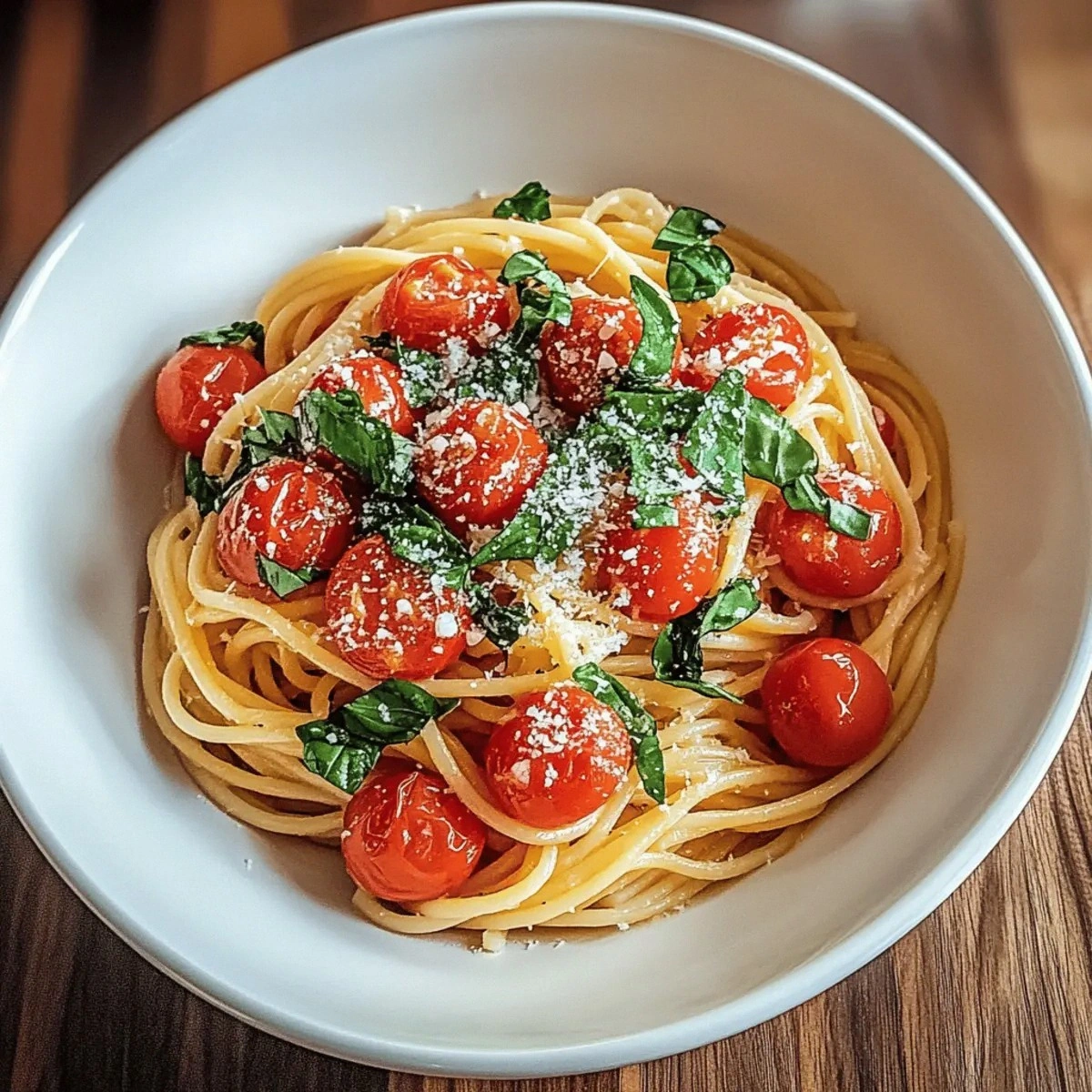
- Off the heat, drizzle in that tablespoon of balsamic vinegar and add half the Parmesan. Toss vigorously until the cheese melts into the sauce and everything comes together in this gorgeous, glossy tangle. Taste and adjust seasoning — you'll probably need more salt than you think because cold food needs more seasoning than hot. Serve immediately in warmed bowls, topped with the remaining fresh basil and a final shower of Parmesan that melts on contact with the hot pasta.
- Let it rest for exactly 2 minutes — I set a timer because I'm impatient and will dig in too early. This brief pause lets the sauce settle into every groove of the pasta and prevents that horrible mouth-burn situation we've all experienced. Garnish with a few fresh basil leaves on top for that Instagram-worthy finish, bring it to the table, and prepare for the compliments to roll in.
That's it — you did it. But hold on, I've got a few more tricks that'll take this to another level...
Insider Tricks for Flawless Results
The Temperature Rule Nobody Follows
Here's the thing about pasta water — it needs to be at a rolling boil when the pasta goes in, but here's what nobody tells you: the sauce should be screaming hot when the pasta joins it. I'm talking medium-high heat, not some gentle simmer. The high heat helps the starch in the pasta water emulsify with the oil, creating that glossy coating that makes restaurant pasta look like it's wearing a silk dress. A friend tried making this with the heat too low once, and we ended up with oily pasta floating in tomato water. Not the vibe we're going for.
The flip side? Once you add the basil, you need to back off the heat immediately. Basil is like that friend who brings amazing energy to the party but leaves in a huff if things get too intense. It wants to contribute its aromatic oils, but overheating makes it bitter and sad. I remove the pan from heat entirely and let residual warmth do the work. The difference between basil that's been treated right versus abused is the difference between a summer garden and a compost pile.
Why Your Nose Knows Best
Your sense of smell is your most underutilized cooking tool here. When the garlic hits the oil, it should smell fragrant and slightly sweet, never sharp or acrid. If it smells aggressive, you've got the heat too high or you're using old garlic that's started to sprout. Fresh garlic smells almost green and lively, while old garlic smells like punishment. Trust your nose — it's been evolving for millions of years to keep you from eating things that taste terrible.
The same goes for the tomatoes. When they're ready, they'll smell like summer concentrated into a single breath. If you can't smell anything, they're not cooked enough. If they smell slightly burnt, you've gone too far. That sweet spot where they smell like sunshine and earth and sweetness all at once? That's when you know you've nailed it.
The 5-Minute Rest That Changes Everything
I know you're hungry. I know the pasta smells incredible and your stomach is growling like an angry bear. But here's what separates good home cooks from great ones: the ability to wait. After you finish cooking, let the pasta sit for exactly 5 minutes before serving. This isn't some pretentious chef nonsense — it's science. During this rest, the sauce thickens slightly as it cools, the pasta absorbs the perfect amount of sauce, and the flavors meld into something greater than their individual parts.
During this torture wait, I usually set the table, pour myself a glass of wine, and practice my humble "oh, this old thing?" face for when everyone starts raving. The pasta will still be hot, but it won't be molten lava that destroys your taste buds for the next three days. More importantly, those 5 minutes transform good pasta into pasta that makes people close their eyes and make involuntary happy sounds.
Creative Twists and Variations
This recipe is a playground. Here are some of my favorite ways to switch things up:
The Mediterranean Vacation
Add a handful of Kalamata olives and some crumbled feta cheese right at the end. The briny olives play beautifully against the sweet tomatoes, while the feta adds this creamy tang that makes the whole dish taste like you're eating it on a Greek island. Throw in some oregano with the basil for that authentic Mediterranean herb profile. I like to finish this version with a squeeze of lemon instead of balsamic — it's brighter, more vacation-y.
The Protein Powerhouse
Shrimp is your friend here. Sear them quickly in the same pan before you start the tomatoes, then set them aside and add them back in at the end. They pick up all the garlicky, tomato-y flavors and turn into these little pink flavor bombs. If shrimp isn't your thing, try tearing up some fresh mozzarella and letting it melt into the hot pasta — it creates these amazing cheese pulls that make for incredible food photos.
The Spicy Rebel
Double the red pepper flakes and add a diced fresh chili with the garlic. I like using Fresno chilies because they add heat without overwhelming the other flavors. Finish with some fresh lemon zest and you've got a pasta that wakes up your whole face. This version is particularly good with a cold beer on a hot day — the heat makes you sweat, which actually cools you down. Science is delicious.
The Green Goddess
Add a couple handfuls of baby spinach with the tomatoes — it'll wilt down to nothing but adds nutrients and a beautiful color. Swap the basil for fresh oregano and thyme for an entirely different herb profile. I sometimes throw in some toasted pine nuts at the end for crunch. This version makes you feel virtuous while still being completely indulgent.
The Comfort Food Version
Add a splash of cream right at the end, just enough to turn the sauce this beautiful rosy color. It becomes this hybrid between tomato cream sauce and the original, perfect for those nights when you want something a little richer. Top with extra Parmesan and some fresh cracked pepper. It's like the pasta equivalent of a warm hug from someone who smells really good.
The Vegan Victory
Skip the Parmesan and add a tablespoon of nutritional yeast instead — it gives that same umami richness without the dairy. Use a really good, fruity olive oil and finish with some toasted breadcrumbs for texture. I like to add some white beans for protein, turning this into a complete meal that happens to be plant-based and completely satisfying.
Storing and Bringing It Back to Life
Fridge Storage
Here's the reality: leftovers are rare with this dish, but when they happen, store them in the shallowest, widest container you have. The pasta needs to cool quickly to prevent it from turning into a gummy mess. I spread it in a thin layer, let it come to room temperature for 30 minutes, then cover and refrigerate. It'll keep for up to 4 days, though the basil will lose some of its brightness. Pro tip: save some fresh basil leaves separately and add them when you reheat.
Freezer Friendly
I know, I know — freezing pasta sounds like heresy. But here's the thing: if you undercook the pasta by 3 minutes instead of 2, it actually freezes and reheats beautifully. The sauce gets even more concentrated, and you've got instant comfort food for those nights when even ordering takeout feels like too much work. Freeze in individual portions because trying to break off a chunk of frozen pasta is an exercise in frustration. Thaw overnight in the fridge, then reheat with a splash of water to bring back that silky texture.
Best Reheating Method
Microwave is fine in a pinch, but the stovetop method is worth the extra two minutes. Add a splash of water to a pan, add your cold pasta, cover, and heat over medium for about 4 minutes, stirring occasionally. The steam rehydrates everything without turning it mushy. Add a fresh drizzle of olive oil and some new Parmesan, and it's almost as good as the first time. I've been known to eat this cold, straight from the fridge, standing in front of the open door like some kind of pasta vampire.