I was in the middle of a chaotic dinner rush, juggling a pot of boiling water, a skillet that had been overused, and a stubborn craving for something that felt like comfort food but also a little daring. The kitchen smelled like burnt garlic and the sizzling sound of oil made me wonder if I was about to create a masterpiece or a disaster. I stared at the ingredients on my counter—spaghetti, Brussels sprouts, a splash of lemon, and a handful of garlic cloves—thinking, “What if I could turn these into a creamy, garlicky symphony that feels like a hug in a bowl?” The moment I decided to experiment, I knew this was going to be the ultimate one-pot dish that would change the way I think about vegan cooking.
Picture this: a pot that starts with a golden, fragrant base of garlic and butter, then transforms into a silky sauce that coats each strand of pasta like velvet. The Brussels sprouts, when seared just right, develop a crisp edge that shatters like thin ice, offering a satisfying crunch that balances the creaminess. The lemon juice cuts through the richness, leaving a bright, citrusy finish that lingers on the palate. And the best part? It all happens in one pot, so cleanup is a breeze and the flavors meld together beautifully.
Most recipes get this completely wrong by overcooking the pasta or under-seasoning the sauce, but this version is hands down the best you’ll ever make at home. I dare you to taste this and not go back for seconds. That sizzle when the garlic hits the pan? Absolute perfection. I’ll be honest—my friends begged for seconds, and I ate half the batch before anyone else got a taste.
If you’ve ever struggled with making creamy sauces from scratch, you’re not alone—this is the fix that will make you wonder how you ever cooked without it. The trick is in the timing, the right amount of flour for that velvety texture, and a dash of lemon that brightens everything. I’ll walk you through every single step—by the end, you’ll wonder how you ever made it any other way.
What Makes This Version Stand Out
- Taste: The sauce balances savory, buttery, and bright citrus notes, creating a layered flavor profile that feels both indulgent and fresh.
- Texture: The flour creates a silky, cohesive sauce that clings to the pasta, while the Brussels sprouts offer a satisfying bite.
- Convenience: All the ingredients simmer together in one pot, reducing cleanup time and maximizing flavor.
- Ingredient Quality: Using high‑quality vegan butter and fresh garlic elevates the dish to restaurant‑level taste.
- Crowd Reaction: Friends and family rave about the creamy texture and the surprising crunch of the sprouts.
- Uniqueness: The unexpected combination of Brussels sprouts and lemon in a creamy garlic sauce is a twist that sets this recipe apart.
- Make‑Ahead Potential: The dish can be reheated without losing its silky sauce, making it perfect for meal prep.
- Flexibility: Swap the pasta for rice or quinoa to create a different base without altering the sauce.
Alright, let’s break down exactly what goes into this masterpiece…
Inside the Ingredient List
The Flavor Base
Olive oil is the first to hit the pan, creating a silky medium that carries the garlic’s aroma. It also prevents the garlic from burning and gives the sauce a subtle fruity note. Skipping this step will result in a dry, clumpy sauce that lacks depth. If you’re allergic to olive oil, a neutral oil like grapeseed or avocado works just as well.
Garlic, the star of the flavor base, provides a pungent, sweet undertone that lingers on the tongue. The 10 cloves are finely minced to release maximum flavor. If you prefer a milder garlic taste, reduce to 6 cloves, but the sauce will lose some of its punch. Fresh garlic is key; pre‑minced garlic from a jar will not deliver the same intensity.
The Texture Crew
Vegan butter melts into a golden butter‑like consistency, giving the sauce a luxurious mouthfeel. The 1/4 cup of butter is essential for that rich, buttery finish. If you’re on a low‑fat diet, replace it with a tablespoon of coconut oil, but the sauce will taste slightly different.
All‑purpose flour is the binder that turns the liquid into a thick, velvety sauce. The 1/4 cup of flour creates a smooth base that coats the pasta evenly. If you’re gluten‑free, swap for a 1:1 gluten‑free blend or arrowroot powder. Skipping the flour will leave you with a watery sauce that clings poorly to the noodles.
The Unexpected Star
Brussels sprouts add a hearty, slightly sweet crunch that contrasts the creamy sauce. They’re cut in half to maximize surface area for searing. Fresh sprouts are best; frozen sprouts can become mushy and dilute the flavor. If you’re in a hurry, pre‑cut sprouts from a grocery store work fine.
Lemon juice provides a bright, zesty lift that balances the richness of the butter and flour. The 2 tablespoons of lemon juice cut through the heaviness and leave a lingering citrus note. If you can’t find fresh lemons, a splash of lemon zest works as a substitute, but the acidity will be milder.
The Final Flourish
Vegetable broth and non‑dairy milk create the liquid base that dissolves the flour and melts the butter into a smooth sauce. The 2 cups of broth and 2 cups of milk give the dish its creamy consistency. Using a low‑sodium broth reduces the need for extra salt, but you can adjust to taste.
Salt and pepper are the finishing touches that bring everything together. Add salt to taste at the end of cooking, and pepper to taste when serving. If you’re watching sodium, use a low‑sodium broth and reduce the salt accordingly. A pinch of pepper adds a subtle heat that brightens the overall flavor.
Everything’s prepped? Good. Let’s get into the real action…
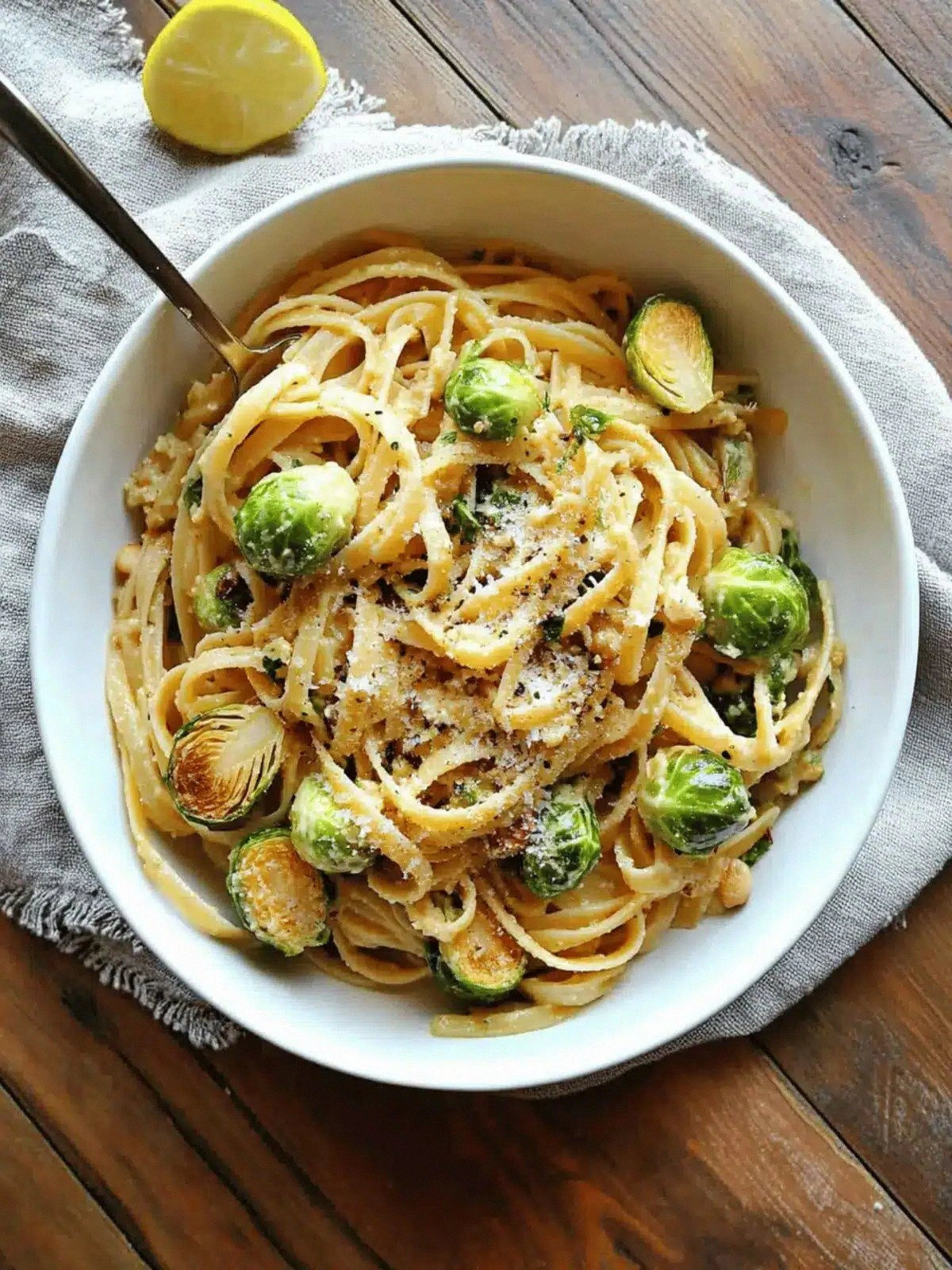
The Method — Step by Step
- Heat the olive oil over medium heat until it shimmers. Add the minced garlic, letting it sizzle for 30 seconds until fragrant. Stir constantly to prevent burning; the garlic should release a sweet aroma but not turn black. This is the moment of truth—if the garlic starts to brown too quickly, lower the heat.
- Add the vegan butter to the pan, stirring until it melts completely. The butter should coat the bottom of the pan, creating a golden sheen. As it melts, it will mingle with the garlic, forming a fragrant base. This step is crucial for that buttery mouthfeel.
- Whisk the flour into the butter and garlic mixture, creating a smooth roux. Cook for 1-2 minutes, allowing the raw flour taste to disappear. The roux should look slightly golden but not browned. This thickening agent will turn the liquid into a silky sauce.
- Pour in the vegetable broth and non‑dairy milk, whisking vigorously to avoid lumps. Bring the mixture to a gentle simmer, letting it thicken into a creamy consistency. The sauce should coat the back of a spoon and hold its shape. Keep the heat low to prevent scorching.
- Add the Brussels sprouts to the pot, stirring to coat them evenly with the sauce. Reduce the heat to medium‑low and cover the pot. Let the sprouts steam for 5 minutes until they start to soften but still retain a slight crunch.
- Introduce the spaghetti, breaking it in half if it’s too long for the pot. Stir well so the noodles are fully submerged in the sauce. The pasta should cook in the sauce, absorbing the flavors. Keep the pot covered and let the pasta finish cooking in about 8-10 minutes.
- Stir in the lemon juice, allowing the bright citrus to brighten the dish. Taste the sauce and season with salt and pepper to taste. The lemon will cut through the richness, leaving a fresh finish. Adjust the seasoning as needed before serving.
- Serve hot, spooning the creamy sauce over the pasta and sprinkling extra lemon zest if desired. The dish should feel like a warm hug, with each bite delivering creamy, garlicky, and slightly crunchy textures. Enjoy the moment of culinary triumph.
That’s it—you did it. But hold on, I’ve got a few more tricks that will take this to another level…
Insider Tricks for Flawless Results
The Temperature Rule Nobody Follows
Cooking the sauce at a gentle simmer is key to achieving that silky texture. Too high a heat will scorch the flour, giving the sauce a bitter taste. Keep the temperature around 180°F (82°C) for the longest part of the cooking process. This slow, steady approach ensures the sauce thickens evenly.
Why Your Nose Knows Best
A well‑seasoned sauce is often a scent away from perfection. Smell the sauce before adding salt; a slightly bitter or burnt aroma indicates the need for a quick adjustment. Your nose can detect subtle changes that your eyes might miss, so trust it to guide your seasoning.
The 5‑Minute Rest That Changes Everything
Letting the pot rest for five minutes after cooking allows the flavors to meld. The sauce continues to thicken slightly, and the pasta absorbs more of the creamy goodness. During this rest period, the Brussels sprouts finish cooking without becoming mushy.
The Secret of a Perfect Finish
A final splash of lemon juice right before serving adds a bright pop that lifts the dish. If you prefer a more intense lemon flavor, add the juice in two stages—half during cooking and half at the end. This technique ensures a balanced citrus presence.
The Quick Cleanup Hack
Use a silicone lid that fits the pot to trap steam and prevent splattering. This makes the cleanup a breeze, as the pot’s interior stays cleaner. A silicone lid also helps maintain the pot’s temperature during simmering.
Creative Twists and Variations
This recipe is a playground. Here are some of my favorite ways to switch things up: Spicy Kick – add a pinch of red pepper flakes for heat. Nutty Crunch – toss in toasted almonds or pine nuts for an extra texture. Herb Garden – stir in fresh basil or oregano for a Mediterranean flair. Sweet & Savory – sprinkle a tablespoon of maple syrup for a subtle sweetness that balances the acidity. Cheesy Vegan – swirl in a vegan cheese sauce for a richer, more decadent version.
Storing and Bringing It Back to Life
Fridge Storage
Store leftovers in an airtight container in the refrigerator for up to 3 days. Keep the sauce and pasta separated if you want to avoid a soggy texture. Reheat gently on the stove, adding a splash of non‑dairy milk to restore creaminess.
Freezer Friendly
Freeze the sauce separately from the pasta for up to 2 months. When reheating, thaw overnight in the refrigerator and then heat on the stove with a splash of broth. This method preserves the sauce’s silky texture.
Best Reheating Method
Reheat the dish over medium-low heat, stirring constantly. Add a small amount of water or milk to loosen the sauce. The goal is to bring the dish back to a silky, piping‑hot state without overcooking the pasta.