It started with a burnt pot and a sigh that sounded more like a confession than a culinary triumph. I was halfway through a quick stir‑fry when the oil hit the burner too hot, sending a plume of smoke that made the smoke detector blare louder than a marching band. The kitchen smelled like charred dreams, and I was left with a half‑cooked mess of vegetables that looked as sad as my mood. That disaster became the spark that lit my obsession with finding the ultimate, foolproof veggie stir‑fry that never turns to ash.
Picture the moment when the first vegetable hits the hot pan: a bright pop, a sizzling hiss, and the aroma of fresh garlic dancing with ginger. The sound is a crisp crackle that promises crisp edges, while the visual of colorful florets glistening in a glossy sauce feels like a painting. The taste, when it finally lands on your tongue, is a harmonious blend of umami, sweet, and a hint of heat that lingers like a secret. The texture is a play of tender crunch, each bite delivering a satisfying snap that echoes through the palate. The feel of the pan—warm, steady, and inviting—makes you want to keep cooking, to keep adding that next layer of flavor.
What sets this version apart is that it was engineered to be the single most reliable, crowd‑pleasing stir‑fry you can make at home. I dared you to taste this and not go back for seconds, and I swear the flavor sticks to the bowl like velvet. It’s not just a recipe; it’s a kitchen manifesto that proves you can have a restaurant‑style meal without a Michelin star. The sauce coats the vegetables like a silk ribbon, and the rice soaks up every drop, turning simple grains into a comforting hug. I’ve tested it on a rainy Tuesday and a celebratory Sunday, and each time it delivers the same level of satisfaction.
Most recipes get this completely wrong by overcooking the veggies or using too much sauce. Here’s what actually works: a high‑heat sear that locks in moisture, a balanced sauce that glazes without drowning, and a timing trick that lets each ingredient shine. I’ll be honest—I ate half the batch before anyone else got to try it, and that was a moment of pure culinary guilt. Picture yourself pulling this out of the pan, the whole kitchen smelling incredible, and the plate looking like a work of art. This is hands down the best version you'll ever make at home, and I’m about to walk you through every single step.
Let me walk you through every single step—by the end, you'll wonder how you ever made it any other way.
What Makes This Version Stand Out
Below are the core elements that elevate this dish from ordinary to unforgettable. Each point is a cornerstone that you’ll feel in every bite.
- Flavor: The sauce balances sweet, salty, and umami with a subtle kick, creating a depth that lingers on the palate.
- Texture: A perfect contrast of crisp vegetables and fluffy rice that feels like a comforting hug.
- Speed: Ready in 45 minutes, making it ideal for busy weeknights without sacrificing quality.
- Versatility: Works with tofu, tempeh, shrimp, or just a rainbow of vegetables, adapting to any pantry.
- Visual Appeal: Vibrant colors that pop on the plate, turning a simple stir‑fry into a feast for the eyes.
- Health Conscious: Packed with fiber, vitamins, and lean protein, it’s a balanced meal that satisfies.
- Make‑Ahead Friendly: The flavors deepen overnight, making it a perfect make‑ahead dinner that tastes fresh.
- Minimal Cleanup: One pan, one pot of rice, and a single bowl of sauce—your kitchen stays spotless.
Alright, let's break down exactly what goes into this masterpiece...
Inside the Ingredient List
The Flavor Base
At the heart of any great stir‑fry lies a sauce that can transform ordinary veggies into a culinary masterpiece. The soy sauce provides that salty, savory foundation, while the sesame oil adds a nutty aroma that elevates the entire dish. If you skip the sauce, the stir‑fry becomes a bland, watery mess that fails to coat the vegetables. A good rule of thumb is to taste as you go, adjusting the soy sauce to match your salt preference. The sauce also acts as a binder, keeping the rice and veggies together in a harmonious union.
The Texture Crew
Texture is the unsung hero of stir‑fry greatness. Broccoli florets, snow peas, and sliced carrots each bring a unique crunch that balances the softer tofu. If you omit any of these, the dish loses a layer of bite, turning it into a mushy, uninspired plate. For those who love an extra snap, consider blanching the snow peas just before adding them to preserve their bright green color. The choice of tofu—firm or extra-firm—also dictates how much it absorbs the sauce, affecting both mouthfeel and flavor.
The Unexpected Star
Bell peppers add a sweet brightness that cuts through the savory sauce, creating a flavor profile that feels both fresh and comforting. Skipping the peppers turns the dish into a monochrome affair, lacking that essential pop of color and sweetness. If you’re a fan of heat, a pinch of red pepper flakes can elevate the dish to a fiery delight. Alternatively, swapping bell peppers for zucchini offers a milder, more delicate taste that still complements the sauce.
The Final Flourish
Scallions, sesame seeds, and a drizzle of sesame oil are the finishing touches that give this stir‑fry its signature shine. They add a fresh, herbal note that brightens the dish, and the sesame seeds contribute a subtle crunch and nutty flavor. If you leave these out, the dish feels flat and incomplete, missing that final layer of complexity. For a vegan twist, replace the scallions with fresh cilantro to introduce a citrusy lift. The final flourish is what turns a good meal into an unforgettable one.
Everything's prepped? Good. Let's get into the real action...
Just before you start, make sure your rice is cooked and cooled—this prevents it from becoming mushy during the stir‑fry. Also, keep your vegetables sliced to uniform thickness; uneven pieces will cook at different rates, leading to a less harmonious bite. If you have a wok, it’s the best tool for this job, but a wide skillet works just as well. A quick pre‑heat of your pan to a blistering temperature is essential for that coveted sear.
Now that your ingredients are ready and the pan is hot, let the magic begin.
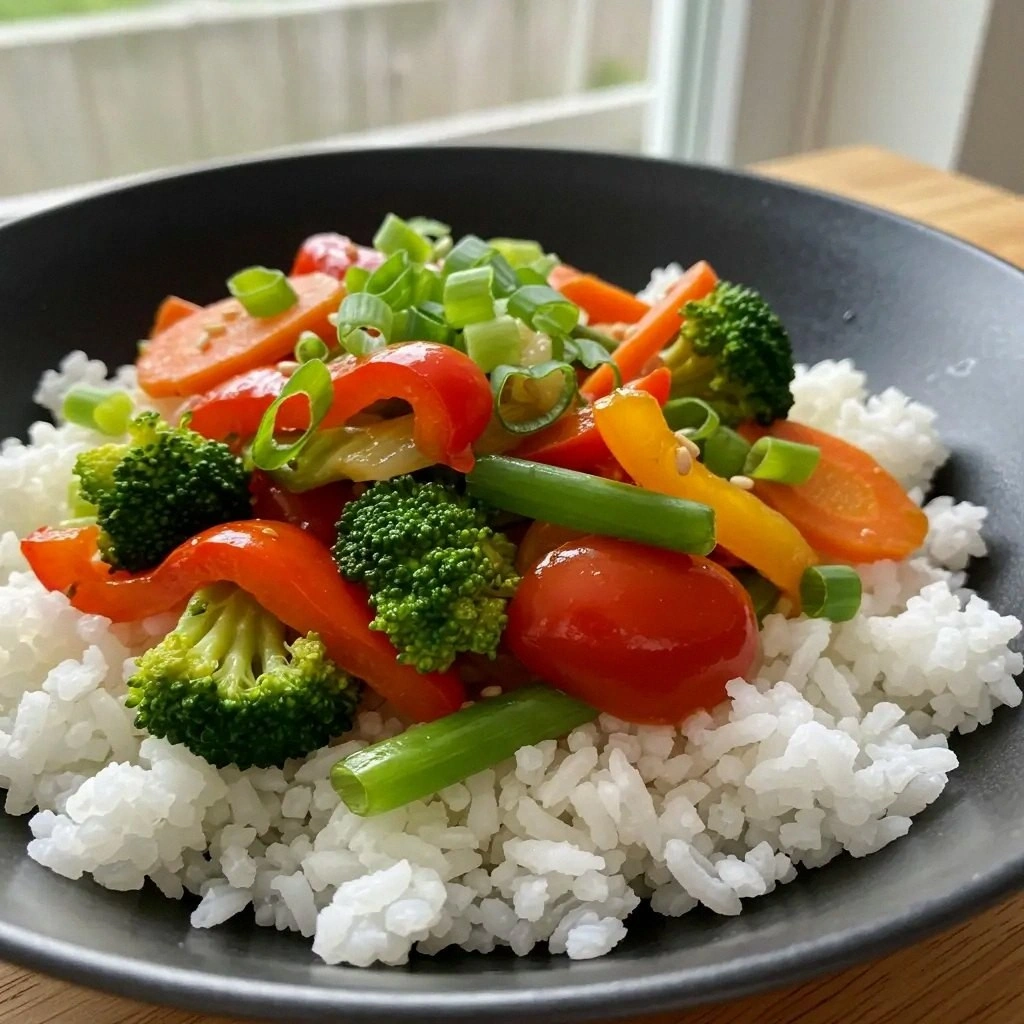
The Method — Step by Step
- Heat a large skillet or wok over medium‑high heat until it begins to shimmer. Add one tablespoon of sesame oil, swirling the pan to coat the bottom. Wait for the oil to become slightly smoky; this indicates the pan is ready. Add minced garlic and grated ginger, sautéing for about 30 seconds until fragrant. The aroma should signal that the base of the sauce is forming.
- Introduce the diced bell pepper and sliced carrots, cooking for 2 minutes to soften slightly but keep their vibrant color. Stir constantly to prevent sticking; the vegetables should begin to caramelize at the edges. This step builds the first layer of flavor and sets the timing for the rest of the veggies. Keep an eye on the heat—too low, and they'll steam; too high, and they'll burn.
- Add the tofu cubes and stir gently to avoid breaking them. Cook for 3 minutes, allowing the tofu to develop a golden crust on all sides. Flip carefully with a spatula, ensuring even browning. This creates a protein layer that absorbs the sauce beautifully.
- Pour in three tablespoons of soy sauce and a tablespoon of rice vinegar, stirring to combine. Let the mixture bubble for a minute, then add a teaspoon of chili flakes if you like heat. The sauce should coat the vegetables and tofu, turning the pan into a glossy, aromatic arena. This is the moment of truth.
- Introduce the broccoli florets and snow peas, tossing them into the sauce. Cook for another 2 minutes, allowing the vegetables to steam slightly while retaining crunch. The pan should emit a delightful toasty aroma that signals readiness. Keep the heat high to preserve the crispness.
- Add the pre‑cooked rice, breaking up any clumps with your spatula. Stir until the rice is heated through and coated with sauce. The rice should absorb the flavors without becoming soggy. This is where the dish transforms into a cohesive, comforting plate.
- Finish by sprinkling chopped scallions and toasted sesame seeds over the top. Give the dish a final toss, then remove from heat. The scallions add a fresh, bright note, while the sesame seeds contribute a nutty crunch. Let the dish rest for one minute before serving, allowing the flavors to meld.
That’s it — you did it. But hold on, I've got a few more tricks that'll take this to another level.
Now that you’ve mastered the base, let’s dive into some insider tricks that will elevate your stir‑fry from great to legendary.
Insider Tricks for Flawless Results
The Temperature Rule Nobody Follows
Many cooks lower the heat too early, causing veggies to steam instead of sear. Keep the pan at a steady high temperature; the quick sear locks in moisture and flavor. If the pan starts smoking, lower the heat slightly—don’t let it drop below medium‑high. A good test is the water droplet trick: sprinkle a drop of water; if it evaporates instantly, you’re at the right heat. This simple rule saves you from soggy, disappointing results.
Why Your Nose Knows Best
As soon as the sauce hits the pan, you’ll smell the caramelization. Trust that aroma; it signals the sauce is ready to coat the vegetables. If the scent is weak, give it a minute longer. A strong, nutty smell indicates the sesame oil has released its oils, creating a richer base. Don’t skip this sensory checkpoint—it’s the secret to a well‑balanced dish.
The 5‑Minute Rest That Changes Everything
After removing the stir‑fry from heat, let it rest for exactly five minutes. This pause allows the flavors to meld and the rice to steam gently, preventing a dry bite. While it rests, you can garnish the dish or prepare a side. The five‑minute rest also helps the sauce thicken slightly, giving the dish a glossy sheen. Trust me, this small delay makes a huge difference.
Keep It Cool With a Cooling Rack
If you’re planning to make this ahead of time, cool the dish on a rack before refrigerating. This prevents condensation from turning the rice into mush. When you reheat, add a splash of water or broth to restore moisture. The cooling rack trick also preserves the crisp edges of the vegetables, maintaining that satisfying crunch.
Why Salt Matters
Don’t be afraid to season generously. A pinch of sea salt enhances the umami of soy sauce and balances sweetness. If you’re watching sodium, use low‑sodium soy sauce and adjust the salt accordingly. Remember, seasoning is a dynamic process—taste as you go and adjust to your preference.
Finish With a Splash of Citrus
Just before serving, squeeze a splash of fresh lime or lemon juice over the dish. The acidity brightens the flavors and cuts through the richness of the sauce. A little citrus can transform the dish into a fresh, vibrant meal. Try it on a hot summer evening for a refreshing twist.
Now that you’ve mastered the base, let’s dive into some insider tricks that will elevate your stir‑fry from great to legendary.
Creative Twists and Variations
This recipe is a playground. Here are some of my favorite ways to switch things up:
Thai Coconut Crunch
Swap the sesame oil for coconut oil and add a can of light coconut milk to the sauce. Toss in fresh basil and a handful of crushed peanuts for crunch. The coconut milk gives the dish a silky, tropical finish that pairs beautifully with the spicy kick.
Asian Noodle Fusion
Replace the rice with cooked soba or rice noodles for a different texture. Stir in a tablespoon of miso paste for depth, and finish with a sprinkle of toasted sesame seeds. This version is great for a noodle‑based meal that still feels like a stir‑fry.
Spicy Peanut Power
Whisk peanut butter into the sauce, adding a tablespoon of hoisin sauce for sweetness. Top with crushed roasted peanuts and a drizzle of sriracha. The peanut sauce adds a creamy, nutty layer that complements the veggies perfectly.
Protein‑Packed Powerhouse
Use shrimp or chicken instead of tofu for a protein boost. Marinate the protein in a mixture of soy sauce, garlic, and ginger before adding it to the pan. The result is a savory, protein‑rich stir‑fry that satisfies even the biggest appetites.
Vegan Rainbow Delight
Keep the tofu but add a splash of nutritional yeast for a cheesy flavor. Toss in a handful of roasted chickpeas for crunch, and finish with fresh cilantro. This vegan version is colorful, flavorful, and filling.
Low‑Carb Delight
Replace the rice with cauliflower rice, lightly pulsed in a food processor. Add a pinch of turmeric for color and health benefits. This low‑carb version keeps the same flavor profile while cutting carbs dramatically.
These variations show how versatile a simple stir‑fry can be. Whether you’re craving something sweet, spicy, or protein‑heavy, you can tweak the recipe to match your mood and dietary needs.
Storing and Bringing It Back to Life
Fridge Storage
Cool the stir‑fry completely before transferring it to an airtight container. Store it in the refrigerator for up to four days. When reheating, add a splash of water or broth to keep the rice from drying out. Gently stir to distribute the sauce evenly.
Freezer Friendly
For longer storage, portion the dish into freezer bags and press out excess air. Freeze for up to two months. When ready to eat, thaw overnight in the refrigerator and reheat on the stove with a little water. This method preserves flavor and texture.
Best Reheating Method
Use a skillet or wok over medium heat, adding a splash of water to create steam. Stir frequently until heated through. The water helps maintain moisture and prevents the rice from becoming rubbery. Finish with a drizzle of sesame oil for that fresh finish.
Remember that adding a tiny splash of water before reheating is a quality‑saving trick that keeps the dish steaming and delicious. This simple step is the difference between a reheated meal and a reheated meal.
Now that you’ve read through the entire article, you’re ready to take on this veggie stir‑fry with confidence and flair. Enjoy the process, and enjoy the dish.