Love this? Pin it for later! 📌
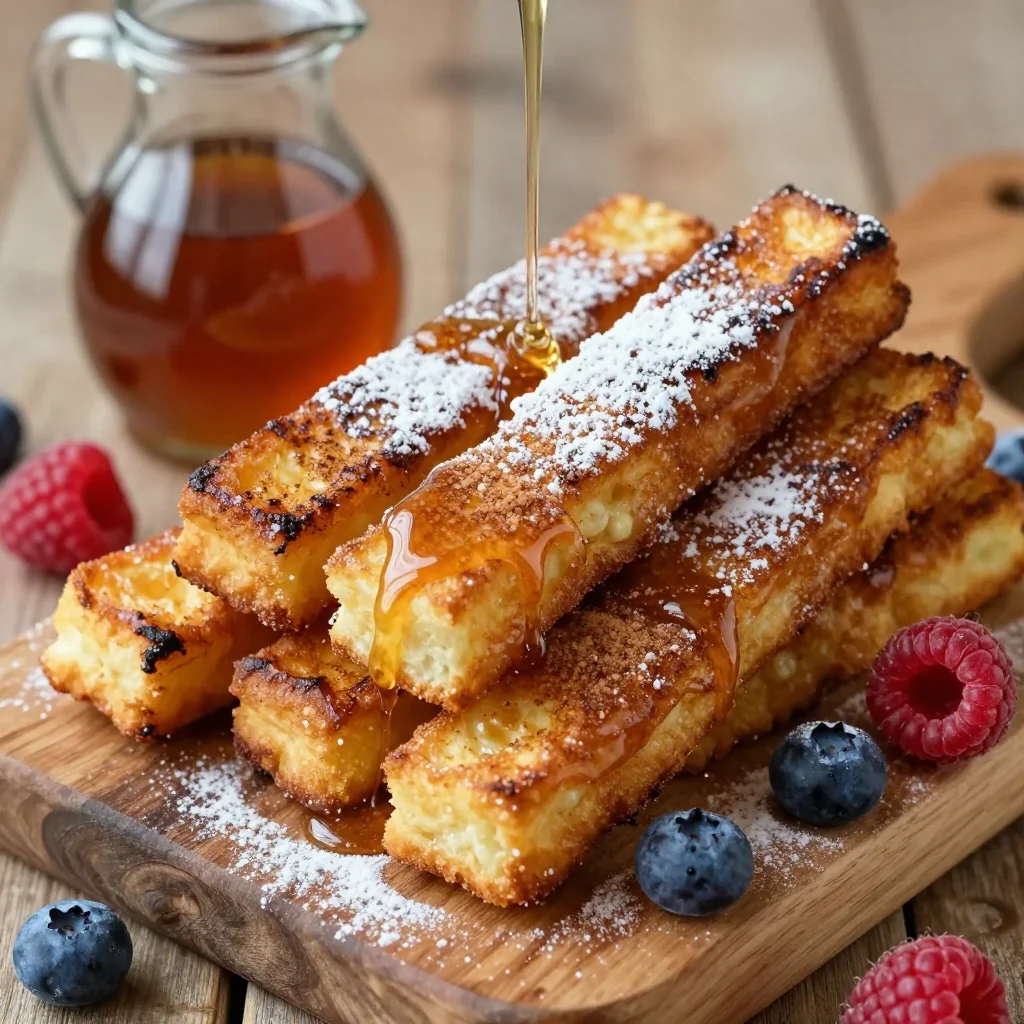
What makes this version special is the double-dip technique: a quick bath in vanilla custard, then a second roll in cinnamon sugar once they’re sizzling-hot from the skillet. The result? Crispy-creamy sticks with a caramelized crust that shatters between your teeth, revealing the soft, custardy interior. Kids love the dippable shape; adults love that they can be prepped the night before and cooked in under ten minutes. Whether you’re feeding a crowd or simply treating yourself to a nostalgic breakfast, these warm cinnamon French toast sticks deliver diner-level indulgence without leaving your pajamas.
Why This Recipe Works
- Texas-trim slices: Thick-cut, day-old bread stays sturdy through two dips and won’t collapse when little hands grab them.
- Vanilla-cinnamon custard: A higher cream-to-egg ratio creates restaurant-quality richness without tasting eggy.
- Two-zone skillet: Medium heat sets the custard; a quick bump to medium-high caramelizes the sugar for crème-brûlée edges.
- Make-ahead magic: Soak the sticks overnight; next morning you just slide them onto a hot griddle—perfect for entertaining.
- Freezer friendly: Flash-cool, layer with parchment, and freeze; reheat at 375 °F for 8 minutes for a hot breakfast any weekday.
- Portion control built in: Pre-sliced sticks mean everyone gets the same golden ratio of crust to custard—no fighting over the “best piece.”
Ingredients You'll Need
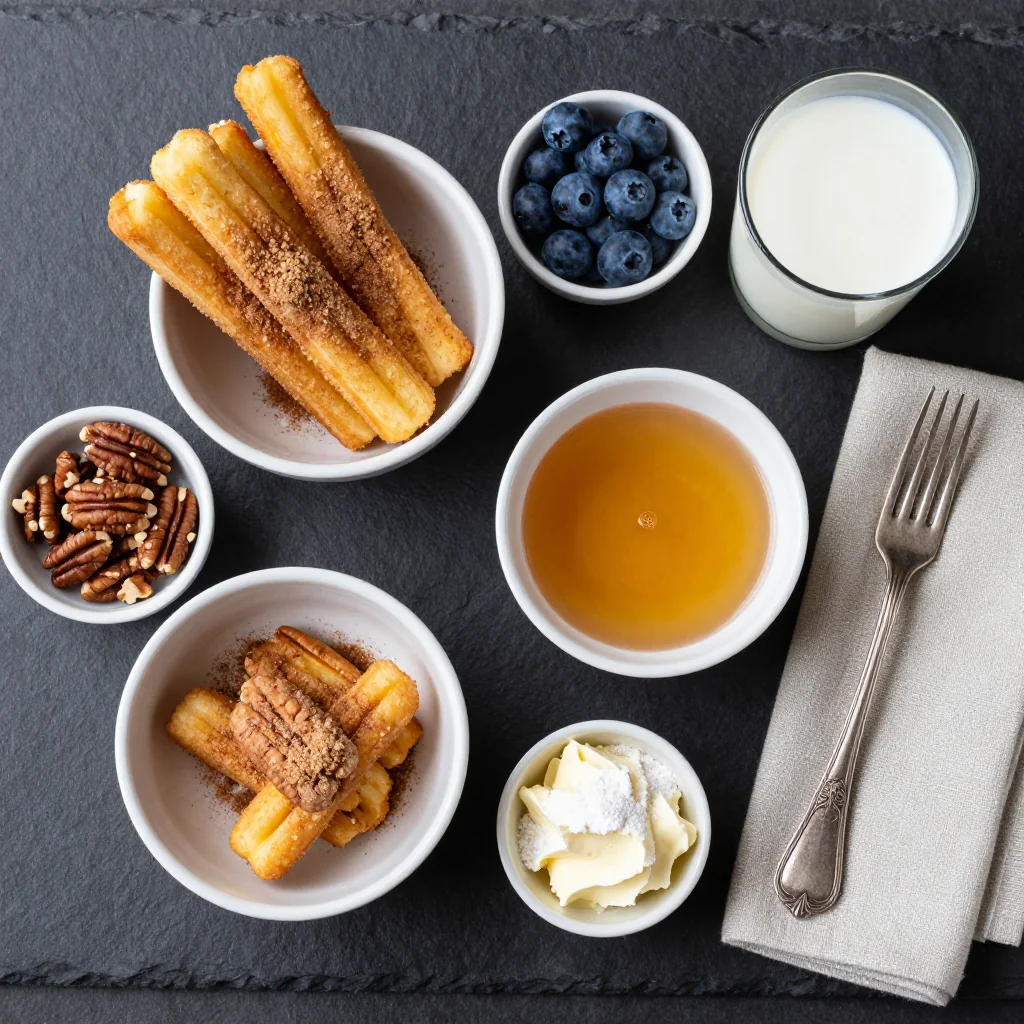
The beauty of French toast sticks lies in humble ingredients elevated through technique. Start with a hearty enriched bread like Texas toast or Japanese shokupan; the pillowy interior soaks up custard without falling apart. Day-old bread is ideal—slightly dried crumb acts like a sponge, preventing sogginess. If your loaf is fresh, slice and leave it uncovered overnight or give it a 15-minute stint in a 250 °F oven to dry the surface.
For the custard, I use whole eggs plus one extra yolk. The yolk’s fat amps up silkiness, while the whites lend structure. A 50-50 blend of whole milk and heavy cream yields velvety richness without feeling heavy; swap in half-and-half if that’s what you have. A full tablespoon of pure vanilla extract may feel generous, but it perfumes every bite—splurge on the good stuff. Maple syrup in the batter (not just on top) caramelizes on the griddle for deeper flavor.
Cinnamon is the star, yet it can turn bitter if blasted on high heat. I mix 1 teaspoon cinnamon with 2 tablespoons sugar and roll the hot sticks immediately after cooking; residual heat melts the sugar into a whisper-thin, crackly shell. For the sugar blend, light brown sugar adds toffee notes, but white sugar gives a sharper crust—use whichever your pantry offers. A pinch of freshly grated nutmeg whispers warmth without stealing the show.
Finally, butter for the skillet should be unsalted; salted butter can scorch and muddle flavors. Clarified butter or ghee is excellent if you’re cooking in batches because the milk solids won’t burn. A neutral oil-butter blend lets you crank the heat for the final caramelization step without smoking out the kitchen.
How to Make Warm Cinnamon French Toast Sticks for a Fun Breakfast
Prep the bread
Trim crusts if you like tidy sticks, though I leave them on for extra crunch. Slice the loaf into 1-inch-thick planks, then cut each plank into ¾-inch batons. Arrange in a single layer on a wire rack and let air-dry 30 minutes, or refrigerate uncovered overnight.
Whisk the custard
In a shallow bowl, whisk 3 large eggs plus 1 yolk until homogenous. Stream in ½ cup whole milk, ½ cup heavy cream, 2 tablespoons maple syrup, 1 tablespoon vanilla, ½ teaspoon cinnamon, and a pinch of salt. The mixture should coat the back of a spoon; if it’s too thick, add a splash more milk.
Soak the sticks
Lay 4–5 bread batons in the custard. Let them soak 20 seconds per side; you want saturation without structural collapse. Transfer to a platter while you continue with the rest. If prepping overnight, layer soaked sticks in a buttered baking dish, cover tightly, and refrigerate; reduce next-day griddle time by 1 minute per side.
Heat the skillet
Place a large cast-iron or non-stick skillet over medium heat. Add 1 tablespoon unsalted butter and swirl until foaming subsides. You want a gentle sizzle when the bread hits the pan—too hot and the exterior burns before the custard cooks.
First cook: set the custard
Lay the soaked sticks in the skillet without crowding. Cook 2–3 minutes per side until golden and firm to the touch. Adjust heat as needed; if they brown too quickly, lower the flame. Transfer to a wire rack set over a sheet pan while you repeat with remaining sticks, adding more butter as necessary.
Second cook: caramelize the crust
Bump heat to medium-high. Return all sticks to the skillet in a single layer. Sprinkle the cinnamon-sugar mixture (2 tablespoons sugar + 1 teaspoon cinnamon) evenly over them. Let sit 30 seconds, then toss gently with a spatula so the sugar melts and glazes the sticks. This final kiss of heat creates the crave-worthy crackle.
Serve immediately
Plate on a warm platter so the sugar stays melty. Offer tiny bowls of maple syrup, chocolate-hazelnut spread, or berry compote for dunking. A snowfall of powdered sugar makes everything feel celebratory.
Expert Tips
Temperature matters
Cold custard + room-temp bread = even soaking without sogginess. Warm custard will start cooking the bread prematurely.
Don’t skip the rack
Air circulation under the sticks prevents steam from softening the bottoms while you finish the batch.
Use a fish spatula
Its thin, slotted blade slides under delicate sticks without tearing the caramelized crust.
Keep them warm
If serving a crowd, park the rack in a 200 °F oven for up to 20 minutes; the sugar shell stays crisp.
Flavor infusions
Steep the milk with orange zest or a split vanilla bean for 10 minutes, then cool before whisking into eggs.
Clean slice trick
Use a serrated knife in gentle sawing motions; pressing down compacts the crumb and leads to mushy centers.
Variations to Try
- Apple-cider version: Replace 2 tablespoons milk with reduced apple cider and add a pinch of cloves.
- Chocolate-stuffed: Cut a slit in each baton and stuff with 3–4 mini chocolate chips before soaking.
- Coconut cream: Swap heavy cream for full-fat coconut milk and roll in cinnamon-coconut sugar.
- Savory-sweet: Skip the sugar, add ¼ cup shredded cheddar to the custard, and serve with hot honey.
Storage Tips
Refrigerate: Cool sticks completely, layer between parchment in an airtight container, and refrigerate up to 3 days. Reheat in a 375 °F oven or air-fryer for 6 minutes, flipping halfway.
Freeze: Flash-freeze cooled sticks on a tray for 1 hour, then transfer to a zip-top bag with parchment dividers. Freeze up to 2 months. Bake from frozen 8–10 minutes at 375 °F.
Make-ahead custard: Whisk the custard the night before and refrigerate; give it a brisk whisk before dunking bread to re-incorporate.
Frequently Asked Questions
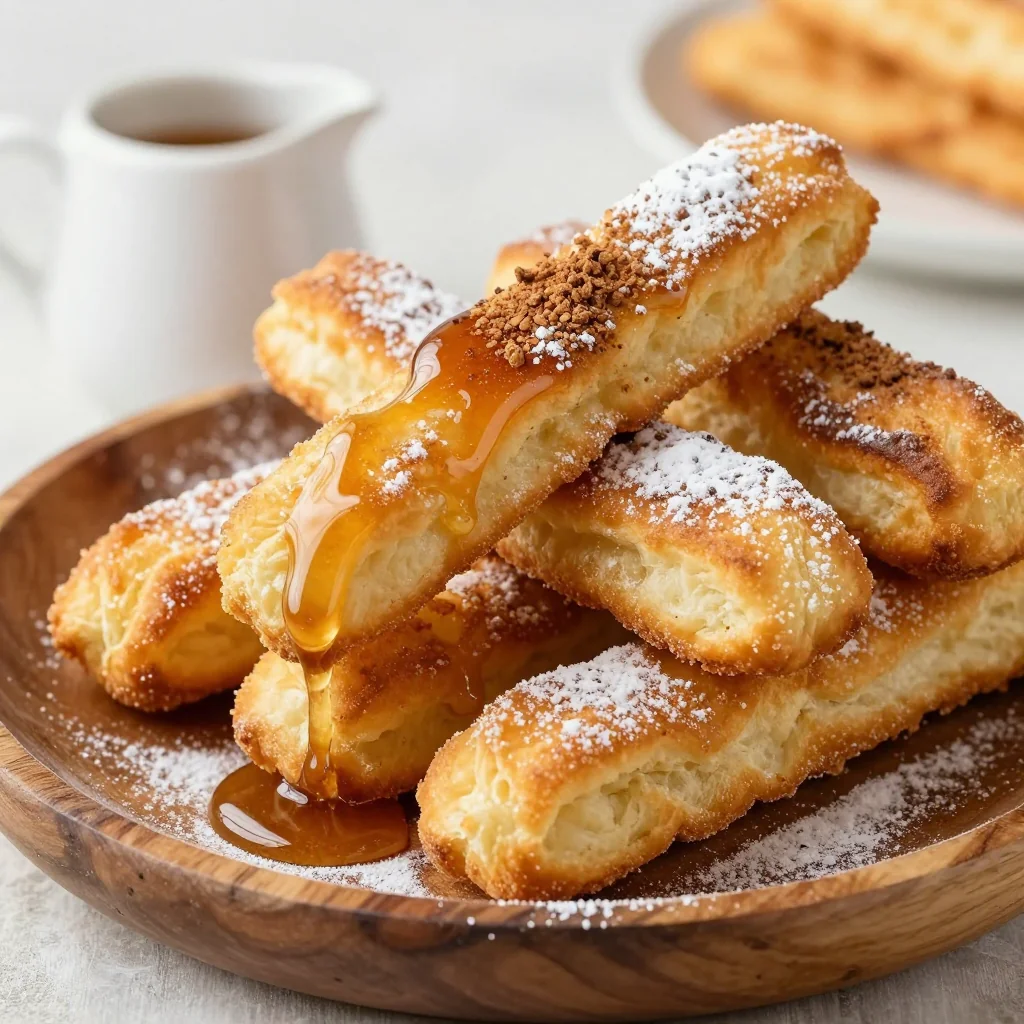
Warm Cinnamon French Toast Sticks for a Fun Breakfast
Ingredients
Instructions
- Prep bread: Cut each slice into ¾-inch batons and air-dry 30 minutes.
- Make custard: Whisk eggs, yolk, milk, cream, maple syrup, vanilla, cinnamon, nutmeg, and salt in a shallow bowl.
- Soak: Dip batons 20 seconds per side; place on a rack.
- Preheat skillet: Melt 1 tablespoon butter over medium heat until foaming subsides.
- Cook: Add sticks in a single layer; cook 2–3 minutes per side until golden. Transfer to rack; repeat with remaining butter and sticks.
- Caramelize: Increase heat to medium-high, return all sticks to skillet, sprinkle cinnamon-sugar, and toss 30–45 seconds until glazed.
- Serve hot: Dust with powdered sugar and serve with maple syrup for dipping.
Recipe Notes
For overnight prep, soak sticks and refrigerate in a buttered dish. Next morning, cook as directed, shaving 1 minute off each side. Freeze cooled sticks up to 2 months; reheat at 375 °F for 8 minutes.