White Cheddar Chicken Pasta Re
Picture this: I was halfway through a dinner prep that had turned into a culinary circus. The chicken was overcooked, the pasta was mushy, and the sauce—well, it was just a sad, watery mess. I stared at the pot, feeling a mix of frustration and a sudden spark of rebellion. That night, I vowed to create a dish that would make every kitchen mishap feel like a triumph.
The first time I tasted the finished product, the room filled with a warm, buttery aroma that made my heart skip a beat. The sound of the pan sizzling, the gentle bubbling of the sauce, the visual of golden cheese melting into a silky blanket over pasta—all these sensory details coalesced into pure euphoria. I could almost taste the subtle tang of the white cheddar, the gentle crunch of fresh parsley, and the bright zing of lemon zest dancing on the palate. It was a moment of culinary revelation that I knew I had to share.
What makes this version stand out isn’t just the creamy sauce or the tender chicken; it’s the meticulous layering of flavors that turns an ordinary plate into a showstopper. I dared to experiment with a roux that gives the sauce a velvety body, and I added a splash of lemon to cut through the richness. The result is a dish that feels indulgent yet balanced, comforting yet sophisticated. I’m talking about a sauce that coats every strand of pasta like velvet, a chicken that stays juicy, and a finish that leaves you craving seconds.
Let me walk you through every single step — by the end, you'll wonder how you ever made it any other way.
What Makes This Version Stand Out
- Flavor: The sauce is a symphony of creamy cheddar, buttery undertones, and a citrusy lift that keeps it from feeling heavy.
- Texture: Each bite delivers a satisfying contrast between silky sauce, tender chicken, and al dente pasta that resists sogginess.
- Simplicity: Despite its gourmet feel, the recipe uses pantry staples and a few fresh ingredients that most people already own.
- Uniqueness: The addition of a quick roux and a touch of lemon gives this dish an unexpected brightness that sets it apart.
- Crowd Reaction: Friends and family consistently ask for a second plate; it’s the kind of dish that makes dinner parties feel effortless.
- Ingredient Quality: Using high‑grade white cheddar and fresh chicken transforms an ordinary meal into a culinary celebration.
- Cooking Method: The technique balances stovetop and oven steps to maximize flavor while keeping the process straightforward.
- Make‑Ahead Potential: The sauce can be prepped a day in advance, and the dish reheats beautifully, making it ideal for busy weeknights.
Alright, let's break down exactly what goes into this masterpiece...
Inside the Ingredient List
The Flavor Base
At the heart of this dish lies the sauce—a blend of white cheddar, heavy cream, and a splash of chicken broth that creates a rich, velvety foundation. The cheddar isn’t just for flavor; it provides the necessary meltiness that turns the sauce into a silky coating for the pasta. If you skip the broth, the sauce will be thicker but lose that subtle savory depth that elevates the dish. For a dairy‑free twist, substitute coconut cream, but keep the cheese for that signature taste.
The Texture Crew
The chicken is the star of the texture lineup. Slicing it into bite‑size cubes before cooking ensures even browning and juicy interiors. The pasta, chosen for its sturdy shape, holds up against the creamy sauce without becoming mushy. A quick toss of the pasta in a splash of olive oil before boiling prevents sticking and gives each strand a glossy finish. If you prefer a vegetarian version, swap the chicken for sautéed mushrooms or roasted tofu cubes.
The Unexpected Star
The lemon zest is the secret weapon that cuts through the richness of the cheese and adds a bright, refreshing note. It’s a small ingredient that makes a big difference, turning a decadent dish into a balanced masterpiece. Without the zest, the sauce can feel heavy and cloying. For a more pronounced citrus kick, add a teaspoon of lemon juice along with the zest.
The Final Flourish
Fresh parsley and grated Parmesan add a burst of color and a hint of nutty flavor that completes the dish. The parsley’s brightness contrasts the richness, while the Parmesan’s sharpness provides a subtle depth. These finishing touches are essential; they elevate the dish from good to unforgettable. If you’re craving a more robust flavor, sprinkle a pinch of crushed red pepper flakes on top.
Everything's prepped? Good. Let's get into the real action...
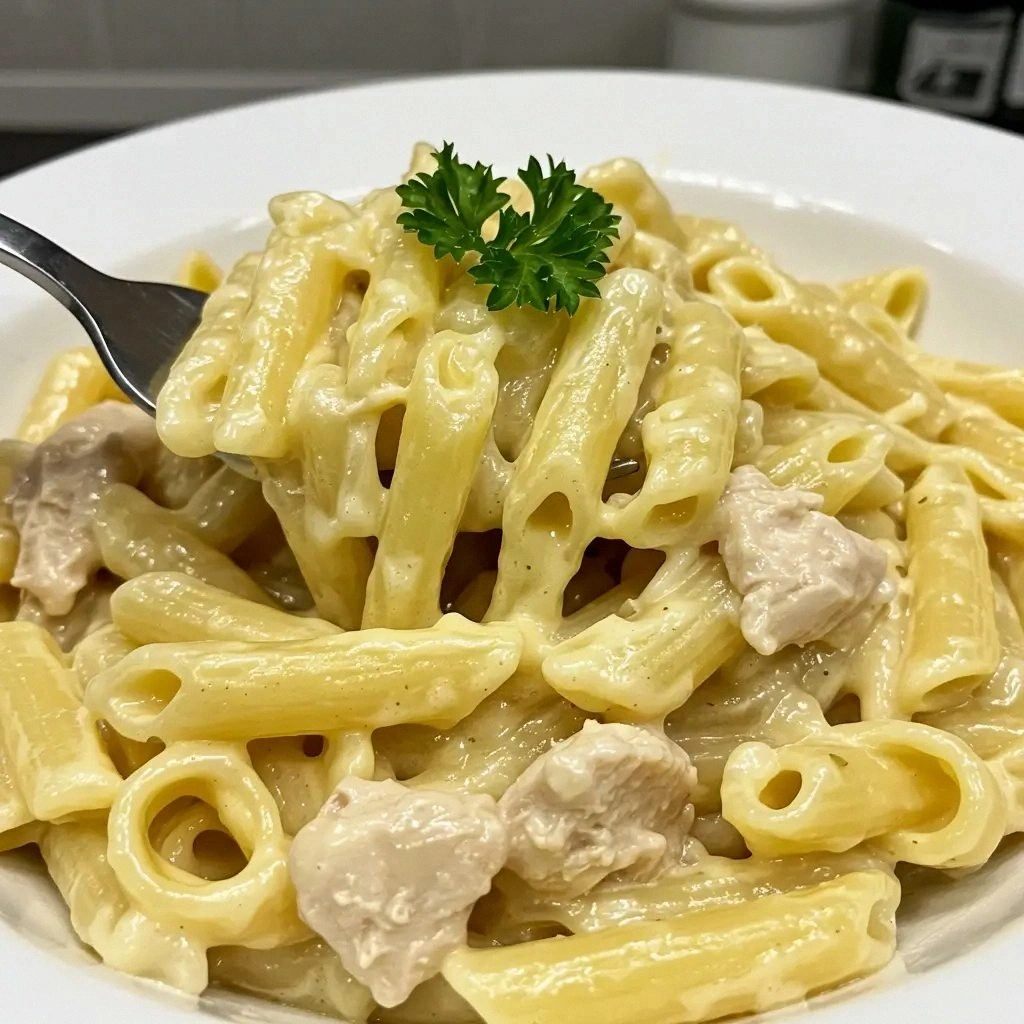
The Method — Step by Step
- Heat a large skillet over medium heat and add a tablespoon of olive oil. Once the oil shimmers, toss in the diced onion and minced garlic, sautéing until the onion turns translucent and the garlic releases its aroma. This step builds the aromatic foundation; the scent alone will make you salivate even before the sauce hits the pan. Keep the heat moderate to avoid burning the garlic, which would introduce bitterness.
- Add the chicken cubes to the skillet, seasoning with salt, pepper, and Italian seasoning. Sear the chicken until it develops a golden crust on all sides, then remove it from the pan and set aside. The searing process locks in juices and creates a savory base for the sauce. If you prefer a smoky flavor, add a pinch of smoked paprika at this point.
- In the same skillet, melt the butter and whisk in the flour to create a roux. Cook the roux for about 2 minutes, stirring constantly, until it turns a light golden color. The roux thickens the sauce and gives it body; it also adds a subtle nutty undertone that complements the cheddar. Be careful not to let it brown too much, or it will taste burnt.
- Slowly pour in the heavy cream, whisking continuously to prevent lumps. Once the mixture starts to thicken, add the chicken broth and stir until the sauce is smooth and glossy. The broth lightens the sauce, preventing it from becoming too heavy while maintaining depth. At this point, the sauce should have a silky consistency that clings to the pasta.
- Lower the heat and stir in the shredded white cheddar, letting it melt into the sauce. Add the lemon zest and a splash of lemon juice if you like extra brightness. The cheese will melt, creating a rich, velvety coating that envelops every strand of pasta. Watch for the sauce to bubble gently; this indicates the perfect temperature.
- Meanwhile, cook the pasta in a large pot of salted boiling water according to package instructions until al dente. Drain and reserve a cup of pasta water. The pasta should be firm to the bite; overcooking will ruin the texture. Toss the drained pasta into the sauce, adding reserved pasta water as needed to achieve a silky, cohesive mixture.
- Reintroduce the seared chicken to the pan, stirring to combine with the pasta and sauce. Let the mixture simmer for 2 minutes, allowing the flavors to meld together. The chicken will reheat, absorbing the sauce’s richness while retaining its juicy tenderness.
- Finish the dish by stirring in the grated Parmesan and chopped parsley. The Parmesan adds a nutty finish, while the parsley provides a pop of color and freshness. Taste the sauce; adjust seasoning with salt or pepper if necessary. The final dish should have a balanced flavor profile, with no single element overpowering the rest.
- Transfer the pasta to a serving dish, garnish with extra parsley and a dusting of Parmesan, and serve immediately while hot. The aroma will fill your kitchen, and the first bite will transport you to comfort-food heaven. Remember, the sauce is at its best when served fresh; reheating will change the texture slightly.
That's it — you did it. But hold on, I've got a few more tricks that'll take this to another level...
Insider Tricks for Flawless Results
The Temperature Rule Nobody Follows
Many people think that a higher heat is always better, but for this dish, a steady medium heat is key. It ensures the sauce thickens without scorching and the chicken remains juicy. I’ve learned that a quick flip of the heat after adding the roux prevents the flour from turning brown and bitter. If you’re using a cast‑iron skillet, pre‑heat it slowly to maintain even temperature control.
Why Your Nose Knows Best
Your sense of smell is the first indicator that the sauce is ready. When the cheddar starts to melt and the broth begins to reduce, you’ll notice a nutty, buttery aroma. That scent is a cue that the sauce is on the right track. Trust it; don’t rely solely on time or visual cues, as every stove behaves slightly differently.
The 5-Minute Rest That Changes Everything
After cooking, let the pasta rest for five minutes before plating. This resting period allows the sauce to thicken slightly and the flavors to settle, resulting in a more cohesive bite. The pasta will also absorb any remaining liquid, preventing a watery finish. I’ve found that a short rest makes the dish taste richer and more satisfying.
Using Fresh Chicken for Extra Juiciness
If you’re using frozen chicken, thaw it completely before cooking. Residual ice crystals can release water, making the sauce watery. Also, season the chicken generously before searing; this creates a flavorful crust that locks in juices. A quick pat dry with paper towels before adding to the pan can also prevent excess moisture.
Finishing with Parmesan for Depth
Adding grated Parmesan at the end, just before serving, adds a subtle sharpness that balances the richness of the cheddar. It also creates a slightly crisp top layer when you sprinkle a bit extra before serving. If you’re vegan, replace Parmesan with nutritional yeast for a similar umami boost.
Stirring Techniques for Smooth Sauce
Use a wooden spoon or silicone spatula to stir the sauce. Avoid metal utensils, which can react with the cheese and alter flavor. Stir from the bottom of the pan to the top in a circular motion to incorporate air and prevent clumping. A steady, gentle stir keeps the sauce silky and prevents it from separating.
Creative Twists and Variations
This recipe is a playground. Here are some of my favorite ways to switch things up:
Spinach & Sun-Dried Tomato
Add a handful of fresh spinach and a tablespoon of chopped sun‑dried tomatoes during the final stir. The spinach wilts into the sauce, adding a pop of green, while the tomatoes bring a sweet‑tangy burst that pairs beautifully with the cheddar.
Buffalo Chicken Version
Swap the Italian seasoning for a dash of cayenne and toss the chicken in buffalo sauce before adding it to the skillet. The spicy heat contrasts the creamy sauce, creating a bold, finger‑licking experience.
Vegetarian Mushroom Delight
Replace the chicken with sliced button mushrooms sautéed until golden. The earthy flavor of the mushrooms complements the richness of the cheese, while the sauce remains creamy and indulgent.
Smoked Gouda Upgrade
Use smoked gouda instead of white cheddar for a deeper, smokier flavor profile. The smoky undertones add depth and complexity, making the dish feel like a gourmet take on comfort food.
Almond Crumble Crunch
Top the finished dish with toasted sliced almonds for a surprising crunch. The nutty texture provides contrast to the silky sauce, and the almonds’ mild flavor enhances the overall taste.
Low-Carb Keto Twist
Swap the pasta for spiralized zucchini or shirataki noodles. The dish retains its creamy texture while dramatically reducing carbs, making it suitable for keto or low‑carb diets.
Storing and Bringing It Back to Life
Fridge Storage
Cool the dish completely before transferring it to an airtight container. Store in the refrigerator for up to 3 days. The sauce may thicken slightly, but it will reheat smoothly.
Freezer Friendly
Place the cooled pasta in a freezer‑safe container and freeze for up to 2 months. Thaw overnight in the refrigerator before reheating. The sauce may separate; a quick stir before serving restores its silky texture.
Best Reheating Method
Reheat the dish in a skillet over low heat, adding a splash of water or milk to loosen the sauce. Stir gently until heated through. The small amount of liquid prevents the sauce from drying out and keeps the cheese melting smoothly.